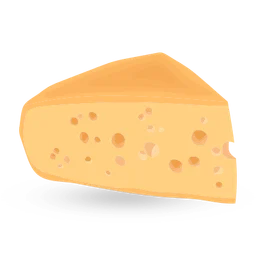
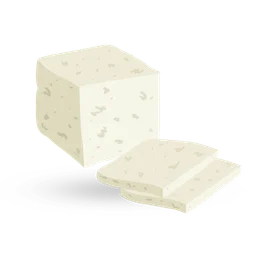
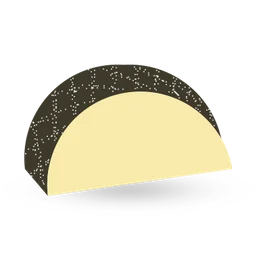
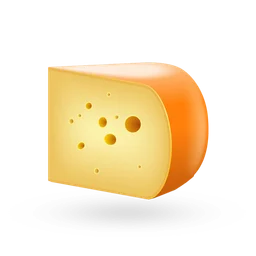
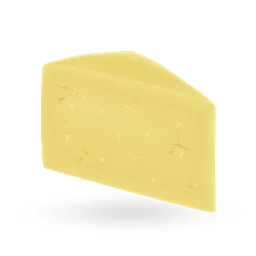
Monks at a Cistercian abbey in Bréhan, Brittany, make this washed-rind cheese from pasteurised cow's milk. After two to three weeks of ageing it has a soft, springy paste dotted with a few irregular holes, and a gentle, milky taste.
PDO · AOCProtected Designation of Origin (locally AOC)Cheese
A hard Alpine cheese from the French Alps in the former Rhône-Alpes region, made from the raw milk of Tarentaise cows and named after its home town. It ripens for around four to five months, with daily salting at first and later rubbing with morge, a blend of whey, brine and scrapings from older cheeses. Summer and mountain-chalet versions also exist.
PDO · AOPProtected Designation of Origin (locally AOP)Cheese
A soft, flat raw cow's milk cheese from the Brie area of Île-de-France and parts of Aube and Yonne. Smaller, saltier and stronger than Brie de Meaux, it ripens for four to eight weeks under a white rind streaked with red, and tastes fruity, musty and of straw. Serve it with bread, pears and light reds.
A triple-cream cow's milk cheese first made near Forges-les-Eaux in Normandy and later renamed after the eighteenth-century gastronome Jean Anthelme Brillat-Savarin. With at least 75 per cent fat, it has a snowy edible rind and a rich, creamy paste that is mild and slightly sour when young.
A small soft goat's milk cheese from the Midi-Pyrénées. Before ripening it is dipped in plum brandy, sprinkled with black pepper and wrapped in chestnut leaves; after roughly two weeks a blue mould appears on the thin rind. It is smooth and creamy with a mild tang.
PDO · AOPProtected Designation of Origin (locally AOP)Cheese
From the Jura massif in eastern France, this large hard cheese uses raw cow's milk and has a pressed, cooked paste. Wheels mature for 120 days or more with regular turning and rubbing, and their flavour can be milky, fruity, roasted, buttery or nutty.
PDO · AOPProtected Designation of Origin (locally AOP)Cheese
A little raw goat's-milk cheese from Chavignol in the Loire, weighing at least 60 grams, with a dense, moist ivory paste and thin mould-dusted rind. It tastes nutty and goaty and hardens and crumbles as it ages; grilled and warm on salad is a classic way to serve it.
A triple-cream cheese from Burgundy made with cow's milk enriched with butterfat. Under its pungent, bloomy white rind the paste is smooth and creamy, tasting buttery, salty, tangy and a little mushroomy; it pairs well with cider or white wine.
PDO · AOPProtected Designation of Origin (locally AOP)Cheese
This soft Burgundy cheese is made from cow's milk and matured for at least four weeks, its glossy brick-red rind regularly washed with a Marc de Bourgogne solution. Inside it is pale and creamy, salty, spicy and sweet, with a famously strong smell; it comes packed in a wooden box.
A fresh French cow's-milk cheese from Rians, rolled by hand into a log with garlic and herbs. Creamy and smooth, it tastes sweet to tangy with a little spice, and is good on bread, in sandwiches or spooned over baked potatoes.
PDO · AOPProtected Designation of Origin (locally AOP)Cheese
A soft cheese of raw cow's milk from the Haut-Doubs in France, also called Vacherin du Haut-Doubs. It is ringed with spruce bark and sold in a spruce box; when ripe the inside is almost liquid, rich and grassy, and is often scooped out like fondue.
PDO · AOPProtected Designation of Origin (locally AOP)Cheese
Munster is a soft cow's-milk cheese with an orange washed rind, made in Alsace and Lorraine and named after a town where monks made it in the Middle Ages. It ripens in cellars for at least two to three weeks and has a pungent smell and a tangy taste.
PDO · AOPProtected Designation of Origin (locally AOP)Cheese
A small round goat's cheese from the Ardèche and Drôme in France, weighing at least 60 grams and ripened for a minimum of 14 days. The thin rind shows white or yellow mould flecked with blue. Young, it tastes fresh, salty and lightly acidic; longer ageing makes it crumbly and sharp.
A semi-soft mountain cheese of raw cow's milk from Savoie in the French Alps. The rind is dark beige and a little sticky, the paste pale yellow. The name comes from racler, to scrape, since the cut face is melted by heat and scraped over potatoes.
PDO · AOPProtected Designation of Origin (locally AOP)Cheese
A pressed cow's-milk cheese of about 500 grams from Savoie and Haute-Savoie, made from raw milk and ripened for at least 15 days. A yellow to orange edible rind covers an ivory paste with a nutty, slightly fruity taste. It melts well and is excellent on baked potatoes.
PDO · AOPProtected Designation of Origin (locally AOP)Cheese
A tiny, flat, very soft cheese of raw goat's milk from Rocamadour in the Lot, weighing only about 35 grams. It ripens for around 15 days, though longer keeps a sharper edge, and its edible rind covers a nutty, fresh, creamy paste. Young cheeses are often warmed on toast or added to salads.
A rindless blue cheese of cow's milk from Beauzac in the Auvergne, ripened about 60 days in cellars. It is very creamy and smooth, so it spreads and melts easily, with a sharp, spicy and fruity taste. It is sold in a distinctive octagonal shape.
A French triple-cream cow's-milk cheese from Coutances in Normandy, enriched with extra cream for a very high fat content. A bloomy edible rind encloses a dense, creamy paste that tastes buttery, tangy and slightly salty.
A soft cow's-milk cheese from the Rhône-Alpes region of France. It has a creamy texture and a fruity, nutty, buttery flavour, while its bloomy rind smells of mushrooms. Because it is so delicate, it is often sold in small terracotta dishes.
PDO · AOPProtected Designation of Origin (locally AOP)Cheese
A farmhouse cheese from the Cantal area of France, made from full-fat cow's milk straight after milking, but only while the herds graze summer mountain pastures. Wheels ripen for three months or more, building a hard brown rind around a yellow, nutty and spicy interior.
PDO · AOPProtected Designation of Origin (locally AOP)Cheese
A small disc of soft goat's-milk cheese from western Sologne around the Cher, coated in wood ash that forms a mineral-tasting rind. The paste is moist and clay-like, salty and nutty, becoming nuttier with age; enjoy it with white wine, on a cheeseboard or in salads.
An uncooked, semi-soft cheese from Savoie and Haute-Savoie, made from cow's milk left after the cream is skimmed off for butter, hence its fairly low fat. It ripens for two to four months under a grey rind speckled with yellow and red, becoming supple inside.
PDO · AOPProtected Designation of Origin (locally AOP)Cheese
Shaped as a flat-topped pyramid, this soft goat's cheese comes from the Loire area of central France. A dusting of salt and charcoal beneath a bluish-grey mould hides a smooth, dense paste with a gentle, nutty, citrus-tinged flavour; dry whites and sparkling wines suit it.
A Greek cheese of sheep's and goat's milk whose name means 'flowery cheese', a nod to its wild-herb aroma. The fresh kind is soft and mild, good in pies and pastries or with honey and fruit, while the dried kind is salty and crumbly and is grated over pasta and salads.
Made on the Greek island of Naxos from raw milk of sheep and goats, with some whey added, this cheese is drained in special baskets called tirovola. Its name means 'male'. Young, it tastes sweet; after a few months of ripening it becomes sharp, spicy and aromatic.
Greece's brined white cheese uses sheep's milk, or a blend with up to 30% goat's milk, and is produced in several mainland regions and the Peloponnese. It is set in large moulds and kept in brine in wooden barrels or tins, and only cheese made in those areas may carry the name.
From the mountainous Agrafa area of Karditsa in Thessaly, this hard table cheese uses sheep's milk, sometimes with up to 30% goat's milk. Ripened for about three months as surface microflora develop, it forms round wheels of 2 to 3 kilos with a scent of mountain herbs.
Crete's hard graviera is made from sheep's milk, with up to 20% goat's milk allowed, from animals that graze freely on local plants. It is ripened in the island's four prefectures and has a firm texture and pale yellow colour, served as a table cheese.
Made on Naxos in the Cyclades, this hard table cheese uses pasteurised cow's milk or sheep's milk with up to 20% goat's milk from island-raised herds. Under its fine rind sits a firm, pale yellow paste dotted with small holes, with a fresh taste and gentle aroma.
A soft white brined cheese from the island of Lemnos, made from sheep's milk or a mix of sheep's and goat's milk. The curd drains in small baskets, which give it a cylindrical shape, and then matures in brine for at least two months.
Kasseri is a pale yellow, stretched-curd Greek cheese made from sheep's milk, with up to 20% goat's milk allowed. Rules require a minimum of three months' ripening; young wheels are sweet and tangy, while longer-aged ones turn salty and sharp.
Kefalograviera is a hard Greek table cheese of ewe's milk, sometimes blended with goat's milk, made in western Greece including Epirus and Western Macedonia. It combines traits of salty Kefalotyri and mild Graviera, with a firm body and a pale brown rind.
A hard Greek and Cypriot cheese made from sheep's or goat's milk, with a firm, flaky body, scattered small holes and a salty, sharp, tangy flavour. Young versions age for two to three months and older ones for at least a year; it is often grated over pasta, stews and salads.
Made only on Lesbos, Ladotyri Mytilinis is a hard cheese of sheep's milk, with goat's milk allowed up to 30%. It is shaped in cylindrical moulds, tastes salty and a little spicy, and after maturing is traditionally kept in olive oil or sealed in paraffin.
A smoked Greek table cheese from the Metsovo mountains, made from cow's milk alone or with up to a fifth of ewe's or goat's milk. Shaped in cylinders, brined, matured for at least three months and then smoked for a few days, it tastes full, a little salty and peppery.
A Greek whey cheese made from the by-products of ewe's or goat's milk cheesemaking, sold fresh, sour or aged. The fresh kind is soft, unsalted and mild and goes into pastries and sweets, while the hard, salty aged version is grated over pasta and soups.
Made solely with milk from cows raised on Syros in the Cyclades, this hard cylindrical cheese is firm and dotted with irregular holes. Expect a buttery scent, a gently spicy bite and a dried-fruit finish; serve it at the table or bake it into omelettes and soufflés.
Semi-hard Greek cheese from Messinia and Lakonia, made with sheep's or goat's milk or a blend. The reheated curd is pressed, cut into strips and salted, then left in brine-filled tins for at least three months, turning yellowish and developing small holes.
PDO · DOPProtected Designation of Origin (locally DOP)Cheese
A semi-hard to hard cheese from the Valtellina valley in Lombardy, based on cow's milk with 10 to 20 per cent goat's milk added. It is sold anywhere from 40 days to several years old: young, it is soft, white and sweet, while longer ageing makes it yellower, crumblier and noticeably sharper.
Italian traditional product (PAT)Italian traditional product (PAT)Cheese
A handmade fresh cheese from Puglia, especially around Bari and Barletta-Andria-Trani. A pouch of stretched mozzarella-style curd made from cow's milk is filled with cream and small shreds of curd, giving a very soft, milky centre. It is best eaten within a day of being made.
PDO · DOPProtected Designation of Origin (locally DOP)Cheese
A hard Italian cheese first made by Cistercian monks near Milan, produced from raw, partly skimmed cow's milk. It is sold at several ages: the standard cheese at 9 to 16 months, an Oltre 16 mesi grade, and Riserva aged beyond 20 months, all suited to grating or eating in chunks.
This grade of Grana Padano is matured for 16 to 20 months, which makes it crumbly and ideal for grating. Compared with younger wheels it tastes more milky and herbal with extra acidity and light nutty notes; try it with strawberries and black pepper.
A very rich cheese from Lombardy, with a fat content of 60% to 75% and a smooth, creamy texture. Sweet, buttery and faintly lemony, it is essential in tiramisu and also used in cheesecake and zabaglione, or in savoury dishes with herbs or anchovies.
PDO · DOPProtected Designation of Origin (locally DOP)Cheese
This mozzarella must be made entirely from water buffalo milk, in Campania or neighbouring parts of Lazio, Apulia and Molise. Sold in brine, it tastes mild with a light sourness and is a classic choice for Caprese salad and antipasti.
PDO · DOPProtected Designation of Origin (locally DOP)Cheese
A hard Italian cheese made from raw, partly skimmed milk of cows fed on grass and hay around Parma. Its grainy texture and nutty to sharp flavour deepen with longer ageing. Production goes back to medieval monks who drained the wetlands of the Po Valley.
PDO · DOPProtected Designation of Origin (locally DOP)Cheese
A hard, cooked sheep's-milk cheese made from the whole milk of grazing ewes, with a salty, sharp taste. After at least five months it serves as a table cheese; aged eight months or more, it is grated over Roman classics such as carbonara, amatriciana and cacio e pepe.
PDO · DOPProtected Designation of Origin (locally DOP)Cheese
A hard, semi-cooked cheese made only on Sardinia from whole milk of the native Sarda sheep, which feed on aromatic Mediterranean scrub. That diet gives the cheese its herbal flavour. It comes in a mild young dolce style and a firmer, aged maturo style.
PDO · DOPProtected Designation of Origin (locally DOP)Cheese
A semi-cooked hard cheese from Sicily, made from unpasteurised whole milk of sheep across the island. The rind carries the imprint of woven reed baskets, and the herbal, piquant flavour grows stronger with age. Styles range from fresh tuma and primo sale to fully aged stagionato.
PDO · DOPProtected Designation of Origin (locally DOP)Cheese
A soft to semi-hard sheep's-milk cheese from Tuscany and parts of Lazio and Umbria, made from whole milk of flocks grazing between the Apennine hills and the coast. It is sold young as fresco or aged at least four months as stagionato; it was once called March cheese.
An Asturian cheese made from cow's milk enriched with sheep's milk cream. It ripens for two to six months and is smoked over beech and oak once it reaches two months, giving a dense, smooth, elastic paste with milky, smoky flavours. Locally it is sometimes coated in spices and breadcrumbs and fried.
PDO · DOPProtected Designation of Origin (locally DOP)Cheese
An Asturian cheese from Cangas de Onís and Onís, made from raw cow's, sheep's or goat's milk, or a mix. It is smoked for ten to twenty days and ripened for at least 60, developing green mould at the edges, a semi-hard texture and a mild, smoky, nutty flavour.
PDO · DOPProtected Designation of Origin (locally DOP)Cheese
From the Basque Country and Navarre, this semi-hard cheese is made only from raw milk of Latxa and Carranzana sheep. Aged at least two months, it has a light brown rind and buttery, nutty flavour; it was once kept near the hearth and is now sometimes gently smoked.
Curado is Manchego, a Spanish sheep's-milk cheese, at its third stage of ageing, matured for three to six months. It is semi-firm and smooth, with a mild, sweet, nutty taste and a slight bite, and it melts well enough for quesadillas.
The oldest form of Manchego, this sheep's-milk cheese matures in natural caves for between one and two years. It turns firm, crumbly and deep yellow, with a sharp, slightly peppery flavour, and is eaten alone or grated over salads and pasta.
A blue cheese from the Valdeón valley in Spain's Picos de Europa, made from cow's milk alone or blended with goat and sheep milk. It matures for 45 to 60 days and is sold wrapped in sycamore or chestnut leaves; smooth and creamy, with a strong, piquant blue taste.
A hard Spanish pressed cheese with a natural rind, blending milk from cows, ewes and goats in proportions that shift with the seasons. The paste is firm and slightly oily with small eyes, and tastes fruity and buttery to nutty. Serve it on a cheeseboard alongside quince paste.
PDO · DOPProtected Designation of Origin (locally DOP)Cheese
A pressed Spanish cheese from La Mancha made with raw or pasteurised milk of Manchega ewes grazing in the provinces of Toledo, Cuenca, Albacete and Ciudad Real. Raw-milk versions are labelled artesano. The texture is firm and the taste mildly tangy, growing peppery with age.
A Spanish cheese from Grazalema in Andalusia, made from milk of the area's Payoyo goats and Grazalema ewes. Its rind is cross-hatched and its paste softer and creamier than Manchego, with a rich, tangy taste and buttery, herbal aroma. Serve with crusty bread and dry sherry or red wine.
From the Appenzell area of Switzerland, this hard raw cow's milk cheese is washed with an herbal brine throughout ripening. Ready after three months, it grows spicier the longer it matures, with a firm, smooth texture and a tangy, fruity taste; versions are sold at different ages.
PDO · AOPProtected Designation of Origin (locally AOP)Cheese
A semi-hard cheese from the canton of Bern, made with raw cow's milk and matured for four months or longer. It is pale yellow and smooth with large, marble-sized holes, tastes nutty and slightly tangy with a hay-like aroma, and is eaten sliced or cooked into many dishes.
A pressed, cooked cheese from unpasteurised cow's milk, aged in cellars for at least 120 days. It has a grainy brownish rind and an ivory to pale yellow paste with nutty, salty flavour and hints of hazelnut and brown butter; the Swiss version has no holes, the French one must have them.
PDO · AOPProtected Designation of Origin (locally AOP)Cheese
A raw cow's-milk cheese from Canton Vaud, made from summer milk in copper vats heated over open wood fires, much as Gruyère once was. It is dense and creamy, fruity and nutty with a faint smokiness, and pairs well with pears, walnuts and figs.
PDO · AOPProtected Designation of Origin (locally AOP)Cheese
An extra-hard Swiss cheese made with unpasteurised cow's milk and matured for 18 months or longer, growing more aromatic with age. Its dense, flaky paste tastes nutty and tangy with a butterscotch note; younger wheels are shaved thin, older ones broken into chunks or grated.
PDO · AOPProtected Designation of Origin (locally AOP)Cheese
A semi-hard Swiss cow's-milk cheese whose name means monk's head, linked to the abbey of Bellelay in Saicourt. Ripened on spruce boards for at least two and a half months, it is shaved into rosettes with a girolle rather than sliced, which releases its aromas.
PDO · AOPProtected Designation of Origin (locally AOP)Cheese
A semi-soft Swiss cheese made with unpasteurised cow's milk around Fribourg and Bulle, from herds fed on grass and hay. The washed rind smells pungent, while the firm, buttery paste is nutty, milky and slightly sour; several versions differ in how long they mature.
PDO · AOPProtected Designation of Origin (locally AOP)Cheese
A seasonal Swiss cheese from the Vaud side of the Mont d'Or, made from thermised cow's milk and sold only from October to April. Bound in a band of spruce bark to hold its soft, runny centre, it is mild and creamy and often eaten with a spoon.
An aged Gouda-style Dutch cheese of cow's milk, matured for at least 18 months. Under its natural rind the semi-hard paste is firm yet creamy, with a salty, sharp flavour recalling burnt caramel and a sweet finish. It works well in sandwiches and with full-bodied wine or hoppy beer.
A raw-milk farmhouse Gouda from the Groene Hart area of South Holland, made on farms from summer milk of grazing cows. The large wheels, around 20 kilograms each, are matured for a long time, developing a firm, smooth paste and concentrated notes of caramel, butter and nuts.
Meaning 'farmer's cheese', this Dutch cheese must be made on the farm from raw milk of the farm's own animals. Cow's milk versions follow the Gouda, Leiden or Edam styles, while others use milk from goats, sheep or buffalo, sometimes with seeds or herbs. It is semi-hard, with caramel and nutty notes.
A Gouda made only with milk from the pastures of North Holland, sold at ages from young graskaas through belegen to extra oud. The longer it matures the stronger and saltier it becomes, moving from mild to intense.
A Dutch Gouda-style cheese of pasteurised cow's milk, ripened through three stages until each wheel is judged ready. The paste is hard, smooth and butterscotch coloured, with a few eyes and crunchy crystals, and tastes sweet, nutty and caramel-like. It works in cooking and alongside figs, pistachios or salads.
A Dutch Gouda-type cow's-milk cheese ripened in an old warehouse beside the Oude Rijn river under carefully managed conditions. It is sold at different ages: the one-year version is soft and creamy, while the two-year VSOP develops a crystalline texture and deeper flavour.
A soft, salty and slightly sour cheese from the Podhale highlands of southern Poland, made from the milk of Polish Mountain sheep, with up to 40 per cent Polish Red cow's milk allowed. White to faintly greenish, it is a seasonal product made only between May and September.
A fresh sheep's milk cheese from the Polish mountains, mild and similar to cottage cheese in both taste and texture. The whey left over from making it is used for żętyca, a traditional sour drink.
A Silesian smoked cheese made only from cow's milk, pressed into carved wooden moulds that give it a cylindrical shape and patterned rind. Light yellow and soft with a gentle smoky taste, it is good with bread and fruit preserves.
A smoked, spindle-shaped cheese from the Podhale highlands below the Tatras in southern Poland. Shepherds make it between May and September from salted raw milk of Polish mountain sheep, sometimes with a little cow's milk added. Expect a pronounced smoky, salty and slightly sour taste.
A small semi-hard cheese from Poland's Podhale, made from sheep's milk and shaped as animals, birds, hearts or spindles, weighing no more than 300 grams. Its name comes from redyk, the custom of driving flocks up to mountain pastures and back again.
Polish fresh cheese made from cow's milk, white, springy and lumpy with a mildly sour taste. Depending on how much cream is removed it comes as chudy (skimmed), półtłusty (half-fat) or tłusty (full-fat), and it is eaten all over the country.
Handmade in Slovakia's Orava region, these thin strands of steamed cow's-milk cheese are pulled and plaited into the shape of a little whip, which is what korbáčik means. They come smoked or plain, and the craft has been a local livelihood since the nineteenth century.
A soft smoked cheese handmade from raw sheep's milk in Slovak mountain shepherd huts, called salaš. It is smoked over hardwood and usually shaped as a lump, though hearts, cockerels and other animal forms are also made. The outside is dry and firm with a thin crust.
Soft, spreadable sheep's cheese from Slovakia's mountain areas, where flocks move to high pastures in summer. White and slightly moist with a crumbly grain, it tastes sour, salty and a little sharp, and is the key ingredient in bryndzové halušky and bryndzové pirohy.
Slovak steamed cheese made from raw sheep's milk, or a mix with cow's milk that is at least half sheep's. The stretched curd is wound into two connected rolls, lightly smoked and tied with string, giving an elastic, stringy cheese with a mild, salty, smoky flavour.
A semi-hard Slovak cheese made with sheep's or cow's milk, or a blend of the two, made in dairies or on mountain sheep farms. Moulded like a large egg or pine cone, it is usually smoked to a golden-brown exterior over a firm, creamy-yellow interior.
Slovak string cheese from the Zázrivá area, made from cow's milk and sold smoked or plain. Cheese curd is softened in hot water, pulled into strands and plaited by hand into small whip shapes, giving a stringy texture and, when smoked, a yellowish colour.
A semi-hard Cheddar-style cow's milk cheese from Ilchester in Somerset. Despite its smoky taste it is not actually smoked: it is given a smoke flavouring and a coating of paprika that turns the outside golden amber. Grate it over pasta or jacket potatoes, or serve it with apples.
This Gloucestershire cheese is made from full-fat cow's milk, traditionally combining the evening and following morning milkings. Smooth and buttery when young, it becomes very hard after at least four months of ageing, which is why wheels are used in local cheese-rolling.
A hard English cheese from Leicestershire in the cheddar family, made from cow's milk and wrapped in cloth. It is dense and crumbly with a sweet, rich, caramel-like taste. Since the seventeenth century it has been coloured orange with annatto to suggest richness.
A Scottish cheddar made in Stranraer from pasteurised cow's milk and aged for 18 to 24 months. It is firm, dense and crumbly with a full, tangy, savoury taste, and works on crackers, in sandwiches or melted into cooked dishes.
Cheddar made by hand on farms in Dorset, Somerset, Devon and Cornwall with local milk, and matured for at least nine months. Firm, crumbly and creamy yellow, it has a full, sharp, nutty taste; serve it with apples, pears, grapes, celery or tomatoes.
A cheese from Wensleydale in North Yorkshire made from raw or pasteurised cow's milk, sold young at two weeks or aged up to a year. Firm yet crumbly and pale, it is mellow and honeyed, growing stronger with age, and is sometimes mixed with fruit such as cranberries.
PDO · DOPProtected Designation of Origin (locally DOP)Cheese
A semi-soft cheese of raw sheep's milk from Azeitão on the Setúbal peninsula in Portugal. The milk is set with a local thistle instead of animal rennet, and the round, flat cheese has a yellowish crust over a runny, sour, salty and herby interior that is best scooped onto bread.
PDO · DOPProtected Designation of Origin (locally DOP)Cheese
A hard raw goat's-milk cheese from the Bragança district of north-eastern Portugal, made with milk from Serrana goats. The curd is salted and cured cool and humid, producing a round cheese with a semi-hard crust. Goat cheese has long supported many local families.
PDO · DOPProtected Designation of Origin (locally DOP)Cheese
A semi-hard Portuguese cheese from the Coimbra area, made from roughly two parts sheep's milk to one part goat's milk. The animals graze on a local wild thyme that flavours their milk. The milk is hand-collected, cloth-filtered, heated, salted and set with animal rennet.
PDO · DOPProtected Designation of Origin (locally DOP)Cheese
A soft sheep's-milk cheese from Serpa in the Beja district, somewhat like Pecorino. Instead of animal rennet, the warmed milk is set with an infusion of dried thistle leaves from the Alentejo countryside before the curd is moulded.
PDO · DOPProtected Designation of Origin (locally DOP)Cheese
A semi-soft Portuguese cheese made from hand-milked Bordaleira and Churra Mondegueira sheep. The milk is warmed, salted and set with thistle, then the cheeses ripen somewhere cool and damp. The yellowish-white interior is creamy, with a clean, sweet and slightly sour taste.
An Armenian soft brined cheese that takes its name from the chan, the pot of brine in which it is kept. Brittle in texture, often with small holes, it tastes salty, fresh and mildly spicy, and is served as a table cheese with fruit, vegetables and wine.
A low-fat Armenian cow's milk cheese whose curd is heated until it can be pulled into fine strings. These are brined, sometimes smoked, and braided by hand, and across Eastern Europe and Central Asia the cheese is a popular snack with beer.
An Armenian brined cheese with a white-yellow body, elastic texture and irregular holes. Heating the curd twice makes it firmer than its relative Chanakh, and its salty, creamy, sharp taste makes it an everyday table cheese.
An old Caucasian cheese of goat's or sometimes sheep's milk. The curd spends at least 40 days in brine, is then crumbled with mountain herbs and packed into goat or sheep skins to mature for three to six months; some regions use sealed clay pots instead.
A soft Danish blue cheese of cow's milk, created in the 1960s for those wanting a creamy, gentle blue. Aged eight to ten weeks, it has a buttery, Brie-like paste, a mushroomy aroma and a tangy, mildly spicy flavour. Try it on crispbread or crumbled into salads.
Denmark's blue cheese uses whole cow's milk, with the curd pierced by needles so blue-grey mould spreads evenly through it. After five to six weeks it is creamy and crumbly with a sharp, salty, slightly bitter taste, good on bread or in sauces and dressings.
A Danish cow's-milk cheese made from pasteurised milk and matured for three months or more, developing small holes. Ivory to yellow and easy to slice, it tastes mild, creamy and slightly acidic, and is sometimes flavoured with dill, garlic, chives or red pepper.
A Danish cheese that combines features of blue cheese and brie. Under its white mould it is soft and creamy, with a very mild aroma and flavour, and it is aged at least 60 days. Serve with fruit and wine, crumble into salads, or eat on crackers.
A fresh, brined cow's-milk cheese from Imereti in western Georgia, now made all over the country. White and porous, it is chewy and stringy when young and turns grainy and sour with age; it is the classic cheese for khachapuri.
A cow's-milk cheese from the Svaneti region of Georgia, pressed under stones in a small wooden tower for anywhere from three months to a year. Despite its soft, buttery texture, the taste is bold, moving from sweet to nutty and sharp.
A cylindrical Georgian cheese from Samegrelo, made with cow's or buffalo milk and occasionally goat's, alone or blended. It comes fresh, smoked or semi-hard, and its taste runs from sharp and lactic to salty or smoky, and melts readily, so it often tops pizza or goes into pasta.
Slow Food Ark of TasteSlow Food Ark of TasteCheese
A Georgian cheese from Samtskhe-Javakheti and Kvemo Kartli, made from rich, high-fat sheep's or cow's milk. Warm pressed curd is stretched by hand again and again into fine threads, and because the work is so demanding it is usually made for feasts and celebrations.
This Montenegrin cow's-milk cheese from around Kolašin and Mojkovac is semi-hard and built from thin, translucent sheets. The curd from skimmed and whole milk is drained, pressed and folded many times before salting, so the cheese pulls apart in strands.
A hard, full-fat Montenegrin sheep's-milk cheese from the Njeguši area. The curd is pressed under a weighted plank, salted after a day, kept in a wooden box and then matured for at least four weeks, giving a golden crust and a salty, milky-sour taste.
A white cheese from Pljevlja in Montenegro, traditionally made from raw cow's milk. Sliced curd is salted, packed into wooden barrels and covered with brine to mature for about 15 days, which gives a creamy texture and strong taste. It appears on many Montenegrin tables.
A hard, salty, low-fat Montenegrin cheese made from boiled milk once the whey is drawn off. The curd is drained, broken up by hand and salted, then traditionally matured in sheepskin for two to four months. Eat it alone or with cured meats and bread.
Its name means cream cheese, but this Swedish cheese is a semi-firm, waxed wheel made from pasteurised cow's milk and aged for up to seven months. Smooth with small holes, it tastes mild, sweet and nutty and melts well on pizzas and in sandwiches.
A Swedish cheddar-style cheese whose name means priest's cheese, since churches once made it and accepted it in place of money. Now mostly factory made, it is creamy and semi-soft with a strong, salty and spicy taste, often eaten as a snack or added to soups.
Semi-hard Swedish cow's-milk cheese shaped into waxed cylinders with a pale yellow paste and small holes. It ripens for at least two months to a full, acidic flavour, and its name comes from the Latin for Sweden; slice it for sandwiches or melt it in cooking.
A hard Swedish cow's-milk cheese named after the northern Västerbotten region. Each wheel matures for 14 months or more, giving a firm, grainy paste with small eyes and a salty-sweet taste somewhere between Cheddar and Parmesan.
PDO · AOPProtected Designation of Origin (locally AOP)Cheese
From the Pays de Herve in eastern Belgium, this soft washed-rind cheese is made with raw or pasteurised cow's milk. The milder Doux version matures for up to four weeks, while Piquant ages two months or more for a stronger, saltier taste; it goes well with wholemeal bread and dark beer.
Monks of Maredsous Abbey in Belgium make this soft cow's-milk cheese, which is lightly pressed into loaves and washed in brine. The washing develops a firm orange crust and a pungent aroma, and it is eaten as a table cheese or grilled.
Named after the Belgian village where it began, this semi-soft cow's-milk cheese has a creamy paste, sweet aroma and gentle flavour. Its round shape and brown natural rind, lightly dusted with white mould, make it look rather like a loaf of bread.
A Norwegian brown cheese, a type of brunost, made by slowly boiling goat's-milk whey with cream for eight to ten hours. The milk sugar caramelises and turns it brown and sweet with a burnt-caramel note; it is pressed into blocks and sliced very thinly onto flatbread or toast.
From Norway's Vestfold area, Jarlsberg is a semi-soft cow's-milk cheese dotted with irregular holes. Its mild, buttery, gently nutty taste and good melting quality make it a common choice for fondue, quiche and sandwiches.
A Norwegian blue cheese made from cow's milk on a family farm in the small village of Torjulvågen. In 2016 it took the top prize at the World Cheese Awards, held that year in San Sebastián, ahead of more than 3,000 entries.
A Romanian 'kneaded cheese' made mainly from sheep's milk, sometimes buffalo's. Fresh caș cheese is cut, salted and kneaded in a wooden bowl, then packed into a cleaned sheep's stomach or skin, or a tube of pine bark. The result is fairly soft with an intense aroma and flavour.
A smoked Romanian cow's milk cheese, formed into wheels or blocks or sometimes braided. Its texture is semi-soft and slightly rubbery, and it tastes smoky with a faint bitterness; it goes well with garlic sausage on crusty bread.
A brined Romanian cheese from the Gurghiu valley, made with sheep's or cow's milk and matured for at least 20 days. The white blocks are moist and crumbly, salty and tangy like feta, getting stronger with age, and go into salads, snacks and omelettes.
A raw cow's milk cheese from the Serra da Canastra area of Minas Gerais in Brazil. The cylinders are semi-hard or a little softer, mildly acidic and slightly spicy, and usually ripen for about three weeks, though some are kept longer for a sharper, grana-like taste. Try it with guava paste.
A firm but springy cow's-milk cheese from north-eastern Brazil with a pale yellow colour. It does not melt easily, so it is sold on skewers for grilling. Salty and tangy, it is a popular beach snack, often seared and sprinkled with oregano.
A hard sheep's-milk cheese from the Croatian island of Pag. The bura wind carries sea salt onto the herbs the Pag sheep eat, flavouring their milk. The cheese is dry, flaky and crumbly with a tangy, salty taste, and the rind is traditionally coated in ash and oil before ageing.
A Croatian cheese from Lika, usually made from the raw milk of hardy Buša cows. Its springy texture squeaks against the teeth, which gives the cheese its name, and the flavour is mild, milky and slightly sweet; eat it with bread or grill it.
This white Cypriot cheese is made from the milk of goats or sheep. Fresh, it is soft, mild and faintly sweet, often eaten at breakfast with honey or jam; the dried, salted version turns hard and is grated over pasta or crumbled into salads.
A Cypriot cheese made from the milk of sheep, goats or both, sometimes with cow's milk added. The curd is folded with mint leaves between the layers and kept in whey, which gives it a characteristic aroma.
An Egyptian fresh cheese that looks and feels much like cottage cheese. Yoghurt is warmed slowly until it curdles, then drained in cloth; the result is eaten fresh, when it tastes rather like ricotta, or kept in brine.
Egypt's hard rumi cheese is made from cow's milk, sometimes mixed with buffalo milk. It is sharp and salty with a pungent aroma, often studded with peppercorns, and is cut into long thin slices that tuck into pitta. It is sold young, medium-aged or long-aged for many years.
A farmhouse blue cheese created in the 1980s on a family farm near Fethard in County Tipperary, often cited as Ireland's first blue cheese. It is made from pasteurised cow's milk, typically from Friesian herds grazing local pastures.
Despite its name, this Irish cheese is made in County Cork rather than Dublin. Created in the 1990s from a closely guarded recipe, it was designed to taste different from Irish cheddar and from continental styles, and it is widely exported, particularly to the United States.
A Lithuanian curd cheese of cow's milk, made by traditional methods in a characteristic triangular shape, usually without additions though herbs and salt are allowed. It can be eaten fresh or baked, dried or smoked, often with honey or jam, and tastes milky and tart.
Liliputas is a small, handmade semi-hard cheese from pasteurised cow's milk, made in the Lithuanian village of Belvederis. Wrapped in cotton and pressed in cylindrical moulds, it ripens for at least a month in cellars and has a waxy rind with a tangy, slightly sharp, salty taste.
A Serbian cheese from the Miroč area, made from cow's milk with optional sheep's or goat's milk and related to halloumi. Briefly heated in its whey and brined for two days, it is semi-hard and mildly sweet, and keeps its shape when grilled, turning crisp outside.
Original Srbija (Serbian origin mark)Original Srbija (Serbian origin mark)Cheese
A semi-hard, rindless Serbian cheese from the Zlatar mountain area, made with unpasteurised cow's milk, sometimes mixed with sheep's. Mountain grazing gives the milk a floral note, and after three weeks to two months of ageing the cheese is mild, milky and lightly salted.
Also called künefe cheese, this soft, rindless Turkish cheese from Hatay province is made with unpasteurised milk from cows, goats or both. White to pale yellow, creamy, stretchy and unsalted, it is the key filling of the syrupy dessert Antakya künefesi and also used in börek and pide.
A Turkish cheese made mostly from goat's milk in the country's mountain areas. White and creamy, it can be gentle and sweetish or sharp with a bitter edge, and is often served with a drizzle of olive oil alongside figs, olives and fresh vegetables.
Slow Food Ark of TasteSlow Food Ark of TasteCheese
A dried, concentrated dairy product made in Afghanistan, Iran and Tajikistan. Whey left over from making keshk is simmered down until thick, then dried into a dense, kneadable paste. Also called black kashk, it tastes intensely sour and salty.
This Albanian dry curd cheese is made from yogurt curdled with citric acid, either hung in cloth for several hours or simmered gently so it separates faster. It tastes like a sour ricotta and is often flavoured with garlic, herbs, salt or spices.
An Argentine take on provolone, credited to Italian immigrants. This stretched-curd cow's-milk cheese is formed into long cylinders and aged at least three months, giving a mild, semi-hard and springy texture. Thick slices are grilled and served as a starter before an asado.
A fresh curd cheese from cow's or buffalo milk, eaten in Bangladesh and the Indian state of Odisha. Related to paneer but pressed only briefly, it stays moist and crumbly, and it is the base for sweets including ras malai and rasgulla.
A hard cheese from Livno in Bosnia and Herzegovina, first made in 1886 on Swiss and French lines and originally only from sheep's milk. Today it uses cow's milk or a sheep and cow blend, ripens for 60 to 80 days or more, and has an elastic body with medium-sized holes.
Pale yellow and semi-firm, this Canadian cheese is made from raw or pasteurised cow's milk and has a strong aroma with creamy, fruity, nutty notes. It is thought to have been first made by Trappist monks in Oka near Montreal. Sold aged around 30 or 60 days, it melts very well and suits nuts, apples, figs or grapes.
A Chilean cheese made from unpasteurised cow's milk, yellow and smooth yet firm, with irregular holes scattered through it. Mild and a good melter, it accounts for a large share of the cheese eaten in Chile.
An Estonian fresh cheese flavoured with caraway, made by combining whole milk with cottage cheese, butter, eggs and salt. It is eaten on bread or crackers at breakfast, alongside boiled potatoes at mealtimes, and traditionally at the Midsummer's Eve bonfire.
Finland's bread cheese uses cow's milk or reindeer milk and is lightly toasted, which gives it a browned surface. Firm and chewy, it squeaks against the teeth and tastes mild, sweet and lightly salty; it was once dried hard for long storage and warmed before eating.
A semi-soft German smoked cheese most associated with Bavaria. Smoked over birch and spruce, it has a natural rind, a dense, compact paste and a smoky, slightly spicy, salty flavour. It is popular across Germany for snacking and slicing.
A fresh, moist cheese from India and Bangladesh, made from cow's or buffalo milk curdled without rennet, so it is suitable for vegetarians. Soft and crumbly, it holds its shape in cooking and turns up in many curries, especially in northern India. Its name comes from peynir, the Persian and Turkish term.
Named after the coastal city of Acre, this white brined cheese is made mainly from cow's milk and eaten throughout the Levant. Mild and lightly salty with a semi-firm, elastic texture, it is served fresh alongside olives, vegetables and bread, or baked because it melts well.
Latvia's John's cheese is a fresh, round cheese of milk and curds enriched with eggs, butter or cream, caraway seeds and salt. It is made every year for the midsummer Jāņi festival, and its round form is said to represent the sun.
Small Maltese cheeses, particularly linked with Gozo, made from sheep's or goat's milk, rennet and salt. They are eaten fresh, salted, peppered, pickled or coated in herbs, and appear in widow's soup, with sourdough at breakfast or on appetiser platters.
From the southern Mexican state of Oaxaca comes this semi-soft white cow's-milk cheese with a stringy, pulled texture. Made by the stretched-curd method that Dominican friars introduced, it tastes mild, creamy and buttery and melts well in quesadillas, empanadas and tlayudas.
A hard, ripened sheep's-milk cheese from North Macedonia, using milk from native flocks that graze the Shar Mountains. Usually formed into flat wheels or blocks, it is yellowish and supple with a full, distinctive taste, and goes well with a plate of cold cuts.
A soft cow's-milk cheese central to Paraguayan cooking and used in cheese chipa. It has a mild, slightly sour taste and is rather plain alone, so fresh queso Paraguay is often eaten as a dessert with molasses or guava paste.
A fresh fermented dairy product eaten across Eastern and Central Europe, made by souring milk and draining off the whey. It resembles cottage cheese but is tangier, and is graded by fat level from fat-free to full-fat, and by texture as soft or grainy.
A seasonal American blue cheese from Central Point in southern Oregon, named after the Rogue River. Made with organic cow's milk, it ages about nine to eleven months and is wrapped in Syrah leaves soaked in pear spirit. Blue-green veins run through a rich, creamy paste with notes of pear.
What PDO, PGI and TSG mean
These are the European Union’s protected food names (the UK and Switzerland run matching schemes). A registered name can only go on products made the registered way — so “Parmigiano Reggiano” on a label is a promise about place and method, not just a style.
PDOProtected Designation of OriginProtected Designation of Origin
Every stage — producing the raw material, processing and preparing it — happens in one defined area, following a registered method. The strongest link between a food and its place.
At least one stage of making the food happens in the named area, and its reputation or character comes from that place. Raw materials may come from elsewhere.
Protects a traditional recipe or method rather than a place: it can be made anywhere, as long as the registered method is followed.
On packs you will often see the local abbreviation instead: DOP (Italy, Spain, Portugal), AOP or AOC (France, Switzerland), IGP for PGI, and wine terms such as DOC and DOCG. We show both. Slow Food Presidia and the Ark of Taste are listed too: they mark endangered traditional foods, not legal name protection.

 Bréhan,France