
Martín Fierro (Uruguayan cheese with quince paste)
Vegetarian
Martín Fierro
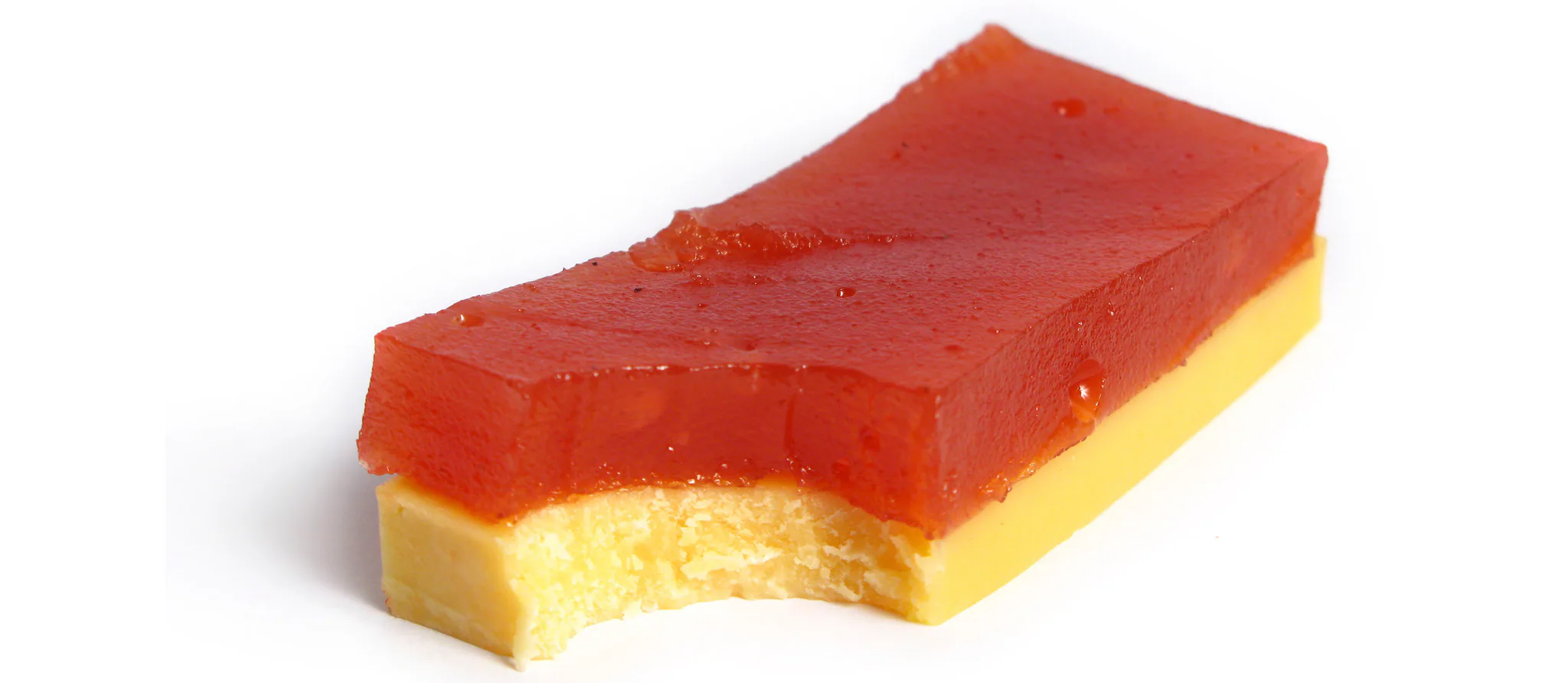
Thick slices of firm, salty cheese served with equally thick slices of dulce de membrillo, eaten together in one bite. Uruguay's simplest and most loved dessert, named after the gaucho hero of José Hernández's famous poem.
Martín Fierro (Uruguayan cheese with quince paste) is an Uruguayan dessert, ready in about 20 minutes and made with manchego cheese and quince paste (membrillo). It serves 4 and is rated beginner to cook.
- Prep
- 5 min
- Cook
- 0 min
- Rest
- 15 min
- Total
- 20 min
- Serves
- 4
- Level
- Beginner
- Calories
- 333
Main ingredients

Method
Step 1
Take the cheese out of the fridge 15 minutes before serving so it softens a little and its flavour opens up.
Step 2
Cut the cheese and quince paste (opens in a new tab) into slices of the same size, about 1 cm thick. Serve side by side or stacked, to be eaten in a single bite.
Dip the knife in hot water to cut the quince paste cleanly.
About this dish
- Origin
- Uruguay · Commonly attributedThe story goes that José Hernández, author of the epic gaucho poem 'Martín Fierro', always ordered cheese with quince paste after his meals, and the pairing took his hero's name. In Argentina the same dessert is called vigilante.Also popular in ArgentinaMore food from Uruguay
Uruguay - Dish
- Dessert · Snack · Desserts
- Cooking method
- No-cook
- Taste
- sweet & savoury, salty, fruity
- Diet
- Vegetarian (lacto-ovo) · No gluten ingredients · No nut ingredientsWorked out from the ingredients. How labels work
All labels
Vegetarian (lacto-ovo) · Eggetarian · Lacto-vegetarian · Pescatarian · Flexitarian-friendly · No gluten ingredients · Egg-free · No nut ingredients · Alcohol-free · Pork-free · Beef-free · Calorie-conscious - Good for
- Budget-friendly · Minimal cleanup
- Cook more with
- Manchego cheese · Quince paste (membrillo)
Allergens
- Contains: Milkfrom manchego cheese
Based on typical versions of these ingredients and not verified allergen-free. Brands differ and cross-contact happens, so always check labels. For severe allergies, follow your clinician’s advice.
Nutrition
333 kcal per serving
Estimated1 serving ≈ 100 g · recipe makes 4
Where the energy comes from
- Protein 19%
- Carbohydrate 44%
- Fat 37%
| Nutrient | Per serving | Per 100 g* |
|---|---|---|
| Energy | 333 kcal | 333 kcal |
| Protein | 16.1 g | 16.1 g |
| Carbohydrate | 36.2 g | 36.2 g |
| Net carbohydrate | 35.7 g | 35.7 g |
| Sugars | 24.6 g | 24.6 g |
| Added sugars | 22.5 g | 22.5 g |
| Fibre | 0.6 g | 0.6 g |
| Fat | 13.5 g | 13.5 g |
| Saturated fat | 8.6 g | 8.6 g |
| Trans fat | — | — |
| Cholesterol | 52 mg | 52 mg |
| Sodium | 733 mg | 733 mg |
| Salt equivalent | 1.8 g | 1.8 g |
Vitamins & minerals per serving
- Potassium
- 82 mg
- Calcium
- 542 mg
- Iron
- 0.6 mg
- Magnesium
- 23 mg
- Vitamin A (RAE)
- 48 µg
- Vitamin C
- 4 mg
- Vitamin D
- 0.3 µg
- Vitamin B12
- 0.6 µg
- Folate (DFE)
- 9 µg
How these numbers were made
- Calculated from USDA FoodData Central (SR Legacy) per-100 g values and the listed quantities.
- *Per 100 g of combined raw ingredients; the cooked dish may weigh more or less.
- Manchego cheese: Pecorino Romano (FDC 171249) used as a stand-in; Manchego is a pressed sheep's-milk cheese from La Mancha, a little lower in salt and slightly higher in moisture.
- Quince paste (membrillo): Jams and preserves (FDC 169641) used as a stand-in; quince paste is quince pulp cooked down with roughly its own weight of sugar until firm enough to slice.
- “—” means the value isn’t known for enough of the ingredients; it is never zero by default.
- Values are estimates for guidance, not for medical dosing. U.S. Department of Agriculture, Agricultural Research Service. FoodData Central, 2019. fdc.nal.usda.gov.
Good to know
Tips
- Choose a cheese salty enough to balance the very sweet paste.
Serve with
- At the end of an asado with coffee or a glass of Tannat.
Storage
- Wrap cut cheese and quince paste separately and keep refrigerated for up to 2 weeks.
Variations
- Vigilante (Argentina): The Argentine name, usually with a soft queso fresco or Port Salut and quince or sweet-potato paste.
- Postre balcarce style: With dulce de batata (sweet potato paste) and chocolate in place of membrillo.
Original editorial recipe · FriendsPantry editorial · source: TasteAtlas (dish facts) · Not yet independently reviewed · Added
Recipe DNA
How this dish is built
Grouped by each ingredient’s role in the dish. Each band’s width is its share of the dish by weight. Choose a component to see what it does.
Reviews & corrections
Reviews come from signed-in cooks and appear after a moderator checks them. We never show made-up ratings.
You might also like
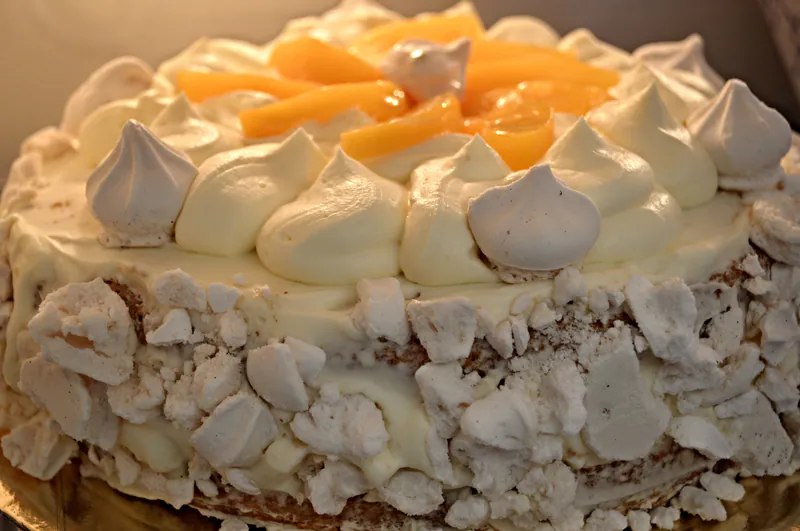
Chajá
 Uruguayan · 4 h 35 min · 351 kcal · Contains egg
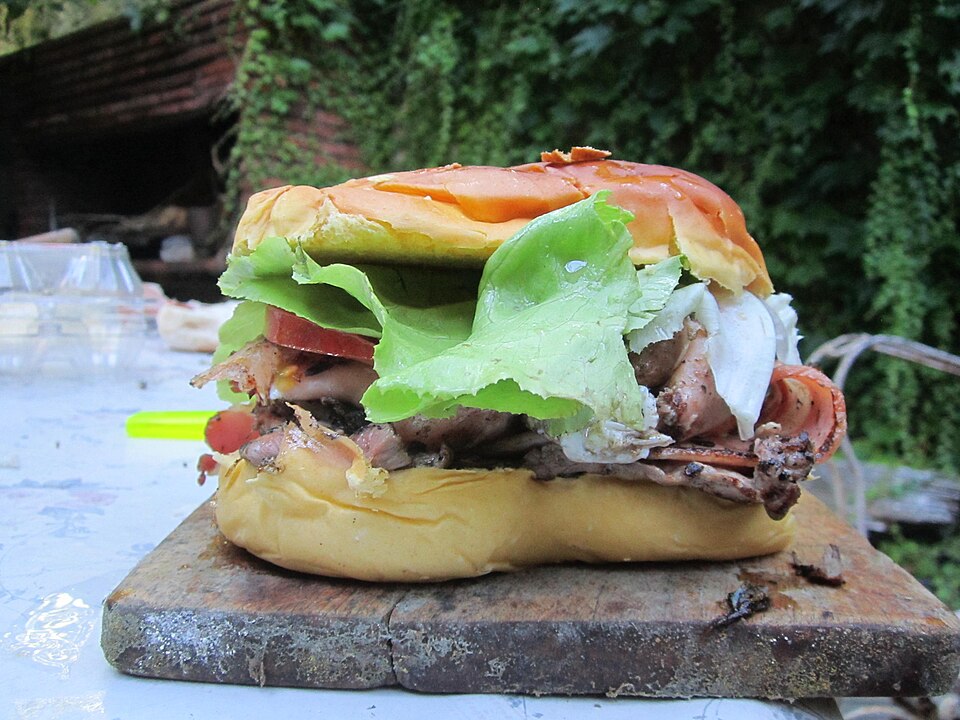
Chivito
Uruguayan · 35 min · 745 kcal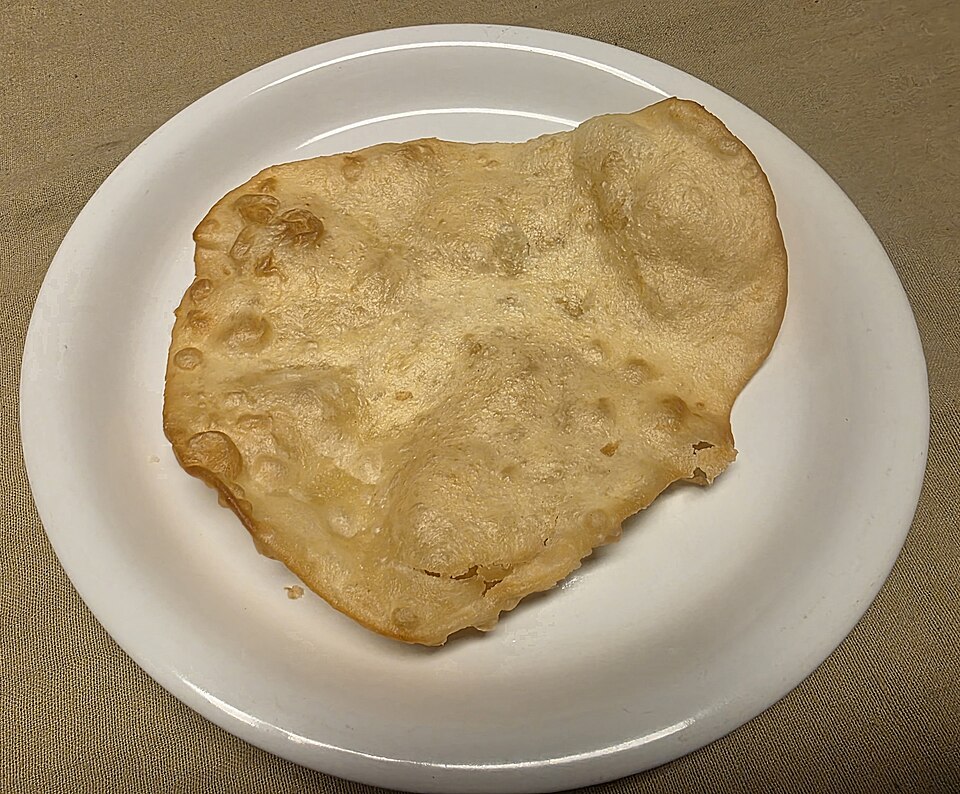
Torta frita
Uruguayan · 1 h · 482 kcal
Argentine asado
 Argentine · 2 h 5 min · 653 kcal