

Chajá
Contains egg (no meat or fish)
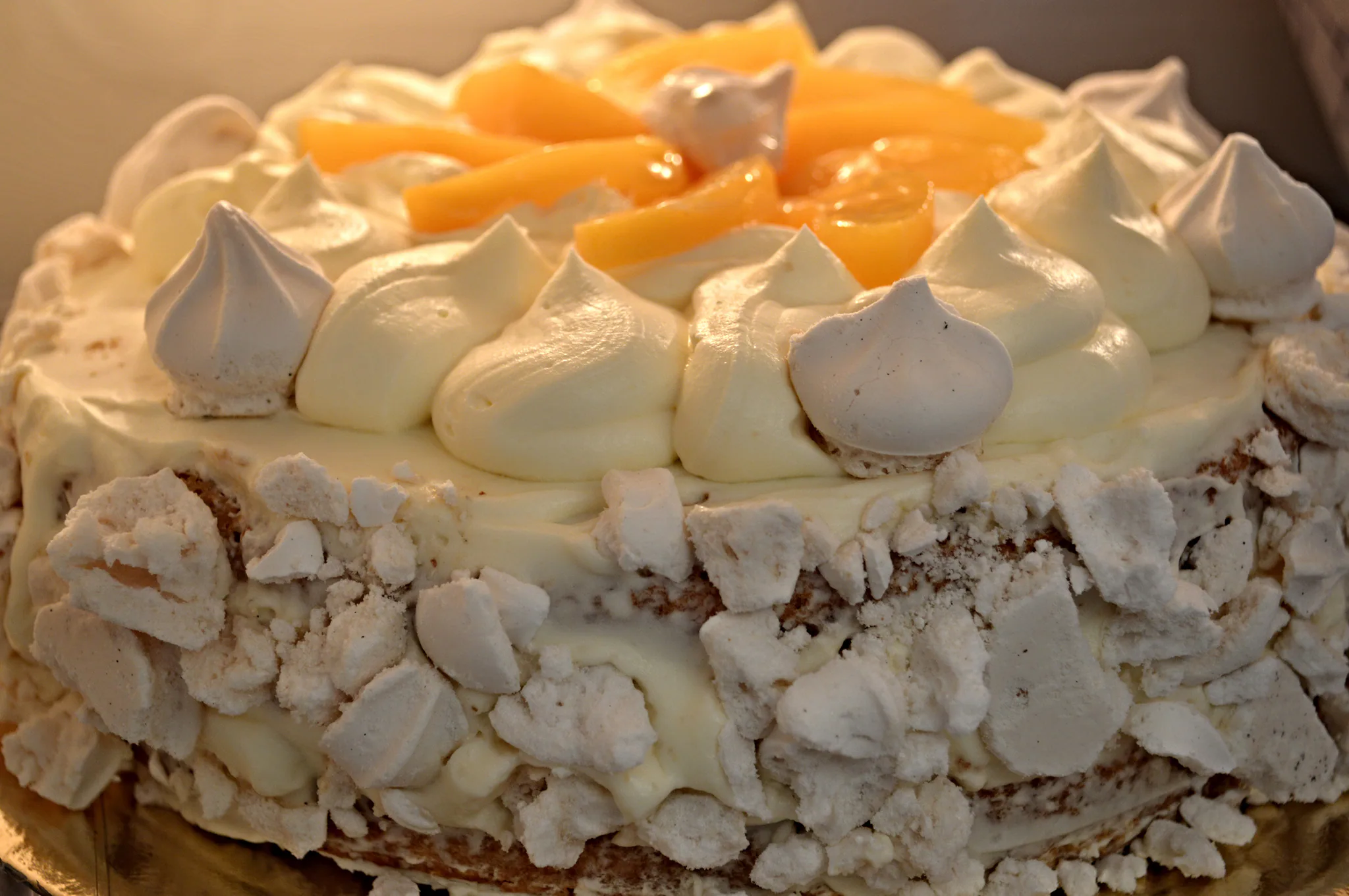
Uruguay's festive cake: light sponge moistened with syrup, layered with whipped cream and peaches and covered in crunchy pieces of meringue.
Chajá is an Uruguayan cake, ready in about 4 hours 35 minutes and made with heavy cream and peach. It serves 10 and is rated intermediate to cook.
- Prep
- 40 min
- Cook
- 1 h 55 min
- Rest
- 2 h
- Total
- 4 h 35 min
- Serves
- 10
- Level
- Intermediate
- Calories
- 351
Main ingredients
Ingredients
For the sponge
For the meringue
For the filling
For the syrup
Method
Meringue
1 h 35 minStep 1
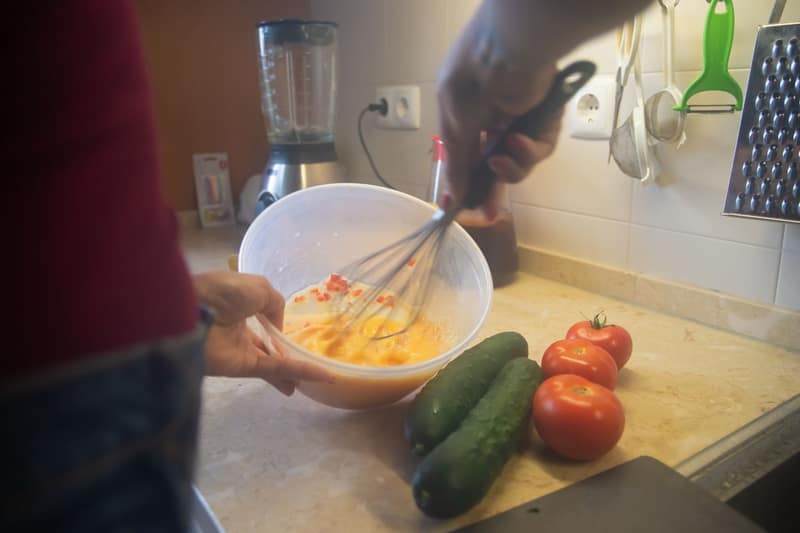
For the meringue, whisk the egg whites (opens in a new tab) to soft peaks, then add the sugar (opens in a new tab) gradually and whisk to a stiff, glossy meringue. Spread in rough mounds on a lined tray and bake at 100 °C for 1½ hours until dry and crisp. Cool and break into pieces.
- 95 min
- 100°C
- Stand mixer (opens in a new tab)
- Baking tray / sheet (opens in a new tab)
- Oven (opens in a new tab)
How it looks · Photo: Kampus Production on Pexels
Sponge
35 minStep 2
For the sponge, whisk the eggs (opens in a new tab) and sugar (opens in a new tab) for 8–10 minutes until pale, thick and tripled in volume. Gently fold in the sifted flour and pour into a lined 24 cm tin. Bake at 180 °C for 25 minutes until springy. Cool and slice into two layers.
Syrup
4 minStep 3
Simmer the water and sugar (opens in a new tab) for 2 minutes to make a syrup; cool.
- 4 min
- medium heat
- Saucepan (opens in a new tab)
Filling
19 minStep 4
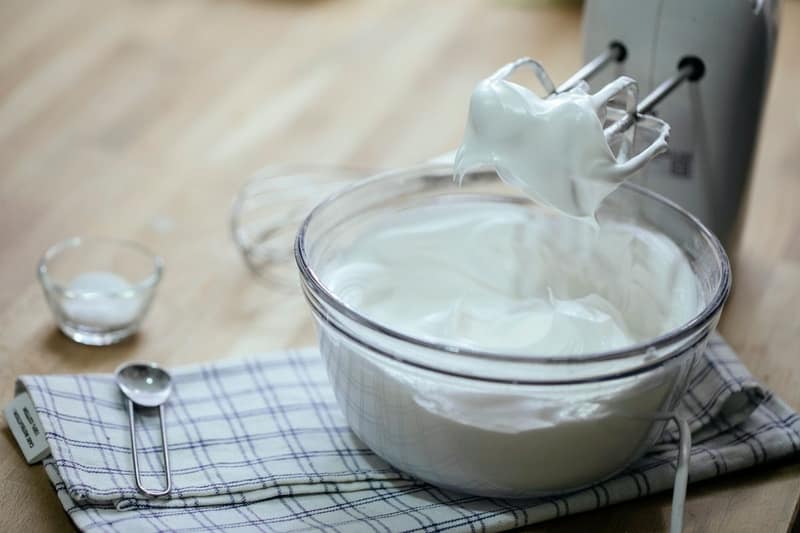
Whip the cream with the sugar (opens in a new tab) to soft peaks.
- 4 min
How it looks · Photo: Katerina Holmes on Pexels Step 5
Moisten the bottom sponge with half the syrup, spread with dulce de leche (opens in a new tab) (if using), cream, peaches (opens in a new tab) and a handful of crushed meringue. Top with the second layer, moisten with the rest of the syrup, cover top and sides with cream and press meringue pieces all over. Chill 2 hours.
- 15 min
At a glance
1 · Meringue in a bowl
 Egg white
 Sugar
then whisk
2 · Sponge in a bowl
- Egg
- Sugar
 All-purpose flour
then simmer
3 · Syrup in a pot
- Sugar
then whip
4 · Filling in a bowl
 Heavy cream
- Sugar
 Peach
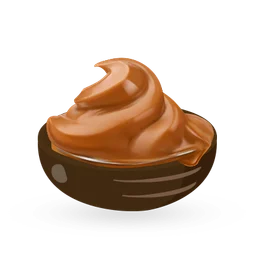 Dulce de leche
About this dish
- Origin
- Paysandú, Uruguay · Commonly attributedCredited to a confectioner in Paysandú and named after the chajá, a crested bird of the region.More food from Uruguay
Uruguay - Dish
- Dessert · Cakes · Desserts
- Cooking method
- Oven-baked, Whipped
- Taste
- sweet, creamy, fruity
- Diet
- Vegetarian (lacto-ovo) · No nut ingredientsWorked out from the ingredients. How labels work
All labels
Vegetarian (lacto-ovo) · Eggetarian · Pescatarian · Flexitarian-friendly · No nut ingredients · Alcohol-free · Pork-free · Beef-free · Low-sodium - Good for
- Festive & celebration · Make-ahead
- Cook more with
- Heavy cream · Peach · Egg · Sugar · All-purpose flour · Egg white
- Techniques
- Baking · Simmering · Emulsification
Allergens
- Contains: Milkfrom heavy cream, dulce de leche
- Contains: Eggsfrom egg, egg white
- Contains: Wheatfrom all-purpose flour
- Contains: Glutenfrom all-purpose flour
Based on typical versions of these ingredients and not verified allergen-free. Brands differ and cross-contact happens, so always check labels. For severe allergies, follow your clinician’s advice.
Nutrition
351 kcal per serving
Calculated1 serving ≈ 179 g · recipe makes 10
Where the energy comes from
- Protein 7%
- Carbohydrate 51%
- Fat 42%
| Nutrient | Per serving | Per 100 g* |
|---|---|---|
| Energy | 351 kcal | 197 kcal |
| Protein | 6.2 g | 3.4 g |
| Carbohydrate | 46.2 g | 25.9 g |
| Net carbohydrate | 45 g | 25.2 g |
| Sugars | 36.3 g | 20.3 g |
| Added sugars | 30 g | 16.8 g |
| Fibre | 1.2 g | 0.7 g |
| Fat | 16.6 g | 9.3 g |
| Saturated fat | 9.9 g | 5.5 g |
| Trans fat | — | — |
| Cholesterol | 120 mg | 67 mg |
| Sodium | 51 mg | 28 mg |
| Salt equivalent | 0.1 g | 0.1 g |
Vitamins & minerals per serving
- Potassium
- 204 mg
- Calcium
- 45 mg
- Iron
- 1.1 mg
- Magnesium
- 14 mg
- Vitamin A (RAE)
- 206 µg
- Vitamin C
- 4 mg
- Vitamin D
- 1 µg
- Vitamin B12
- 0.2 µg
- Folate (DFE)
- 49 µg
How these numbers were made
- Calculated from USDA FoodData Central (SR Legacy) per-100 g values and the listed quantities.
- *Per 100 g of combined raw ingredients; the cooked dish may weigh more or less.
- Optional ingredients are not included: dulce de leche.
- “—” means the value isn’t known for enough of the ingredients; it is never zero by default.
- Values are estimates for guidance, not for medical dosing. U.S. Department of Agriculture, Agricultural Research Service. FoodData Central, 2019. fdc.nal.usda.gov.
Good to know
Tips
- Shop-bought meringues are a perfectly acceptable shortcut.
Common mistakes
- Assembling too far ahead — the meringue softens after about a day.
Storage
- Refrigerate and eat within 24 hours.
Variations
- Chajá de frutilla (Uruguay): With strawberries instead of peaches.
Original editorial recipe · FriendsPantry editorial · Not yet independently reviewed · Added
Recipe DNA
How this dish is built
Baker’s notes
Customise in Bread & BakeryTimeline and readiness cues
Mix and knead · about 40 min
Whisk eggs and sugar until pale and thick enough to leave a ribbon trail for 3 seconds.
Rest · about 2 h
Covered so it doesn't dry out; relaxed dough rolls and shapes without springing back.
Bake · about 1 h 55 min at 180 °C
Springs back when lightly pressed and is just shrinking from the tin sides.
- Start to finish: about 4 h 35 min. Times are a guide — warmth changes everything; follow the cues.
If something goes wrong
Gummy or wet crumb
Likely causes
- Under-baked
- Sliced while hot
- Hydration too high for the flour
What to do
- Bake to 93–96 °C inside (cakes: clean skewer)
- Cool completely on a rack before slicing
- Reduce water by 3–5% or use a stronger flour
Collapsed or sunken middle
Likely causes
- Oven door opened too early
- Too much leavening or sugar
- Under-baked centre
- Over-proofed yeast dough
What to do
- Don't open the oven for the first two-thirds of baking
- Measure leaveners exactly with spoons, levelled
- Test the centre before removing
- Proof less
Pale crust
Likely causes
- Oven too cool
- Too little sugar or no milk/egg for browning
- Over-fermented (yeast ate the sugars)
What to do
- Check the oven with a thermometer
- Brush with egg wash or milk
- Shorten the fermentation
Burnt bottom
Likely causes
- Tray too close to the heat
- Dark tray absorbs more heat
- Too much sugar in the dough
What to do
- Bake on the middle shelf
- Double up trays or use a light-coloured one
- Lower the temperature 10–15 °C and bake a little longer
Cracked or domed top
Likely causes
- Oven too hot (crust sets before the centre rises)
- Too much leavening
- Overmixed batter
What to do
- Lower the oven 10–15 °C
- Use the exact leavening amount
- Fold just until combined
Big holes or tunnels
Likely causes
- Overmixed batter (cakes, muffins)
- Air trapped while shaping bread
- Uneven proof
What to do
- Mix quick breads only until no dry flour shows
- Degas gently and shape tightly
- Proof covered in an even, warm place
Dry or crumbly
Likely causes
- Too much flour (scooped, not weighed)
- Over-baked
- Too little fat or sugar
What to do
- Weigh flour, or spoon it into the cup and level
- Check 5 minutes early
- Don't cut fat or sugar by more than a quarter without another moisture source
Reviews & corrections
Reviews come from signed-in cooks and appear after a moderator checks them. We never show made-up ratings.
You might also like
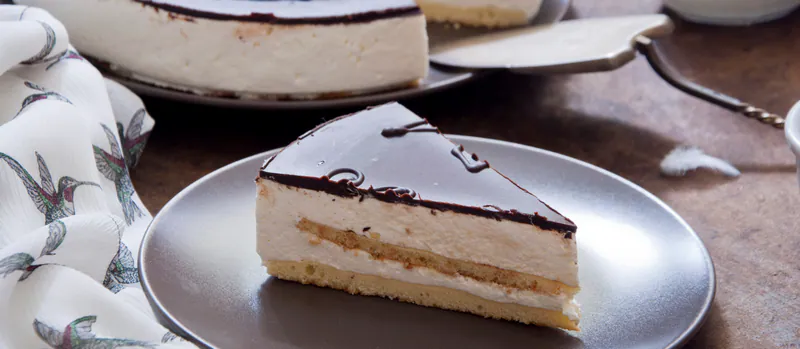
Ptichye moloko (Bird's milk cake)
 Russian · 6 h 15 min · 547 kcal · Contains egg
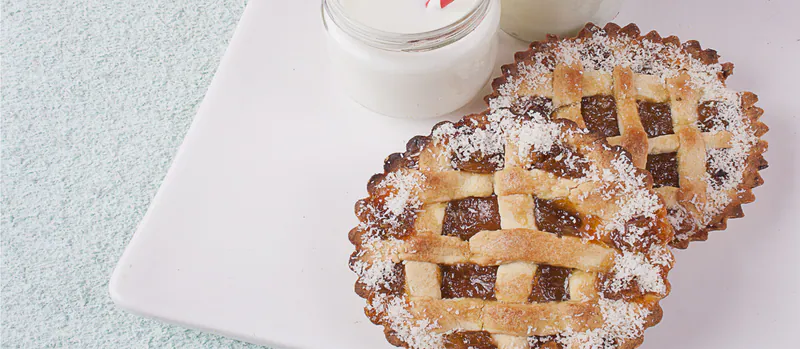
Pastafrola (quince lattice tart)
 Argentine · 2 h 10 min · 441 kcal · Contains egg
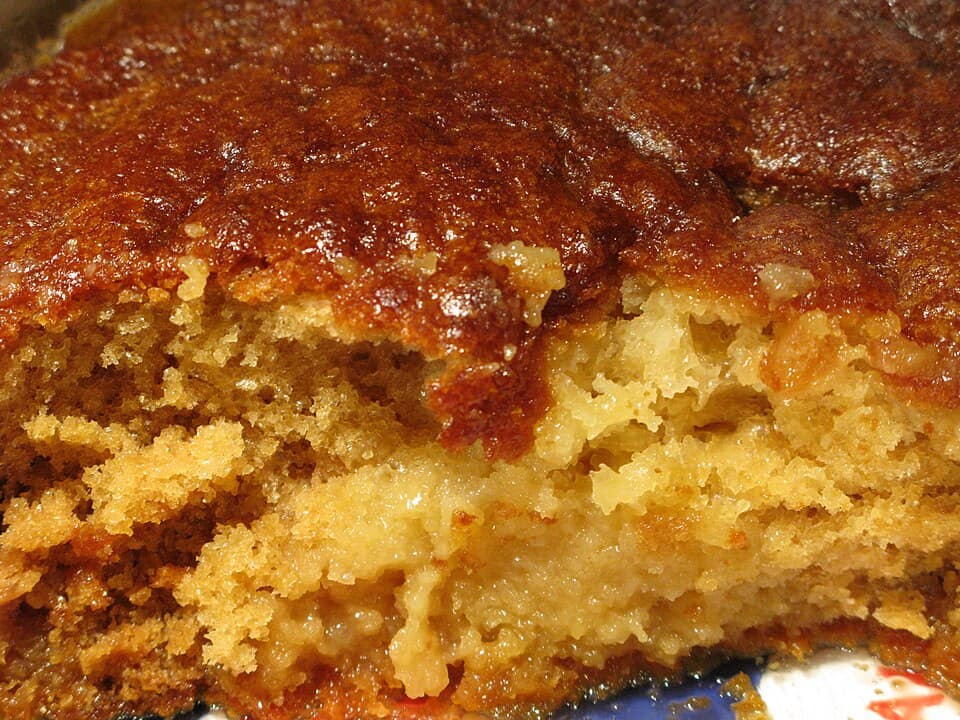
Malva pudding
 South African · 1 h 10 min · 489 kcal · Contains egg
Schwarzwälder Kirschtorte
 German · 4 h 25 min · 422 kcal · Contains egg