
Tiramisu
Contains egg (no meat or fish)
Tiramisù
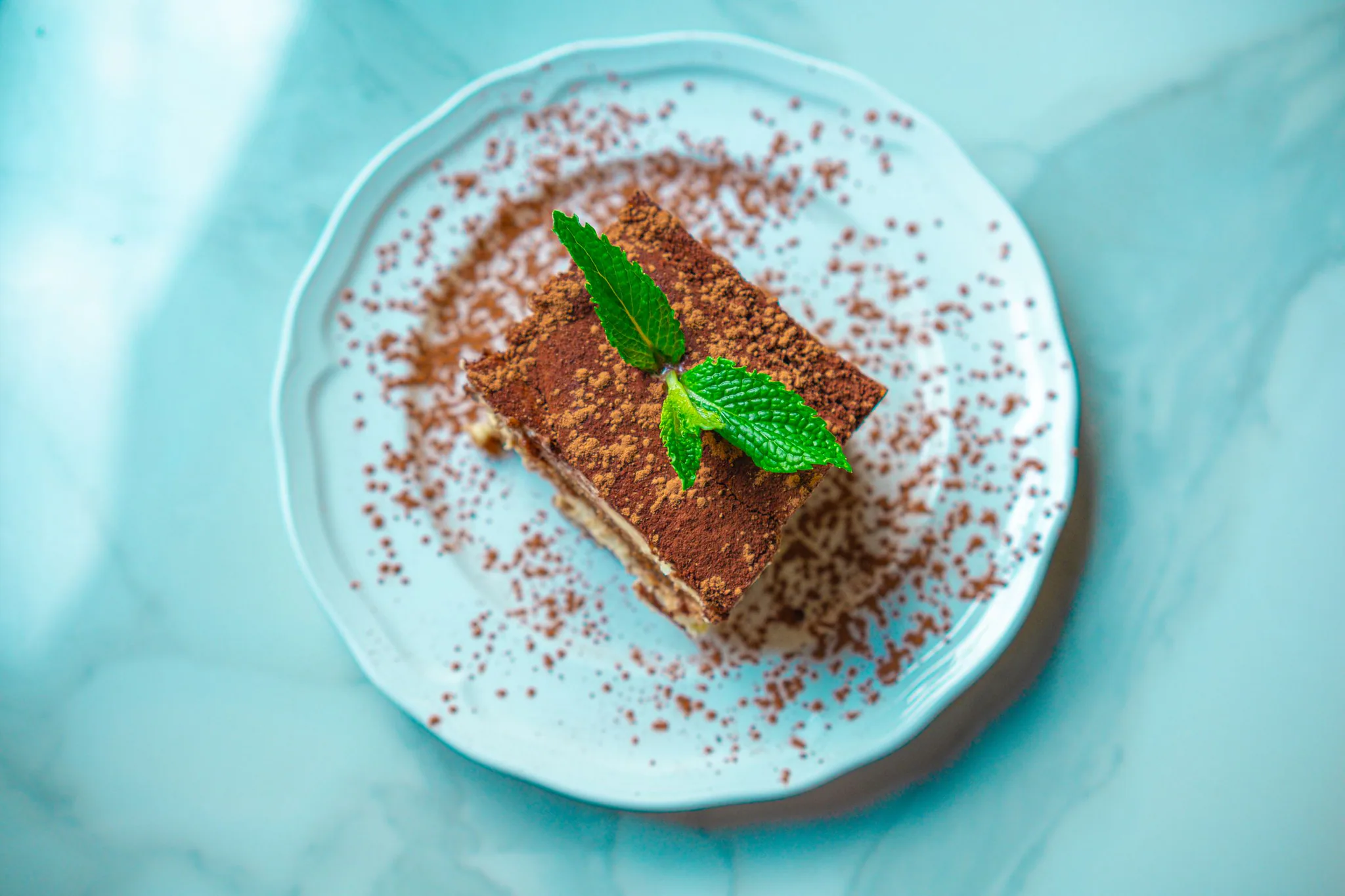
Layers of coffee-soaked ladyfingers and a light mascarpone and egg cream, chilled until set and dusted with cocoa.
Tiramisu is an Italian dessert, ready in about 6 hours 45 minutes and made with espresso, mascarpone and ladyfingers. It serves 8 and is rated intermediate to cook.
- Prep
- 30 min
- Cook
- 15 min
- Rest
- 6 h
- Total
- 6 h 45 min
- Serves
- 8
- Level
- Intermediate
- Calories
- 405
Main ingredients

Ingredients
Cooked egg cream
Italian meringue
Method
Cooked egg cream
12 minStep 1
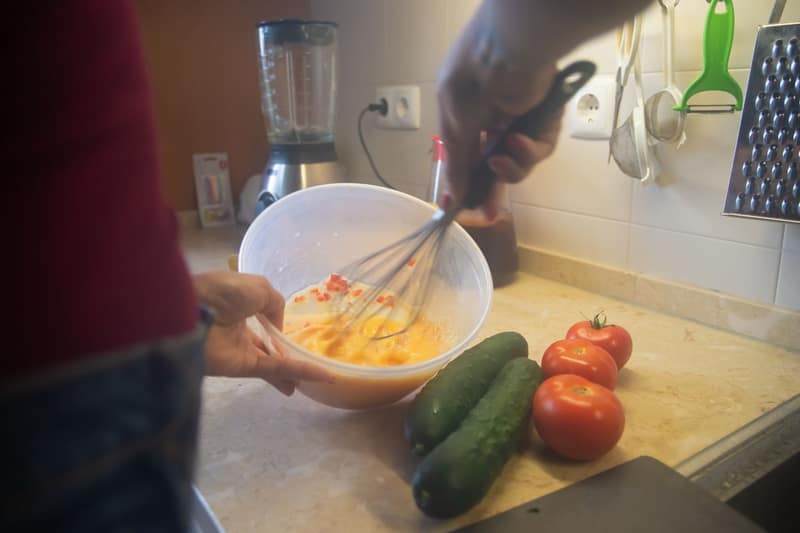
Set a heatproof bowl over a pan of barely simmering water, without the base touching the water. Add the egg yolks (opens in a new tab) and the 40 g sugar (opens in a new tab) and whisk (opens in a new tab) constantly for 5–8 minutes until the mixture is thick, pale and foamy and a thermometer reads 71 °C. Lift the bowl off the heat and keep whisking until it cools to room temperature.
- 10 min
- low heat
- Double boiler / bain-marie (opens in a new tab)
- Whisk (opens in a new tab)
- Food thermometer (opens in a new tab)
If the yolks start to catch, lift the bowl off the water for a few seconds while you keep whisking. Holding the mixture at 60 °C for at least 3½ minutes is an equally safe alternative to reaching 71 °C.
How it looks · Photo: Kampus Production on Pexels Step 2
Beat the mascarpone (opens in a new tab) into the cooled yolk mixture until smooth.
Italian meringue
25 minStep 3
Italian meringue: in a small pan, heat the 60 g sugar (opens in a new tab) with the water, stirring only until it dissolves, then boil without stirring to 118–121 °C. Meanwhile whisk (opens in a new tab) the egg whites (opens in a new tab) in a clean bowl to soft peaks. With the mixer running, pour the hot syrup onto the whites in a thin stream down the side of the bowl, then keep whisking for 4–5 minutes until the meringue is glossy, stiff and barely warm.
- 10 min
- medium heat
- Saucepan (opens in a new tab)
- Hand mixer (opens in a new tab)
- Food thermometer (opens in a new tab)
Food safety: Sugar syrup at 120 °C causes serious burns. Pour it away from the beaters so it doesn't spatter, and keep children clear of the pan.
Step 4
Fold the meringue gently into the mascarpone (opens in a new tab) cream in two or three additions until no streaks remain.
Step 5
Mix the cooled coffee with the liqueur, if using. Dip the ladyfingers (opens in a new tab) one at a time — just a second per side — and lay them in a single layer in a 20 × 30 cm dish.
Step 6
Spread half the cream over the biscuits, add a second layer of dipped biscuits and finish with the rest of the cream. Smooth the top.
- 5 min
Step 7
Cover and chill for at least 6 hours, preferably overnight. Dust thickly with cocoa just before serving.
- 1 min
At a glance
1 · Cooked egg cream in a bowl
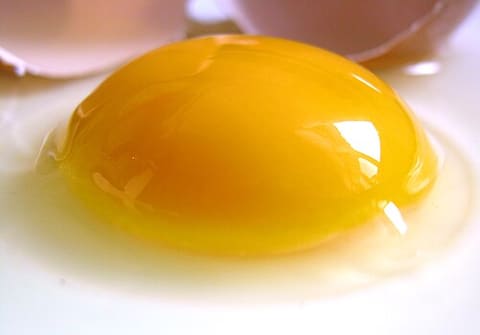 Egg yolk
 Sugar
 Mascarpone
then italian
2 · Italian meringue in a bowl
- Sugar
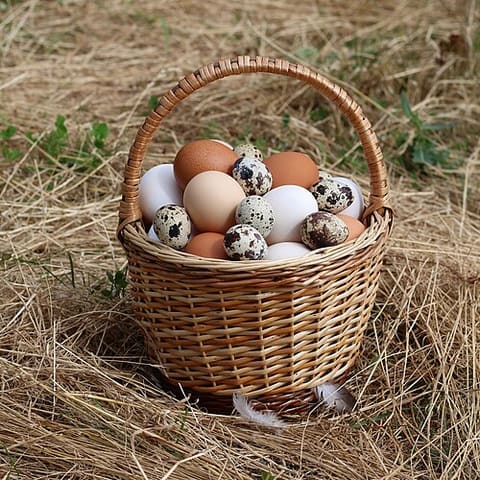 Egg white
About this dish
- Origin
- Veneto / Friuli-Venezia Giulia, Italy · Origin disputedItalian origin is clear; Treviso (Veneto) and Friuli-Venezia Giulia both claim to have invented it.Also popular in United States, United Kingdom, Germany, FranceMore food from Italy
Italy - Dish
- Dessert · Desserts
- Cooking method
- Whipped
- Taste
- sweet, creamy, bitter, rich
- Diet
- Vegetarian (lacto-ovo) · No nut ingredientsWithout the optional extras: Alcohol-freeWorked out from the ingredients. How labels work
All labels
Vegetarian (lacto-ovo) · Eggetarian · Pescatarian · Flexitarian-friendly · No nut ingredients · Pork-free · Beef-free - Good for
- Make-ahead · Festive & celebration
- Cook more with
- Espresso · Mascarpone · Ladyfingers · Egg yolk · Sugar · Egg white
- Techniques
- Simmering · Emulsification
Allergens
- Contains: Milkfrom mascarpone, ladyfingers
- Contains: Eggsfrom egg yolk, egg white, ladyfingers
- Contains: Wheatfrom ladyfingers
- Contains: Glutenfrom ladyfingers
Based on typical versions of these ingredients and not verified allergen-free. Brands differ and cross-contact happens, so always check labels. For severe allergies, follow your clinician’s advice.
Nutrition
405 kcal per serving
Estimated1 serving ≈ 161 g · recipe makes 8
Where the energy comes from
- Protein 9%
- Carbohydrate 33%
- Fat 58%
| Nutrient | Per serving | Per 100 g* |
|---|---|---|
| Energy | 405 kcal | 252 kcal |
| Protein | 9.3 g | 5.8 g |
| Carbohydrate | 34.1 g | 21.3 g |
| Net carbohydrate | 33.4 g | 20.8 g |
| Sugars | — | — |
| Added sugars | — | — |
| Fibre | 0.8 g | 0.5 g |
| Fat | 26.5 g | 16.5 g |
| Saturated fat | 14.4 g | 9 g |
| Trans fat | — | — |
| Cholesterol | 216 mg | 135 mg |
| Sodium | 260 mg | 162 mg |
| Salt equivalent | 0.7 g | 0.4 g |
Vitamins & minerals per serving
- Potassium
- 200 mg
- Calcium
- 88 mg
- Iron
- 1.5 mg
- Magnesium
- 47 mg
- Vitamin A (RAE)
- 271 µg
- Vitamin C
- 0 mg
- Vitamin D
- —
- Vitamin B12
- 0.5 µg
- Folate (DFE)
- 48 µg
How these numbers were made
- Calculated from USDA FoodData Central (SR Legacy) per-100 g values and the listed quantities.
- *Per 100 g of combined raw ingredients; the cooked dish may weigh more or less.
- Optional ingredients are not included: coffee liqueur.
- Mascarpone: Full-fat cream cheese used as a stand-in; mascarpone is richer (roughly 40–45% fat vs about 34%), so energy and fat are underestimated.
- “—” means the value isn’t known for enough of the ingredients; it is never zero by default.
- Values are estimates for guidance, not for medical dosing. U.S. Department of Agriculture, Agricultural Research Service. FoodData Central, 2019. fdc.nal.usda.gov.
Good to know
Tips
- Cold mascarpone straight from the fridge can turn grainy when beaten — let it warm slightly.
- Shortcut: with pasteurised eggs you can skip the cooking — whisk the yolks with 80 g sugar until pale, beat in the mascarpone, then fold in the whites whipped to soft peaks.
Common mistakes
- Soaking the ladyfingers too long, which makes the dessert soggy and watery.
- Folding mascarpone into a still-warm yolk mixture, which melts it and leaves the cream runny.
Food safety
- Both egg components are heat-treated: the yolks to 71 °C over the bain-marie and the whites by the 118–121 °C syrup. If you take the raw-egg shortcut, use only pasteurised eggs.
- Keep refrigerated and eat within 2 days.
Storage
- Keep covered in the fridge for up to 2 days.
Variations
- Egg-free tiramisu: Replace the egg cream with mascarpone beaten with sugar and lightly whipped cream.
Original editorial recipe · FriendsPantry editorial · Not yet independently reviewed · Added
Recipe DNA
How this dish is built
Reviews & corrections
Reviews come from signed-in cooks and appear after a moderator checks them. We never show made-up ratings.
You might also like
Zuppa inglese (Italian custard and alchermes trifle)
 Italian · 6 h 50 min · 517 kcal · Contains egg
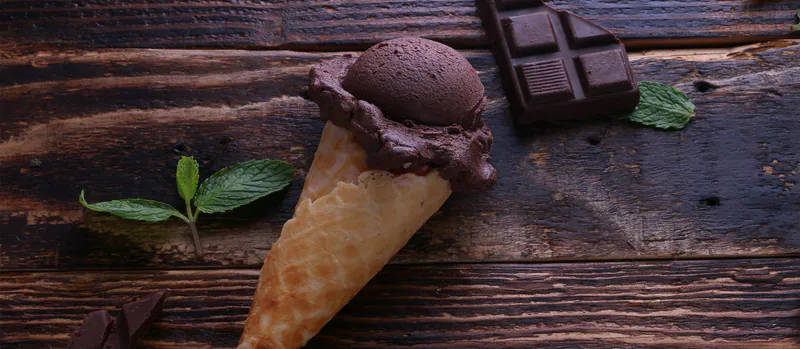
Gelato al cioccolato fondente (dark chocolate gelato)
Italian · 5 h 30 min · 412 kcal · Contains egg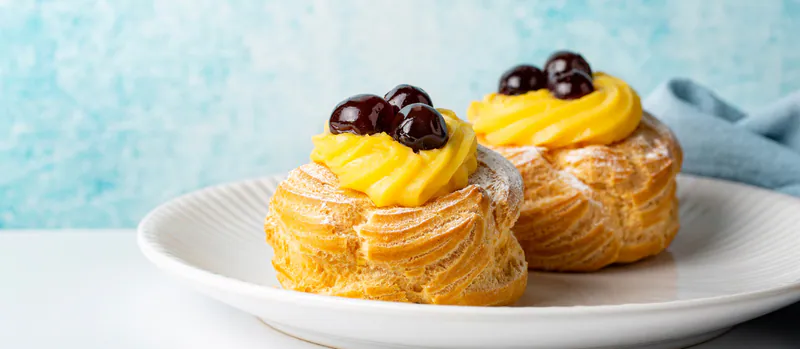
Zeppole di San Giuseppe
Italian · 3 h 20 min · 267 kcal · Contains egg
Tartufo di Pizzo (hazelnut and chocolate gelato ball with molten centre)
Italian · 7 h 25 min · 724 kcal · Contains egg