A cured beef from the province of León, made from cuts of the leg and sirloin that are salted, cured, dried and smoked over local oak for seven months or more. Dark brown outside and deep red within, it has a beefy, smoky flavour and a smooth, succulent texture.
PDO · DOPProtected Designation of Origin (locally DOP)Jamón
Ham and shoulder from pure-bred Ibérico pigs, linked to Guijuelo in the province of Salamanca. Legs weigh over four kilos and are cured for at least 18 months, shoulders for 12; sliced thin, the bright red meat with streaks of fat tastes sweet, savoury and nutty.
PDO · DOPProtected Designation of Origin (locally DOP)Jamón
Named after a village in Huelva's Sierra de Aracena, this Ibérico ham or shoulder comes from pure Iberian pigs or crosses that are at least three-quarters Iberian. The breed's fat threads through the muscle, giving marbled, juicy meat, and the pigs are raised on the dehesa woodland pastures.
The top grade of Spanish Ibérico ham, from purebred black Iberian pigs that roam oak pastures and fatten on acorns. Only pigs reared in approved areas under strict rules earn the black label, and the salted, air-dried legs are usually aged for around three years.
Made only in the municipality of Serón in Almería, this ham uses pigs of breeds such as Duroc, Large White, Landrace and Chato Murciano. Cured and dried for over 16 months, it has fat running through rosy-red meat, making it juicy, glossy and sweet-savoury with nutty notes.
PDO · DOPProtected Designation of Origin (locally DOP)Jamón
Cured hams and shoulders from Duroc, Landrace and Large White pigs raised in the province of Teruel in Aragon. At the end of curing the mould-covered surface is cleaned and lightly oiled; the cut meat is red, glossy and juicy, with nutty, woody aromas and a sweetish edge.
Spain's Iberian ham is cured from the hind leg of the native Iberian pig, chiefly in Extremadura and Andalusia, around Salamanca and in parts of Castilla-La Mancha. The breed lays down fat in a distinctive way, which lets the legs be salted and air-dried over long periods without spoiling.
This grade of Spanish ham comes from Iberian pigs that are 75% or 50% pure breed, usually crossed with Duroc. In their last months the animals roam oak pastures feeding on acorns during the montanera, and the finished legs carry a red label.
A Spanish cured ham made in four stages: salting, washing, a second salting phase and a long drying period. With the skin removed, it matures for over a year, giving pink to purple slices that are only lightly salty, with sweet, woody and nutty notes.
A Spanish cured pork loin made from pure-bred Iberian pigs, with intense flavour and even marbling. Because these pigs are small, the loins are shorter and narrower; it is sliced thin and served with bread and olive oil or wrapped around cheese or fruit.
Cured pork jowl from Italy, rubbed with salt and pressed, with a high ratio of fat to lean. It tastes richer and sweeter than pancetta or bacon and renders to a silky tenderness, making it essential to Roman pastas such as carbonara and amatriciana.
Italian cured pork belly, salted and sometimes seasoned with fennel, pepper or nutmeg, then dried for months. Unlike bacon it is usually not smoked. Northern Italy favours a rolled version, while the centre and south keep it flat; it is widely diced into sauces and pasta dishes.
PDO · DOPProtected Designation of Origin (locally DOP)Dry-cured Ham
A dry-cured Italian ham made around Parma from Large White, Landrace and Duroc pigs reared in ten northern and central regions. The pigs are fed grains, cereals and whey left over from Parmigiano Reggiano making, which shapes the flavour of the meat.
PDO · DOPProtected Designation of Origin (locally DOP)Dry-cured Ham
A dry-cured ham from the hills around San Daniele in Friuli, where Alpine winds meet Adriatic air. Only sea salt is used for curing, and the ham is darker, sweeter and more delicate than many other Italian prosciutti.
PDO · DOPProtected Designation of Origin (locally DOP)Dry-cured Ham
A dry-cured ham made only from pigs born, raised and slaughtered in Tuscany, each leg with proof of origin. The hams are salted and air-cured for roughly 12 to 16 months and, unlike many Italian hams, may be seasoned with natural spices and herbs.
PGI · IGPProtected Geographical Indication (locally IGP)Italian traditional product (PAT)Italian traditional product (PAT)Bacon
A smoked and cured ham from the province of Bolzano in South Tyrol, where Alpine and Mediterranean food traditions meet. Smoked lightly over low-resin wood before curing, it tastes milder than heavily smoked northern hams yet fuller than delicate prosciutto.
Slovenia's Karst ham is an unsmoked, dry-cured leg of pork whose drying and ageing are shaped by the Karst region's climate. Producers still salt and mature it by traditional methods, a practice going back more than a century.
A pear-shaped dry-cured ham from Prekmurje in north-eastern Slovenia. Pork legs with skin and fat are salted and spiced, smoked, then coated in a paste of buckwheat flour, red pepper and spices before maturing for at least six months in the dry winter air.
A dry-cured ham from the Vipava Valley in Slovenia, made from pig legs with the skin left on. Seasoned with sea salt and air-dried for months, it weighs over 6 kilos on the bone and slices deep ruby red, drier and saltier than many other hams.
A cured meat from the Upper Savinja Valley in Slovenia, made by stuffing a pig's stomach with finely chopped pork and bacon in an 80:20 ratio, flavoured with garlic, pepper and salt. It is pressed for a few days, then dry-cured for three to six months.
Named after the town of Elena in northern Bulgaria, this is pork tenderloin that is salted and dried raw. The fillets mature in controlled conditions where natural microflora develop the aroma, and they are pressed repeatedly in wooden presses to give a flattened shape.
A Bulgarian raw-cured meat made from pork collar, pressed repeatedly while drying so that it takes on a flat shape. A coating of herbs and spices including red pepper, fenugreek and garlic forms a brownish-red crust over red meat marbled with pale fat.
Bulgarian air-dried raw beef, a tradition dating back to the nineteenth century; the Turkish-derived name means pressed, salted dried meat. Only fresh beef and salt may be used, with no added spices, and the key step is careful drying under controlled conditions.
Dalmatia's bone-in ham is dry-salted, pressed and seasoned, then wood-smoked and air-dried for a year or more. Unlike Italian prosciutto it is smoked, and the cold, dry Bora wind shapes its maturing; it is served in thin slices with bread, cheese or melon.
This Croatian ham comes from the area around Drniš, where a sub-Mediterranean climate sets it apart from Istrian and Dalmatian hams. Local legs weighing over 11 kilograms are salted, pressed, cold-smoked and wind-dried for at least 12 months.
Istria's ham differs from many others because it is neither smoked nor cured with its skin, which is removed with the outer fat. The leg is rubbed with coarse salt, pressed, coated with black pepper, garlic and herbs, wind-dried and then matured further, and is served thinly sliced.
PDO · DOPProtected Designation of Origin (locally DOP)Dry-cured Ham
A cured ham from the town of Barrancos in south-eastern Portugal, made from Alentejo pigs that roam oak woods eating acorns and grass. Hot summers, humidity and steady winds suit natural air-drying of the legs.
PGI · IGPProtected Geographical Indication (locally IGP)Dry-cured Ham
A smoked ham from Vinhais in the Bragança district, made from hind legs of Bísaro pigs. The legs are pressed to remove fluids, salted, coated with paprika, oil and lard, and smoked gently over oak or chestnut. The meat ranges from pink to deep red.
PDO · DOPProtected Designation of Origin (locally DOP)Dry-cured Ham
A Portuguese cured meat made from the hind legs and the shoulders of Alentejo-breed pigs, raised across districts including Évora, Beja, Portalegre and Faro. Hot, dry summers and cold winters allow it to be dried naturally, with no smoke or other outside heat.
A Flemish dry-cured ham from Ghent whose only ingredients are pork from Belgium and dry sea salt, with no additives. The legs are salted twice over several weeks, rested for about eight weeks and then dried for 10 to 16 months to develop colour and flavour.
PGI · IGPProtected Geographical Indication (locally IGP)Dry-cured Ham
This Belgian ham comes from the Walloon provinces of Luxembourg, Liège and Namur. Each leg is dry-salted and then brined with thyme, bay, juniper and cloves before being slowly smoked over oak or beech sawdust; it is sold bone-in or as boneless cuts.
A Kazakh preserved horse product made from the thick layer of fat along the neck and mane. Cut in long strips, it is salted and dried so that it keeps its shape, and it is valued as a rich speciality within the steppe tradition of horse-based cooking.
A Kazakh preserved horse meat made from a whole lean cut of the upper hind leg. Salting and drying let it keep and travel without spoiling, and it is served mainly to guests and at ceremonial meals rather than as everyday food.
Smoked dried meat from the Zlatibor area of western Serbia, named after the market town of Užice. Beef, pork or mutton can be used, but beef is the classic choice: choice cuts from mature oxen are salted and then smoked.
Smoked dried meat from the Zlatibor mountains in Serbia, closely linked with the village of Mačkat. Beef or pork is salted, cold-smoked over beech and air-dried for about a month, turning dark brown outside and deep red within with a rich, smoky taste.
Andean dried meat whose Quechua name means 'dry and thin': skinned strips of meat are salted and then hung outside in sun and wind for two weeks or longer. Lean and high in protein, it is made in several South American countries, and the sheep's meat version is called chalona.
Bosnian dried beef made by salting dense cuts and then cold-smoking them, traditionally over local beech wood. The finished meat has a dark mahogany surface and a pronounced salty, smoky taste, a method developed so mountain households could keep beef through winter.
A Canadian deli meat from Montreal, akin to pastrami and corned beef. Beef brisket is cured for a week or longer with spices such as black pepper, coriander, mustard seed and garlic, then hot-smoked and finally steamed until tender.
Cypriot lountza is pork tenderloin marinated in red wine, seasoned with coriander seed and other spices, then smoked; it is closely associated with Pitsilia. It is usually fried or grilled for breakfast or tucked into pitta with grilled halloumi, tomato and cucumber.
A Czech cooked and smoked ham sold on the bone, boned or tinned. The bone-in version weighs no more than 10 kilograms and has golden-yellow skin on one side. The meat slices pink, firm and tender with a salty, smoky taste.
Finnish cold-smoked reindeer meat from animals grazing freely on Lapland's natural pastures and parts of northern Oulu. Cuts such as rounds, chucks and fillets are salted and then matured for about a week in cold-smoking rooms.
PGI · IGPProtected Geographical Indication (locally IGP)Dry-cured Ham
A boneless cured ham from the Vendée in western France, made from outdoor-reared pigs. The meat is rubbed with sea salt, brandy and a mix of cinnamon, pepper, thyme and bay, then wrapped in cloth and pressed between boards for about three months; smoking is optional.
Montenegrin dry-cured ham from the village of Njeguši, rubbed with sea salt, pressed to remove moisture, smoked over beech wood and dried in cool mountain air. The process takes about a year, and the ham is sliced thin to eat with cheese, bread or salads.
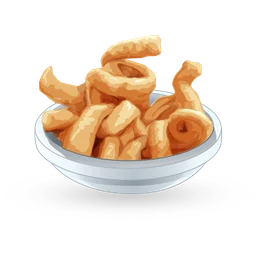
Pork cracklings popular across the Balkans and southeastern Europe, made by frying cubes of pork fat in their own melting lard until only crisp pieces remain. Cooks stir constantly, often adding milk for a caramel colour, plus salt and sometimes garlic or onion.
Air-dried beef from the Swiss canton of Valais, made solely from beef reared and slaughtered within Switzerland. Leg cuts are salted, seasoned with herbs and spices and hung in mountain air for five to six weeks, ending up lean, purplish-red and thinly sliced.
This Turkish cured beef comes from Afyonkarahisar in the Aegean region. The meat is salted, rinsed, dried and pressed for about two weeks, then thickly coated in çemen, a red paste of fenugreek, garlic, hot paprika and cumin, before a final air-drying. It is a favourite with eggs at breakfast.
These are the European Union’s protected food names (the UK and Switzerland run matching schemes). A registered name can only go on products made the registered way — so “Parmigiano Reggiano” on a label is a promise about place and method, not just a style.
PDOProtected Designation of OriginProtected Designation of Origin
Every stage — producing the raw material, processing and preparing it — happens in one defined area, following a registered method. The strongest link between a food and its place.
At least one stage of making the food happens in the named area, and its reputation or character comes from that place. Raw materials may come from elsewhere.
Protects a traditional recipe or method rather than a place: it can be made anywhere, as long as the registered method is followed.
On packs you will often see the local abbreviation instead: DOP (Italy, Spain, Portugal), AOP or AOC (France, Switzerland), IGP for PGI, and wine terms such as DOC and DOCG. We show both. Slow Food Presidia and the Ark of Taste are listed too: they mark endangered traditional foods, not legal name protection.

 Province of León,Spain