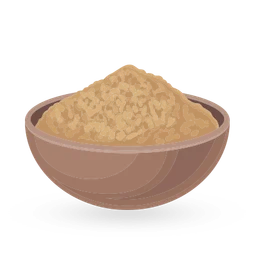
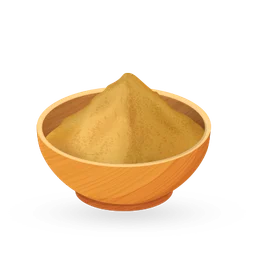
Unripe mangoes are sliced, sun-dried and ground to make this tangy Indian powder, also used in Pakistan. Especially in northern Indian vegetarian cooking it supplies sourness much as lemon or vinegar would, and it suits curries, dals, pickles, chutneys and marinades for chicken or fish.
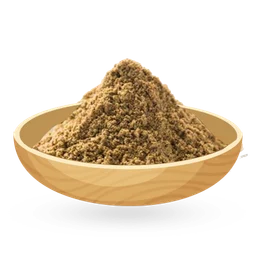
A tangy spice blend used across India, Pakistan and Bangladesh, typically of coriander, cumin, asafoetida, red chilli, tamarind, amchur and kala namak, the black salt that gives its unusual smell. It keeps for about three months sealed and is sprinkled over many Indian snacks.
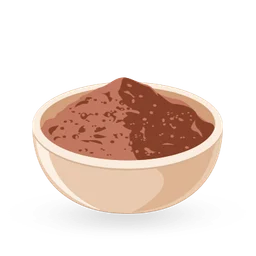
A fragrant ground spice mix from northern India, typically featuring cumin, coriander, cardamom, cinnamon, cloves, bay leaf and peppercorns. Its name means hot spices, recipes vary by region, and it is usually stirred in near the end of cooking to keep its aroma.
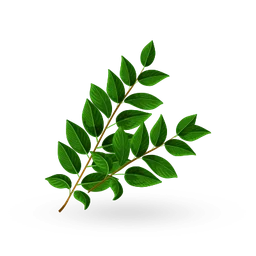
Glossy dark green leaves from the curry tree, which grows wild in India and Sri Lanka, that give off a nutty fragrance when fried in oil. A staple of South Indian cooking, they are used much like bay leaves to flavour rice, dals, chutneys, soups and stews.
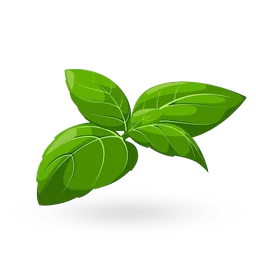
Also known as tulsi, this Indian basil has purple-tinged green stems and violet flowers, and it is noticeably more peppery than other basils. Its leaves are a staple in many Thai dishes, and the plant is widely used in traditional medicine.
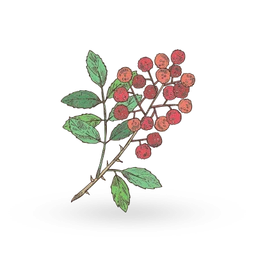
Rather than a true pepper, huājiāo is the dried husk of the prickly ash seedpod, prized in Sichuan province. It leaves a numbing, tingling feeling on the tongue and, paired with chilli, creates the famous málà taste at the heart of Sichuan cooking.
Chinese five-spice powder combines fennel seed, cinnamon, cloves, Sichuan pepper and star anise. The blend is meant to balance sweet, salty, bitter, sour and savoury tastes, and is used in marinades, dry rubs, glazes, stir-fries, stews and coatings for fried food.
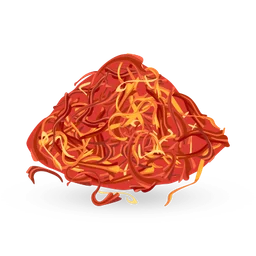
Greek saffron from the Kozani area of West Macedonia, made from the dried red stigmas of the saffron crocus. Yields are tiny, with around 150,000 flowers needed for one kilogram of dried stigmas, and annual output depends on the weather.
PDOProtected Designation of OriginNatural Gum/Resin
Chios mastic is a natural resin collected from the mastic tree, Pistacia lentiscus, in the so-called mastic villages of southern Chios. It forms tear-shaped droplets, earning it the name tears of Chios, and its production is costly and labour-intensive.
PDO · DOPProtected Designation of Origin (locally DOP)Basil
A cultivar of sweet basil grown in Liguria, around Genoa, Imperia and Savona, with a strong clove-like scent. It is the essential herb in pesto alla Genovese and is nearly always used fresh, stirred into dishes at the very end to keep its fragrance.
A seasoning paste from the village of Grosio in Lombardy, pounded in a mortar from garlic, salt, pepper and mountain herbs such as alpine yarrow and wild thyme, sometimes with juniper or cinnamon. The name means beaten, and the mix is strongly aromatic and slightly hot.
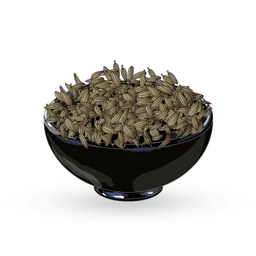
Women in the village of Alnif, at the foot of Morocco's eastern Anti-Atlas, harvest this cumin in late spring. The cut plants are dried and beaten to free the seeds, which are then sifted through palm-leaf baskets. Strongly aromatic and long-keeping, it seasons couscous, tagines and soups.
Saffron grown around the village of Taliouine on a plateau some 1,300 to 1,500 metres up in Morocco's Souss-Massa region, by a small group of cooperative members. Harvested in October and November, it is less vivid in colour than some saffrons but stronger in aroma.
Pepper from the Kamchay and Lampong varieties of Piper nigrum, grown in Kampot and Kep provinces in southern Cambodia. It is sold in four forms, green, black, white and red; the black kind ranges from sweet to very spicy, with hints of mint, flowers and eucalyptus.
Slow Food PresidiumSlow Food PresidiumSlow Food Ark of TasteSlow Food Ark of TasteSpice Blend and Seasoning
Merkén is a smoky Chilean seasoning from Araucanía based on goat's horn chilli peppers, which are sun-dried, smoked over a wood fire and dried again. The ground pepper is mixed with smoked coriander seed and sea salt and must make up at least 70% of the blend.
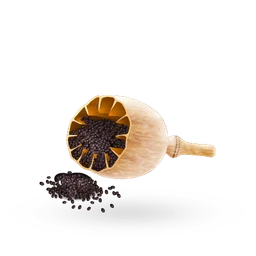
Blue poppy seed of the Papaver somniferum species, grown in the Czech Republic, a major producer. With a strong, floral flavour, it is central to Czech cooking, filling pancakes, strudels and kolače pastries and topping noodles and dumplings.
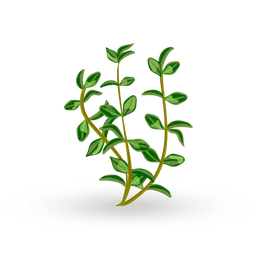
Thyme gathered in Provence, where it is known as farigoule, and a key part of bouquet garni and herbes de Provence. Highly fragrant with a lemony finish, it brightens stews, sauces, marinades and soups, and pairs well with tomatoes, roast poultry and grilled goat's cheese.
A Georgian dried spice mix built on fenugreek and coriander, with dill, mint, bay, peppercorns and marigold petals. Warm, slightly bitter, nutty and herbal, it seasons stews and meat dishes and also works well with roasted vegetables and bean soups.
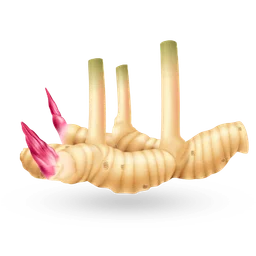
A root related to ginger, with a hard, woody skin and a sharp, citrusy aroma inside. Common in Thai and Indonesian kitchens, it is a key component of Thai curry pastes and is sold fresh, dried or ground; the greater variety is milder, while the lesser one is native to China.
A top commercial grade of Iranian saffron from the Khorasan region, made of long, thick threads that are entirely red with no yellow style. It gives strong colour and a floral, honeyed, slightly hay-like aroma, and its threads are longer and more even than Negin or Sargol grades.
These green Japanese peppercorns, a relative of Sichuan pepper, bring a floral, citrusy tang and are one of the components of the seven-spice mix. Cooks sprinkle sansho over grilled eel, fish and barbecued meats, and it sits well alongside ginger and sesame.
A Levantine seasoning built on dried thyme or similar herbs mixed with sumac, toasted sesame and salt. Earthy, tangy and nutty, it is closely linked to Lebanon, Syria, Jordan and Palestine, and in Arabic the same word names both the herb and the blend.
Slow Food PresidiumSlow Food PresidiumSlow Food Ark of TasteSlow Food Ark of TasteVanilla
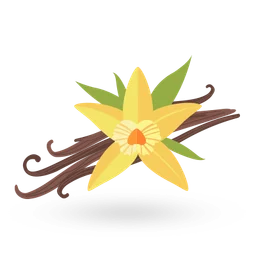
In the forests of Chinantla in Oaxaca, wild vanilla orchids climb trees such as cocoa, citrus and calabash. After picking, the pods are bagged and sunned for a few hours each day over about two weeks, turning soft, coffee-coloured and fragrant.
PDO · DOPProtected Designation of Origin (locally DOP)Saffron
Saffron from Castilla-La Mancha, made from the dried stigmas of Crocus sativus, a labour-intensive job that keeps it costly. It has a floral, faintly bitter taste and turns food a bright golden yellow, and is only sold as whole threads, never ground, to protect its flavour.
Bark from a tree native to Sri Lanka, once called Ceylon. Compared with the more common cassia, it tastes gentler and sweeter, and unlike cassia it contains no coumarin, though it is usually more expensive.
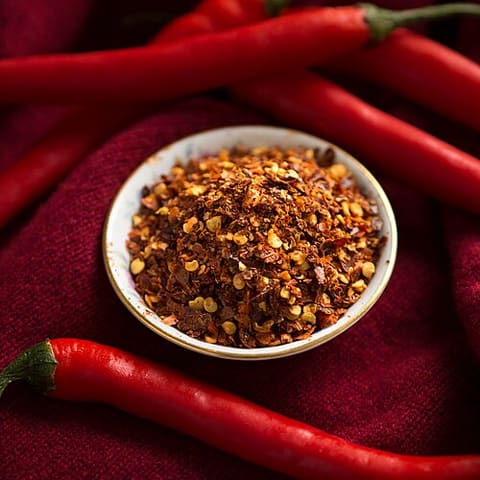
Dried chilli flakes from Urfa in south-east Turkey, deep burgundy and uneven in size. The ripe peppers dry in the sun by day and are wrapped up at night to keep their oils, then coarsely ground with salt, giving a sweet, sour and smoky flavour.
Vietnamese cinnamon from the bark of the Cinnamomum loureiroi tree, a cassia type with a very strong flavour from its essential oils. Like other cassias it is high in coumarin, so it is best used in moderation. It flavours baking, curries and other savoury dishes.
A basil native to Southeast Asia with narrow leaves, purple stems and flowers, and a spicy, aniseed flavour. It holds up better than sweet basil to heat and long cooking, so it is widely used in Thai and Vietnamese dishes such as pho and basil chicken.
These are the European Union’s protected food names (the UK and Switzerland run matching schemes). A registered name can only go on products made the registered way — so “Parmigiano Reggiano” on a label is a promise about place and method, not just a style.
PDOProtected Designation of OriginProtected Designation of Origin
Every stage — producing the raw material, processing and preparing it — happens in one defined area, following a registered method. The strongest link between a food and its place.
At least one stage of making the food happens in the named area, and its reputation or character comes from that place. Raw materials may come from elsewhere.
Protects a traditional recipe or method rather than a place: it can be made anywhere, as long as the registered method is followed.
On packs you will often see the local abbreviation instead: DOP (Italy, Spain, Portugal), AOP or AOC (France, Switzerland), IGP for PGI, and wine terms such as DOC and DOCG. We show both. Slow Food Presidia and the Ark of Taste are listed too: they mark endangered traditional foods, not legal name protection.