
Fritada (Ecuadorian fried pork)
Non-vegetarian
Fritada
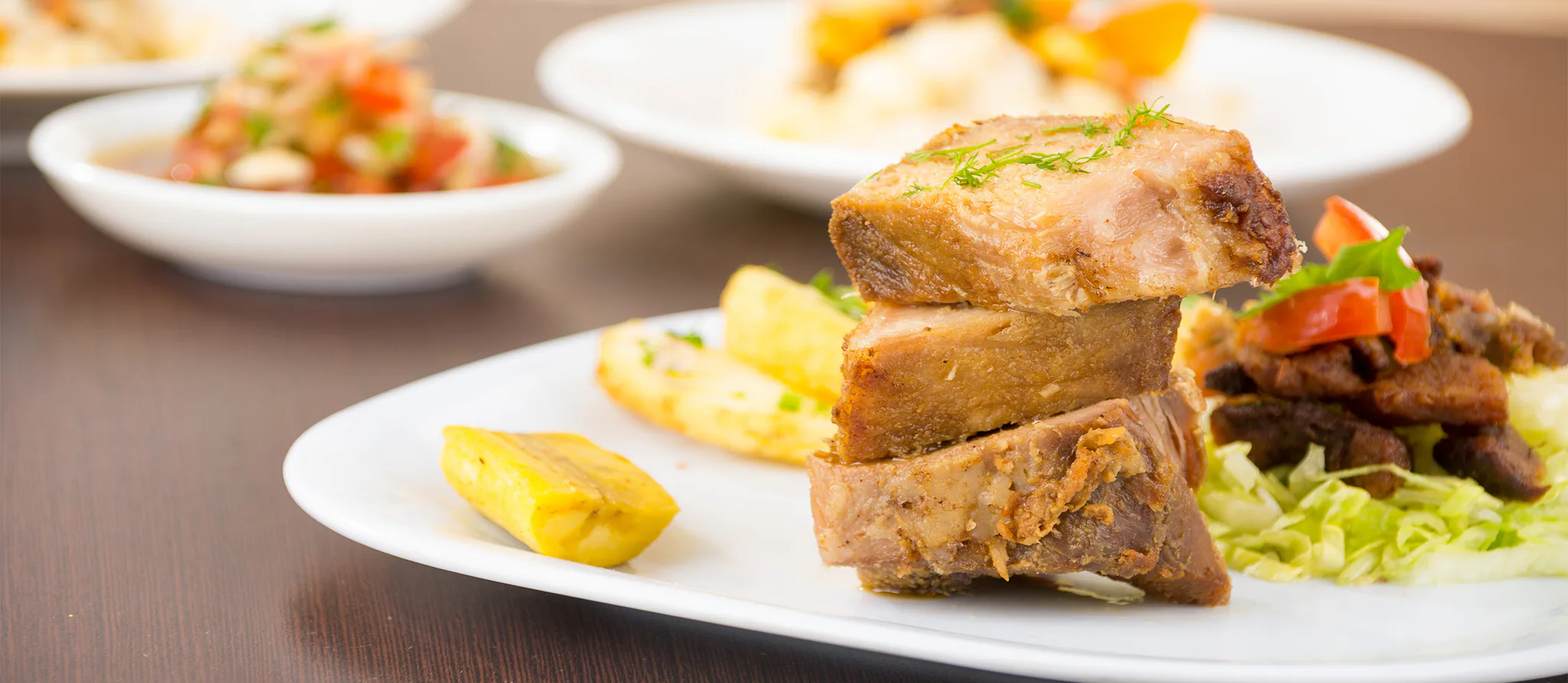
Chunks of pork simmered with garlic, onion, cumin and orange juice until the liquid evaporates, then fried in their own rendered fat until golden and crisp at the edges. An Andean Sunday favourite served with hominy, ripe plantain and potato patties.
Fritada (Ecuadorian fried pork) is an Ecuadorian main course, ready in about 1 hour 50 minutes and made with pork shoulder, cumin and orange juice. It serves 6 and is rated easy to cook.
- Prep
- 20 min
- Cook
- 1 h 30 min
- Total
- 1 h 50 min
- Serves
- 6
- Level
- Easy
- Calories
- 561
Add 30 minutes to cook dried mote.
Main ingredients

Ingredients
To serve
For the curtido
Method
Curtido
1 h 35 minStep 1
Put the pork in a wide, heavy pot with the water, onion (opens in a new tab), garlic (opens in a new tab), cumin (opens in a new tab), orange juice (opens in a new tab), salt and pepper (opens in a new tab). Bring to the boil, then simmer uncovered, stirring now and then, until the pork is tender and the liquid has almost completely evaporated, about 60–70 minutes.
- 70 min
- medium-low heat
- Dutch oven / casserole pot (opens in a new tab)
Step 2
Remove the onion (opens in a new tab). Keep cooking as the pork begins to fry in the fat it has released, turning the pieces often, until golden brown and crisp at the edges, 15–20 minutes.
- 20 min
- medium heat
- Wooden spoon (opens in a new tab)
Food safety: Cook pork until the juices run clear and the centre reaches at least 71 °C (63 °C with a 3-minute rest for whole cuts).
Scrape up the browned bits from the bottom; they are the best part.
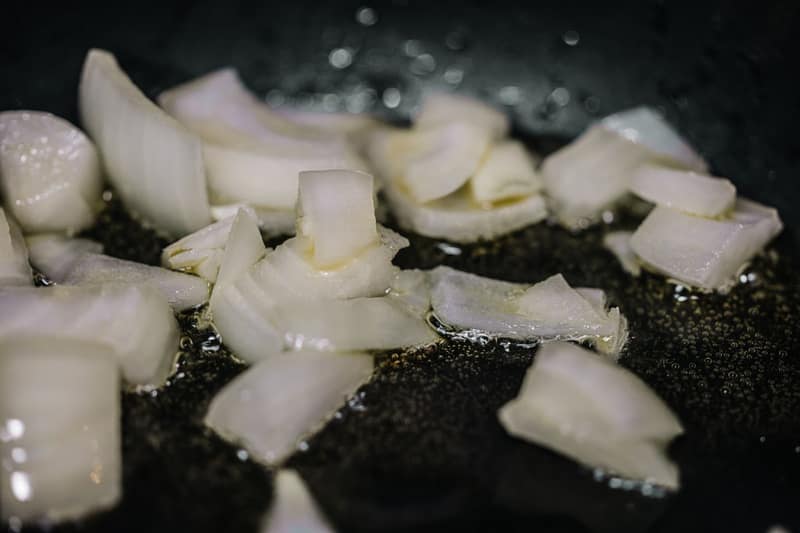
How it looks · Photo: Magda Ehlers on Pexels Step 3
Meanwhile mix the curtido: red onion (opens in a new tab), tomato (opens in a new tab), lime juice (opens in a new tab), coriander and salt.
To serve
3 minStep 4
Warm the mote in the pork fat for a minute, then serve the fritada with the mote, fried plantain (opens in a new tab) and curtido.
- 3 min
At a glance
1 · Curtido in a pan
 Red onion
 Tomato
 Lime juice
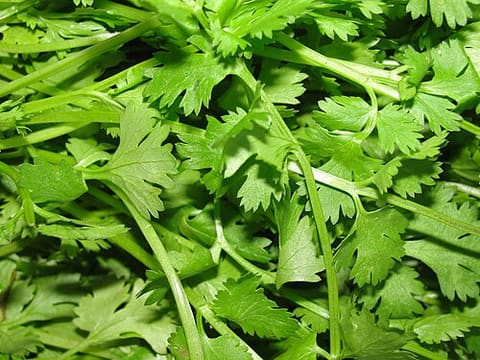 Coriander leaves
 Salt
then warm
2 · To serve in a bowl
 Hominy
 Plantain
About this dish
- Origin
- Andean highlands (Imbabura, Pichincha), Ecuador · Commonly attributedTraditionally cooked in a large copper pan (paila); Sangolquí and Ibarra are famous for it.More food from Ecuador
Ecuador - Dish
- Lunch · Main courses
- Cooking method
- Simmered, Pan-fried
- Taste
- savoury, rich, citrusy, garlicky
- Diet
- No gluten ingredients · Dairy-free · No nut ingredients · Low-carb · High-proteinWorked out from the ingredients. How labels work
All labels
Non-vegetarian · No gluten ingredients · Dairy-free · Egg-free · No nut ingredients · No added sugar · Alcohol-free · Beef-free · Low-carb · High-protein - Good for
- Festive & celebration · One-pot · Make-ahead
- Cook more with
- Pork shoulder · Cumin · Orange juice · Onion · Garlic · Hominy
- Techniques
- Pan-frying · Boiling · Simmering
Allergens
None of the 14 major allergens appear in the listed ingredients.
Based on typical versions of these ingredients and not verified allergen-free. Brands differ and cross-contact happens, so always check labels. For severe allergies, follow your clinician’s advice.
Nutrition
561 kcal per serving
Calculated1 serving ≈ 507 g · recipe makes 6
Where the energy comes from
- Protein 26%
- Carbohydrate 14%
- Fat 60%
| Nutrient | Per serving | Per 100 g* |
|---|---|---|
| Energy | 561 kcal | 111 kcal |
| Protein | 36.6 g | 7.2 g |
| Carbohydrate | 18.8 g | 3.7 g |
| Net carbohydrate | 15.9 g | 3.1 g |
| Sugars | 5.8 g | 1.1 g |
| Added sugars | 0 g | 0 g |
| Fibre | 2.9 g | 0.6 g |
| Fat | 36.9 g | 7.3 g |
| Saturated fat | 12.6 g | 2.5 g |
| Trans fat | — | — |
| Cholesterol | 142 mg | 28 mg |
| Sodium | 1289 mg | 254 mg |
| Salt equivalent | 3.2 g | 0.6 g |
Vitamins & minerals per serving
- Potassium
- 843 mg
- Calcium
- 79 mg
- Iron
- 3.2 mg
- Magnesium
- 64 mg
- Vitamin A (RAE)
- 29 µg
- Vitamin C
- 24 mg
- Vitamin D
- 3.4 µg
- Vitamin B12
- 1.5 µg
- Folate (DFE)
- 29 µg
How these numbers were made
- Calculated from USDA FoodData Central (SR Legacy) per-100 g values and the listed quantities.
- *Per 100 g of combined raw ingredients; the cooked dish may weigh more or less.
- Optional ingredients are not included: plantain.
- “—” means the value isn’t known for enough of the ingredients; it is never zero by default.
- Values are estimates for guidance, not for medical dosing. U.S. Department of Agriculture, Agricultural Research Service. FoodData Central, 2019. fdc.nal.usda.gov.
Good to know
Tips
- If your pork is lean, add 1–2 tbsp lard once the liquid has evaporated so it can fry properly.
Common mistakes
- Covering the pot, which stops the liquid evaporating and leaves you with boiled pork.
Serve with
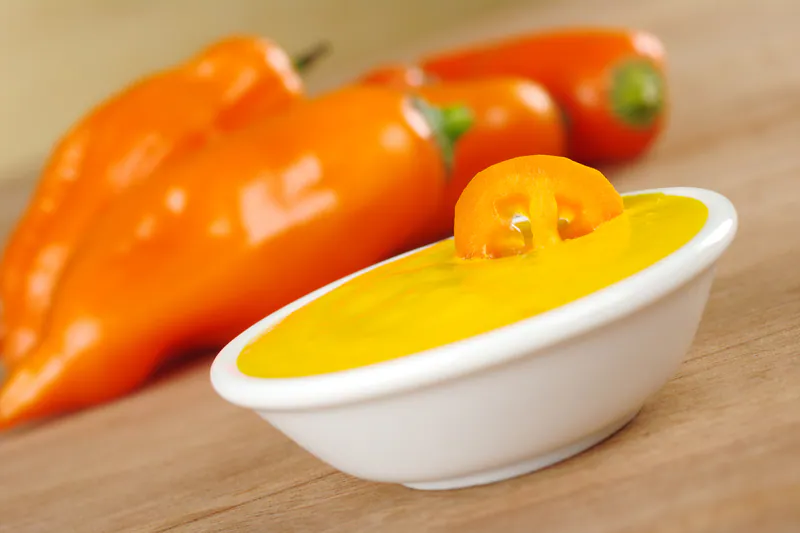
- Serve with llapingachos (cheese-stuffed potato patties), mote, maduros, tostado (toasted corn) and ají criollo.
Food safety
- Cook pork until the juices run clear and the centre reaches at least 71 °C (63 °C with a 3-minute rest for whole cuts).
Storage
- Keeps 3 days refrigerated.
Reheating
- Re-fry in a dry pan until hot and crisp again.
Variations
- Fritada con beer: Some cooks replace part of the water with beer or chicha for a deeper flavour.
- Hornado: The other great Ecuadorian pork dish: a whole leg roasted with achiote and beer.
Original editorial recipe · FriendsPantry editorial · source: TasteAtlas (dish facts) · Not yet independently reviewed · Added
Recipe DNA
How this dish is built
Built from the recipe’s own sections. Each band’s width is its share of the dish by weight. Choose a component to see what it does.
What the dish is built around
Main ingredient
- Pork shoulder, with some fat, cut into 5 cm chunks1.2 kg · 1200 g
- Orange juice125 ml · 130 g
Reviews & corrections
Reviews come from signed-in cooks and appear after a moderator checks them. We never show made-up ratings.
You might also like
Llapingachos
 Ecuadorian · 1 h 40 min · 668 kcal
Encebollado
Ecuadorian · 1 h 10 min · 396 kcal
Ceviche ecuatoriano de camarón
Ecuadorian · 1 h · 195 kcal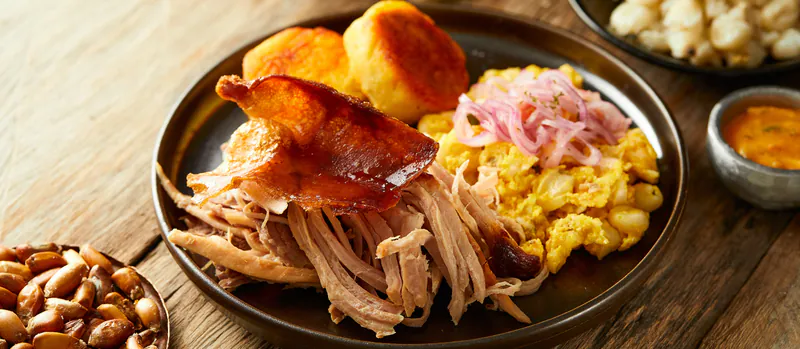
Hornado pastuso (Carchi slow-roast pork)
Ecuadorian · 5 h 10 min · 794 kcal