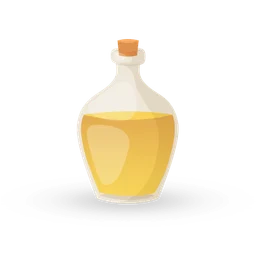
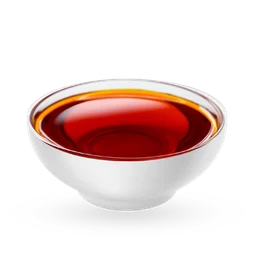
Koroneiki olives grown in the dry, stony ground around the village of Agios Mathaios in south-west Corfu give this oil. It is clear and green to yellow-green, with a fruity aroma and a bittersweet taste, and is best kept somewhere cool and dark and used within six months of pressing.
This bright green extra virgin olive oil is pressed in Chalkidiki from large local olive varieties picked very early, while still unripe, making it the first Greek oil of each season. It has low acidity, a peppery kick and a faintly bitter finish, and every production step must happen on the peninsula.
An extra virgin olive oil from Koroneiki and Tsounati olives grown across the Chania prefecture of western Crete. Bright green-gold, it is moderately bitter with hints of sweetness and acidity and a grassy aroma that softens with age, so it should be stored cool and dark.
Extra virgin olive oil from the municipality of Thrapsano near Heraklion in Crete, pressed from Psilolia and Koroneiki olives. The fruit is taken to the mill straight after picking and extracted by cold centrifugation, giving a clear, light green oil that balances bitterness and sweetness.
Extra virgin olive oil from the Finiki area of Lakonia, pressed mainly from Koroneiki olives with smaller amounts of Tsounati and Asprolia. Chalky soils and a local microclimate shape its grassy aroma and fruity, peppery taste; the olives are milled by mechanical cold pressing soon after harvest.
Extra virgin olive oil from Metaggitsi in Sithonia, Halkidiki, based on the Strongilolia olive, which is grown commercially almost nowhere else. Up to 10% Chondrolia Chalkidikis may be added, and the fruit is picked green-violet from October and cold pressed to protect its aromas.
Pressed in Messinia in the south-west Peloponnese, this extra virgin olive oil uses mainly Koroneiki olives, with no more than 5% Mastoeidis. It ranges from deep green to yellow-green and tastes of green fruit, with slight bitterness and a gentle peppery finish.
An extra virgin olive oil from the Ionian island of Kefalonia, blended from Koroneiki, Agouromanako and Venetsianiki olives picked by hand when ripe. It is green and thick, with a bitterness that mellows into fruitiness, and suits both cooking and salads.
Pressed only from Koroneiki olives in western Crete, this extra virgin oil comes from fruit knocked carefully from the branches to avoid bruising. Green-gold in colour, it smells fruity with a touch of wild herbs and balances mild bitterness with acidity.
An extra virgin olive oil from Koroneiki and Manaki olives grown in the Ermionida area of the Peloponnese, including Kranidi and Porto Cheli. Olives are picked by hand or with small combs and cold pressed within three days, giving a golden oil that tastes both sweet and tart.
This virgin olive oil from the island of Lesbos is pressed from Kolovi and Adramytiani olives. Low in chlorophyll, it has a bright golden-yellow colour, a strong aroma and a ripe-olive flavour.
A Greek extra virgin olive oil from Manaki olives grown around Asklipieio, picked off the branches by hand or with combs and never gathered from the ground. Milled within three days, it is green-yellow and fruity, turning more bitter and peppery as it ages.
Extra virgin olive oil from a small hilly district of Olympia in the south of mainland Greece. A blend of mostly Koroneiki with some Kollyreiki olives, cold pressed after harvest, it is light yellow-green, thick and fruity with a peppery, slightly bitter edge that suits meat, seafood and salads.
Extra virgin oil pressed mainly from Throumba olives, with a little Koroneiki, on Samos and neighbouring Ikaria in the Aegean. The fruit ripens fully on the tree, is knocked into nets and milled within three days, giving a golden, sweet oil that smells of ripe olives.
Pressed from Koroneiki olives grown around Sitia in eastern Crete, this extra virgin oil starts with fruit knocked from the trees with light sticks to avoid bruising. Milling stays below 30°C, producing a thick yellow-green oil that tastes and smells of ripe olives.
Extra virgin olive oil from across Liguria, made from Taggiasca, Lavagnina, Razzola and Pignola olives that must be picked before the end of March. It comes in three geographic versions; Riviera dei Fiori, at least 90 per cent Taggiasca, is yellow and fruity.
PDO · DOPProtected Designation of Origin (locally DOP)Olive Oil
Sardinia's protected extra virgin oil comes from native olives such as Semidana, Bosana, Nera di Villacidro and Tonda di Cagliari grown across the island. Green to yellow, it is bold, bitter and peppery, so it suits bruschetta, grilled red meat and robust soups.
PDO · DOPProtected Designation of Origin (locally DOP)Olive Oil
Pressed in the Moura area of Portugal's Beja district between October and February, the oil is extracted mechanically at low temperature. Yellowish-green and mellow, it suggests apple, tomato, nuts and fresh herbs with a peppery finish, and suits salads and dressings.
PDO · DOPProtected Designation of Origin (locally DOP)Olive Oil
An extra virgin olive oil from small family farms in north-east Portugal, made from local olives such as Cobrançosa, Verdeal, Negrinha, Madural and Cordovil. The fruit is crushed mechanically below 27°C, giving a yellow-green to dark green oil that is fruity and grassy, slightly bitter, with a peppery finish.
PDO · DOPProtected Designation of Origin (locally DOP)Olive Oil
From the province of Badajoz in Extremadura comes this extra virgin olive oil, pressed by purely mechanical methods from local olives. One local variety lends nutty, aromatic notes, while Picual or Jabata olives add peppery bite and help the oil keep well.
PDO · DOPProtected Designation of Origin (locally DOP)Olive Oil
Extra virgin olive oil from a group of mountain municipalities around Cazorla in Jaén, pressed from Picual or Royal olives. The fruit is hand-picked and cold-extracted within 48 hours, giving a green to golden oil that is distinctly fruity with a pleasant bitterness.
Made from the hulled and roasted seeds of a local oil pumpkin, this thick oil from southern Styria smells strongly of toasted nuts. It looks dark red in a deep layer yet green when thin, and Austrians mostly use it to dress salads and finish cold dishes.
Slow Food Ark of TasteSlow Food Ark of TasteRed Palm Oil
This deep red cooking oil is pressed from the fruit of Elaeis guineensis, the African oil palm, and is a signature ingredient of Bahia in Brazil. The palm arrived from Africa in the sixteenth century, and the nutty, richly coloured oil was later made by hand in quilombola communities, descendants of enslaved Africans.
Extra virgin olive oil cold-pressed from fresh olives grown on the Istrian peninsula, at the northern edge of the Mediterranean. The protected name covers a single cross-border zone shared by Croatian and Slovenian growers, who applied for it together.
PDO · AOPProtected Designation of Origin (locally AOP)Olive Oil
Virgin olive oil from the Alpes-Maritimes, pressed almost entirely from the small Cailletier olive. The fruit is knocked or shaken from the trees into nets, and the oil is sweet and gentle with notes of ripe apple, hazelnut and almond; try it on garlic-rubbed toasted baguette.
Pumpkin seed oil from Štajerska and Prekmurje in north-eastern Slovenia, between the Mura and Raba rivers. Made by traditional methods, it is dark green with a reddish tinge, mild in taste and gently nutty from roasted seeds; use it cold rather than for cooking.
What PDO, PGI and TSG mean
These are the European Union’s protected food names (the UK and Switzerland run matching schemes). A registered name can only go on products made the registered way — so “Parmigiano Reggiano” on a label is a promise about place and method, not just a style.
PDOProtected Designation of OriginProtected Designation of Origin
Every stage — producing the raw material, processing and preparing it — happens in one defined area, following a registered method. The strongest link between a food and its place.
At least one stage of making the food happens in the named area, and its reputation or character comes from that place. Raw materials may come from elsewhere.
Protects a traditional recipe or method rather than a place: it can be made anywhere, as long as the registered method is followed.
On packs you will often see the local abbreviation instead: DOP (Italy, Spain, Portugal), AOP or AOC (France, Switzerland), IGP for PGI, and wine terms such as DOC and DOCG. We show both. Slow Food Presidia and the Ark of Taste are listed too: they mark endangered traditional foods, not legal name protection.