
Yumurtalı pide (Turkish egg and cheese pide)
Non-vegetarian
Yumurtalı pide
Boat-shaped Turkish flatbreads filled with melting kaşar cheese, tomato and green pepper, baked until golden and crowned with a softly set egg and a slick of butter. In Kayseri the filling often includes slices of spiced pastırma.
Yumurtalı pide (Turkish egg and cheese pide) is a Turkish bread from Türkiye, ready in about 2 hours and made with bread flour, kaşar cheese and egg. It serves 4 and is rated intermediate to cook.
No licensed photograph of this dish yet.
- Prep
- 30 min
- Cook
- 15 min
- Rest
- 1 h 15 min
- Total
- 2 h
- Serves
- 4
- Level
- Intermediate
- Calories
- 922
Main ingredients

Ingredients
For the dough
For the filling
For the topping
Method
Dough
12 minStep 1
Mix the flour, yeast, sugar (opens in a new tab) and salt, add the oil, milk (opens in a new tab) and water and knead for 8–10 minutes to a soft, smooth, slightly tacky dough. Cover and leave to rise until doubled, about 1 hour.

How it looks · Photo: Klaus Nielsen on Pexels
Filling
23 minStep 2
Heat the oven (opens in a new tab) to its highest setting (at least 250 °C) with a pizza stone or heavy tray inside. Mix the cheese, tomato (opens in a new tab), pepper (opens in a new tab) and pastırma (opens in a new tab) if using.
Step 3
Divide the dough into 4 and roll each into an oval about 30 × 15 cm. Spread a quarter of the filling down the middle, leaving a 2 cm border, then fold the long edges over the filling and pinch the ends together to make a boat shape. Rest for 15 minutes.
Step 4
Brush the dough edges with a little melted butter (opens in a new tab). Slide the pide onto the hot stone or tray and bake for 6–8 minutes until the crust is golden and the cheese is bubbling.
Topping
7 minStep 5
Pull out the pide, crack an egg into the middle of each (or whisk the eggs (opens in a new tab) and pour them over the filling, as many Kayseri bakers do) and bake for 3–5 minutes more until the white is set but the yolk still soft.
- 5 min
- 250°C
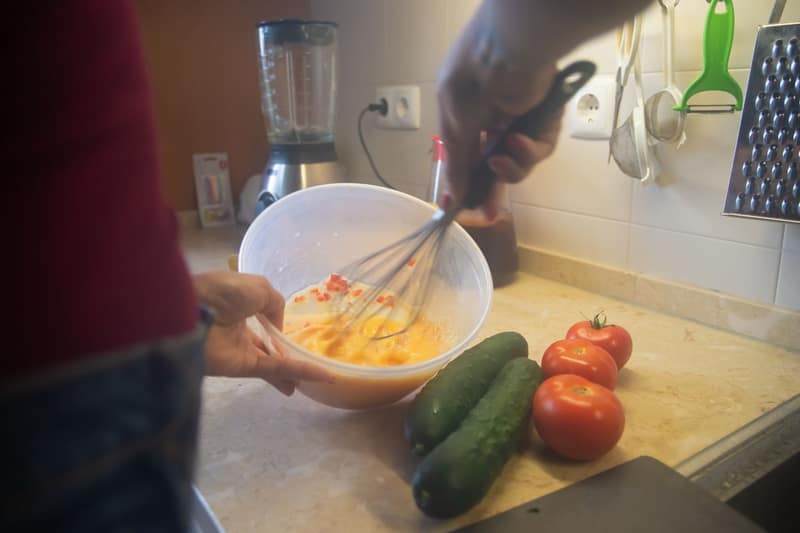
How it looks · Photo: Kampus Production on Pexels Step 6
Brush the crust and filling with the remaining butter (opens in a new tab), sprinkle with pul biber (opens in a new tab) and black pepper (opens in a new tab), cut into strips and serve hot.
- 2 min

How it looks · Photo: Klaus Nielsen on Pexels
At a glance
1 · Dough in a bowl
 Bread flour
 Instant yeast
 Sugar
 Salt
 Olive oil
 Milk
then heat
2 · Filling in a bowl
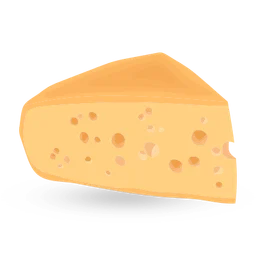 Kaşar cheese
 Tomato
 Green bell pepper
 Pastırma (Turkish cured beef)
then pull
3 · Topping in a bowl
 Egg
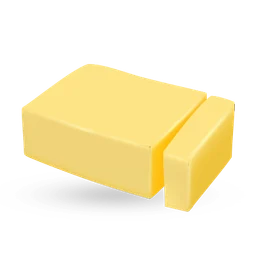 Butter
 Aleppo pepper
 Black pepper
About this dish
- Origin
- Kayseri, Central Anatolia, Türkiye · Commonly attributedEgg-topped pide is made all over Türkiye; the Kayseri version is known for adding the city's famous pastırma.More food from Türkiye
Türkiye - Dish
- Breakfast · Lunch · Breads & flatbreads · Egg dishes · Main courses · Breakfast dishes
- Cooking method
- Oven-baked
- Taste
- savoury, buttery, creamy
- Diet
- No nut ingredients · High-proteinWithout the optional extras: Vegetarian (lacto-ovo), Eggetarian, Pescatarian, Beef-freeWorked out from the ingredients. How labels work
All labels
Non-vegetarian · Flexitarian-friendly · No nut ingredients · Alcohol-free · Pork-free · High-protein - Good for
- Everyday
- Cook more with
- Bread flour · Kaşar cheese · Egg · Instant yeast · Sugar · Milk
- Techniques
- Baking · Kneading · Fermentation
Allergens
- Contains: Milkfrom milk, kaşar cheese, butter
- Contains: Eggsfrom egg
- Contains: Wheatfrom bread flour
- Contains: Glutenfrom bread flour
Based on typical versions of these ingredients and not verified allergen-free. Brands differ and cross-contact happens, so always check labels. For severe allergies, follow your clinician’s advice.
Nutrition
922 kcal per serving
Estimated1 serving ≈ 448 g · recipe makes 4
Where the energy comes from
- Protein 18%
- Carbohydrate 40%
- Fat 42%
| Nutrient | Per serving | Per 100 g* |
|---|---|---|
| Energy | 922 kcal | 206 kcal |
| Protein | 41.7 g | 9.3 g |
| Carbohydrate | 92.1 g | 20.5 g |
| Net carbohydrate | 87 g | 19.4 g |
| Sugars | 6.4 g | 1.4 g |
| Added sugars | 1 g | 0.2 g |
| Fibre | 5.1 g | 1.1 g |
| Fat | 42.7 g | 9.5 g |
| Saturated fat | 21.3 g | 4.7 g |
| Trans fat | — | — |
| Cholesterol | 262 mg | 58 mg |
| Sodium | 1575 mg | 351 mg |
| Salt equivalent | 3.9 g | 0.9 g |
Vitamins & minerals per serving
- Potassium
- 598 mg
- Calcium
- 662 mg
- Iron
- 6.7 mg
- Magnesium
- 73 mg
- Vitamin A (RAE)
- 384 µg
- Vitamin C
- 57 mg
- Vitamin D
- 1.7 µg
- Vitamin B12
- 1.7 µg
- Folate (DFE)
- 413 µg
How these numbers were made
- Calculated from USDA FoodData Central (SR Legacy) per-100 g values and the listed quantities.
- *Per 100 g of combined raw ingredients; the cooked dish may weigh more or less.
- Optional ingredients are not included: pastırma (turkish cured beef).
- Kaşar cheese: Provolone used as a stand-in; kaşar is a similar semi-hard pasta filata cheese.
- Aleppo pepper: Ground red (cayenne) pepper used as a stand-in: no Aleppo pepper entry in FDC SR Legacy; it is a coarsely ground dried Capsicum annuum, often with a little oil and salt.
- “—” means the value isn’t known for enough of the ingredients; it is never zero by default.
- Values are estimates for guidance, not for medical dosing. U.S. Department of Agriculture, Agricultural Research Service. FoodData Central, 2019. fdc.nal.usda.gov.
Good to know
Tips
- A very hot oven gives the light, blistered crust of a stone-oven pide; a preheated baking steel works even better.
Common mistakes
- Adding the egg at the start, which overcooks it to rubber before the crust is done.
Serve with
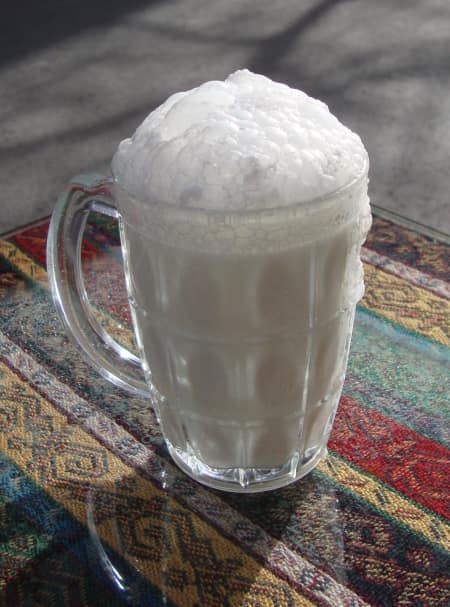
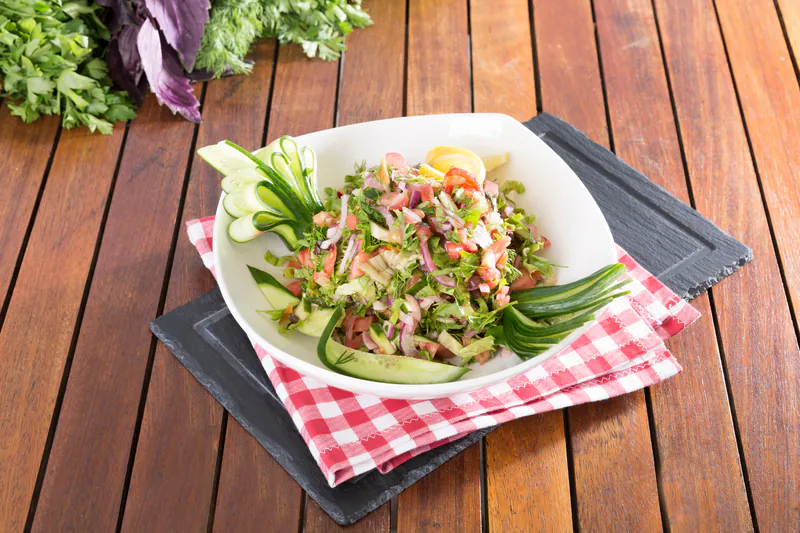
- Serve with ayran and a çoban salatası, or with glasses of black tea for breakfast.
Food safety
- Bake until the egg white is completely set; serve runny yolks only to those not in vulnerable groups.
Storage
- Best eaten straight from the oven.
Reheating
- Warm leftovers in a hot oven for 5 minutes.
Variations
- Pastırmalı yumurtalı pide: The Kayseri favourite with spiced pastırma slices under the egg.
- Sucuklu yumurtalı pide: Slices of sucuk sausage replace the pastırma.
Original editorial recipe · FriendsPantry editorial · source: TasteAtlas (dish facts) · Not yet independently reviewed · Added
Recipe DNA
How this dish is built
Built from the recipe’s own sections. Each band’s width is its share of the dish by weight. Choose a component to see what it does.
Structure
For the dough
- Bread flour450 g
- Instant yeast7 g
- Sugar1 tsp · 4.2 g
- Salt1.5 tsp · 9 g
- Olive oil2 tbsp · 27 g
- Milk, lukewarm100 ml · 103 g
- Water, lukewarm170 ml · 170 g
Reviews & corrections
Reviews come from signed-in cooks and appear after a moderator checks them. We never show made-up ratings.
You might also like
Kıymalı pide
 Turkish · 2 h · 699 kcal
Ramazan pidesi (Turkish pide bread)
Turkish · 2 h 30 min · 261 kcal · Contains egg
Lahmacun
Turkish · 1 h 55 min · 692 kcal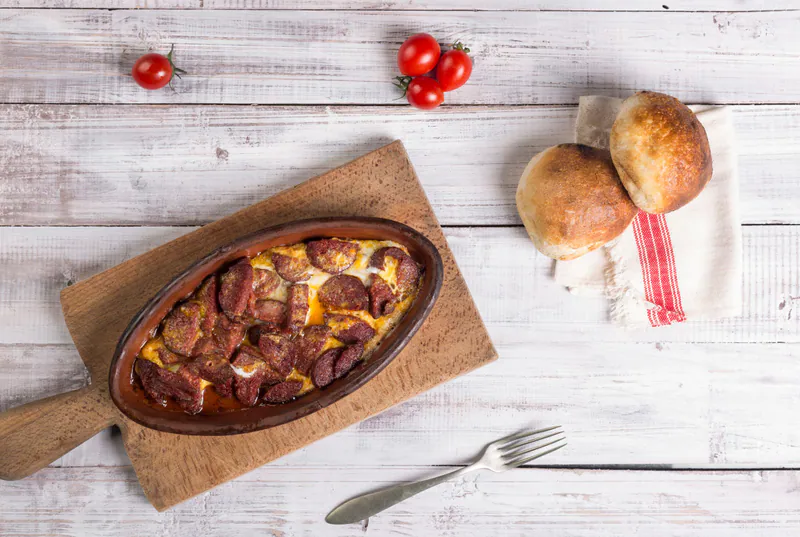
Sucuklu yumurta
Turkish · 11 min · 368 kcal