
 Cypriot · Greek · Mediterranean · Pastries
Flaouna (Cypriot Easter cheese pastries)
Contains egg (no meat or fish)
Φλαούνα · flaoúna
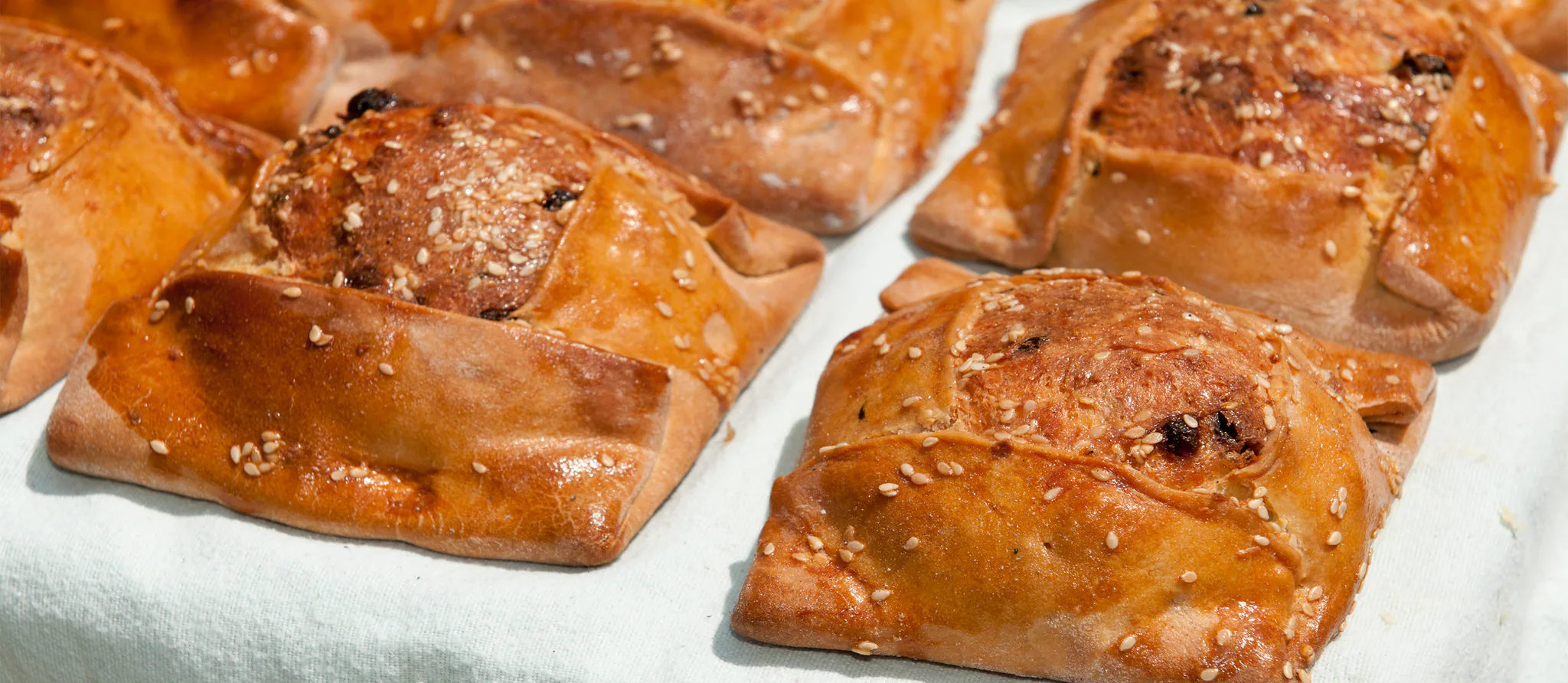
Yeasted pastry cases filled with a puffy mixture of grated halloumi and aged cheese, semolina, eggs, mint and raisins, folded into squares, coated in sesame and baked golden. Greek Cypriots bake them on Good Friday to break the Lenten fast on Easter Sunday.
Flaouna (Cypriot Easter cheese pastries) is a Cypriot pastry from Cyprus, ready in about 3 hours 50 minutes and made with all-purpose flour, halloumi and kefalotyri cheese. It serves 16 and is rated intermediate to cook.
- Prep
- 1 h
- Cook
- 50 min
- Rest
- 2 h
- Total
- 3 h 50 min
- Serves
- 16
- Level
- Intermediate
- Calories
- 382
Plus several hours or overnight for the filling to rest, if you can.
Main ingredients
Ingredients
For the dough
For the filling
For the coating
Method
Filling
10 minStep 1
For the filling, mix the grated halloumi (opens in a new tab) and kefalotyri with the semolina (opens in a new tab), baking powder (opens in a new tab), yeast and dried and fresh mint (opens in a new tab). Beat in the 4 eggs (opens in a new tab) until you have a thick, sticky paste, then stir in the raisins (opens in a new tab). Cover and chill for at least 2 hours, ideally overnight, so the semolina swells.
Dough
12 minStep 2
For the dough, mix the flour, yeast, baking powder (opens in a new tab), sugar (opens in a new tab), salt, mahlab (opens in a new tab) and mastic (opens in a new tab). Add the melted butter (opens in a new tab) and rub it in, then add the egg (opens in a new tab) and lukewarm milk (opens in a new tab) and knead to a smooth, firm dough, about 8 minutes. Cover and rest for 1 hour.
- 12 min

How it looks · Photo: Klaus Nielsen on Pexels
Coating
1 h 25 minStep 3
Heat the oven (opens in a new tab) to 190 °C and line two baking trays. Spread the sesame seeds (opens in a new tab) on a plate. Divide the dough into 16 pieces and roll each into a thin round about 15 cm across. Brush one side with beaten egg (opens in a new tab) and press it into the sesame.

How it looks · Photo: Katerina Holmes on Pexels Step 4
Turn the rounds sesame (opens in a new tab)-side down, put 2 heaped tablespoons of filling in the centre and fold up the edges on four sides to make a square, leaving the filling visible in the middle. Press each corner with a fork to seal. Brush the visible pastry with egg (opens in a new tab).
- 15 min
Step 5
Bake in batches for 22–25 minutes, until the pastry is golden and the filling has puffed and browned in patches. Cool on the tray for 10 minutes.
At a glance
1 · Filling in a bowl
 Halloumi
 Kefalotyri cheese
 Semolina
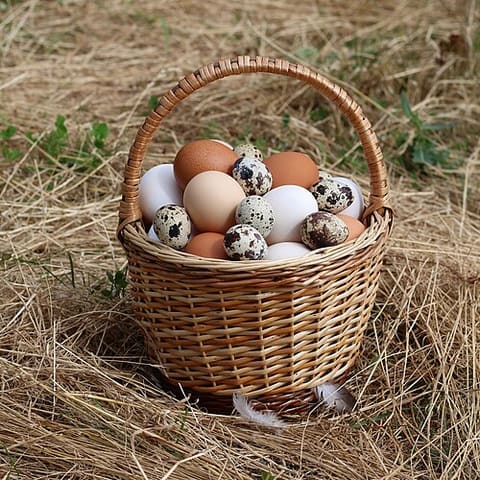 Egg
 Baking powder
 Instant yeast
 Dried mint
- Mint
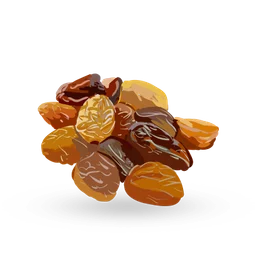 Raisins
then mix
2 · Dough in a bowl
 All-purpose flour
- Instant yeast
- Baking powder
 Sugar
 Salt
- Mahlab
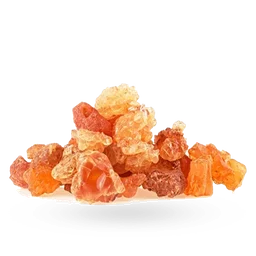 Mastic
 Butter
- Egg
 Milk
then heat
3 · Coating in a bowl
- Egg
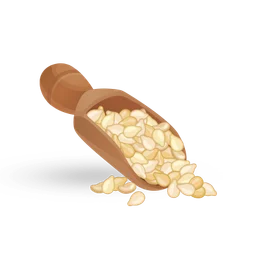 Sesame seeds
About this dish
- Origin
- Cyprus · Well documentedAlso baked by Turkish Cypriots as pilavuna. The dough is perfumed with mahlab and mastic, and many families still use a special flaouna cheese.Also popular in Greece, United KingdomMore food from Cyprus
Cyprus - Dish
- Breakfast · Snack · Brunch · Pastries · Savoury pies & tarts
- Cooking method
- Oven-baked
- Taste
- salty, sweet & savoury, herby, nutty
- Diet
- Vegetarian (lacto-ovo) · No nut ingredientsWorked out from the ingredients. How labels work
All labels
Vegetarian (lacto-ovo) · Eggetarian · Pescatarian · Flexitarian-friendly · No nut ingredients · Alcohol-free · Pork-free · Beef-free · Calorie-conscious - Good for
- Festive & celebration · Make-ahead · Freezer-friendly · Portable / lunchbox
- Cook more with
- All-purpose flour · Halloumi · Kefalotyri cheese · Instant yeast · Baking powder · Sugar
Allergens
- Contains: Milkfrom butter, milk, halloumi, kefalotyri cheese
- Contains: Eggsfrom egg
- Contains: Wheatfrom all-purpose flour, baking powder, semolina
- Contains: Glutenfrom all-purpose flour, baking powder, semolina
- Contains: Sesamefrom sesame seeds
- May contain: Sulphitesfrom raisins
Based on typical versions of these ingredients and not verified allergen-free. Brands differ and cross-contact happens, so always check labels. For severe allergies, follow your clinician’s advice.
Nutrition
382 kcal per serving
Estimated1 serving ≈ 121 g · recipe makes 16
Where the energy comes from
- Protein 19%
- Carbohydrate 34%
- Fat 46%
| Nutrient | Per serving | Per 100 g* |
|---|---|---|
| Energy | 382 kcal | 317 kcal |
| Protein | 18.5 g | 15.4 g |
| Carbohydrate | 32.8 g | 27.2 g |
| Net carbohydrate | 30.7 g | 25.5 g |
| Sugars | 2.1 g | 1.8 g |
| Added sugars | 0.8 g | 0.7 g |
| Fibre | 2 g | 1.7 g |
| Fat | 19.6 g | 16.3 g |
| Saturated fat | 9.9 g | 8.2 g |
| Trans fat | — | — |
| Cholesterol | 116 mg | 96 mg |
| Sodium | 673 mg | 558 mg |
| Salt equivalent | 1.7 g | 1.4 g |
Vitamins & minerals per serving
- Potassium
- 178 mg
- Calcium
- 459 mg
- Iron
- 3.3 mg
- Magnesium
- 50 mg
- Vitamin A (RAE)
- 140 µg
- Vitamin C
- 0 mg
- Vitamin D
- 0.7 µg
- Vitamin B12
- 0.8 µg
- Folate (DFE)
- 142 µg
How these numbers were made
- Calculated from USDA FoodData Central (SR Legacy) per-100 g values and the listed quantities.
- *Per 100 g of combined raw ingredients; the cooked dish may weigh more or less.
- Optional ingredients are not included: mastic, mint, raisins.
- Mahlab: Almonds (FDC 170567) used as a stand-in: no mahlab entry in FDC SR Legacy; mahlab is an oily Prunus kernel like almond, used in teaspoon amounts, so the effect on nutrition is negligible.
- Halloumi: No halloumi entry in FDC SR Legacy; low-moisture part-skim mozzarella is the closest firm brined-style cheese (halloumi is saltier).
- Kefalotyri cheese: Pecorino Romano used as a stand-in; kefalotyri is a similar hard, salty sheep's- and goat's-milk cheese.
- “—” means the value isn’t known for enough of the ingredients; it is never zero by default.
- Values are estimates for guidance, not for medical dosing. U.S. Department of Agriculture, Agricultural Research Service. FoodData Central, 2019. fdc.nal.usda.gov.
Good to know
Tips
- Fold the edges right over the filling — it puffs up a lot and needs a firm frame.
- Some families make the filling the night before and the dough on the morning of baking.
Common mistakes
- Using fresh, wet cheese; the filling should be quite dry and dense before baking.
Serve with
- Serve warm or cool on Easter Sunday morning with red-dyed eggs, or for breakfast with coffee.
Storage
- Keeps 4 days in an airtight container or 3 months frozen.
Reheating
- Warm in a 160 °C oven for 8 minutes.
Variations
- Pilavuna: The Turkish Cypriot version, usually without raisins and often heavier on mint.
- Round flaounes: Triangle- or circle-shaped flaounes are made in some villages, sometimes with a sweeter dough.
- Bourekia: Related Cypriot fried or baked pastries filled with anari cheese or minced meat.
Original editorial recipe · FriendsPantry editorial · source: TasteAtlas (dish facts) · Not yet independently reviewed · Added
Recipe DNA
How this dish is built
Built from the recipe’s own sections. Each band’s width is its share of the dish by weight. Choose a component to see what it does.
Structure
For the dough
- All-purpose flour500 g
- Instant yeast7 g
- Baking powder1 tsp · 4.4 g
- Sugar1 tbsp · 13 g
- Salt1 tsp · 6 g
- Mahlab, ground1 tsp · 2.2 g
- Mastic, ground with a pinch of sugar (optional)0.25 tsp
- Butter, melted100 g
- Egg1 piece · 50 g
- Milk, lukewarm200 ml · 206 g
Reviews & corrections
Reviews come from signed-in cooks and appear after a moderator checks them. We never show made-up ratings.
You might also like
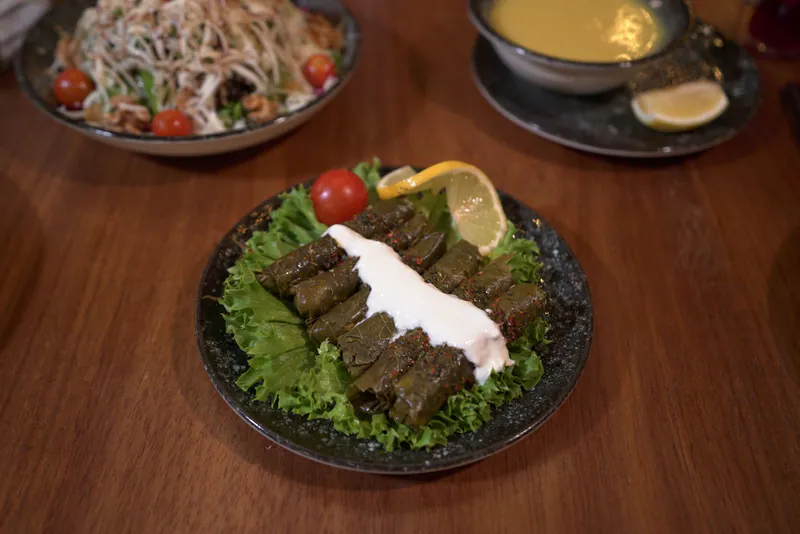
Koupepia
Cypriot · 1 h 55 min · 494 kcal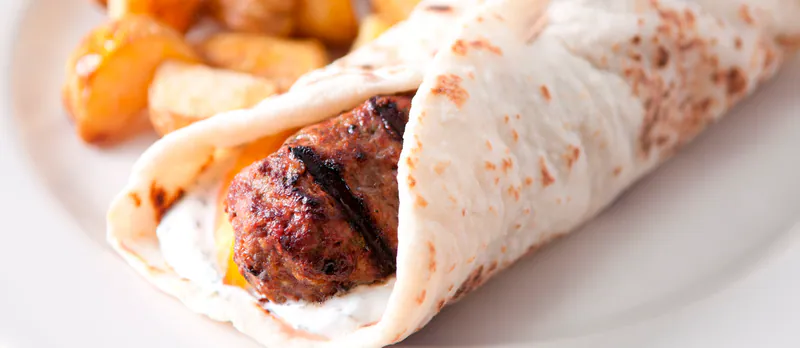
Sheftalia (Cypriot caul-fat sausages)
Cypriot · 1 h 30 min · 810 kcal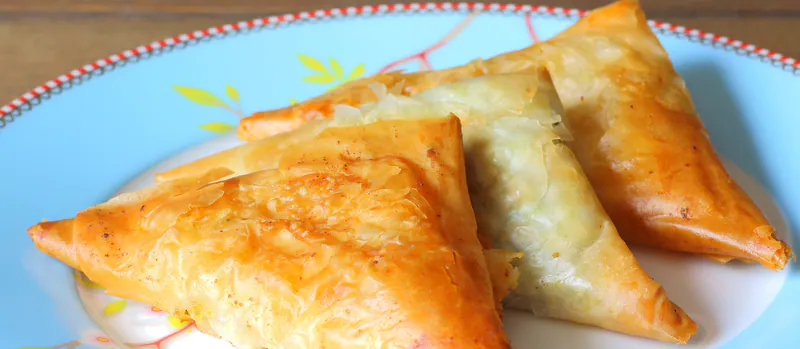
Tiropita (Greek cheese pie triangles)
 Greek · 1 h 10 min · 482 kcal · Contains egg
Spanakopita
Greek · 1 h 40 min · 307 kcal · Contains egg