
Indian techniques · intermediate
Slow-cooked gravy
Also: slow-simmered curry, nihari-style cooking
Building a curry by long, gentle simmering so meat, bones, lentils or spices melt into a rich, cohesive gravy.
What it is
Many Indian dishes, such as nihari, paya, haleem, dal makhani, rogan josh and Kerala beef curry, depend on hours of gentle simmering after the initial bhunao. Liquid is added in stages, the pot is kept at a lazy bubble, and the gravy thickens with dissolved gelatin, broken-down lentils or reduced onions.
Why cooks use it: Time breaks down tough meat and bones, dissolves gelatin and starch into the liquid for body, and lets spices mellow and merge. The result tastes rounder and richer than a quick curry.
The science
Collagen in shanks, trotters and bony cuts turns to gelatin over hours above about 70 °C, giving a gravy that coats a spoon and sets when chilled. Pulses such as whole urad break down and release starch. Slow evaporation concentrates flavour without scorching.
How proteins set when cookedStarch gelatinisationEvaporation and reductionEmulsionsAroma compounds and flavourChanging texture: tenderising and crisping
Step by step
Complete the bhunao: fry the onion-spice base and sear the meat in it until the oil separates.
Add hot water or stock to just cover; hot liquid keeps the cooking going and does not shock the meat.
Bring to a boil, then lower to the gentlest simmer and cover partly.
Stir and scrape every 15–20 minutes; top up with hot water if it thickens too early.
Cook until the meat is meltingly tender or the dal is creamy (1.5–6 hours depending on the dish).
Finish: adjust salt, add garam masala, cream, butter or a tadka, and fresh ginger, coriander or lemon as the dish requires.
Heat and timing
- Slow-cooked gravy 85–96 °C · A slow, steady simmer with small bubbles.
Time: 1.5–3 hours for goat curry; 4–8 hours for nihari or overnight dal makhani (shorter in a pressure cooker).
How you know it’s right
- Gravy coats the back of a spoon
- A thin layer of red-tinged fat on the surface
- Meat falls from the bone
- Dal turns creamy and homogenous
Common mistakes
- Boiling hard so meat toughens and fat emulsifies into a greasy gravy
- Adding cold water to a hot curry
- Adding garam masala at the start (its aroma fades)
- Letting thick gravies catch on the base
Troubleshooting
- Gravy greasy
- Skim surface fat, or chill and lift it off; simmer more gently next time.
- Gravy thin
- Simmer uncovered to reduce, or add a spoon of toasted atta mixed with water (as in nihari) and simmer 10 minutes.
- Meat still tough
- Keep simmering, or finish in a pressure cooker for 10–15 minutes.
Restaurant DNA
How professionals do it
Restaurants known for nihari or dal makhani commonly cook large batches slowly overnight or over many hours, often on very low gas or embers, and serve from the pot through the day.
At home
A heavy Dutch oven in a 140–150 °C oven, or a slow cooker after a proper stovetop bhunao, holds the gentle heat these dishes need.
General professional practice — not any particular restaurant’s recipe.
Food safety
- Cool large batches quickly in shallow containers and refrigerate within 2 hours; reheat until steaming hot (at least 75 °C) throughout.
Practise it
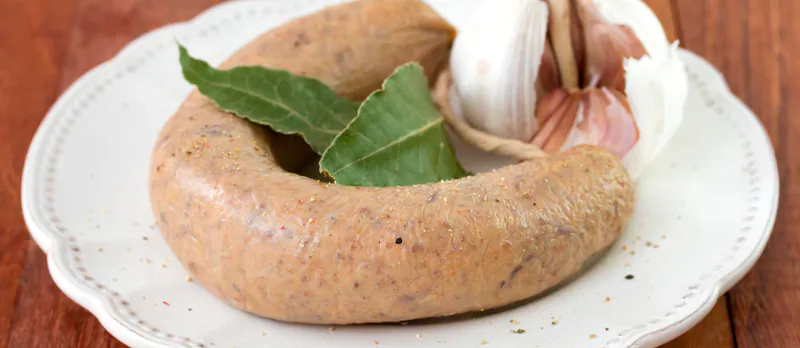
Alheira de Vinhais (smoked pork and bread sausage)
 Portuguese · 4 h · 800 kcal
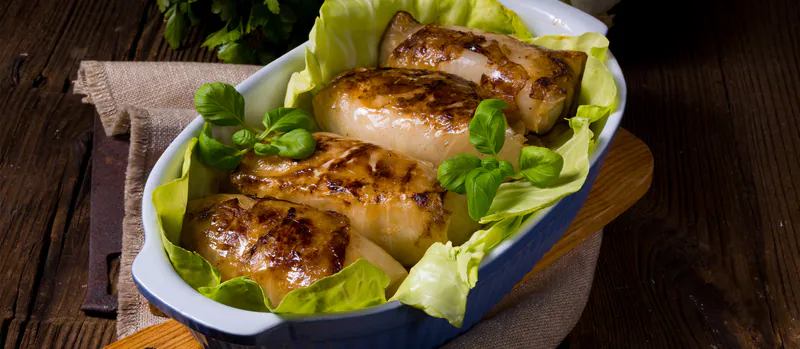
Balandėliai (Lithuanian cabbage rolls)
 Lithuanian · 2 h 5 min · 497 kcal
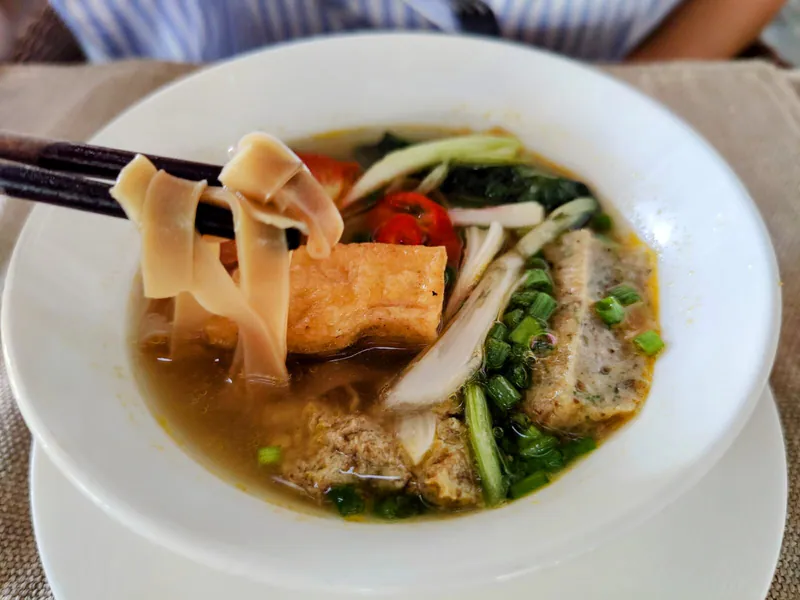
Bánh đa cua (Hai Phong red noodle soup with crab)
 Vietnamese · 2 h 40 min · 1009 kcal
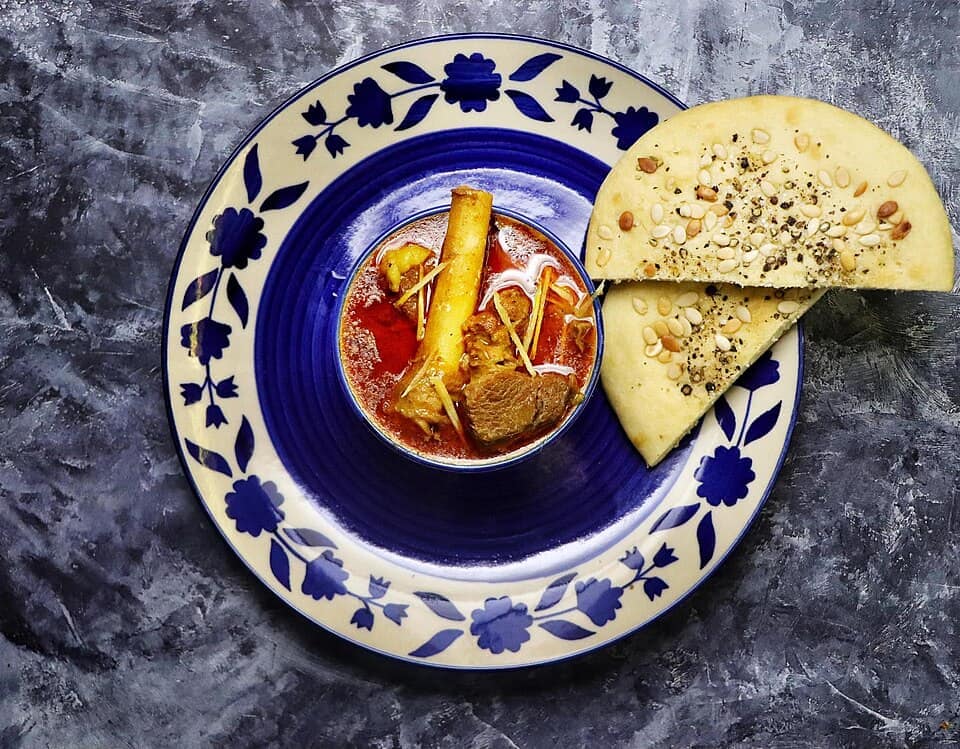
Beef nihari
 Pakistani · 4 h 40 min · 375 kcal
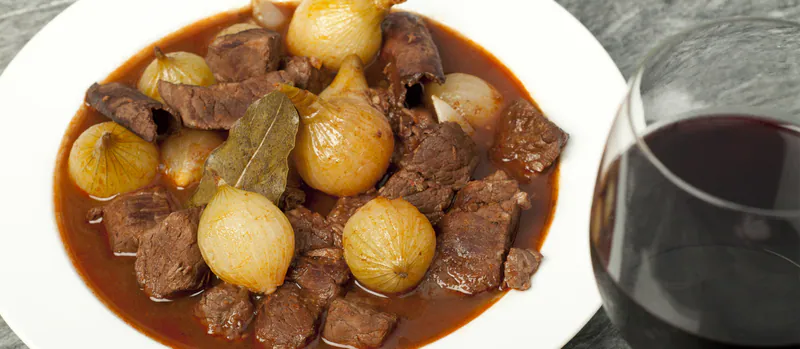
Beef stifado
 Greek · 3 h 10 min · 463 kcal
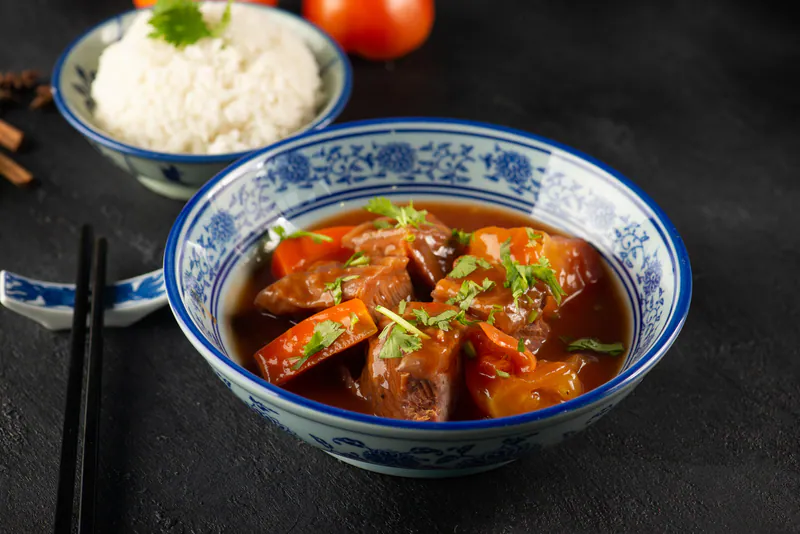
Bò kho (Vietnamese beef stew)
Vietnamese · 3 h 55 min · 487 kcal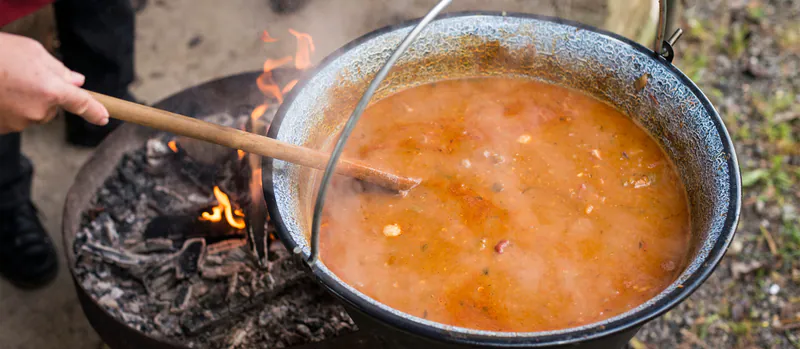
Bograč (Prekmurje four-meat stew)
 Slovenian · 3 h 40 min · 496 kcal
Bunny chow
 South African · 2 h · 1074 kcal
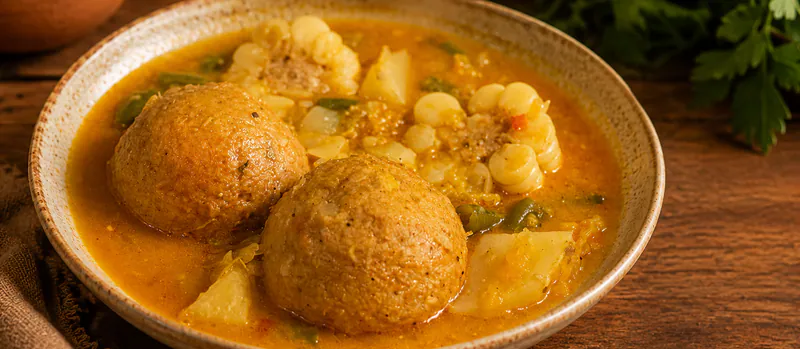
Caldo de bolas de verde (Ecuadorian plantain dumpling soup)
 Ecuadorian · 3 h · 770 kcal
60 more
- Carbonada criolla (Argentine beef, squash and fruit stew) · Argentine
- Cassoeula (Milanese pork and cabbage stew) · Italian
- Chakapuli (Georgian lamb with tarragon and sour plums) · Georgian
- Chashu (Japanese braised pork belly) · Japanese
- Chile con queso · Tex-Mex
- Chivo guisado (Dominican goat stew) · Dominican
- Ciorbă rădăuțeană (Rădăuți chicken soup) · Romanian
- Coq au vin jaune aux morilles (Jura chicken with yellow wine and morels) · French
- Domoda · Gambian
- Dōngpō ròu (Dongpo pork) · Chinese
- Fesenjan · Iranian
- Galbi-jjim · Korean
- Ghormeh sabzi · Iranian
- Gomen be siga (Ethiopian collard greens with beef) · Ethiopian
- Gudeg (Yogyakarta young jackfruit stew) · Indonesian
- Haggis (home-style, steamed in a basin) · British
- Hyderabadi haleem · Indian
- Japrak (Herzegovinian stuffed collard leaves) · Bosnian
- Jókai bableves (Hungarian smoked pork and bean soup) · Hungarian
- Jota (sauerkraut and bean stew) · Slovenian
- Kak'ik · Guatemalan
- Kaleh pacheh (Iranian sheep's head and trotter soup) · Iranian
- Kamounia (Tunisian cumin beef stew) · Tunisian
- Kouneli stifado (Greek rabbit and onion stew) · Greek
- Kousa mahshi (Levantine stuffed courgettes) · Jordanian
- Krupnik · Polish
- Kufta bozbash (Azerbaijani meatball soup with chickpeas and sour plums) · Azerbaijani
- Lu rou fan (Taiwanese braised pork rice) · Taiwanese
- Matzo ball soup · American
- Niños envueltos (Dominican cabbage rolls) · Dominican
- Ogbono soup (Nigerian draw soup) · Nigerian
- Pappardelle al ragù bianco di anatra (pappardelle with white duck ragù) · Italian
- Pasteles (Puerto Rican green banana pasteles) · Puerto Rican
- Phở gà · Vietnamese
- Picante a la tacneña (Tacna tripe and chilli stew) · Peruvian
- Picante de pollo (Bolivian spicy chicken stew) · Bolivian
- Pringá (Andalusian slow-cooked meat spread) · Spanish
- Pyachysta (Belarusian festive pot-roast pork with potatoes) · Belarusian
- Quzi (Iraqi lamb with spiced rice) · Iraqi
- Red-braised pork belly · Chinese
- Rfissa (Moroccan chicken and lentils over shredded msemen) · Moroccan
- Sancocho panameño · Panamanian
- Sauce tomate (classical tomato sauce) · French
- Schweinshaxe (Bavarian roast pork knuckle) · German
- Scotch broth · British
- Seco de cabrito (Peruvian kid goat stew with coriander) · Peruvian
- Selsko meso (village-style pork) · Macedonian
- Sopa da pedra (Portuguese stone soup) · Portuguese
- Stuffat tal-fenek · Maltese
- Székely gulyás (pork and sauerkraut goulash) · Hungarian
- Tanjia marrakchia (slow-cooked lamb in a clay urn) · Moroccan
- Tomato beef noodle soup · Chinese
- Tomato bredie (Cape mutton and tomato stew) · South African
- Tomtom (Haitian pounded breadfruit with kalalou) · Haitian
- Tonkotsu ramen · Japanese
- Tordelli lucchesi (Lucca meat-filled pasta with ragù) · Italian
- Trapizzino (Roman pizza pocket with chicken cacciatora) · Italian
- Vinen kebap (Bulgarian wine kebab stew) · Bulgarian
- Vori vori · Paraguayan
- Zereshk polo ba morgh · Iranian