
Pringá (Andalusian slow-cooked meat spread)
Non-vegetarian
Pringá
The meats from a long-simmered Andalusian puchero — beef shank, pork belly, chicken, chorizo and morcilla — shredded and mashed together with a little of their fat into a rich, rustic spread. It is eaten scooped up with bread, piled into toasted rolls as a montadito, or served after the broth and chickpeas.
Pringá (Andalusian slow-cooked meat spread) is a Spanish main course from Spain, ready in about 3 hours 55 minutes and made with beef shank (bone-in, cross-cut), pork belly and chorizo. It serves 6 and is rated easy to cook.
No licensed photograph of this dish yet.
- Prep
- 25 min
- Cook
- 3 h 30 min
- Total
- 3 h 55 min
- Serves
- 6
- Level
- Easy
- Calories
- 774
Plus overnight soaking of the chickpeas.
Main ingredients
Ingredients
For the puchero
To serve
Method
Puchero
3 h 10 minStep 1
Put the beef shank (opens in a new tab), pork belly (opens in a new tab) and chicken in a large pot with the water. Bring slowly to the boil, skimming off the foam, then add the drained chickpeas and bay leaf (opens in a new tab) and simmer very gently, partly covered, for 2 hours.
- 120 min
- low heat
- Stockpot / large pot (opens in a new tab)
Step 2
Add the carrots (opens in a new tab), leek (opens in a new tab), celery (opens in a new tab) and potatoes (opens in a new tab) and simmer for 45 minutes. Add the chorizo (opens in a new tab) and morcilla (opens in a new tab) for the last 30 minutes (whole, so they do not burst), and season the broth with salt.
- 45 min
- low heat
Cooking the sausages separately in a ladle of broth keeps the main broth clear.
Step 3
Strain off the broth and serve it as a first course with a little rice or fine noodles, and the chickpeas and vegetables as a second if you like.

How it looks · Photo: Katerina Holmes on Pexels Step 4
For the pringá, remove the bones and skin from the meat. Peel the sausages. Shred everything together in a bowl with two forks, mashing in a little of the pork belly (opens in a new tab) fat and a spoonful of broth, until you have a coarse, moist spread.
To serve
10 minStep 5
Split and toast the rolls on a griddle with a drizzle of olive oil (opens in a new tab), fill with warm pringá and press lightly to make montaditos; or serve the pringá in a bowl with bread for dipping.
- 10 min
- medium heat
- Griddle / tawa (opens in a new tab)
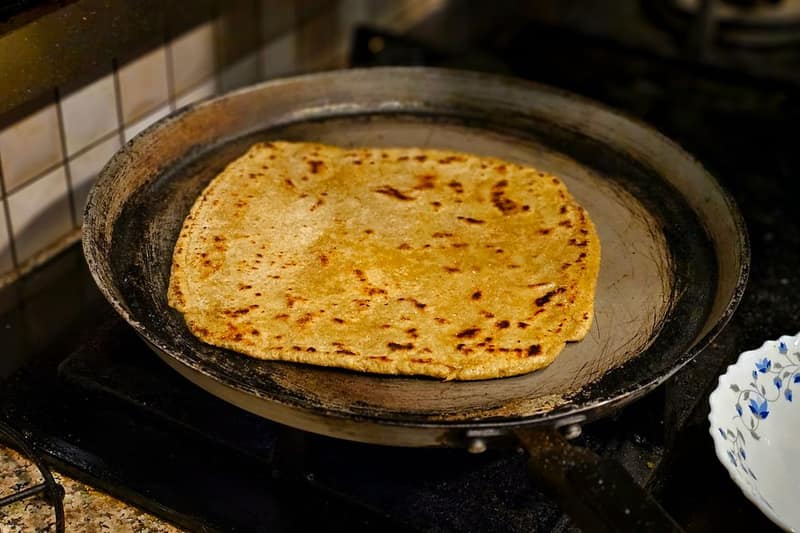
How it looks · Photo: Muhammad Khawar Nazir on Pexels
At a glance
1 · Puchero in a pot
 Beef shank (bone-in, cross-cut)
 Pork belly
 Chicken thigh
 Chorizo
 Blood sausage
 Dried chickpeas
 Carrot
 Leek
 Celery
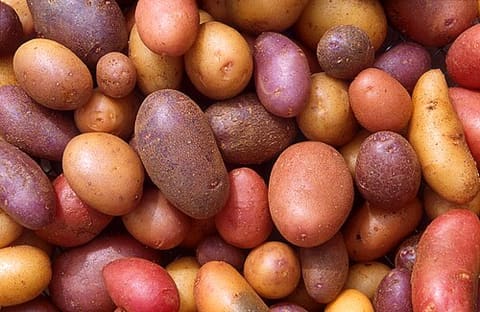 Potato
 Bay leaves
 Salt
then split
2 · To serve in a bowl
 Crusty bread / baguette
 Olive oil
About this dish
- Origin
- Andalusia, especially Seville, Spain · Well documentedThe name comes from pringar, to dip or smear with bread; it is the traditional way to finish a puchero and a classic tapa in Seville's bars.More food from Spain
Spain - Dish
- Lunch · Snack · Main courses · Appetizers & starters · Sandwiches
- Cooking method
- Simmered, Slow-cooked, Toasted
- Taste
- savoury, rich, smoky, salty
- Diet
- Dairy-free · No nut ingredients · High-proteinWorked out from the ingredients. How labels work
All labels
Non-vegetarian · Dairy-free · Egg-free · No nut ingredients · No added sugar · Alcohol-free · High-protein - Good for
- One-pot · Batch cooking · Uses leftovers · Make-ahead
- Cook more with
- Beef shank (bone-in, cross-cut) · Pork belly · Chorizo · Blood sausage · Chicken thigh · Dried chickpeas
- Techniques
- Toasting · Simmering · Slow-cooked gravy · Spice roasting (dry-roasting)
Allergens
- Contains: Wheatfrom blood sausage, crusty bread / baguette
- Contains: Glutenfrom blood sausage, crusty bread / baguette
- May contain: Sesamefrom crusty bread / baguette
- Contains: Celeryfrom celery
- May contain: Sulphitesfrom chorizo
Based on typical versions of these ingredients and not verified allergen-free. Brands differ and cross-contact happens, so always check labels. For severe allergies, follow your clinician’s advice.
Nutrition
774 kcal per serving
Calculated1 serving ≈ 818 g · recipe makes 6
Where the energy comes from
- Protein 24%
- Carbohydrate 29%
- Fat 47%
| Nutrient | Per serving | Per 100 g* |
|---|---|---|
| Energy | 774 kcal | 95 kcal |
| Protein | 45.9 g | 5.6 g |
| Carbohydrate | 56 g | 6.8 g |
| Net carbohydrate | 48.9 g | 6 g |
| Sugars | — | — |
| Added sugars | 0 g | 0 g |
| Fibre | 7.1 g | 0.9 g |
| Fat | 40.4 g | 4.9 g |
| Saturated fat | 13.7 g | 1.7 g |
| Trans fat | — | — |
| Cholesterol | 130 mg | 16 mg |
| Sodium | 1360 mg | 166 mg |
| Salt equivalent | 3.4 g | 0.4 g |
Vitamins & minerals per serving
- Potassium
- 957 mg
- Calcium
- 141 mg
- Iron
- 8 mg
- Magnesium
- 91 mg
- Vitamin A (RAE)
- 186 µg
- Vitamin C
- 5 mg
- Vitamin D
- —
- Vitamin B12
- 3.5 µg
- Folate (DFE)
- 336 µg
How these numbers were made
- Calculated from USDA FoodData Central (SR Legacy) per-100 g values and the listed quantities.
- *Per 100 g of combined raw ingredients; the cooked dish may weigh more or less.
- Optional ingredients are not included: potato, olive oil.
- “—” means the value isn’t known for enough of the ingredients; it is never zero by default.
- Values are estimates for guidance, not for medical dosing. U.S. Department of Agriculture, Agricultural Research Service. FoodData Central, 2019. fdc.nal.usda.gov.
Good to know
Tips
- Leftover pringá freezes well and is excellent in croquetas or reheated on toast.
Common mistakes
- Boiling the puchero hard, which toughens the meat and clouds the broth.
Serve with
- Serve montaditos de pringá as a tapa with a cold beer or manzanilla sherry.
Food safety
- Cool the broth and meats quickly and refrigerate within 2 hours; reheat until piping hot.
Storage
- Keeps 3 days refrigerated or 3 months frozen.
Reheating
- Warm in a covered pan with a splash of broth until piping hot.
Variations
- Montadito de pringá: A small toasted roll filled with hot pringá, Seville's classic bar tapa.
- Croquetas de pringá: Leftover pringá folded into béchamel, breaded and fried.
Original editorial recipe · FriendsPantry editorial · source: TasteAtlas (dish facts) · Not yet independently reviewed · Added
Recipe DNA
How this dish is built
Built from the recipe’s own sections. Each band’s width is its share of the dish by weight. Choose a component to see what it does.
Accompaniments
To serve
- Crusty bread / baguette8 slice · 280 g
- Olive oil (optional)1 tbsp · 14 g
Reviews & corrections
Reviews come from signed-in cooks and appear after a moderator checks them. We never show made-up ratings.
You might also like
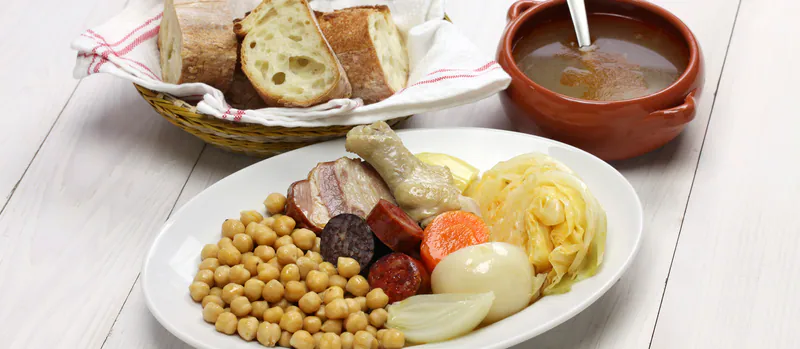
Cocido madrileño (Madrid chickpea and meat stew)
 Spanish · 4 h 30 min · 857 kcal
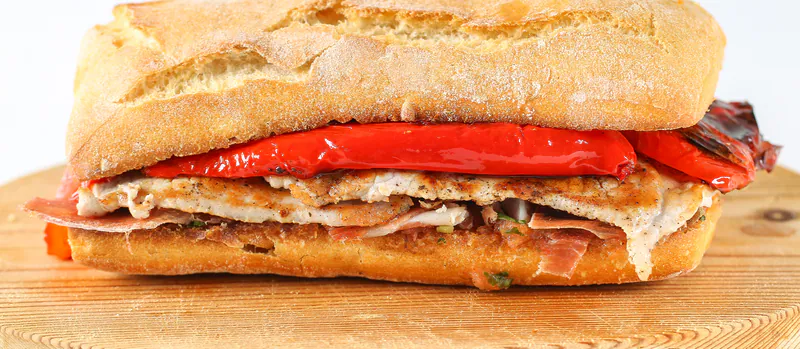
Serranito (Seville pork and jamón sandwich)
Spanish · 25 min · 565 kcal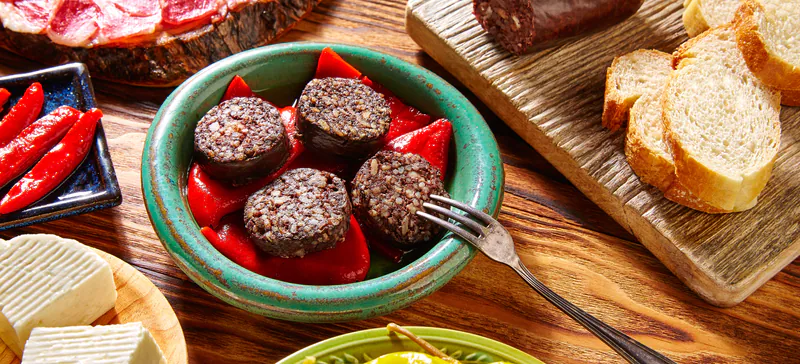
Morcilla de Burgos frita (fried Burgos blood sausage with peppers)
Spanish · 30 min · 669 kcal
Fabada asturiana
Spanish · 1 h 35 min · 581 kcal