
 Bosnian · Balkan · Main courses
Japrak (Herzegovinian stuffed collard leaves)
Non-vegetarian
Japrak
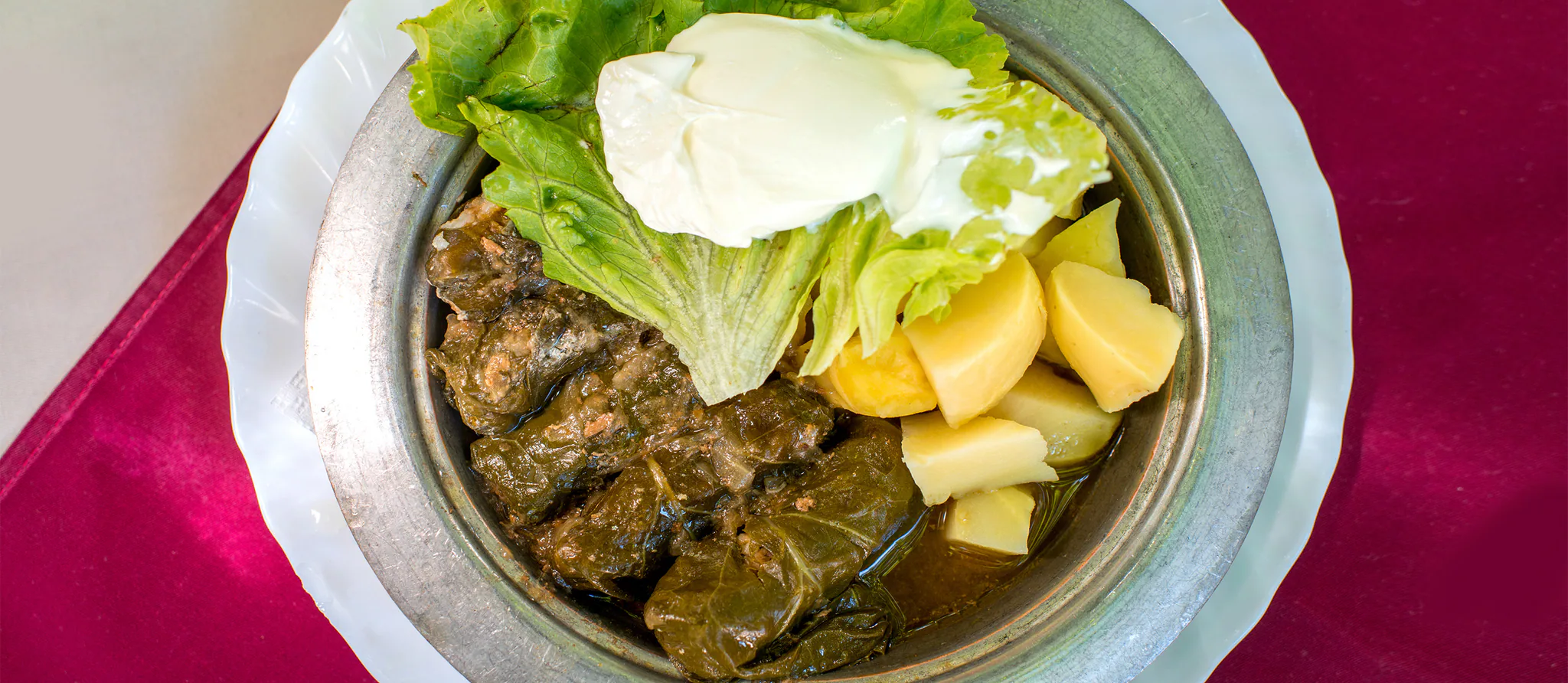
Small, tight rolls of blanched raštika (collard) leaves stuffed with minced beef or veal, rice, onion and mint, simmered slowly and finished with a paprika roux. A Herzegovinian take on Ottoman dolma, served with yoghurt or sour cream.
Japrak (Herzegovinian stuffed collard leaves) is a Bosnian main course from Bosnia and Herzegovina, ready in about 2 hours 40 minutes and made with collard greens, ground beef and short-grain rice. It serves 6 and is rated intermediate to cook.
- Prep
- 50 min
- Cook
- 1 h 40 min
- Rest
- 10 min
- Total
- 2 h 40 min
- Serves
- 6
- Level
- Intermediate
- Calories
- 426
Main ingredients
Ingredients
For the leaves
For the filling
For cooking
For the roux
To serve
Method
Leaves
15 minStep 1
Bring a large pot of salted water to the boil. Blanch the leaves a few at a time for 2–3 minutes until pliable, then drain and cool. Cut out the thick central rib, halving very large leaves; keep any torn leaves and trimmings.
Filling
37 minStep 2
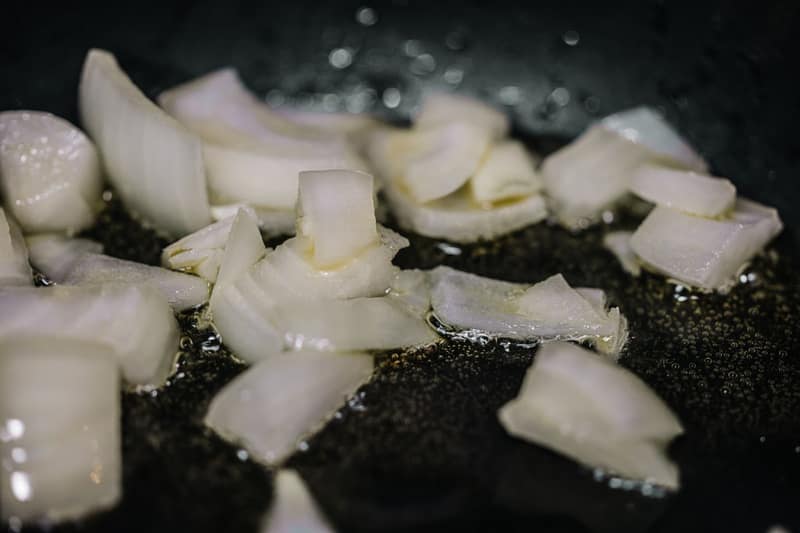
Fry the onion (opens in a new tab) in 3 tbsp oil until soft, 8 minutes, add the garlic (opens in a new tab) for a minute and cool slightly. Mix with the beef, rice, mint, paprika (opens in a new tab), salt and pepper (opens in a new tab).
Food safety: Wash hands, boards and knives after handling raw meat, and keep it apart from salad and other ready-to-eat food.
How it looks · Photo: Magda Ehlers on Pexels Step 3
Lay a leaf flat, put a small sausage of filling (about 1 tbsp) near the base, fold in the sides and roll up tightly into a little cigar. Repeat with the remaining leaves and filling.
- 25 min
Cooking
1 h 30 minStep 4
Line the base of a heavy pot with the trimmings. Pack the rolls in tightly, seam side down, in layers. Pour over the hot water to just cover, set a small plate on top to keep them in place, cover and simmer very gently for 1½ hours, until the leaves are tender and the rice cooked.
- 90 min
- low heat
- Dutch oven / casserole pot (opens in a new tab)
Roux
8 minStep 5
For the roux, warm 2 tbsp oil in a small pan, stir in the flour and cook for a minute until golden, then take off the heat and stir in the paprika (opens in a new tab). Whisk in a ladle of the cooking liquid and pour it over the japrak. Shake the pot and simmer for 5 minutes more, then rest for 10 minutes.
- 8 min
- low heat
- Frying pan / skillet (opens in a new tab)
To serve
1 minStep 6
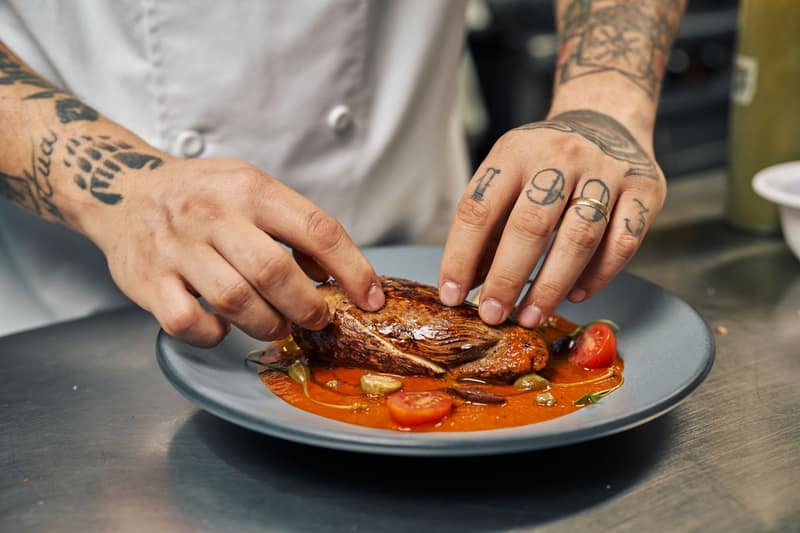
Serve warm with yoghurt (opens in a new tab) or sour cream on the side.
- 1 min
How it looks · Photo: Willians Huerta on Pexels
At a glance
1 · Leaves in a pot
 Collard greens
then fry
2 · Filling in a bowl
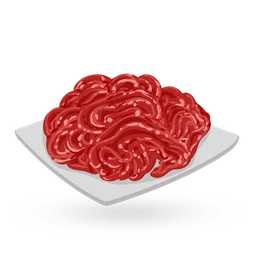 Ground beef
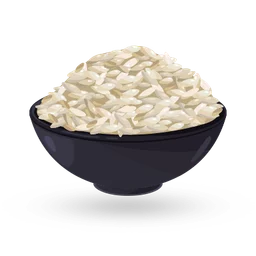 Short-grain rice
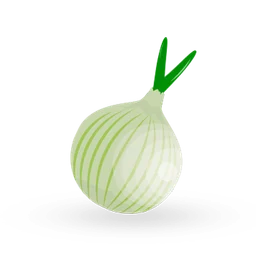 Onion
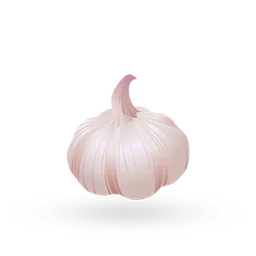 Garlic
 Neutral vegetable oil
 Dried mint
 Paprika
 Salt
 Black pepper
then line
3 · Cooking in a pan
then warm
4 · Roux in a pan
- Neutral vegetable oil
 All-purpose flour
- Paprika
then serve
5 · To serve in a bowl
 Yogurt
About this dish
- Origin
- Herzegovina, Bosnia and Herzegovina · Well documentedThe name comes from the Turkish yaprak, 'leaf'. Raštika, a loose-leaf cabbage close to collard greens, grows all over Herzegovina and coastal Montenegro and Dalmatia, where similar rolls are made.Also popular in Montenegro, Croatia, SerbiaMore food from Bosnia and Herzegovina
Bosnia and Herzegovina - Dish
- Lunch · Dinner · Main courses
- Cooking method
- Blanched, Simmered
- Taste
- savoury, herby, earthy
- Diet
- No nut ingredients · High-proteinWorked out from the ingredients. How labels work
All labels
Non-vegetarian · Egg-free · No nut ingredients · No added sugar · Alcohol-free · Pork-free · High-protein · Carb-conscious · Calorie-conscious - Good for
- Make-ahead · Freezer-friendly · Batch cooking
- Cook more with
- Collard greens · Ground beef · Short-grain rice · Onion · Garlic · Dried mint
- Techniques
- Simmering · Blanching · Slow-cooked gravy · Roux thickening
Allergens
- Contains: Milkfrom yogurt
- Contains: Wheatfrom all-purpose flour
- Contains: Glutenfrom all-purpose flour
Based on typical versions of these ingredients and not verified allergen-free. Brands differ and cross-contact happens, so always check labels. For severe allergies, follow your clinician’s advice.
Nutrition
426 kcal per serving
Calculated1 serving ≈ 437 g · recipe makes 6
Where the energy comes from
- Protein 21%
- Carbohydrate 25%
- Fat 55%
| Nutrient | Per serving | Per 100 g* |
|---|---|---|
| Energy | 426 kcal | 98 kcal |
| Protein | 22.1 g | 5.1 g |
| Carbohydrate | 26.4 g | 6 g |
| Net carbohydrate | 21.4 g | 4.9 g |
| Sugars | 4.4 g | 1 g |
| Added sugars | 0 g | 0 g |
| Fibre | 5 g | 1.2 g |
| Fat | 26.3 g | 6 g |
| Saturated fat | 6.8 g | 1.5 g |
| Trans fat | — | — |
| Cholesterol | 63 mg | 14 mg |
| Sodium | 683 mg | 156 mg |
| Salt equivalent | 1.7 g | 0.4 g |
Vitamins & minerals per serving
- Potassium
- 631 mg
- Calcium
- 334 mg
- Iron
- 2.8 mg
- Magnesium
- 61 mg
- Vitamin A (RAE)
- 287 µg
- Vitamin C
- 39 mg
- Vitamin D
- 0.1 µg
- Vitamin B12
- 2 µg
- Folate (DFE)
- 150 µg
How these numbers were made
- Calculated from USDA FoodData Central (SR Legacy) per-100 g values and the listed quantities.
- *Per 100 g of combined raw ingredients; the cooked dish may weigh more or less.
- “—” means the value isn’t known for enough of the ingredients; it is never zero by default.
- Values are estimates for guidance, not for medical dosing. U.S. Department of Agriculture, Agricultural Research Service. FoodData Central, 2019. fdc.nal.usda.gov.
Good to know
Tips
- Keep the rolls small and tight; Herzegovinian japrak are much slimmer than cabbage sarma.
- Japrak taste even better reheated the next day.
Common mistakes
- Boiling hard, which unrolls the leaves and splits them.
Serve with
- Serve with plain yoghurt and fresh bread, or as part of a Ramadan iftar spread.
Food safety
- Wash hands, boards and knives after handling raw meat, and keep it apart from salad and other ready-to-eat food.
Storage
- Keeps 3 days in the fridge; freezes well for 3 months in the cooking liquid.
Reheating
- Reheat gently, covered, with a splash of water until piping hot.
Variations
- Japrak with vine leaves: Blanched vine leaves replace the raštika in spring and early summer.
- Kara lahana sarması (Türkiye): The Turkish Black Sea version with collard greens and a rice-and-meat filling.
Original editorial recipe · FriendsPantry editorial · source: TasteAtlas (dish facts) · Not yet independently reviewed · Added
Recipe DNA
How this dish is built
Built from the recipe’s own sections. Each band’s width is its share of the dish by weight. Choose a component to see what it does.
What goes inside
For the filling
- Ground beef500 g
- Short-grain rice, rinsed100 g
- Onion, finely chopped2 piece · 220 g
- Garlic, minced2 clove · 8 g
- Neutral vegetable oil3 tbsp · 41 g
- Dried mint1 tsp · 0.5 g
- Paprika1 tsp · 2.3 g
- Salt1.5 tsp · 9 g
- Black pepper0.5 tsp · 1.2 g
Reviews & corrections
Reviews come from signed-in cooks and appear after a moderator checks them. We never show made-up ratings.
You might also like
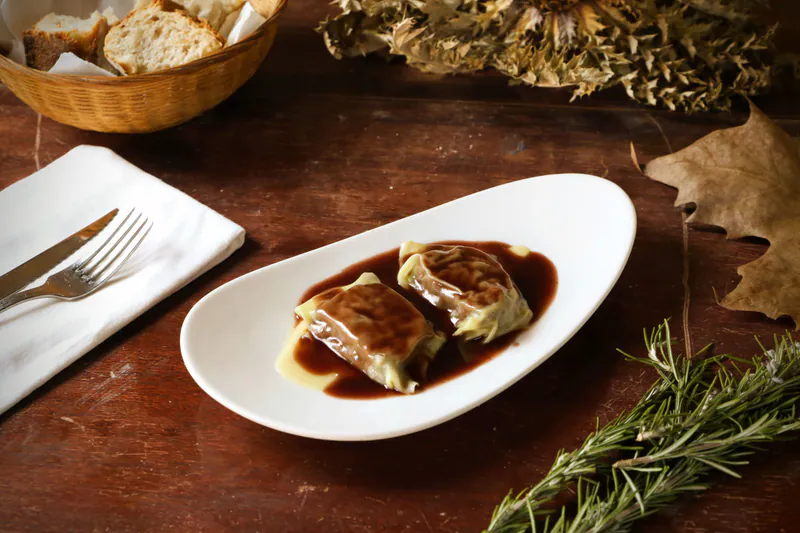
Sarma (sour cabbage rolls)
 Serbian · 4 h 5 min · 406 kcal
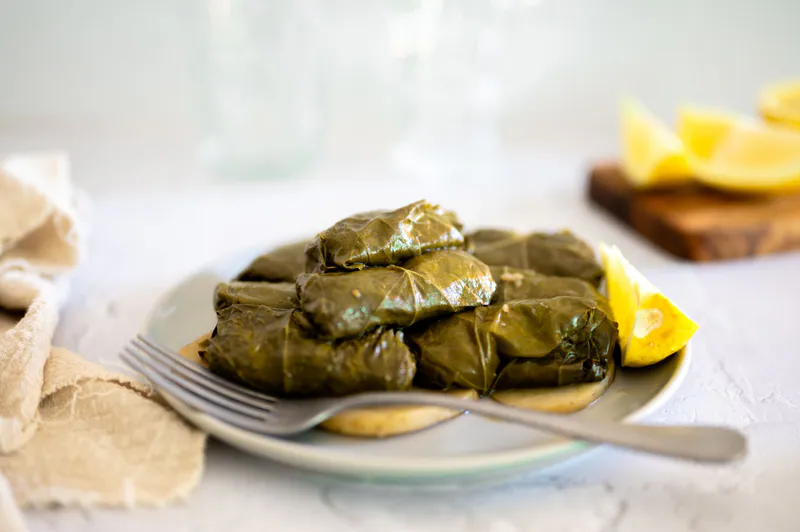
Dolmadakia (rice-stuffed vine leaves)
 Greek · 2 h 45 min · 382 kcal · Vegetarian
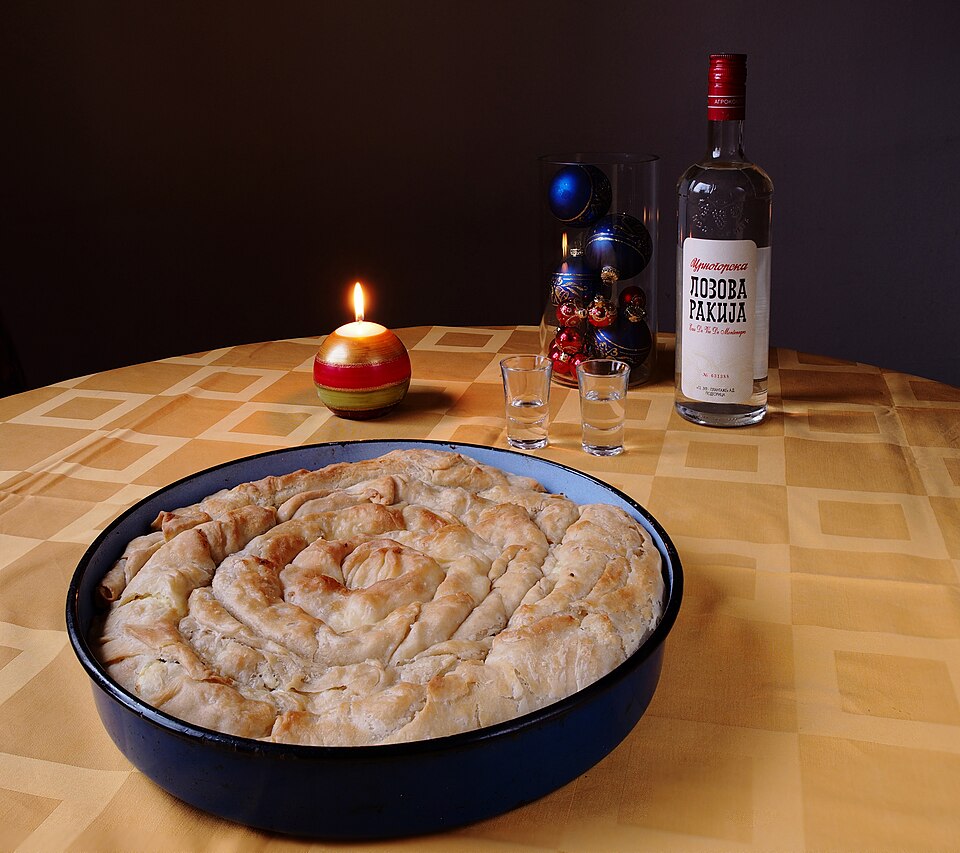
Bosnian meat burek
Bosnian · 1 h 25 min · 577 kcal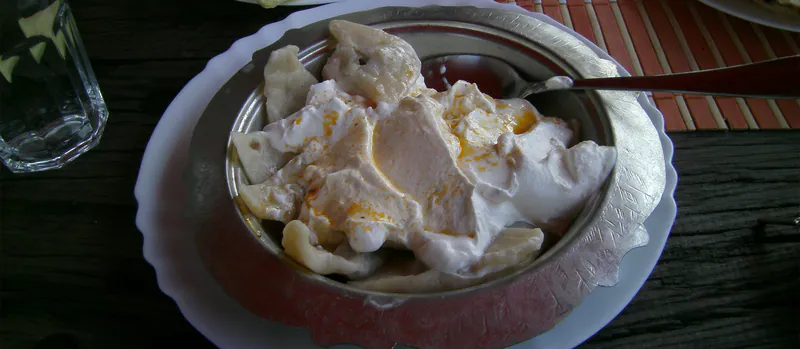
Klepe (Bosnian meat dumplings)
Bosnian · 1 h 35 min · 630 kcal