

Balandėliai (Lithuanian cabbage rolls)
Non-vegetarian
Balandėliai
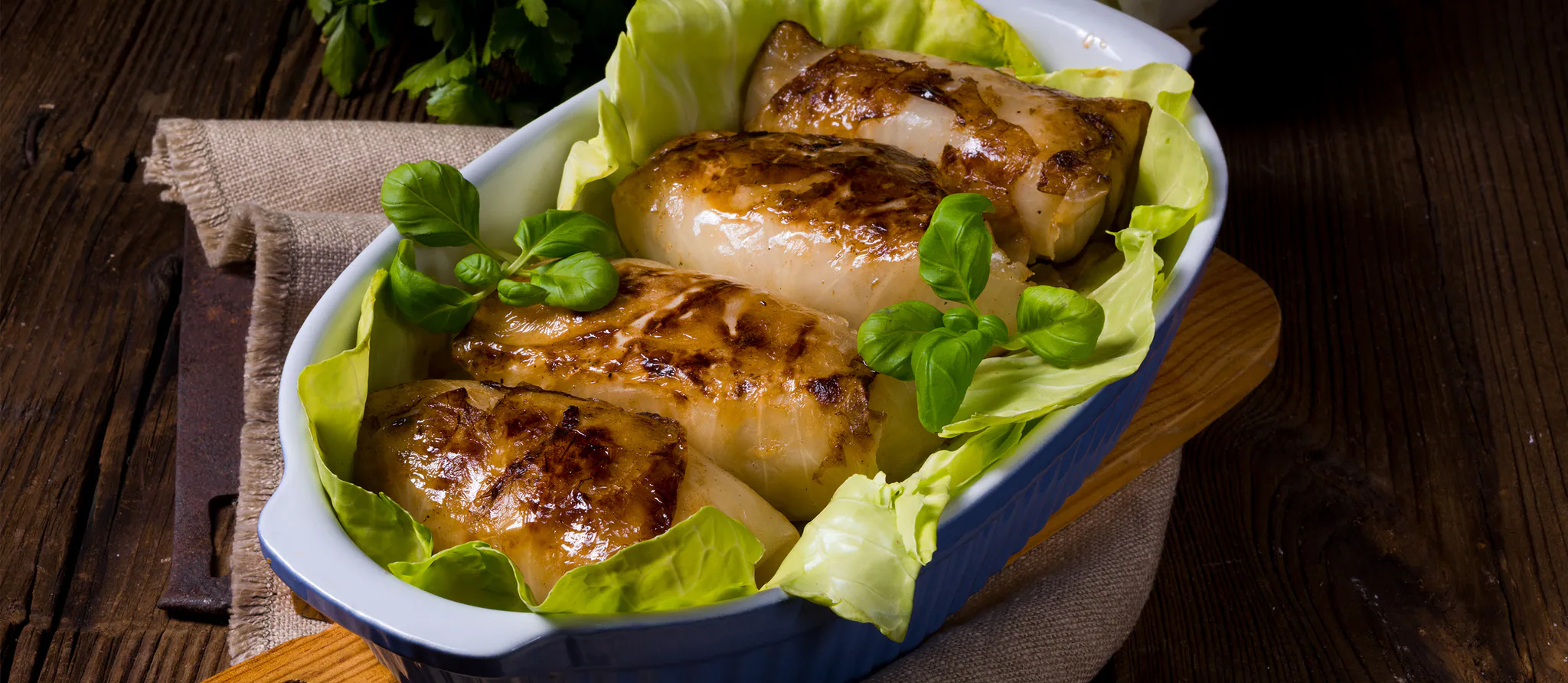
Soft cabbage leaves wrapped around a filling of minced pork and beef with rice, onion, garlic and sweet pepper, simmered in a tomato sauce and finished with sour cream. Lithuania's 'little pigeons', a hearty family lunch.
Balandėliai (Lithuanian cabbage rolls) is a Lithuanian main course, ready in about 2 hours 5 minutes and made with cabbage, ground pork and long-grain white rice. It serves 6 and is rated intermediate to cook.
- Prep
- 45 min
- Cook
- 1 h 20 min
- Total
- 2 h 5 min
- Serves
- 6
- Level
- Intermediate
- Calories
- 497
Main ingredients
Ingredients
For the rolls
For the filling
For the sauce
To serve
Method
Rolls
15 minStep 1
Cut out the core of the cabbage (opens in a new tab) with a small knife. Lower the head into a large pot of boiling salted water and peel off the outer leaves with tongs (opens in a new tab) as they soften, 2–3 minutes each. Drain, then shave down the thick rib of each leaf so it rolls easily.
Filling
5 minStep 2
Mix the pork, beef, half-cooked rice, egg (opens in a new tab), onion (opens in a new tab), garlic (opens in a new tab), red pepper (opens in a new tab), salt and pepper (opens in a new tab) thoroughly.
Food safety: Wash hands, boards and knives after handling raw meat, and keep it apart from salad and other ready-to-eat food.
Sauce
1 h 26 minStep 3
Put 2 tbsp filling near the base of each leaf, fold in the sides and roll up firmly. Brown the rolls briefly in the oil on both sides in a frying pan.
- 20 min
- medium heat
- Frying pan / skillet (opens in a new tab)
Step 4
Line a heavy pot with the small torn leaves, pack in the rolls seam-side down, tuck in the bay leaves (opens in a new tab) and pour over the passata mixed with the water. Cover and simmer gently for 1 hour, until the cabbage (opens in a new tab) is tender and the filling cooked through (71 °C).
- 60 min
- low heat
- Dutch oven / casserole pot (opens in a new tab)
Step 5
Whisk the sour cream (opens in a new tab) with the flour and a ladle of the hot sauce, pour it over the rolls and shake the pot gently. Simmer for 5 more minutes and scatter with dill (opens in a new tab).
- 6 min
- low heat
How it looks · Photo: Kampus Production on Pexels
At a glance
1 · Rolls in a pot
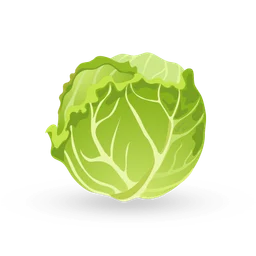 Cabbage
then mix
2 · Filling in a bowl
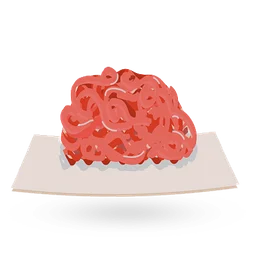 Ground pork
 Ground beef
 Long-grain white rice
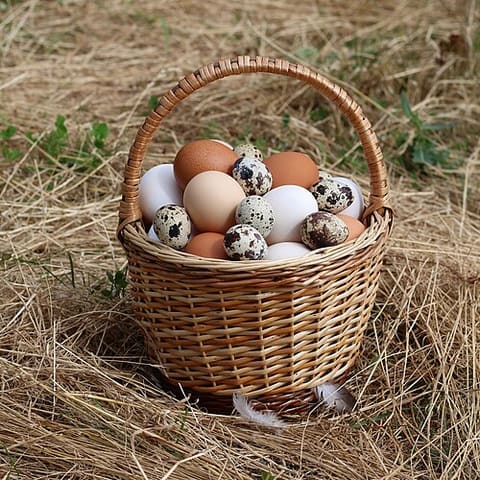 Egg
 Onion
 Garlic
 Red bell pepper
 Salt
 Black pepper
then put
3 · Sauce in a pan
 Neutral vegetable oil
 Tomato passata
 Bay leaves
 Sour cream
 All-purpose flour
About this dish
- Origin
- Lithuania · Commonly attributedCabbage rolls are thought to have reached the Grand Duchy of Lithuania with the Tatars in the 14th–15th centuries; the Lithuanian name, like the Polish gołąbki, means 'little pigeons'.Also popular in Latvia, BelarusMore food from Lithuania
Lithuania - Dish
- Lunch · Dinner · Main courses · Stews & braises
- Cooking method
- Blanched, Braised, Pan-fried
- Taste
- savoury, tangy, creamy
- Diet
- No nut ingredients · High-proteinWorked out from the ingredients. How labels work
All labels
Non-vegetarian · No nut ingredients · No added sugar · Alcohol-free · High-protein · Low-sodium · Calorie-conscious - Good for
- Batch cooking · Freezer-friendly · Make-ahead
- Cook more with
- Cabbage · Ground pork · Long-grain white rice · Sour cream · Ground beef · Egg
- Techniques
- Pan-frying · Boiling · Simmering · Blanching · Braising
Allergens
- Contains: Milkfrom sour cream
- Contains: Eggsfrom egg
- Contains: Wheatfrom all-purpose flour
- Contains: Glutenfrom all-purpose flour
Based on typical versions of these ingredients and not verified allergen-free. Brands differ and cross-contact happens, so always check labels. For severe allergies, follow your clinician’s advice.
Nutrition
497 kcal per serving
Calculated1 serving ≈ 575 g · recipe makes 6
Where the energy comes from
- Protein 18%
- Carbohydrate 33%
- Fat 49%
| Nutrient | Per serving | Per 100 g* |
|---|---|---|
| Energy | 497 kcal | 86 kcal |
| Protein | 23 g | 4 g |
| Carbohydrate | 41.7 g | 7.3 g |
| Net carbohydrate | 32.8 g | 5.7 g |
| Sugars | — | — |
| Added sugars | 0 g | 0 g |
| Fibre | 9 g | 1.6 g |
| Fat | 28 g | 4.9 g |
| Saturated fat | 10 g | 1.7 g |
| Trans fat | — | — |
| Cholesterol | 109 mg | 19 mg |
| Sodium | 534 mg | 93 mg |
| Salt equivalent | 1.3 g | 0.2 g |
Vitamins & minerals per serving
- Potassium
- 1198 mg
- Calcium
- 186 mg
- Iron
- 5 mg
- Magnesium
- 80 mg
- Vitamin A (RAE)
- 124 µg
- Vitamin C
- 129 mg
- Vitamin D
- —
- Vitamin B12
- 1.2 µg
- Folate (DFE)
- 209 µg
How these numbers were made
- Calculated from USDA FoodData Central (SR Legacy) per-100 g values and the listed quantities.
- *Per 100 g of combined raw ingredients; the cooked dish may weigh more or less.
- Optional ingredients are not included: dill.
- “—” means the value isn’t known for enough of the ingredients; it is never zero by default.
- Values are estimates for guidance, not for medical dosing. U.S. Department of Agriculture, Agricultural Research Service. FoodData Central, 2019. fdc.nal.usda.gov.
Good to know
Tips
- Freeze the whole cabbage overnight and thaw it instead of boiling: the leaves become soft and pliable.
Serve with
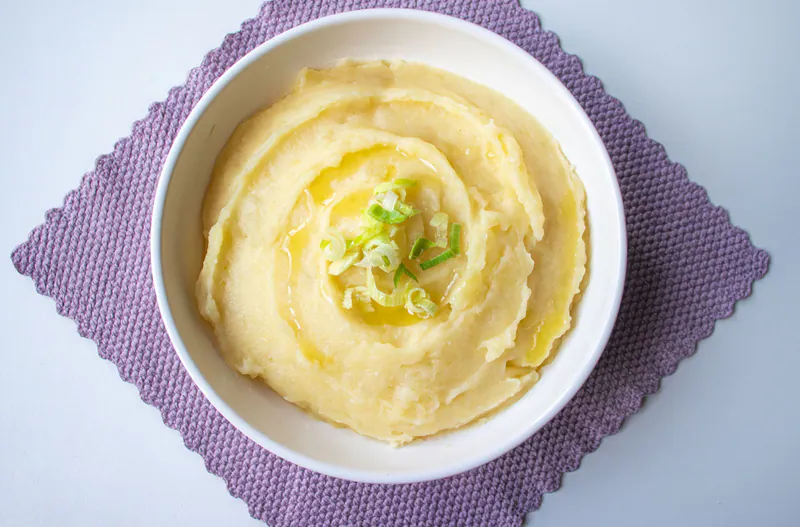
- Serve with boiled or mashed potatoes, extra sour cream and rye bread.
Food safety
- Wash hands, boards and knives after handling raw meat, and keep it apart from salad and other ready-to-eat food.
Storage
- Keeps 3 days in the fridge and freezes for 3 months in their sauce; they taste better the next day.
Reheating
- Reheat gently, covered, until piping hot throughout.
Variations
- Oven-baked balandėliai: Baked covered at 180 °C for 1 hour instead of simmering.
- Mushroom balandėliai: Filled with rice, buckwheat and wild mushrooms for fasting days.
Original editorial recipe · FriendsPantry editorial · source: TasteAtlas (dish facts) · Not yet independently reviewed · Added
Recipe DNA
How this dish is built
Built from the recipe’s own sections. Each band’s width is its share of the dish by weight. Choose a component to see what it does.
The body of the dish
For the sauce
- Neutral vegetable oil2 tbsp · 27 g
- Tomato passata500 ml · 520 g
- Water300 ml · 300 g
- Bay leaves2 leaf · 0.4 g
- Sour cream200 g
- All-purpose flour1 tbsp · 7.8 g
Reviews & corrections
Reviews come from signed-in cooks and appear after a moderator checks them. We never show made-up ratings.
You might also like
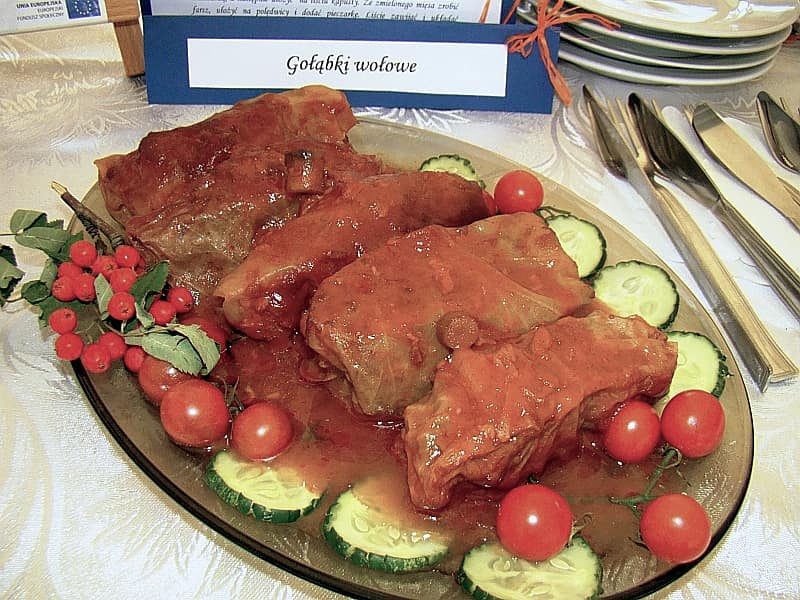
Gołąbki
 Polish · 1 h 55 min · 380 kcal
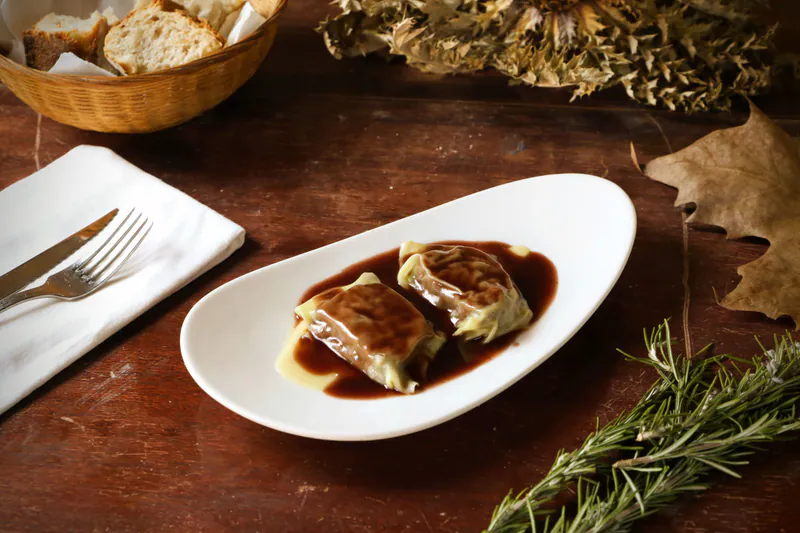
Sarma (sour cabbage rolls)
 Serbian · 4 h 5 min · 406 kcal
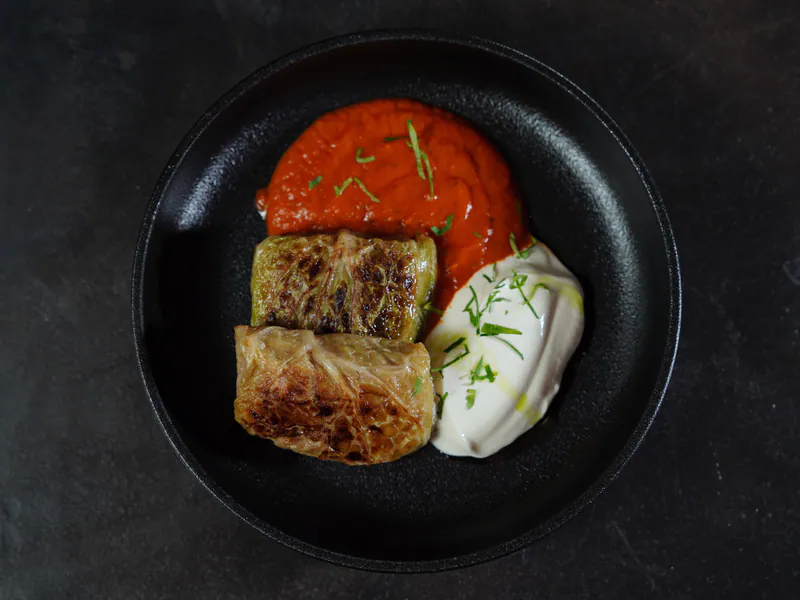
Sarmale
 Romanian · 4 h · 453 kcal
Töltött káposzta
 Hungarian · 3 h · 601 kcal