
 Jordanian · Levantine · Main courses
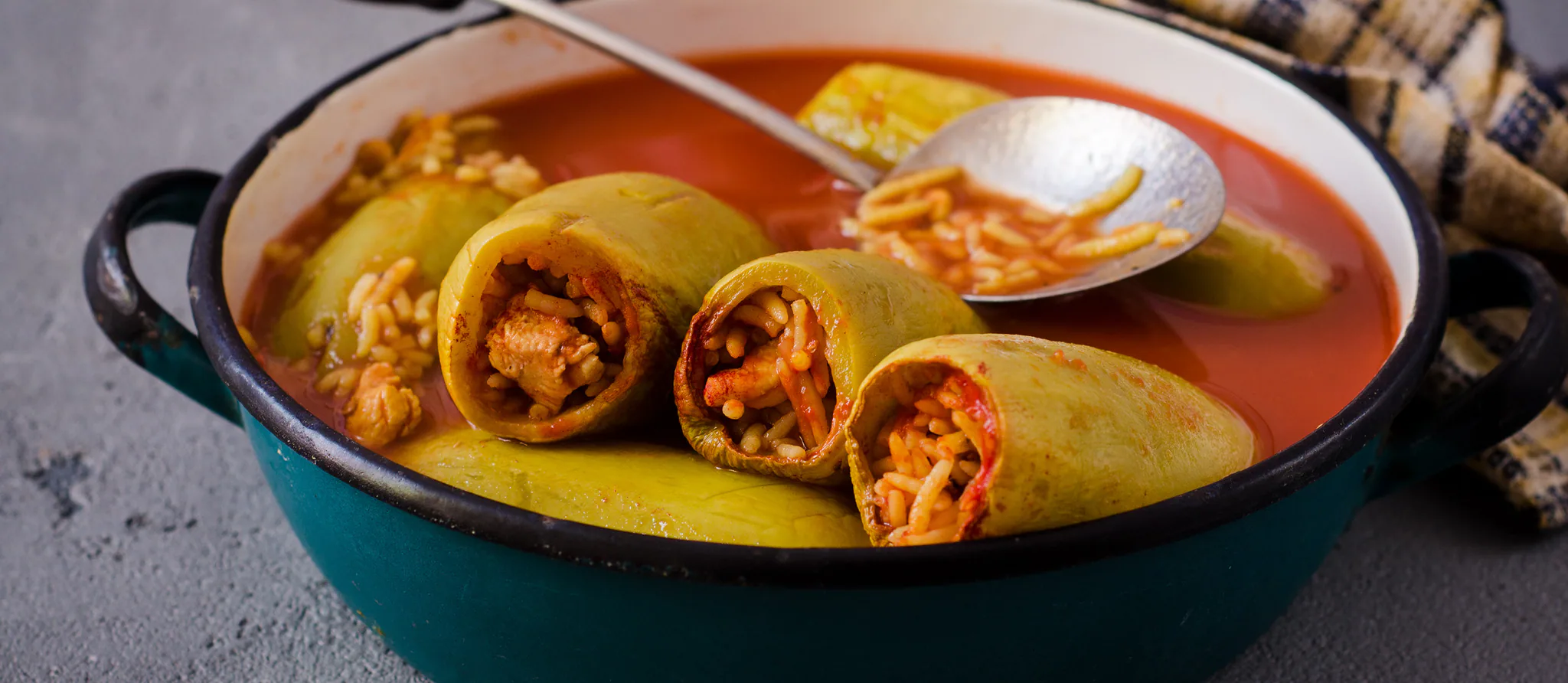
Kousa mahshi (Levantine stuffed courgettes)
Non-vegetarian
محشي كوسا · maḥshī kūsā
Small pale courgettes hollowed out and filled with rice, minced lamb or beef, ghee and allspice, then simmered in a garlicky tomato broth with dried mint. A family Sunday dish across Jordan, Lebanon, Syria and Palestine, often cooked with stuffed vine leaves in the same pot.
Kousa mahshi (Levantine stuffed courgettes) is a Jordanian main course, ready in about 1 hour 45 minutes and made with zucchini, short-grain rice and ground lamb. It serves 4 and is rated intermediate to cook.
- Prep
- 45 min
- Cook
- 50 min
- Rest
- 10 min
- Total
- 1 h 45 min
- Serves
- 4
- Level
- Intermediate
- Calories
- 537
Main ingredients
Ingredients
For the courgettes
For the filling
For the tomato broth
To serve
Method
Courgettes
20 minStep 1
Cut the stem ends off the courgettes (opens in a new tab). Using an apple corer or a long thin knife, hollow each one, leaving walls about 5 mm thick and the bottom closed. Rinse inside and out.
Twist gently; a pierced courgette will leak its filling.
Filling
14 minStep 2
Drain the rice and mix it in a bowl with the lamb, melted ghee (opens in a new tab), allspice (opens in a new tab), cumin (opens in a new tab), pepper (opens in a new tab) and salt.
Step 3
Fill each courgette (opens in a new tab) about three-quarters full, without packing, so the rice has room to swell. Lay them snugly in a heavy pot.
- 10 min
Tomato broth
46 minStep 4
Mix the crushed tomatoes (opens in a new tab), tomato paste (opens in a new tab), water and salt and pour over the courgettes (opens in a new tab) so they are just covered. Weigh them down with a small upturned plate, bring to the boil, then cover and simmer for 40 minutes.
- 40 min
- low heat
- Dutch oven / casserole pot (opens in a new tab)
Food safety: Cook minced meat until no pink remains (71 °C in the centre); whole cuts of beef and lamb can be served less done, but not pork or poultry.
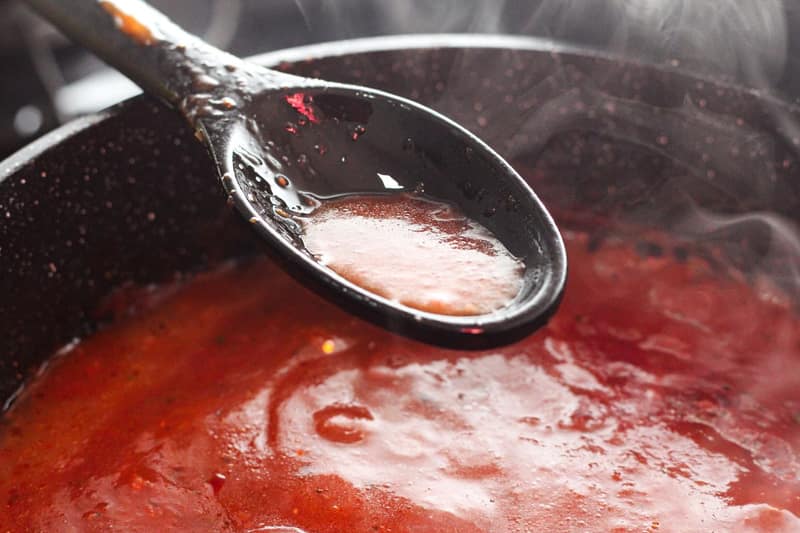
How it looks · Photo: Nanda Mends on Pexels Step 5
Stir the crushed garlic (opens in a new tab), dried mint (opens in a new tab) and lemon juice (opens in a new tab) into the broth and simmer for 5 minutes more. Rest for 10 minutes off the heat, then serve with the broth, scattered with pine nuts (opens in a new tab) and parsley (opens in a new tab).
- 6 min
- low heat
At a glance
1 · Courgettes in a bowl
 Zucchini
then drain
2 · Filling in a bowl
 Short-grain rice
 Ground lamb
 Ghee
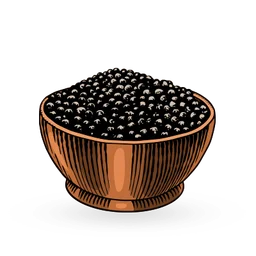 Allspice
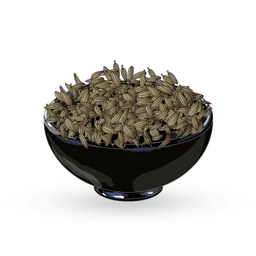 Cumin
 Black pepper
 Salt
then mix
3 · Tomato broth in a pot
 Canned tomatoes
 Tomato paste
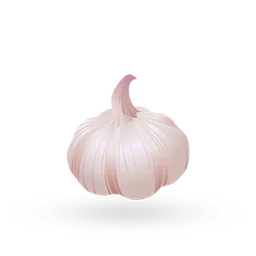 Garlic
 Dried mint
- Salt
 Lemon juice
About this dish
- Origin
- The Levant, Jordan · Commonly attributedEaten all over the Levant; stuffed gourds are described in medieval Arabic cookery books. Some families cook the courgettes in yoghurt (kousa bi laban) instead of tomato.Also popular in Lebanon, Syria, PalestineMore food from Jordan
Jordan - Dish
- Lunch · Dinner · Main courses
- Cooking method
- Simmered, Stewed
- Taste
- savoury, tangy, aromatic / warmly spiced, garlicky
- Diet
- No gluten ingredients · High-proteinWithout the optional extras: No nut ingredientsWorked out from the ingredients. How labels work
All labels
Non-vegetarian · No gluten ingredients · Egg-free · No added sugar · Alcohol-free · Pork-free · Beef-free · High-protein - Good for
- One-pot · Uses leftovers · Make-ahead
- Cook more with
- Zucchini · Short-grain rice · Ground lamb · Ghee · Allspice · Cumin
- Techniques
- Boiling · Simmering · Stewing · Slow-cooked gravy
Allergens
- Contains: Milkfrom ghee
- Contains, can be adapted: Tree nutsfrom pine nuts
Based on typical versions of these ingredients and not verified allergen-free. Brands differ and cross-contact happens, so always check labels. For severe allergies, follow your clinician’s advice.
Nutrition
537 kcal per serving
Calculated1 serving ≈ 738 g · recipe makes 4
Where the energy comes from
- Protein 15%
- Carbohydrate 42%
- Fat 43%
| Nutrient | Per serving | Per 100 g* |
|---|---|---|
| Energy | 537 kcal | 73 kcal |
| Protein | 21 g | 2.9 g |
| Carbohydrate | 56.9 g | 7.7 g |
| Net carbohydrate | — | — |
| Sugars | — | — |
| Added sugars | 0 g | 0 g |
| Fibre | — | — |
| Fat | 25.9 g | 3.5 g |
| Saturated fat | 12.2 g | 1.7 g |
| Trans fat | — | — |
| Cholesterol | 72 mg | 10 mg |
| Sodium | 1361 mg | 184 mg |
| Salt equivalent | 3.4 g | 0.5 g |
Vitamins & minerals per serving
- Potassium
- 1309 mg
- Calcium
- 142 mg
- Iron
- 4.2 mg
- Magnesium
- 105 mg
- Vitamin A (RAE)
- —
- Vitamin C
- 70 mg
- Vitamin D
- 0.1 µg
- Vitamin B12
- 1.7 µg
- Folate (DFE)
- 100 µg
How these numbers were made
- Calculated from USDA FoodData Central (SR Legacy) per-100 g values and the listed quantities.
- *Per 100 g of combined raw ingredients; the cooked dish may weigh more or less.
- Optional ingredients are not included: lemon juice, pine nuts, parsley.
- “—” means the value isn’t known for enough of the ingredients; it is never zero by default.
- Values are estimates for guidance, not for medical dosing. U.S. Department of Agriculture, Agricultural Research Service. FoodData Central, 2019. fdc.nal.usda.gov.
Good to know
Tips
- Cook stuffed vine leaves (warak enab) on top of the courgettes in the same pot, as many Levantine families do.
Common mistakes
- Overfilling the courgettes — the rice expands and splits them.
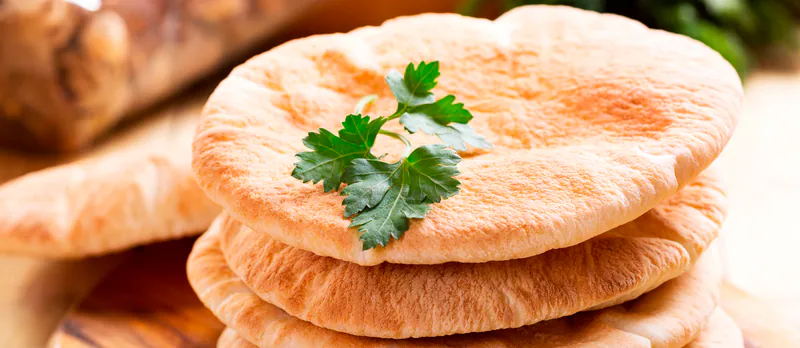
Food safety
- Cook minced meat until no pink remains (71 °C in the centre); whole cuts of beef and lamb can be served less done, but not pork or poultry.
Storage
- Keeps 3 days refrigerated; tastes better the next day.
Reheating
- Reheat gently in the broth until piping hot.
Variations
- Kousa bi laban: The stuffed courgettes are simmered in a garlicky cooked yoghurt sauce instead of tomato.
- Vegetarian kousa: Filled with rice, chickpeas, tomato and herbs and cooked in olive oil; served cold.
Original editorial recipe · FriendsPantry editorial · source: TasteAtlas (dish facts) · Not yet independently reviewed · Added
Recipe DNA
How this dish is built
Built from the recipe’s own sections. Each band’s width is its share of the dish by weight. Choose a component to see what it does.
The liquid foundation
For the tomato broth
- Canned tomatoes, crushed400 g
- Tomato paste2 tbsp · 33 g
- Water750 ml · 750 g
- Garlic, crushed with a pinch of salt6 clove · 24 g
- Dried mint1 tbsp · 1.5 g
- Salt1 tsp · 6 g
- Lemon juice (optional)2 tbsp · 31 g
Reviews & corrections
Reviews come from signed-in cooks and appear after a moderator checks them. We never show made-up ratings.
You might also like
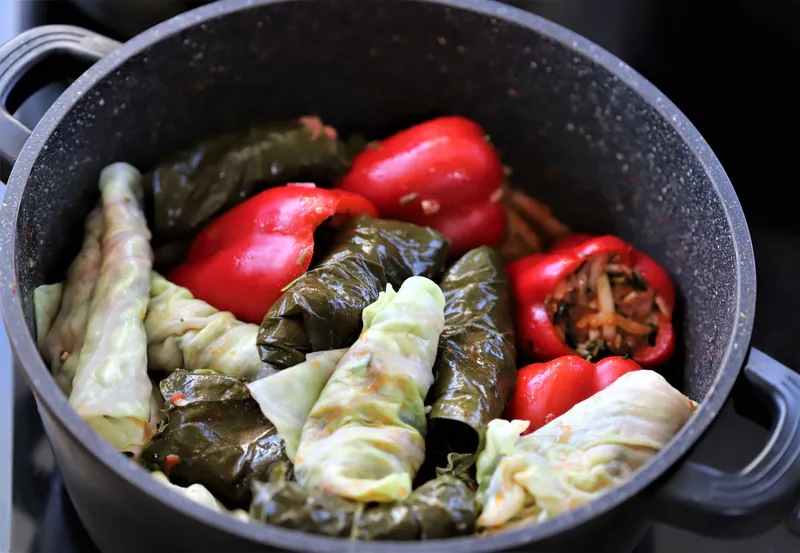
Egyptian mahshi (stuffed vegetables)
 Egyptian · 1 h 40 min · 417 kcal · Vegan
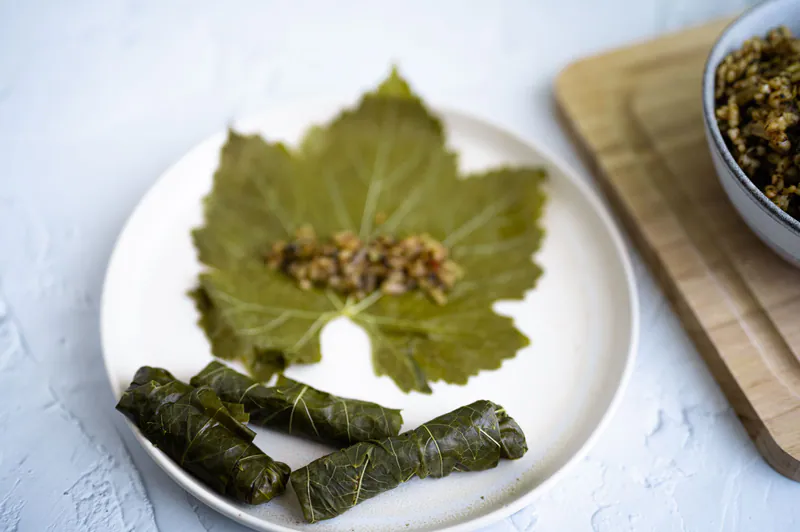
Yalanji
 Syrian · 2 h 50 min · 303 kcal · Vegan
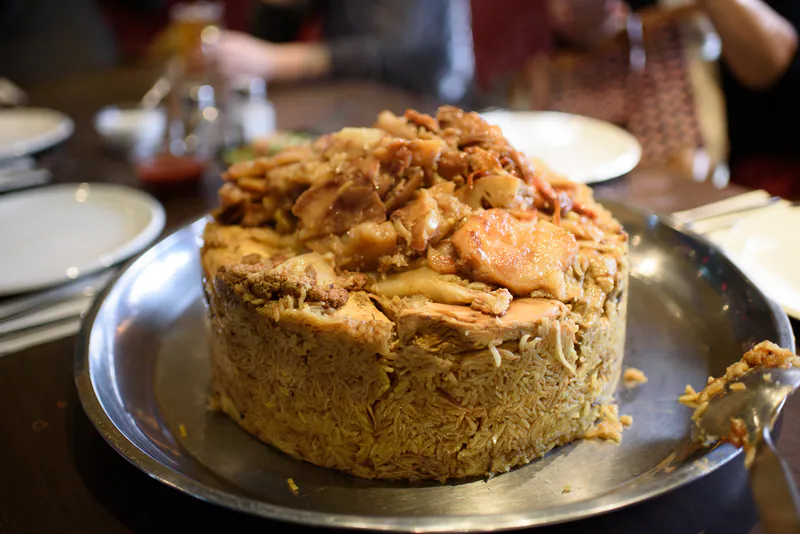
Maqluba
 Palestinian · 2 h 15 min · 762 kcal
Malfuf (Levantine stuffed cabbage rolls)
Jordanian · 2 h 10 min · 487 kcal