
Dōngpō ròu (Dongpo pork)
Non-vegetarian
东坡肉 · dōngpō ròu
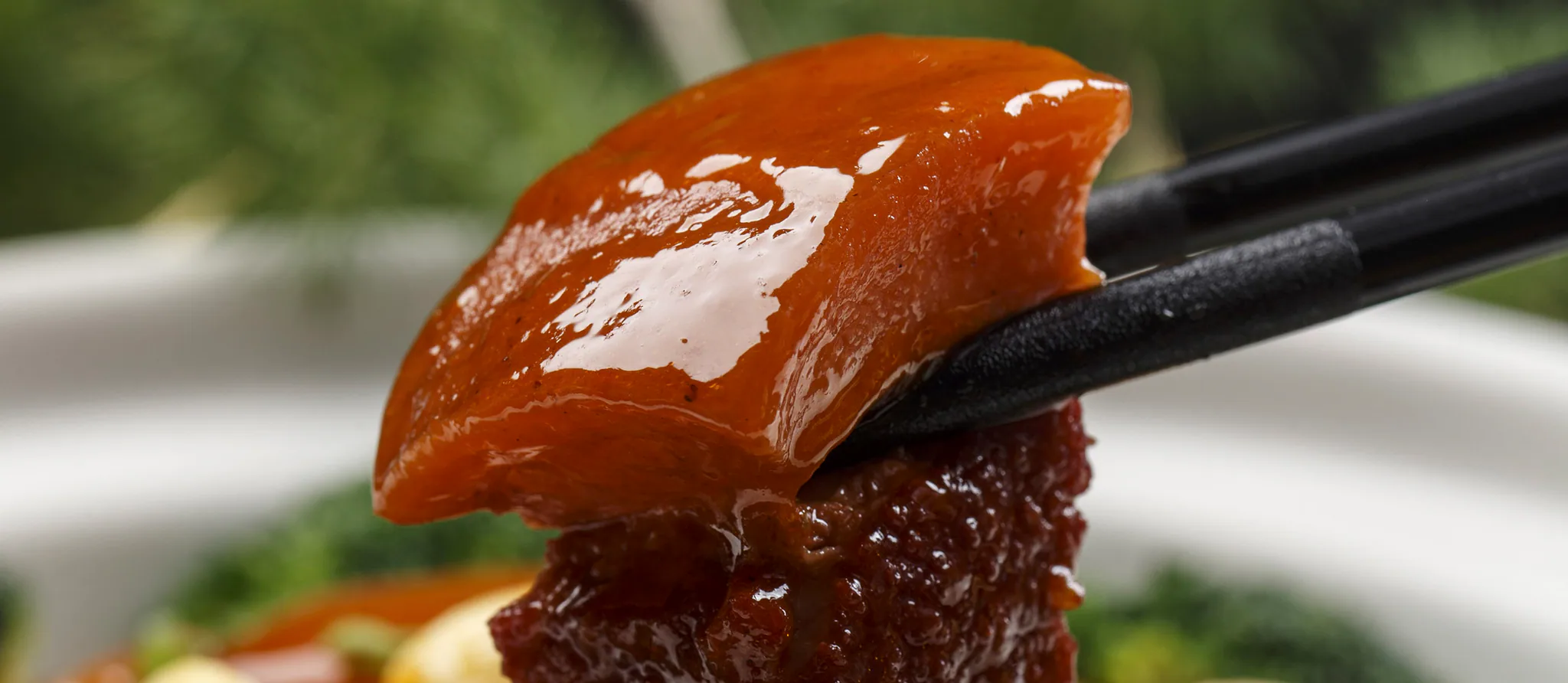
Neat squares of skin-on pork belly slowly braised in Shaoxing wine, soy sauce and rock sugar on a bed of ginger and spring onions, then steamed until they wobble and can be cut with chopsticks. Hangzhou's most famous dish.
Dōngpō ròu (Dongpo pork) is a Chinese main course from China, ready in about 3 hours 5 minutes and made with pork belly, shaoxing wine and soy sauce. It serves 6 and is rated intermediate to cook.
- Prep
- 25 min
- Cook
- 2 h 40 min
- Total
- 3 h 5 min
- Serves
- 6
- Level
- Intermediate
- Calories
- 1000
Main ingredients
Ingredients
For blanching
For the braise
Method
Blanching
20 minStep 1
Put the pork in a pot of cold water, bring to the boil and blanch for 10 minutes. Rinse under warm water and cut into 5–6 cm squares. Tie each square around the sides with kitchen string like a parcel so it keeps its shape.
Braise
2 h 43 minStep 2
Line the bottom of a heavy casserole (traditionally a clay pot) with the spring onions (opens in a new tab) and ginger. Lay the pork on top, skin side down, in a single snug layer.
Step 3
Add the Shaoxing wine (opens in a new tab), both soy sauces (opens in a new tab), the sugar (opens in a new tab) and the water. Bring to the boil, cover tightly and simmer very gently for 1½ hours.
- 90 min
- low heat
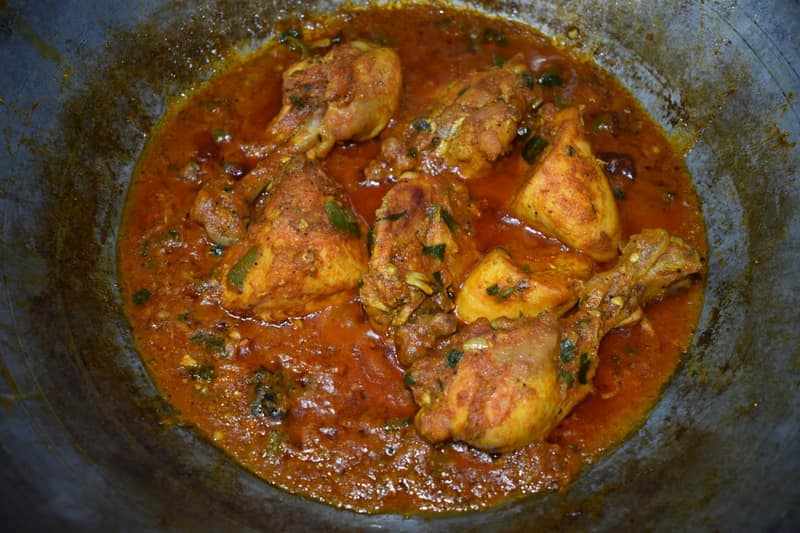
How it looks · Photo: Bachir Mamud on Pexels Step 4
Turn the pork skin side up and simmer, covered, for 30 minutes more, until the skin is glossy and very soft.
- 30 min
- low heat
Step 5
Transfer the pork, skin up, to individual heatproof bowls or one dish, spoon over a little of the liquid and steam for 30 minutes.
- 30 min
- medium heat
- Steamer (opens in a new tab)
This final steaming makes the fat melt-in-the-mouth without falling apart.
Step 6
Meanwhile strain the braising liquid and boil it down until syrupy. Snip off the strings, pour the glaze over the pork and serve.
- 10 min
- high heat
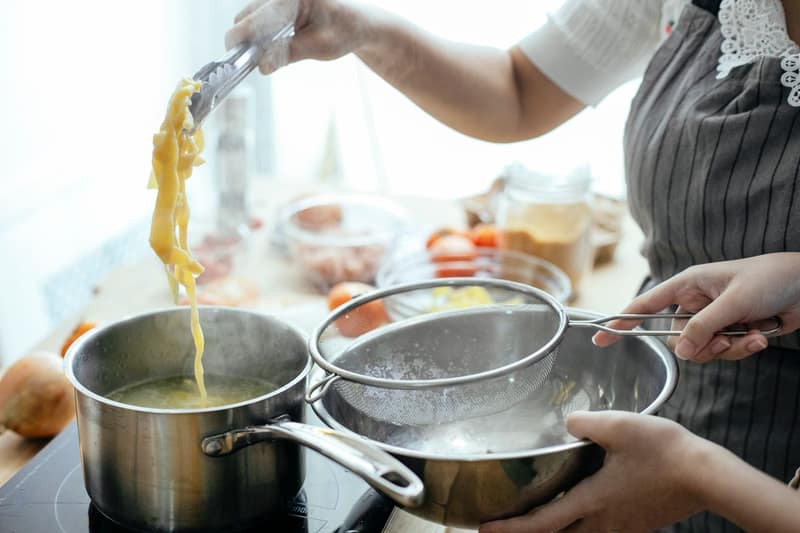
How it looks · Photo: Katerina Holmes on Pexels
At a glance
1 · Blanching in a pot
 Pork belly
then line
2 · Braise in a pot
 Spring onion
 Fresh ginger
 Shaoxing wine
 Soy sauce
 Sugar
About this dish
- Origin
- Hangzhou, Zhejiang, China · Commonly attributedNamed after the Song dynasty poet and official Su Shi (Su Dongpo), who is said to have created or inspired the dish.Also popular in TaiwanMore food from China
China - Dish
- Lunch · Dinner · Main courses
- Cooking method
- Braised, Steamed, Boiled
- Taste
- sweet & savoury, umami, rich, aromatic / warmly spiced
- Diet
- Dairy-free · No nut ingredients · Low-carbWorked out from the ingredients. How labels work
All labels
Non-vegetarian · Dairy-free · Egg-free · No nut ingredients · Beef-free · Low-carb - Good for
- Festive & celebration · Make-ahead
- Cook more with
- Pork belly · Shaoxing wine · Soy sauce · Spring onion · Fresh ginger · Sugar
Allergens
- Contains: Wheatfrom shaoxing wine, soy sauce
- Contains: Glutenfrom shaoxing wine, soy sauce
- Contains: Soyfrom soy sauce
Based on typical versions of these ingredients and not verified allergen-free. Brands differ and cross-contact happens, so always check labels. For severe allergies, follow your clinician’s advice.
Nutrition
1000 kcal per serving
Estimated1 serving ≈ 307 g · recipe makes 6
Where the energy comes from
- Protein 8%
- Carbohydrate 6%
- Fat 86%
| Nutrient | Per serving | Per 100 g* |
|---|---|---|
| Energy | 1000 kcal | 326 kcal |
| Protein | 17.7 g | 5.8 g |
| Carbohydrate | 13.7 g | 4.5 g |
| Net carbohydrate | 13 g | 4.2 g |
| Sugars | 7.2 g | 2.4 g |
| Added sugars | 6.7 g | 2.2 g |
| Fibre | 0.7 g | 0.2 g |
| Fat | 88.6 g | 28.8 g |
| Saturated fat | 32.3 g | 10.5 g |
| Trans fat | — | — |
| Cholesterol | 120 mg | 39 mg |
| Sodium | 993 mg | 323 mg |
| Salt equivalent | 2.5 g | 0.8 g |
Vitamins & minerals per serving
- Potassium
- 482 mg
- Calcium
- 32 mg
- Iron
- 1.5 mg
- Magnesium
- 31 mg
- Vitamin A (RAE)
- 13 µg
- Vitamin C
- 4 mg
- Vitamin D
- —
- Vitamin B12
- 1.4 µg
- Folate (DFE)
- 15 µg
How these numbers were made
- Calculated from USDA FoodData Central (SR Legacy) per-100 g values and the listed quantities.
- *Per 100 g of combined raw ingredients; the cooked dish may weigh more or less.
- Shaoxing wine: Sake (FDC 167723) used as a stand-in for Chinese rice cooking wine.
- “—” means the value isn’t known for enough of the ingredients; it is never zero by default.
- Values are estimates for guidance, not for medical dosing. U.S. Department of Agriculture, Agricultural Research Service. FoodData Central, 2019. fdc.nal.usda.gov.
Good to know
Tips
- Choose belly with even layers of fat and lean; a slab about 5 cm thick gives the classic cube shape.
Common mistakes
- Boiling instead of simmering, which toughens the lean meat and breaks up the skin.
Serve with
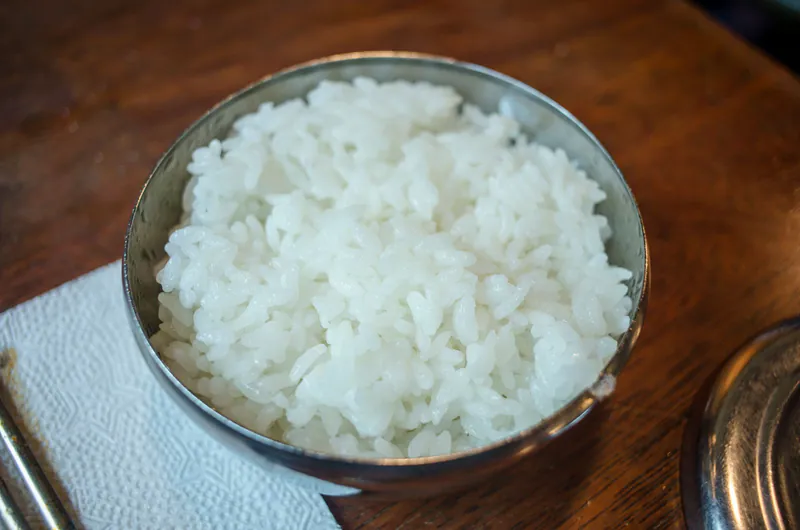
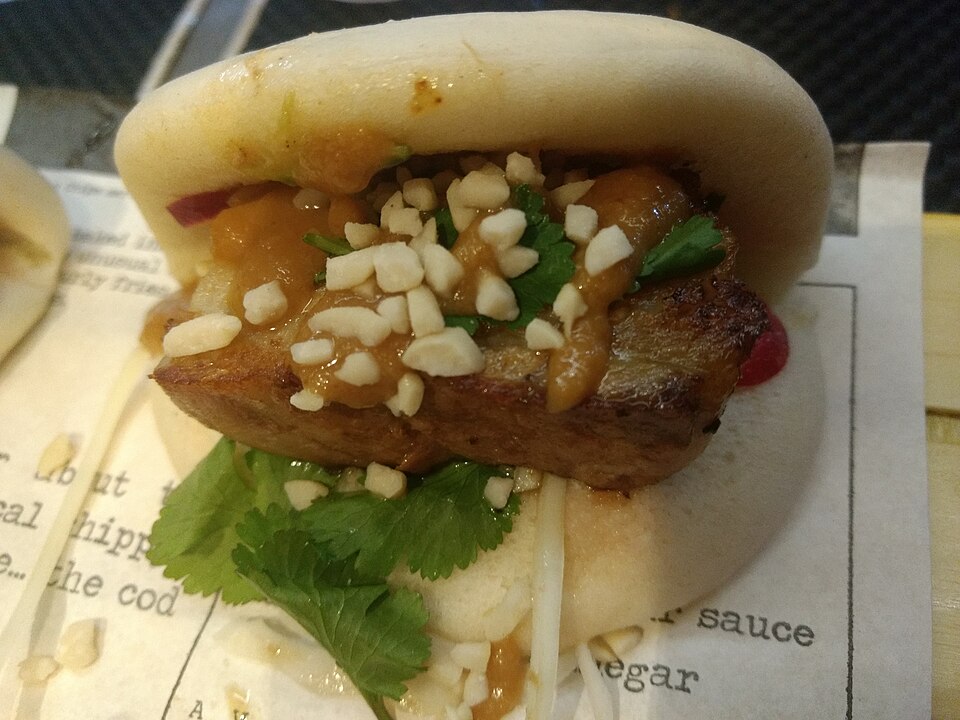
- Serve with steamed rice or folded steamed buns (gua bao) and a plate of stir-fried greens.
Food safety
- Cook whole cuts of pork to at least 63 °C in the centre and rest for 3 minutes; minced pork and sausages to 71 °C.
Storage
- Keeps 4 days in the fridge in its sauce, or 3 months frozen.
Reheating
- Steam for 15 minutes until hot through.
Variations
- Hong shao rou: Shanghai red-braised pork cut in smaller cubes and caramelised in sugar first; less wine, more sauce.
History
Legend says Su Dongpo, while governor of Hangzhou in the 11th century, slow-cooked pork with wine and gave it to the labourers who dredged West Lake; another story has him forgetting a pot of pork during a game of chess.
Confidence: Origin disputed
Original editorial recipe · FriendsPantry editorial · source: TasteAtlas (dish facts) · Not yet independently reviewed · Added
Recipe DNA
How this dish is built
Built from the recipe’s own sections. Each band’s width is its share of the dish by weight. Choose a component to see what it does.
For blanching
- Pork belly, one thick skin-on slab, bristles scraped off1 kg · 1000 g
- Water2 l · 0 g
Reviews & corrections
Reviews come from signed-in cooks and appear after a moderator checks them. We never show made-up ratings.
You might also like
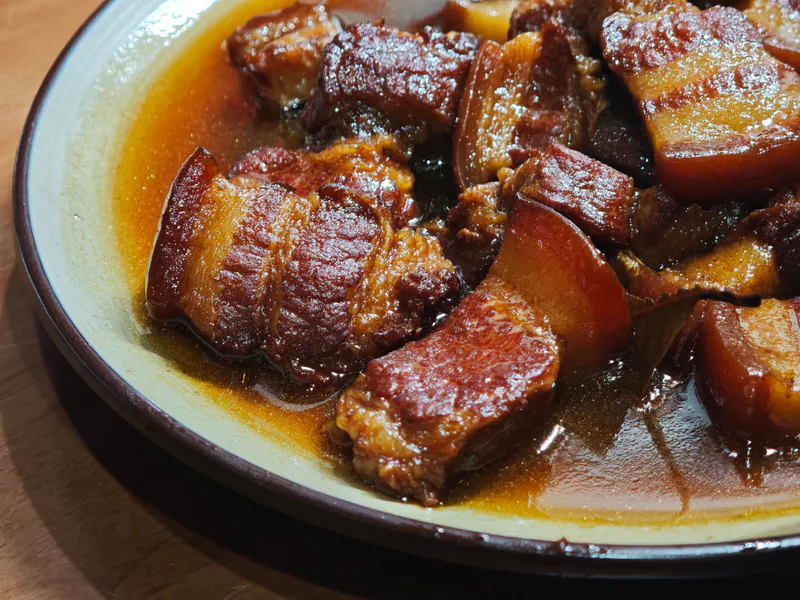
Red-braised pork belly
 Chinese · 1 h 55 min · 677 kcal
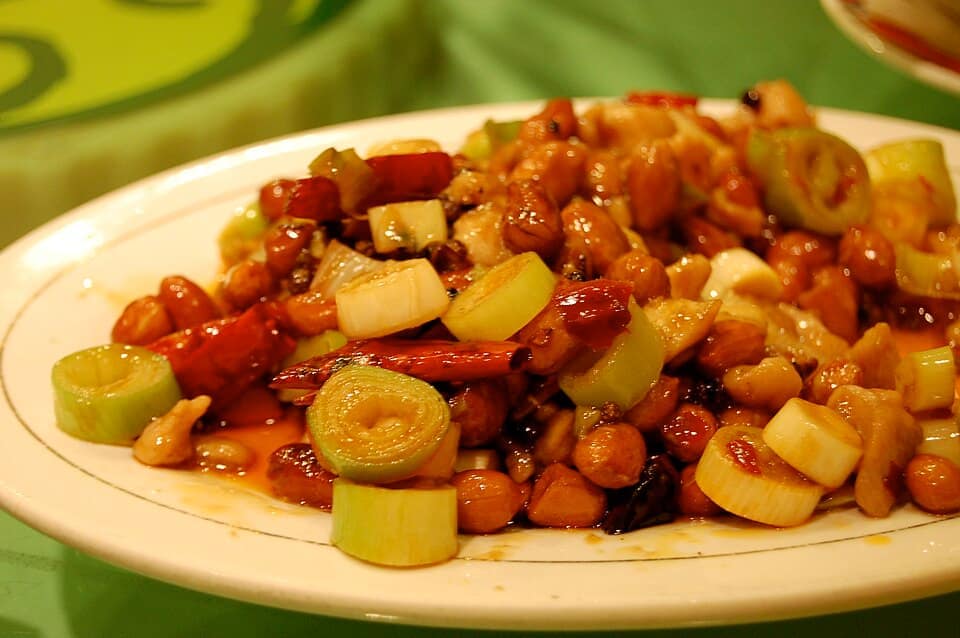
Kung pao chicken
Sichuan · 35 min · 341 kcal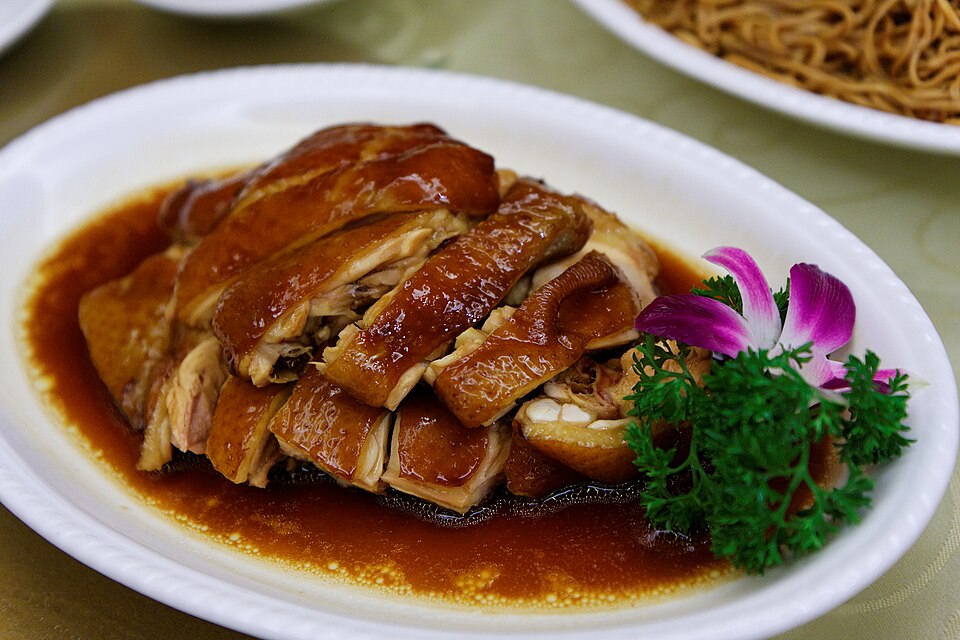
Cantonese soy sauce chicken
Cantonese · 1 h 5 min · 466 kcal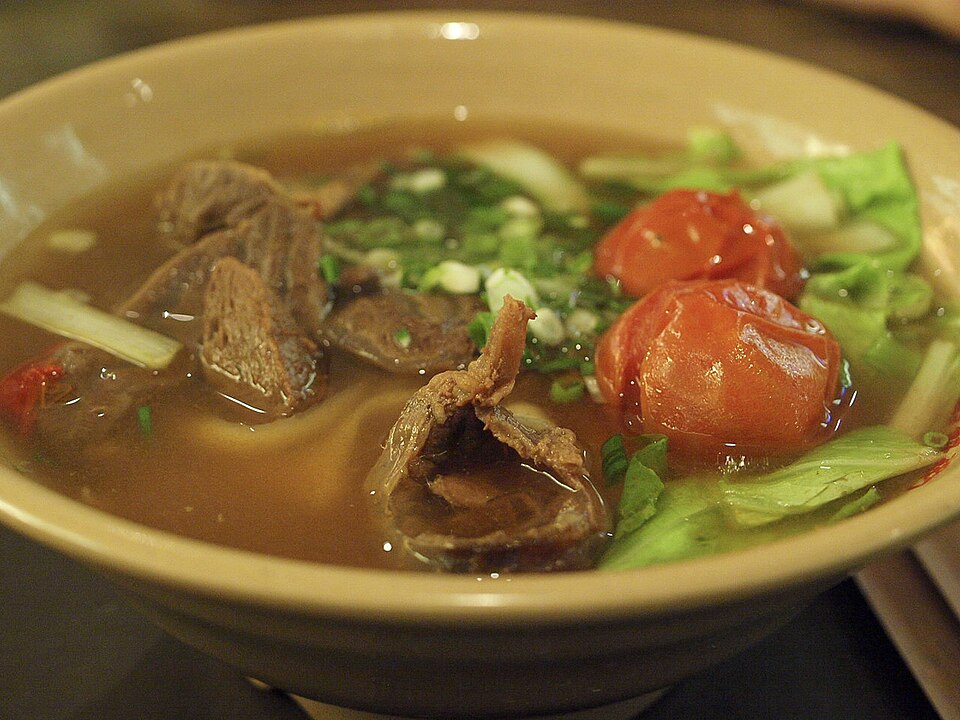
Tomato beef noodle soup
Chinese · 2 h · 585 kcal