
 Puerto Rican · Caribbean · Dumplings
Pasteles (Puerto Rican green banana pasteles)
Non-vegetarian
Pasteles puertorriqueños
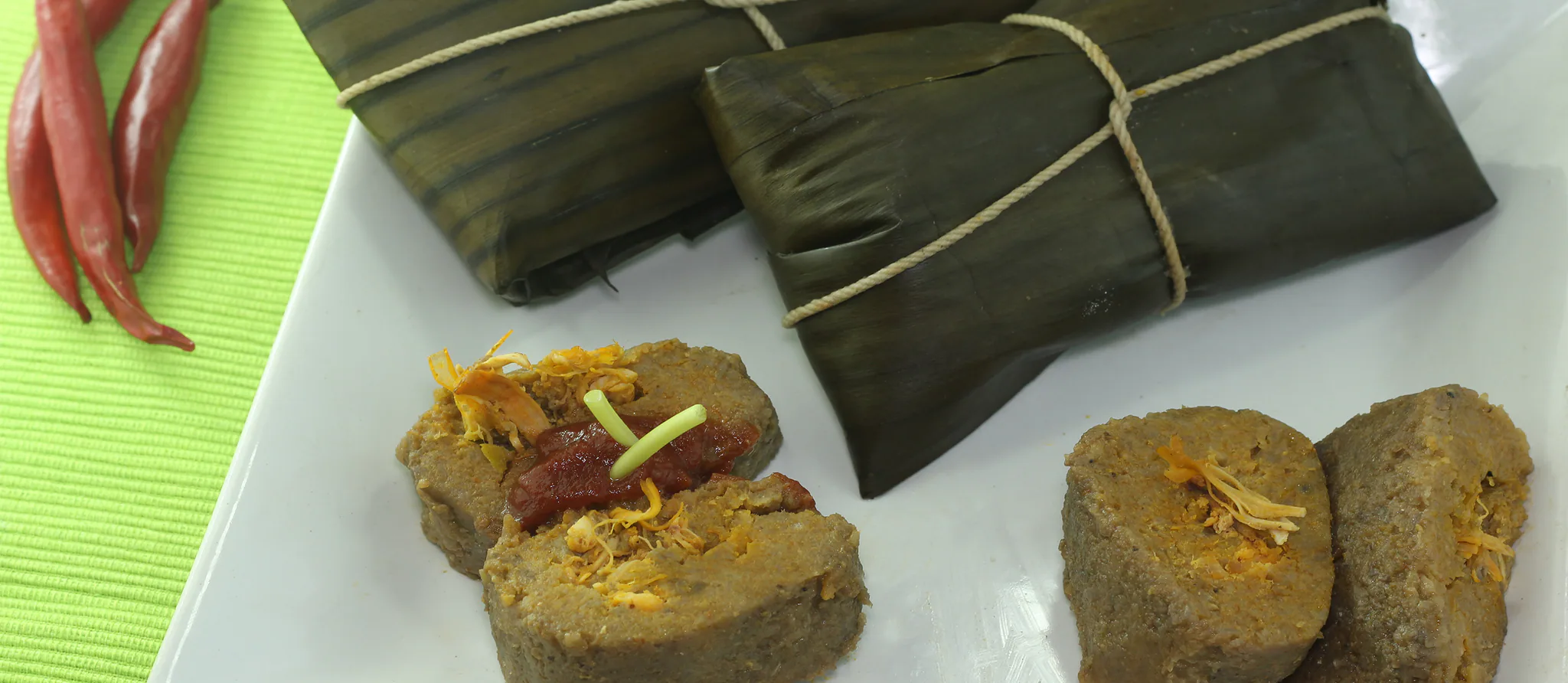
Parcels of grated green banana, yautía and calabaza masa coloured with annatto oil, wrapped around a savoury pork stew in banana leaves and boiled. A Christmas tradition in Puerto Rico, made in big batches by the whole family.
Pasteles (Puerto Rican green banana pasteles) is a Puerto Rican main course from Puerto Rico, ready in about 4 hours and made with pork shoulder, green cooking bananas (matoke) and malanga / yautia (tannia root). It serves 10 and is rated advanced to cook.
- Prep
- 2 h
- Cook
- 2 h
- Total
- 4 h
- Serves
- 10
- Level
- Advanced
- Calories
- 724
Main ingredients
Ingredients
For the annatto oil
For the filling
For the masa
For wrapping
For boiling
Method
Annatto oil
6 minStep 1
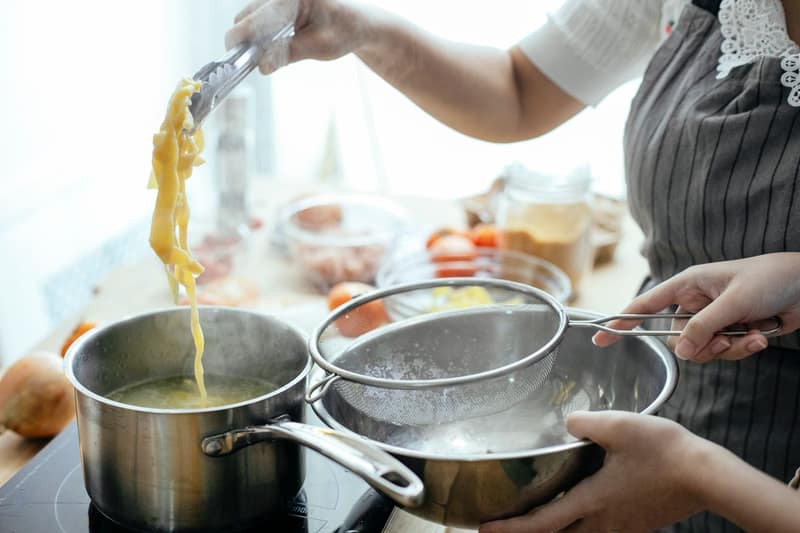
Warm the oil with the annatto seeds (opens in a new tab) over low heat for 5 minutes until deep orange. Strain and discard the seeds.
- 6 min
- low heat
- Saucepan (opens in a new tab)
How it looks · Photo: Katerina Holmes on Pexels
Filling
55 minStep 2
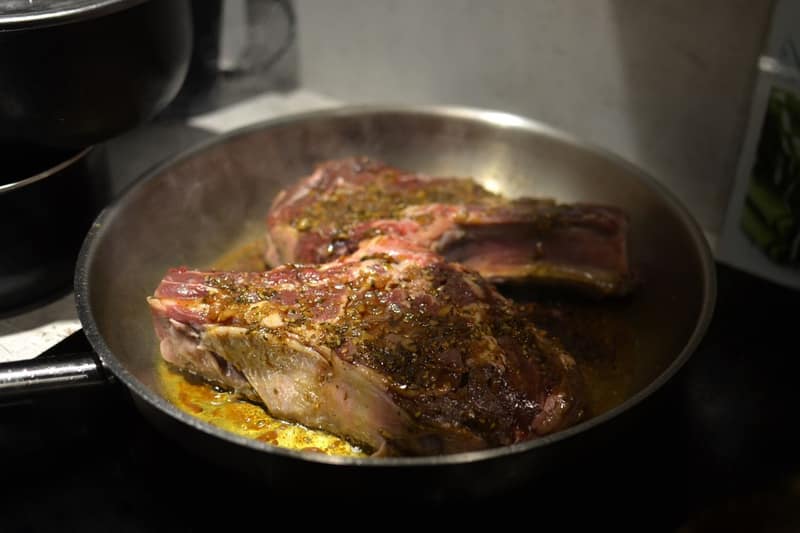
Heat 3 tbsp annatto oil in a heavy pot and brown the pork. Add the onion (opens in a new tab), pepper (opens in a new tab), garlic (opens in a new tab), culantro (opens in a new tab) and cilantro (opens in a new tab) and cook for 5 minutes. Stir in the tomato sauce, oregano (opens in a new tab), cumin (opens in a new tab), salt, pepper and water, cover and simmer for 40 minutes until tender. Stir in the olives, capers (opens in a new tab), and the chickpeas (opens in a new tab) and raisins (opens in a new tab) if using, then cool.
- 55 min
- medium-low heat
- Dutch oven / casserole pot (opens in a new tab)
How it looks · Photo: Skylar Kang on Pexels
Masa
30 minStep 3
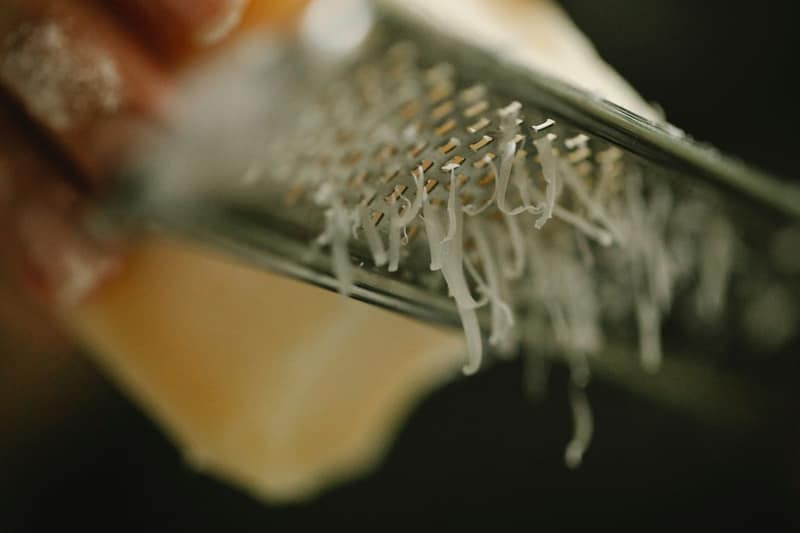
Grate the green bananas (opens in a new tab), yautía and calabaza (opens in a new tab) on the finest side of a grater (opens in a new tab), or blitz in a food processor (opens in a new tab), to a smooth, sticky masa. Mix in the milk (opens in a new tab), salt and about 4 tbsp annatto oil until evenly orange.
- 30 min
- Grater (opens in a new tab)
- Food processor (opens in a new tab)
- Mixing bowl (opens in a new tab)
Oil your hands and the grater; green bananas leave a sticky sap that stains.
How it looks · Photo: Klaus Nielsen on Pexels
Wrapping
1 h 47 minStep 4
Brush the centre of a banana leaf with annatto oil. Spread about 3 tbsp masa into a 10 × 12 cm rectangle, spoon 2 tbsp filling down the middle and fold the leaf so the masa closes over the filling. Fold into a neat parcel and tie two pasteles together with string, seams facing.
- 45 min
Step 5
Bring the salted water to the boil, add the pasteles, cover and boil for 1 hour (1¼ hours from frozen), turning halfway.
- 60 min
- high heat
- Stockpot / large pot (opens in a new tab)
Step 6
Drain, cut the string and unwrap at the table.
- 2 min
At a glance
1 · Annatto oil in a pan
 Neutral vegetable oil
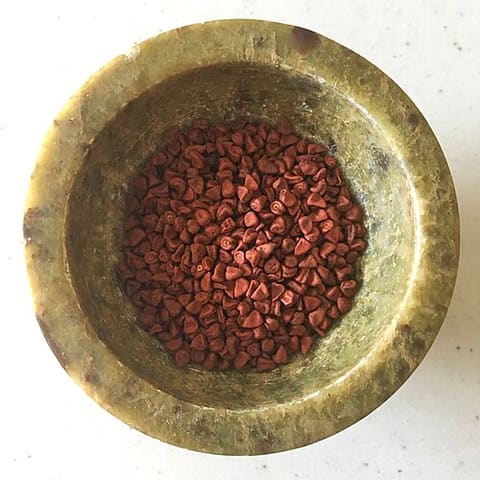 Annatto (achiote) seeds / ground
then heat
2 · Filling in a bowl
 Pork shoulder
 Onion
 Green bell pepper
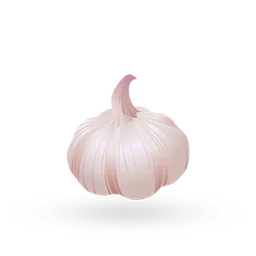 Garlic
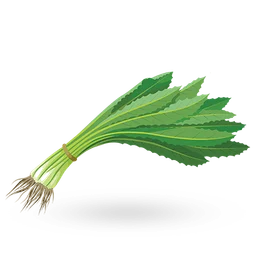 Culantro (chadon beni)
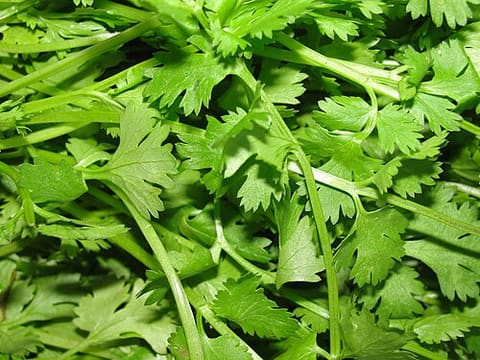 Coriander leaves
 Tomato passata
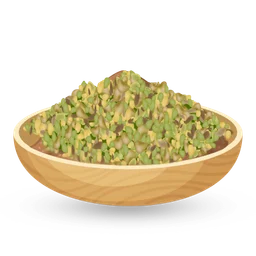 Dried oregano
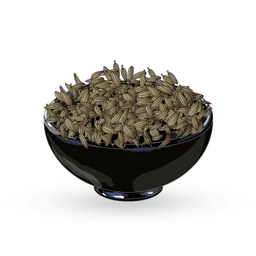 Cumin
 Salt
 Black pepper
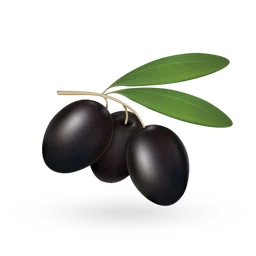 Green olives
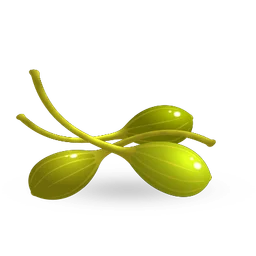 Capers
 Chickpeas
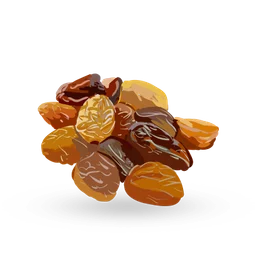 Raisins
then grate
3 · Masa in a bowl
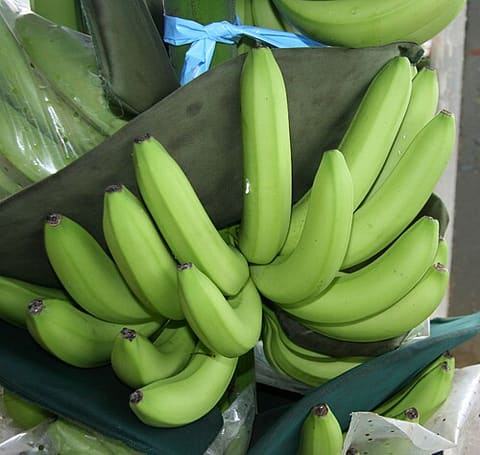 Green cooking bananas (matoke)
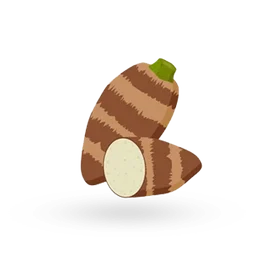 Malanga / yautia (tannia root)
 Pumpkin
 Milk
- Salt
then brush
4 · Wrapping in a bowl
 Banana leaves
About this dish
- Origin
- Puerto Rico · Commonly attributedTheir roots are debated: they combine Taíno root crops, African green-banana cookery and Spanish seasonings. Similar pasteles en hoja are made in the Dominican Republic.Also popular in Dominican Republic, United StatesMore food from Puerto Rico
Puerto Rico - Dish
- Lunch · Dinner · Main courses · Dumplings
- Cooking method
- Stewed, Boiled
- Taste
- savoury, earthy, herby, salty
- Diet
- No gluten ingredients · No nut ingredients · High-proteinWorked out from the ingredients. How labels work
All labels
Non-vegetarian · No gluten ingredients · Egg-free · No nut ingredients · No added sugar · Alcohol-free · Beef-free · High-protein - Good for
- Festive & celebration · Freezer-friendly · Batch cooking · Make-ahead
- Cook more with
- Pork shoulder · Green cooking bananas (matoke) · Malanga / yautia (tannia root) · Banana leaves · Annatto (achiote) seeds / ground · Onion
- Techniques
- Boiling · Simmering · Stewing · Slow-cooked gravy
Allergens
- Contains: Milkfrom milk
- May contain: Sulphitesfrom raisins
Based on typical versions of these ingredients and not verified allergen-free. Brands differ and cross-contact happens, so always check labels. For severe allergies, follow your clinician’s advice.
Nutrition
724 kcal per serving
Estimated1 serving ≈ 471 g · recipe makes 10
Where the energy comes from
- Protein 12%
- Carbohydrate 50%
- Fat 38%
| Nutrient | Per serving | Per 100 g* |
|---|---|---|
| Energy | 724 kcal | 154 kcal |
| Protein | 21.8 g | 4.6 g |
| Carbohydrate | 90.3 g | 19.2 g |
| Net carbohydrate | 84 g | 17.8 g |
| Sugars | — | — |
| Added sugars | 0 g | 0 g |
| Fibre | 6.3 g | 1.3 g |
| Fat | 31.1 g | 6.6 g |
| Saturated fat | 7.8 g | 1.6 g |
| Trans fat | — | — |
| Cholesterol | — | — |
| Sodium | 1187 mg | 252 mg |
| Salt equivalent | 3 g | 0.6 g |
Vitamins & minerals per serving
- Potassium
- 1656 mg
- Calcium
- 65 mg
- Iron
- 3.8 mg
- Magnesium
- 124 mg
- Vitamin A (RAE)
- —
- Vitamin C
- 59 mg
- Vitamin D
- —
- Vitamin B12
- —
- Folate (DFE)
- —
How these numbers were made
- Calculated from USDA FoodData Central (SR Legacy) per-100 g values and the listed quantities.
- *Per 100 g of combined raw ingredients; the cooked dish may weigh more or less.
- Optional ingredients are not included: chickpeas, raisins.
- Not counted (tiny amounts or “to taste”): annatto (achiote) seeds / ground, banana leaves.
- Culantro (chadon beni): Coriander leaves used as a stand-in for this similar, stronger-flavoured leafy herb.
- Green cooking bananas (matoke): Raw green plantain (FDC 168215) used as a stand-in for East African highland cooking bananas, which are similar starchy green bananas.
- “—” means the value isn’t known for enough of the ingredients; it is never zero by default.
- Values are estimates for guidance, not for medical dosing. U.S. Department of Agriculture, Agricultural Research Service. FoodData Central, 2019. fdc.nal.usda.gov.
Good to know
Tips
- Make the filling a day ahead and assemble the next day with family helping: it is a traditional group effort.
- Wrapping each leaf parcel in parchment paper as well keeps them from leaking.
Serve with
- Serve with arroz con gandules, potato salad and pique (vinegar hot sauce) or ketchup.
Food safety
- Cook whole cuts of pork to at least 63 °C in the centre and rest for 3 minutes; minced pork and sausages to 71 °C.
Storage
- Uncooked pasteles keep 2 days in the fridge or 6 months frozen.
Reheating
- Boil cooked pasteles in their leaves for 10–15 minutes.
Variations
- Pasteles de yuca: The masa is made from grated cassava instead of bananas and yautía.
- Pasteles de pollo: Filled with stewed chicken.
- Pasteles en hoja (Dominican Republic): The Dominican version, often with plantain masa.
Original editorial recipe · FriendsPantry editorial · source: TasteAtlas (dish facts) · Not yet independently reviewed · Added
Recipe DNA
How this dish is built
Built from the recipe’s own sections. Each band’s width is its share of the dish by weight. Choose a component to see what it does.
What goes inside
For the filling
- Pork shoulder, cut into 1 cm dice1 kg · 1000 g
- Onion, finely chopped1 piece · 110 g
- Green bell pepper, finely chopped1 piece · 120 g
- Garlic, crushed6 clove · 24 g
- Culantro (chadon beni), finely chopped10 g
- Coriander leaves, chopped15 g
- Tomato passata120 g
- Dried oregano1 tsp · 1 g
- Cumin0.5 tsp · 1.1 g
- Salt2 tsp · 12 g
- Black pepper0.5 tsp · 1.2 g
- Water250 ml · 250 g
- Green olives, pimiento-stuffed, sliced80 g
- Capers2 tbsp · 17 g
- Chickpeas, cooked, drained (optional)240 g
- Raisins (optional)40 g
Reviews & corrections
Reviews come from signed-in cooks and appear after a moderator checks them. We never show made-up ratings.
You might also like
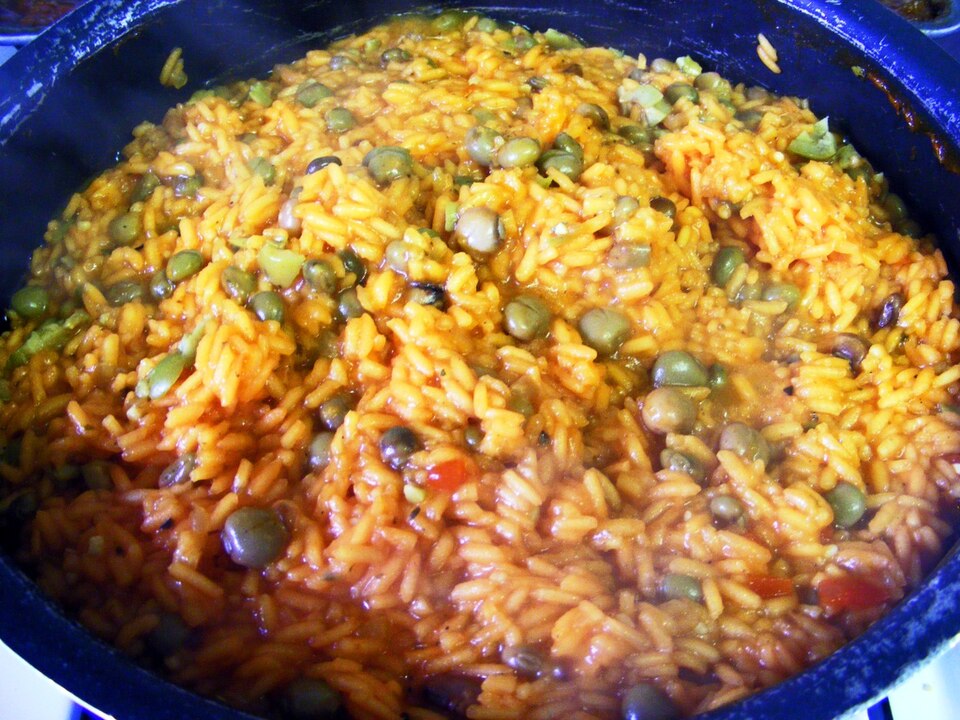
Arroz con gandules
Puerto Rican · 1 h 10 min · 328 kcal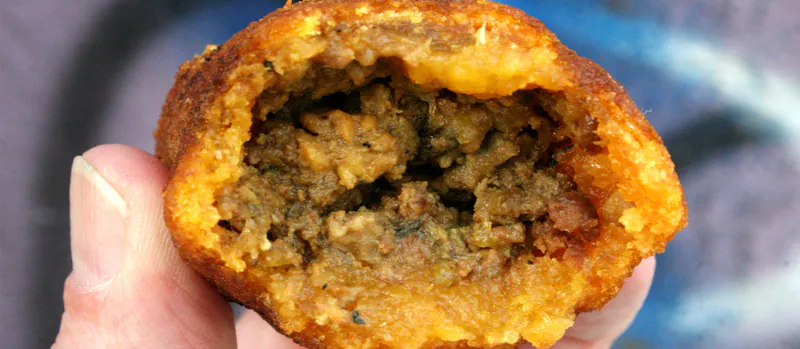
Alcapurrias (Puerto Rican green banana and yautía fritters)
Puerto Rican · 2 h 50 min · 731 kcal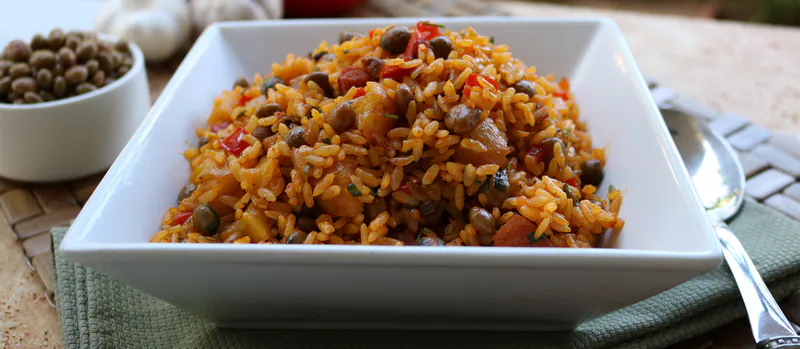
Arroz junto (Puerto Rican one-pot rice and beans)
Puerto Rican · 1 h 10 min · 466 kcal
Pastelón (Puerto Rican sweet plantain and beef 'lasagna')
Puerto Rican · 1 h 55 min · 576 kcal