
 Puerto Rican · Caribbean · Casseroles & bakes
Pastelón (Puerto Rican sweet plantain and beef 'lasagna')
Non-vegetarian
Pastelón
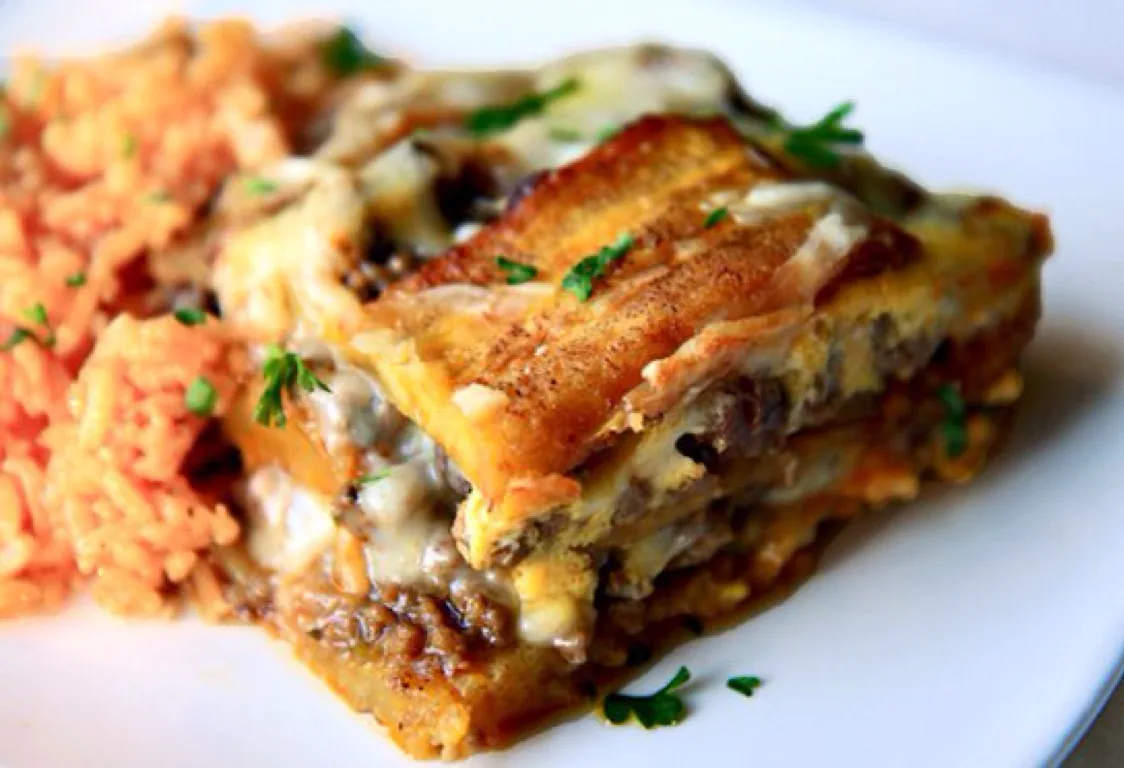
Layers of fried ripe plantain, savoury picadillo of beef with olives and capers, and melted cheese, bound with beaten egg and baked until set. The sweetness of the plantain against the salty filling is the whole point; in Puerto Rico it is also called piñón.
Pastelón (Puerto Rican sweet plantain and beef 'lasagna') is a Puerto Rican bake from Puerto Rico, ready in about 1 hour 55 minutes and made with plantain, ground beef and mozzarella. It serves 8 and is rated intermediate to cook.
- Prep
- 25 min
- Cook
- 1 h 15 min
- Rest
- 15 min
- Total
- 1 h 55 min
- Serves
- 8
- Level
- Intermediate
- Calories
- 576
Main ingredients

Ingredients
For the plantains
For the picadillo
For assembling
Method
Plantains
20 minStep 1
Heat the vegetable oil (opens in a new tab) in a frying pan over medium heat and fry the plantain (opens in a new tab) strips in batches until golden-brown and caramelised on both sides, 2–3 minutes per side. Drain on kitchen paper.
Food safety: Lower the strips into the oil away from you; ripe plantain sugars can spit.
Picadillo
25 minStep 2
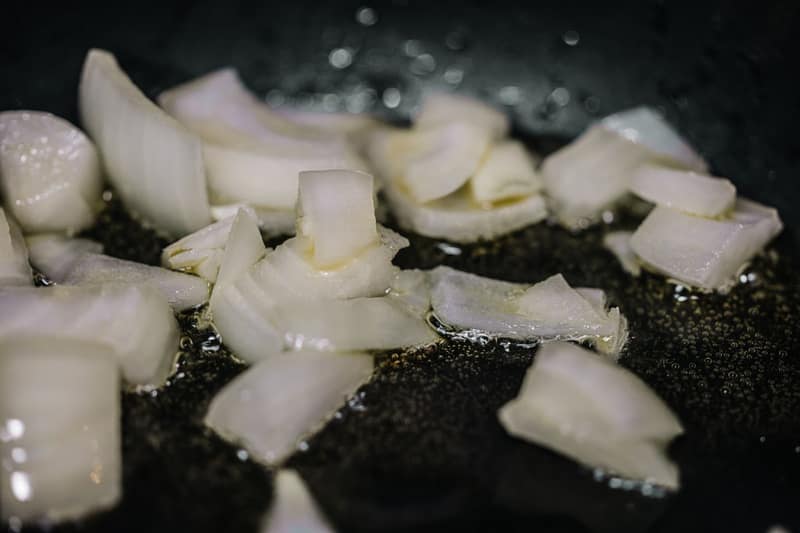
For the picadillo, heat the olive oil (opens in a new tab) and soften the onion (opens in a new tab), green pepper (opens in a new tab), garlic (opens in a new tab) and culantro (opens in a new tab) for 5 minutes. Add the beef and cook, breaking it up, until browned all through.
- 12 min
- medium-high heat
Food safety: Cook minced meat until it reaches at least 71 °C, with no pink left, and refrigerate leftovers within 2 hours.
How it looks · Photo: Magda Ehlers on Pexels Step 3
Stir in the passata, olives, capers (opens in a new tab), oregano (opens in a new tab), cumin, salt, pepper (opens in a new tab) and raisins (opens in a new tab) (if using). Simmer for 10–15 minutes until thick and not watery. Taste and adjust.
- 13 min
- medium-low heat
Assembling
45 minStep 4
Heat the oven (opens in a new tab) to 180 °C and butter (opens in a new tab) a 23 × 33 cm baking dish (opens in a new tab). Pour in half the beaten eggs (opens in a new tab) and tilt to coat the base. Lay a third of the plantain (opens in a new tab) strips over it, then half the picadillo and a third of the cheese.
- 8 min
- 180°C
- Baking dish (opens in a new tab)
Step 5
Repeat with another layer of plantain (opens in a new tab), the rest of the picadillo and a third of the cheese, then finish with the remaining plantain. Pour over the rest of the egg (opens in a new tab), letting it run into the layers, and top with the remaining cheese.
- 5 min
Step 6
Bake for 30–35 minutes until the egg (opens in a new tab) is set and the cheese is golden and bubbling. Rest for 15 minutes before cutting into squares.
- 32 min
- 180°C
- Oven (opens in a new tab)
At a glance
1 · Plantains in a pan
 Plantain
 Neutral vegetable oil
then heat
2 · Picadillo in a pan
 Olive oil
 Onion
 Green bell pepper
 Garlic
 Culantro (chadon beni)
 Ground beef
 Tomato passata
 Green olives
 Capers
 Dried oregano
 Ground cumin
 Salt
 Black pepper
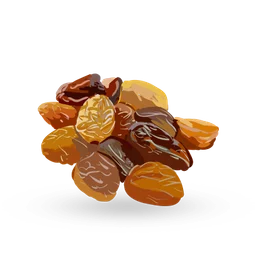 Raisins
then heat
3 · Assembling in a pan
 Mozzarella
 Egg
 Butter
About this dish
- Origin
- Puerto Rico · Commonly attributedMade in both Puerto Rico and the Dominican Republic; Puerto Rican versions use long strips of fried plantain, while the Dominican pastelón de plátano maduro is usually made with mashed plantain.Also popular in Dominican Republic, United StatesMore food from Puerto Rico
Puerto Rico - Dish
- Lunch · Dinner · Casseroles & bakes · Main courses
- Cooking method
- Shallow-fried, Sautéed, Oven-baked
- Taste
- sweet & savoury, savoury, salty
- Diet
- No gluten ingredients · No nut ingredients · High-proteinWorked out from the ingredients. How labels work
All labels
Non-vegetarian · No gluten ingredients · No nut ingredients · No added sugar · Alcohol-free · Pork-free · High-protein - Good for
- Festive & celebration · Make-ahead · Child-friendly · Uses leftovers
- Cook more with
- Plantain · Ground beef · Mozzarella · Onion · Green bell pepper · Garlic
- Techniques
- Baking · Shallow-frying · Sautéing · Simmering
Allergens
- Contains: Milkfrom mozzarella, butter
- Contains: Eggsfrom egg
- May contain: Sulphitesfrom raisins
Based on typical versions of these ingredients and not verified allergen-free. Brands differ and cross-contact happens, so always check labels. For severe allergies, follow your clinician’s advice.
Nutrition
576 kcal per serving
Estimated1 serving ≈ 334 g · recipe makes 8
Where the energy comes from
- Protein 19%
- Carbohydrate 29%
- Fat 52%
| Nutrient | Per serving | Per 100 g* |
|---|---|---|
| Energy | 576 kcal | 173 kcal |
| Protein | 28.8 g | 8.6 g |
| Carbohydrate | 42.4 g | 12.7 g |
| Net carbohydrate | 39 g | 11.7 g |
| Sugars | 22.1 g | 6.6 g |
| Added sugars | 0 g | 0 g |
| Fibre | 3.3 g | 1 g |
| Fat | 34 g | 10.2 g |
| Saturated fat | 12.1 g | 3.6 g |
| Trans fat | — | — |
| Cholesterol | 181 mg | 54 mg |
| Sodium | 704 mg | 211 mg |
| Salt equivalent | 1.8 g | 0.5 g |
Vitamins & minerals per serving
- Potassium
- 1046 mg
- Calcium
- 211 mg
- Iron
- 3.8 mg
- Magnesium
- 77 mg
- Vitamin A (RAE)
- 189 µg
- Vitamin C
- 37 mg
- Vitamin D
- 0.7 µg
- Vitamin B12
- 2.8 µg
- Folate (DFE)
- 52 µg
How these numbers were made
- Calculated from USDA FoodData Central (SR Legacy) per-100 g values and the listed quantities.
- *Per 100 g of combined raw ingredients; the cooked dish may weigh more or less.
- Optional ingredients are not included: raisins.
- Culantro (chadon beni): Coriander leaves used as a stand-in for this similar, stronger-flavoured leafy herb.
- “—” means the value isn’t known for enough of the ingredients; it is never zero by default.
- Values are estimates for guidance, not for medical dosing. U.S. Department of Agriculture, Agricultural Research Service. FoodData Central, 2019. fdc.nal.usda.gov.
Good to know
Tips
- The plantains must be really ripe — yellow with lots of black — or the dish will be starchy rather than sweet.
Common mistakes
- Leaving the picadillo saucy, which makes the pastelón soggy and hard to slice.
Serve with
- Serve with white rice and habichuelas guisadas (stewed beans), or with a simple avocado salad.
Food safety
- Cook minced meat until it reaches at least 71 °C, with no pink left, and refrigerate leftovers within 2 hours.
Storage
- Keeps 3 days in the fridge; freezes well for up to 2 months.
Reheating
- Reheat covered in a 170 °C oven until piping hot in the centre, about 20 minutes.
Variations
- Pastelón de plátano maduro (Dominican) (Dominican Republic): Ripe plantains are boiled and mashed with butter into two layers sandwiching the meat and cheese.
- Pastelón de pollo: Made with shredded stewed chicken instead of beef.
Original editorial recipe · FriendsPantry editorial · source: TasteAtlas (dish facts) · Not yet independently reviewed · Added
Recipe DNA
How this dish is built
Built from the recipe’s own sections. Each band’s width is its share of the dish by weight. Choose a component to see what it does.
For assembling
- Mozzarella, grated250 g
- Egg, beaten with a pinch of salt4 piece · 200 g
- Butter15 g
Reviews & corrections
Reviews come from signed-in cooks and appear after a moderator checks them. We never show made-up ratings.
You might also like
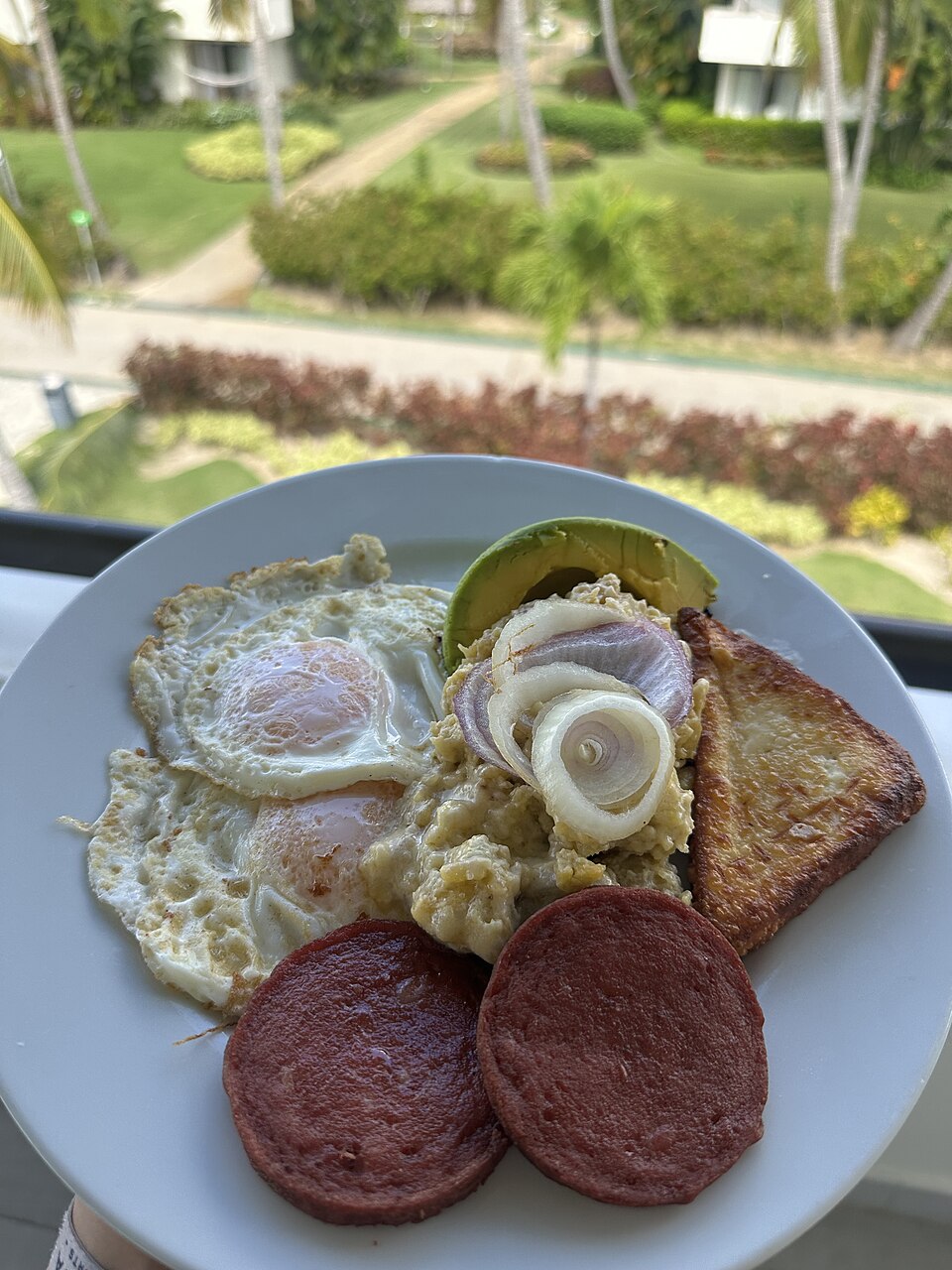
Mangú con los tres golpes
 Dominican · 45 min · 715 kcal
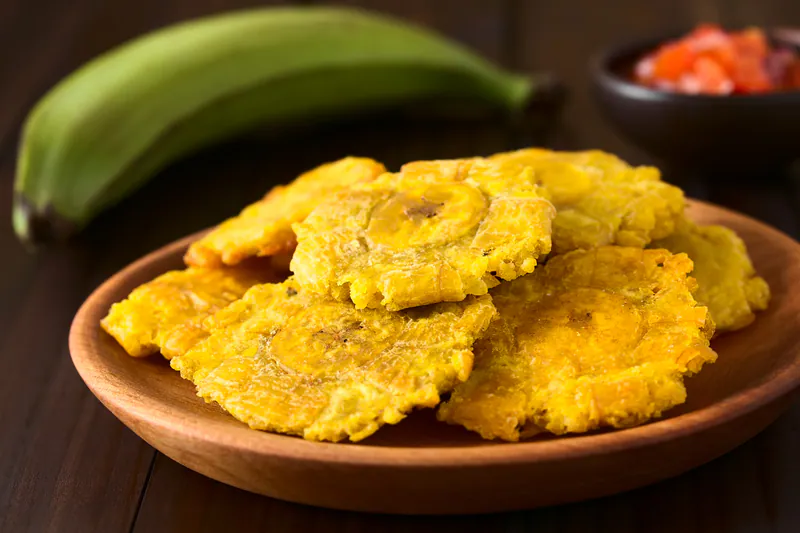
Tostones
Caribbean · 25 min · 264 kcal · Vegan
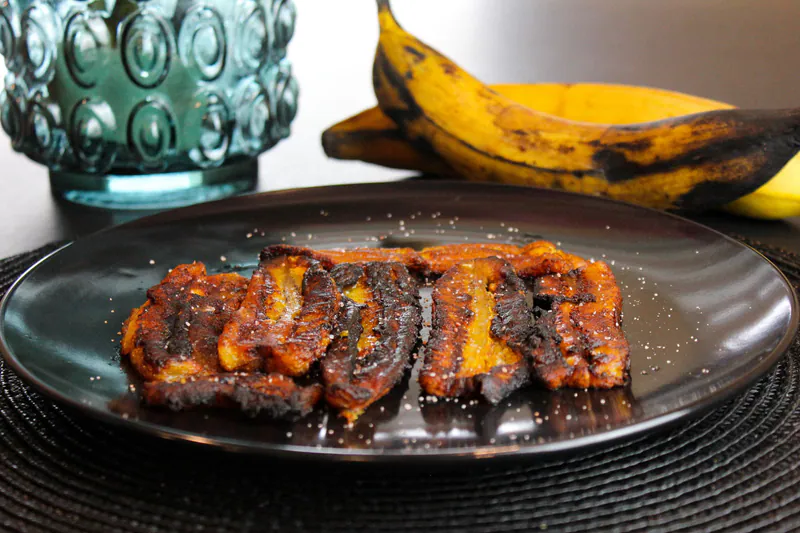
Dodo (fried plantain)
 Nigerian · 17 min · 231 kcal · Vegan
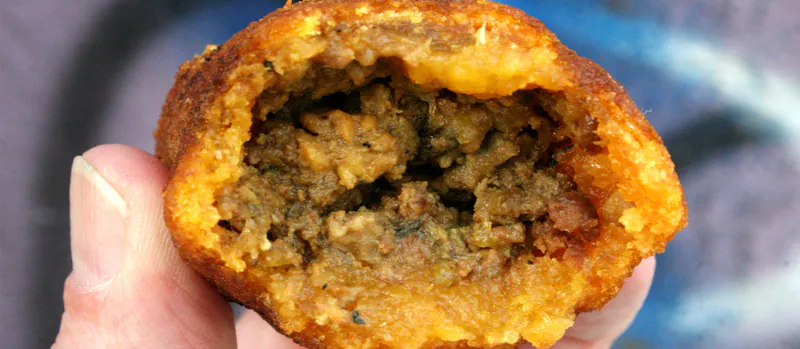
Alcapurrias (Puerto Rican green banana and yautía fritters)
Puerto Rican · 2 h 50 min · 731 kcal