
Nature's Pantry
Fermented vegetables and soy
Also: kimchi · sauerkraut · miso · tempeh
A small but well-run trial found a fermented-food diet increased gut microbe diversity. Early days.
Overall evidence
One small, careful trial plus a lot of interest; not yet enough to say what it means for health.
A few small or low-quality studies, inconsistent results, or mostly lab and animal work. Interesting, but not enough to rely on.
What it is
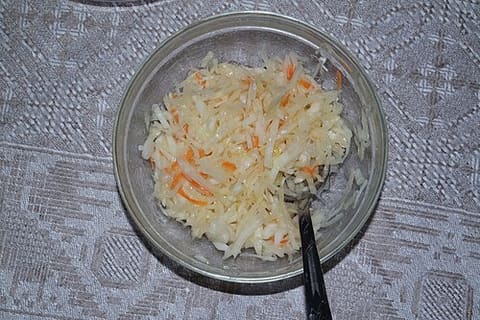
Vegetables, soybeans and grains transformed by bacteria, yeasts or moulds: kimchi and sauerkraut (lactic-fermented cabbage), miso (fermented soybean paste) and tempeh (fermented soybean cake).
Traditional use
Tradition, not evidence: how cultures use it, not proof that it works.
Korea
Kimchi is served at nearly every meal, and kimjang, the communal autumn kimchi-making, is a cultural tradition.
Central and Eastern Europe
Sauerkraut was a winter vegetable store; its brine is drunk as a folk tonic.
Japan and Indonesia
Miso soup is a daily staple in Japan; tempeh is an everyday protein in Java.
What the research says
Each claim graded on its own evidence.
Fermented foods and the gut microbiome
Evidence level: Limited or early evidenceIn a 2021 randomised study of 36 healthy adults, a 10-week diet high in fermented foods increased gut microbiota diversity and lowered several inflammatory markers. It was small and short, and did not measure health outcomes.[1]
In food amounts
A few forkfuls of kimchi or sauerkraut as a side, a bowl of miso soup, or tempeh as the protein in a meal.
We describe everyday cooking amounts only, never supplement doses.
Safety
- Medicines
- Fermented soy foods such as miso, tofu and soy sauce are high in tyramine, which has been linked with dangerous rises in blood pressure in people taking MAOI antidepressants.[3]
- Allergies
- Miso and tempeh are made from soybeans, a common allergen; some kimchi contains fish or shellfish.[3][4]
- Health conditions
- Kimchi, sauerkraut and miso can be very salty. The WHO recommends adults keep salt below 5 g a day.[2]
If you take regular medicines, are pregnant or breastfeeding, or are cooking for a baby or someone who is unwell, check with a doctor, pharmacist or midwife before using any food or supplement for a health reason.
Sources
- [1] Gut-microbiota-targeted diets modulate human immune status (Wastyk et al.) — Cell 184:4137–4153, 2021
- [2] Healthy diet — fact sheet — World Health Organization
- [3] Soy — fact sheet — US National Center for Complementary and Integrative Health (NCCIH, NIH)
- [4] Food allergy — NHS (UK)
Sources were checked when this entry was written. Research changes; if you spot something out of date, please tell us.
Cook with fermented vegetables and soy
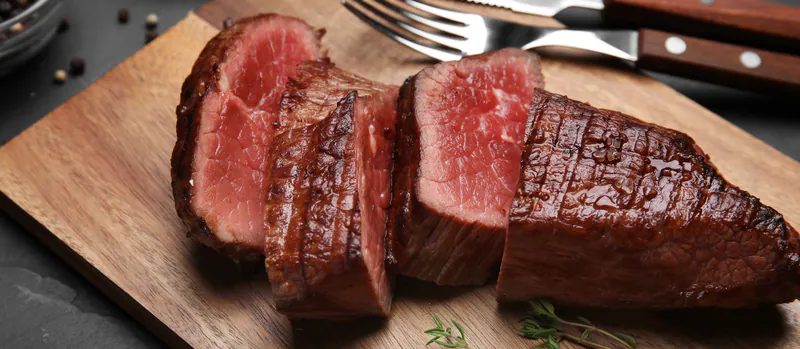
Ansim-gui (Korean grilled beef tenderloin)
 Korean · 1 h · 402 kcal
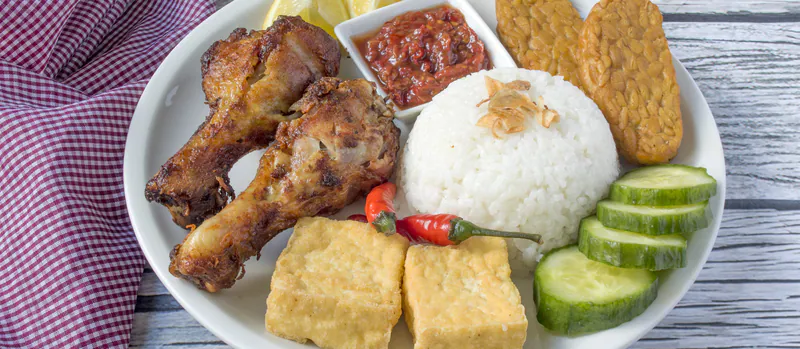
Ayam penyet (smashed fried chicken with sambal)
 Indonesian · 1 h 40 min · 1331 kcal
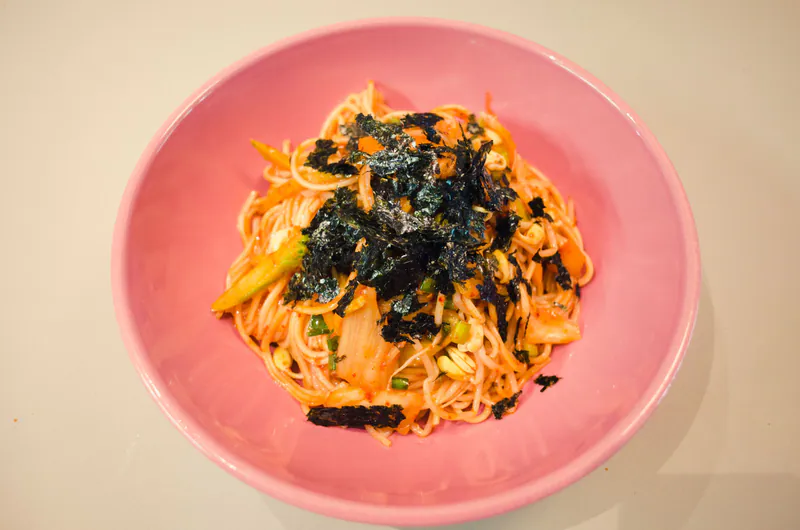
Bibim guksu
Korean · 15 min · 527 kcal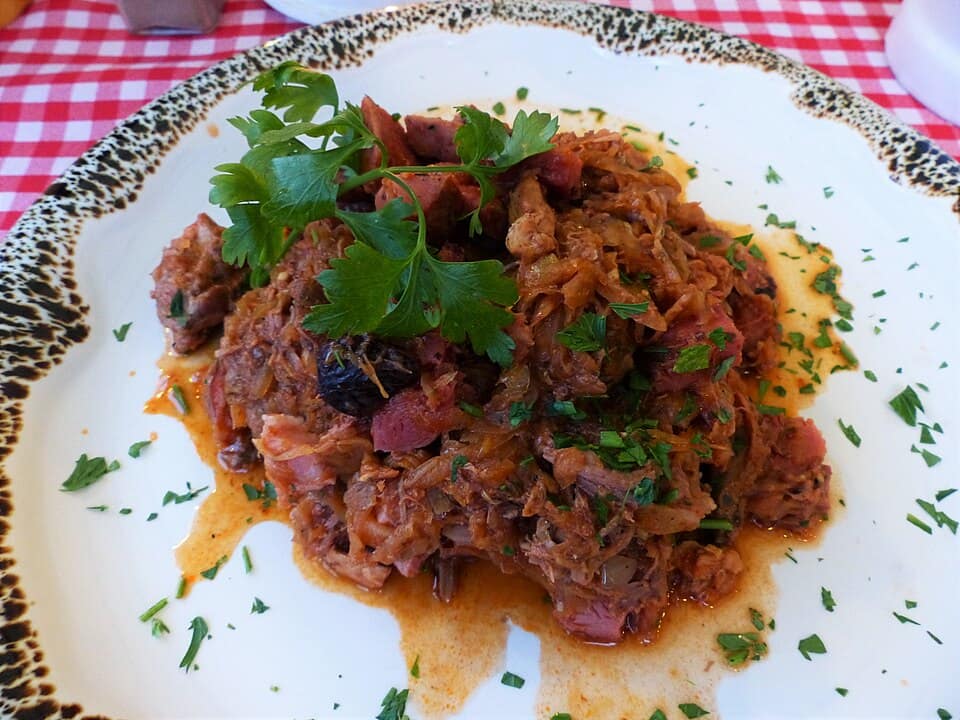
Bigos
 Polish · 2 h 55 min · 353 kcal
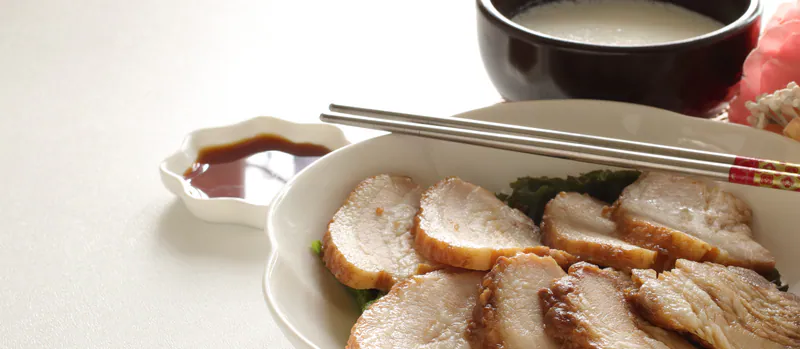
Bossam (Korean boiled pork wraps)
Korean · 3 h 40 min · 1449 kcal
Budae jjigae (army base stew)
Korean · 30 min · 740 kcal
Completo italiano
 Chilean · 18 min · 451 kcal
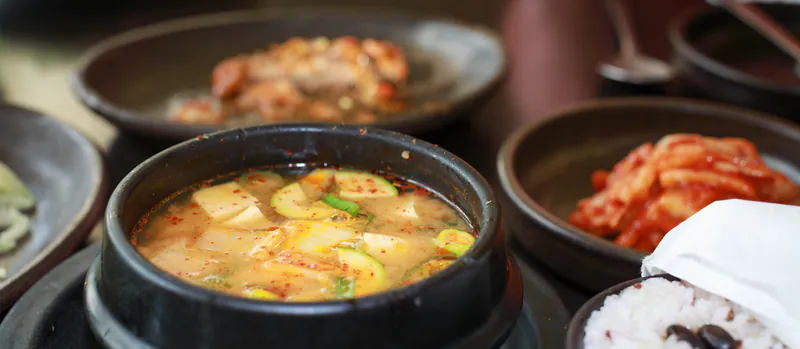
Doenjang jjigae
Korean · 30 min · 210 kcal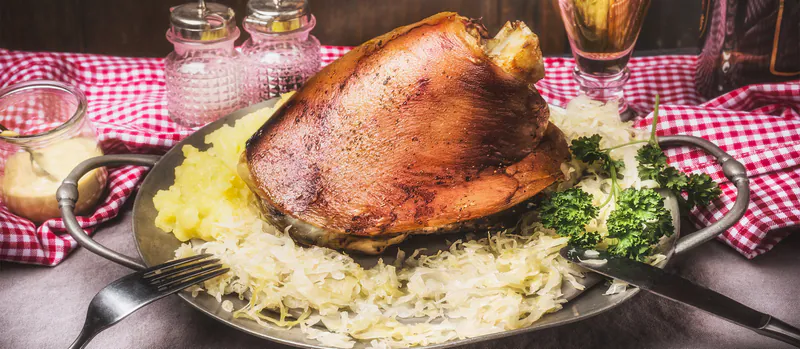
Eisbein (Berlin cured pork knuckle with sauerkraut and pea purée)
 German · 3 h 5 min · 1915 kcal
34 more
- Gado-gado · Indonesian
- Homemade Franconian bratwurst · German
- Jota (sauerkraut and bean stew) · Slovenian
- Kapustnica · Slovak
- Kimchi fried rice · Korean
- Kimchi jjigae · Korean
- Kimchi mandu (kimchi dumplings) · Korean
- Kranjska klobasa with sauerkraut · Slovenian
- Krvavice with sauerkraut and fried potatoes · Slovenian
- Miso ramen (Sapporo-style) · Japanese
- Miso soup with tofu and wakame · Japanese
- Mulgikapsad · Estonian
- Nasu dengaku · Japanese
- Pecel (Javanese vegetables with spicy peanut sauce) · Indonesian
- Reuben sandwich · American
- Rujak cingur (Surabaya salad with beef snout and petis dressing) · Indonesian
- Samgyeopsal (Korean grilled pork belly) · Korean
- Sangchu ssam (Korean lettuce wraps with pork belly) · Korean
- Sarma (sour cabbage rolls) · Serbian
- Sarmale · Romanian
- Sate kere (Solo tempeh and offal satay) · Indonesian
- Sayur lodeh · Indonesian
- Seolleongtang · Korean
- Ssamjang · Korean
- Sumiso (vinegared miso sauce) · Japanese
- Székely gulyás (pork and sauerkraut goulash) · Hungarian
- Tempe bacem · Indonesian
- Tempe mendoan (half-fried battered tempeh) · Indonesian
- Töltött káposzta · Hungarian
- Tonjiru (pork and vegetable miso soup) · Japanese
- Tumpeng (Javanese yellow rice cone feast) · Indonesian
- Verivorst (Estonian blood sausage with barley) · Estonian
- Vinegret · Russian
- Zakuski (Russian appetiser spread) · Russian
Showing 9 of 43 recipes.
More from Nature's Pantry
- Amla (Indian gooseberry)Evidence level: Limited or early evidence
- BarleyEvidence level: Strong evidence
- Beans, lentils and chickpeasEvidence level: Moderate evidence
- BeetrootEvidence level: Moderate evidence
- Citrus fruitEvidence level: Evidence against
- FenugreekEvidence level: Limited or early evidence