
Verivorst (Estonian blood sausage with barley)
Non-vegetarian
Verivorst
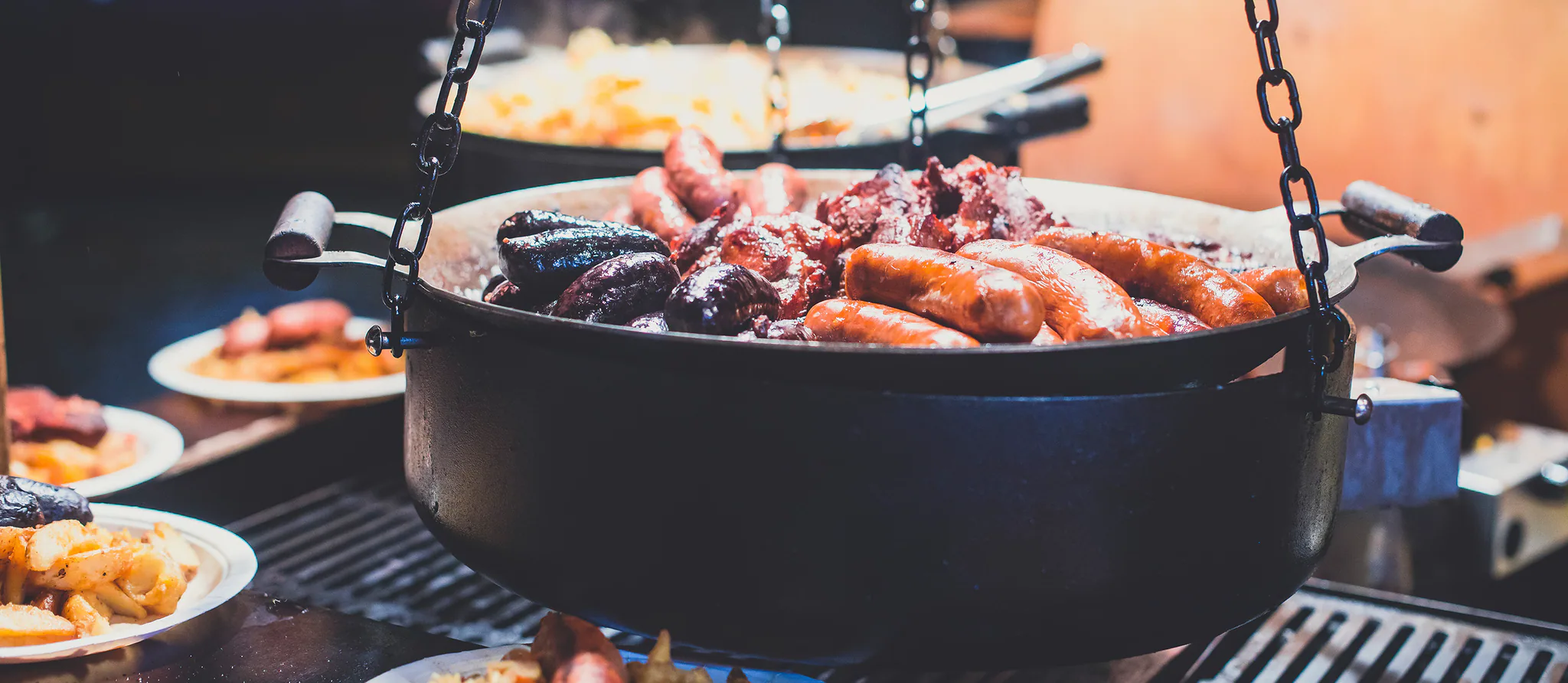
Rings of sausage made from pig's blood, pearl barley, diced pork and fried onion, seasoned with allspice and marjoram, poached and then roasted until the skins crackle. The centrepiece of the Estonian Christmas table, eaten with lingonberry jam, sauerkraut and sour cream.
Verivorst (Estonian blood sausage with barley) is an Estonian dish, ready in about 4 hours 10 minutes and made with pearl barley, pork blood (fresh) and allspice. It serves 10 and is rated advanced to cook.
- Prep
- 1 h
- Cook
- 2 h 40 min
- Rest
- 30 min
- Total
- 4 h 10 min
- Serves
- 10
- Level
- Advanced
- Calories
- —
Main ingredients
Ingredients
For the filling
For the sausages
For roasting
To serve
Method
Filling
1 h 55 minStep 1
Simmer the pork belly (opens in a new tab) in the water for 1 hour until tender. Lift out, cool and cut into 5 mm dice. Keep the broth.
- 60 min
- low heat
- Stockpot / large pot (opens in a new tab)
Food safety: Wash hands, boards and knives after handling raw meat, and keep it apart from salad and other ready-to-eat food.
Step 2
Cook the barley (opens in a new tab) in 1.2 l of the broth (top up with water) until tender and the liquid is absorbed, about 40 minutes. Spread out to cool.
- 40 min
- low heat
Step 3
Melt 2 tbsp lard (opens in a new tab) in a frying pan and fry the onion (opens in a new tab) and diced pork until the onion is soft and golden, 10 minutes. Mix into the barley (opens in a new tab) and leave until lukewarm (below 40 °C).
- 10 min
- medium heat
- Frying pan / skillet (opens in a new tab)
If the barley is still hot, the blood will start to set before stuffing.
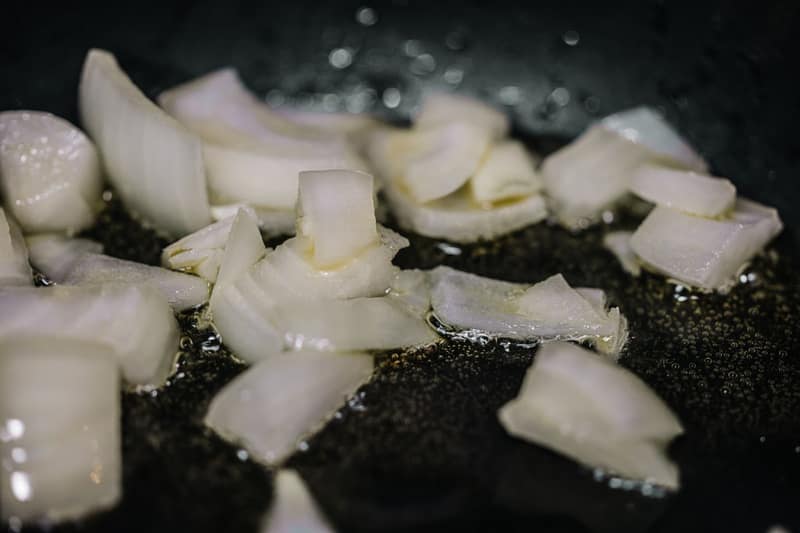
How it looks · Photo: Magda Ehlers on Pexels Step 4
Stir the blood, salt, pepper (opens in a new tab), allspice (opens in a new tab) and marjoram (opens in a new tab) into the barley (opens in a new tab) to make a loose, dark porridge. Fry a teaspoonful to taste for seasoning and adjust.
Food safety: Keep blood refrigerated until the moment you use it and buy it only from a butcher who sells it for cooking.
Sausages
55 minStep 5
Tie one end of a casing. Using a wide funnel or a piping bag (opens in a new tab) without a nozzle, fill it loosely – about three-quarters full, as the barley (opens in a new tab) swells. Tie off every 25 cm, bring the ends together into rings and tie. Prick each sausage a few times with a needle.
Step 6
Lower the sausages into a large pot of water at 80–85 °C (just steaming, not bubbling) and poach for 20–25 minutes, until a pricked sausage releases no red liquid. Lift out and cool on a tray.
- 25 min
- 82°C · water temperature
- Stockpot / large pot (opens in a new tab)
- Food thermometer (opens in a new tab)
Food safety: Blood sausage must reach 72 °C in the centre. Boiling water bursts the casings.
Roasting
25 minStep 7
To serve, heat the oven (opens in a new tab) to 200 °C. Put the sausages in a roasting pan (opens in a new tab) with dots of lard (opens in a new tab) and roast for 20–25 minutes, turning once, until crisp and crackling.
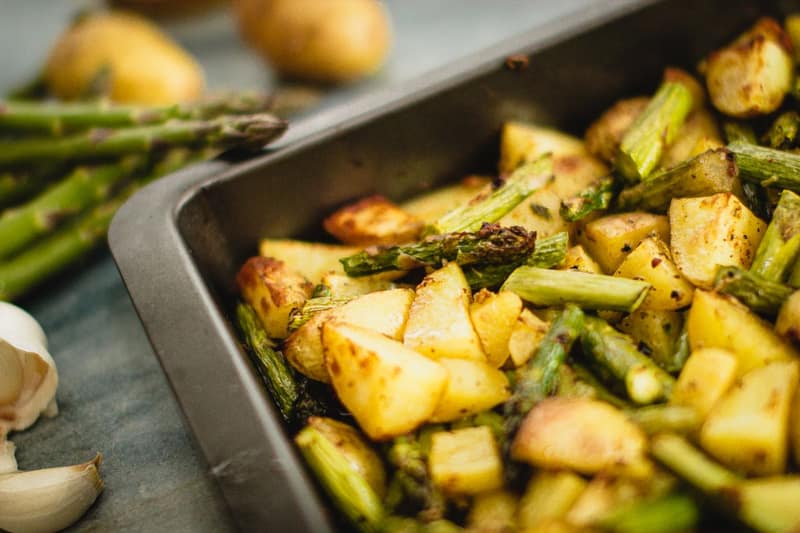
How it looks · Photo: locrifa on Pexels
To serve
2 minStep 8
Rest for a few minutes and serve with lingonberry jam (opens in a new tab), warm sauerkraut (opens in a new tab) and sour cream (opens in a new tab).
- 2 min
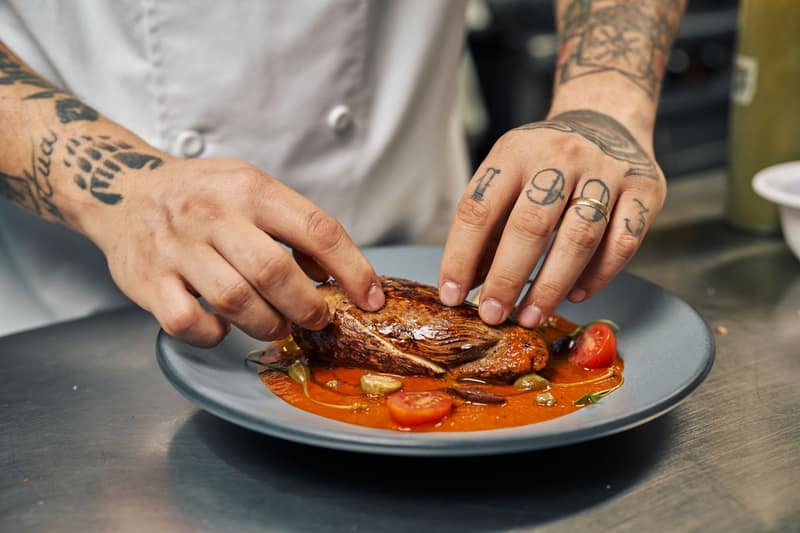
How it looks · Photo: Willians Huerta on Pexels
At a glance
1 · Filling in a bowl
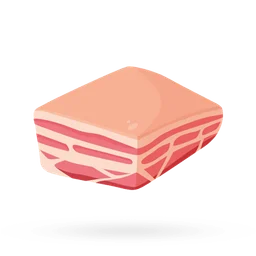 Pork belly
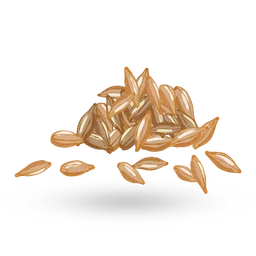 Pearl barley
 Lard
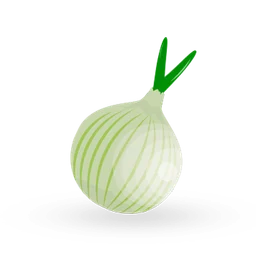 Onion
 Pork blood (fresh)
 Salt
 Black pepper
 Allspice
 Dried marjoram
then tie
2 · Sausages in a pot
- Natural sausage casings
then heat
3 · Roasting in a pan
- Lard
then rest
4 · To serve in a bowl
 Lingonberry jam
 Sauerkraut
 Sour cream
About this dish
- Origin
- Estonia · Well documentedBlood sausage was made on farms at the winter slaughter and became the essential Christmas dish; it is often called Estonia's national dish. Similar sausages are made across the Baltics and Scandinavia, and it belongs to the same family as Spanish morcilla, French boudin noir and Irish black pudding.Also popular in Latvia, FinlandMore food from Estonia
Estonia - Dish
- Dinner · Lunch · Sausages · Main courses
- Cooking method
- Boiled, Poached, Roasted
- Taste
- savoury, rich, aromatic / warmly spiced, earthy
- Diet
- No nut ingredientsWith the listed swaps: No added sugarWorked out from the ingredients. How labels work
All labels
Non-vegetarian · Egg-free · No nut ingredients · Alcohol-free · Beef-free - Good for
- Festive & celebration · Freezer-friendly · Make-ahead · Batch cooking
- Cook more with
- Pearl barley · Pork blood (fresh) · Allspice · Dried marjoram · Pork belly · Lard
- Techniques
- Roasting · Boiling · Simmering · Poaching · Knife skills
Allergens
- Contains: Milkfrom sour cream
- Contains: Glutenfrom pearl barley
Based on typical versions of these ingredients and not verified allergen-free. Brands differ and cross-contact happens, so always check labels. For severe allergies, follow your clinician’s advice.
Nutrition
Nutrition not available for this recipe
Not enough data to calculate: Pork blood (fresh). We show nothing rather than a made-up number.
Good to know
Tips
- Shop-bought casings come salted; soak them for 30 minutes and run water through them before use.
- Poached sausages freeze very well; roast them from thawed on the day.
Common mistakes
- Overfilling the casings, which then burst during poaching as the barley swells.
- Letting the water boil instead of keeping it below a simmer.
Serve with
- Serve with oven-roast potatoes, roast pork, mulgikapsad or braised sauerkraut, lingonberry jam and sour cream; Christmas beer or kali to drink.
Food safety
- Wash hands, boards and knives after handling raw meat, and keep it apart from salad and other ready-to-eat food.
Storage
- Poached sausages keep 4 days refrigerated or 3 months frozen.
Reheating
- Roast from thawed at 200 °C for 20–25 minutes or pan-fry slices in butter until piping hot.
Variations
- Verikäkk: The same blood and barley mixture, with flour, shaped into dumplings and boiled or fried.
- Leivapuder-style verivorst: Some families replace part of the barley with stale rye bread soaked in broth.
Original editorial recipe · FriendsPantry editorial · source: TasteAtlas (dish facts) · Not yet independently reviewed · Added
Recipe DNA
How this dish is built
Built from the recipe’s own sections. Each band’s width is its share of the dish by weight. Choose a component to see what it does.
What goes inside
For the filling
- Pork belly, skinless, in one piece400 g
- Water1.5 l · 1500 g
- Pearl barley, pearl barley, rinsed400 g
- Lard2 tbsp · 26 g
- Onion, finely chopped2 piece · 220 g
- Pork blood (fresh), fresh, chilled and strained750 ml · 788 g
- Salt1 tbsp · 18 g
- Black pepper, ground1 tsp · 2.4 g
- Allspice, ground1.5 tsp · 3 g
- Dried marjoram, dried, crumbled2 tbsp · 3.5 g
Reviews & corrections
Reviews come from signed-in cooks and appear after a moderator checks them. We never show made-up ratings.
You might also like
Mulgikapsad
 Estonian · 2 h 15 min · 476 kcal
Morcilla de Burgos frita (fried Burgos blood sausage with peppers)
 Spanish · 30 min · 669 kcal
Rosolje
Estonian · 2 h 15 min · 247 kcal
Blood pancakes (veriletut, verikäkk)
 Finnish · 1 h 15 min