
Satay celup (Malacca steamboat satay)
Non-vegetarian
Satay celup
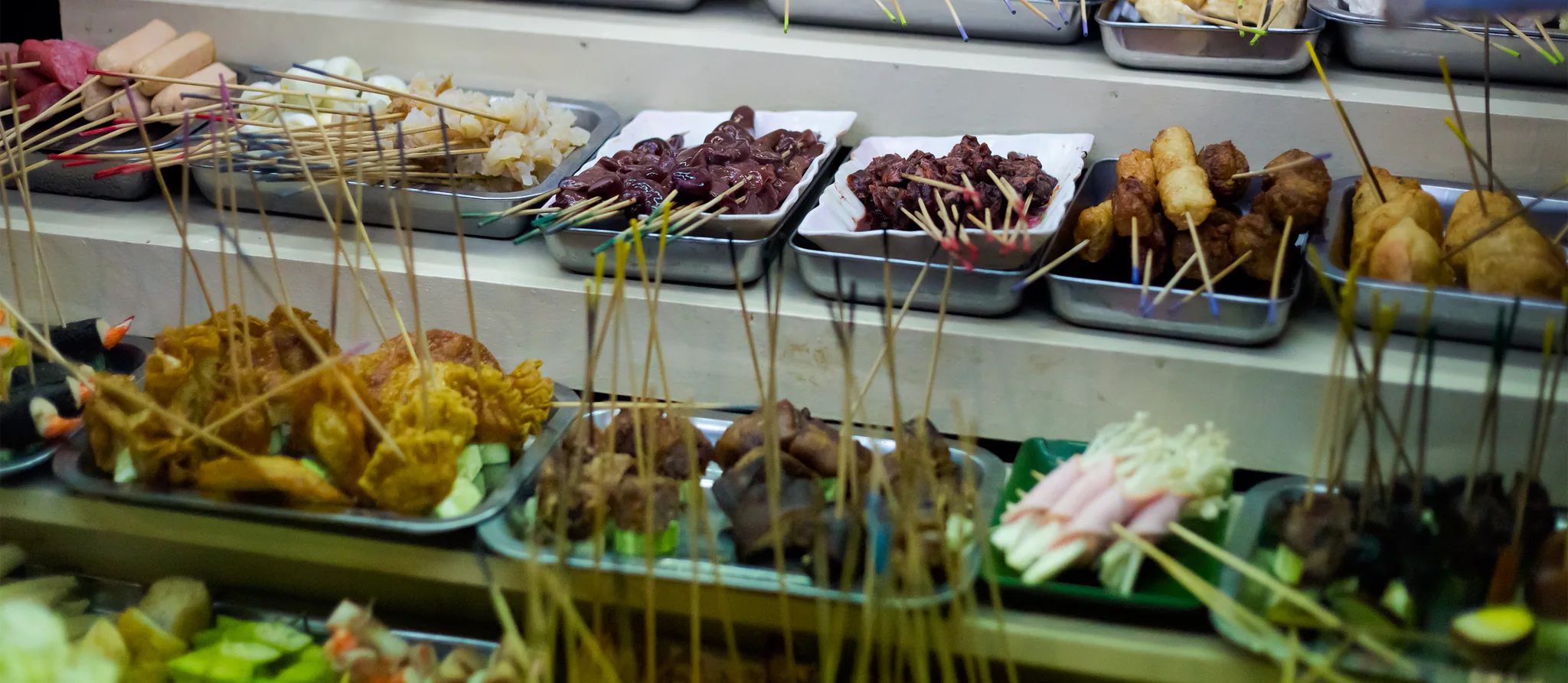
Skewers of raw prawns, squid, chicken, beef, tofu, quail eggs and vegetables dipped by each diner into a communal pot of simmering spiced peanut sauce until cooked. A sociable Malacca speciality born in the Peranakan Chinese community.
Satay celup (Malacca steamboat satay) is a Malaysian street food, ready in about 1 hour 50 minutes and made with roasted peanuts and prawns / shrimp. It serves 6 and is rated intermediate to cook.
- Prep
- 1 h
- Cook
- 50 min
- Total
- 1 h 50 min
- Serves
- 6
- Level
- Intermediate
- Calories
- 1008
Main ingredients
Ingredients
For the peanut sauce
For the skewers
To serve
Method
Peanut sauce
45 minStep 1
Blend the drained chillies, shallots (opens in a new tab), garlic (opens in a new tab), lemongrass (opens in a new tab), galangal (opens in a new tab), ginger and belacan (opens in a new tab) to a fine paste with a splash of water.
Step 2
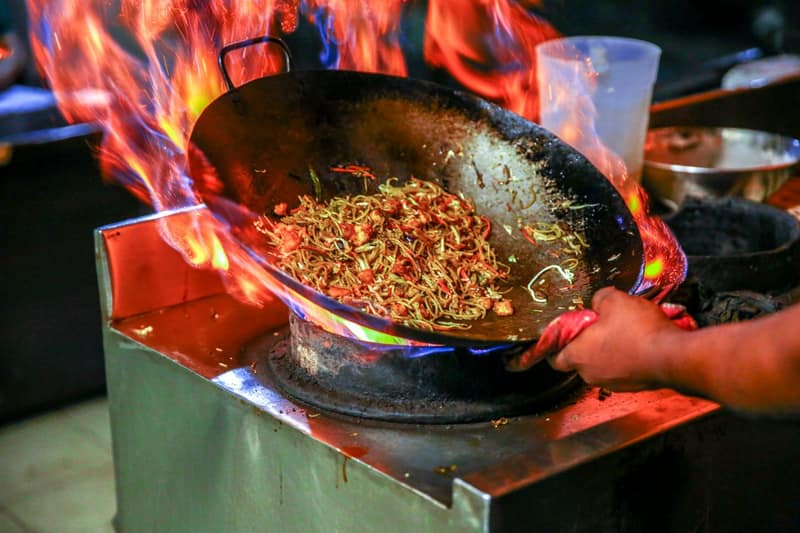
Fry the paste in the oil in a wok (opens in a new tab) over medium-low heat, stirring often, for 15–20 minutes until dark red, fragrant and the oil separates (pecah minyak).
- 20 min
- medium-low heat
- Wok (opens in a new tab)
Patience here gives the sauce its depth; under-fried paste tastes raw.
How it looks · Photo: Aesthos AR. Photography on Pexels Step 3
Add the ground peanuts, palm sugar (opens in a new tab), tamarind, salt and water. Simmer for 15–20 minutes, stirring, until thick but still pourable. Taste: it should be sweet, spicy, nutty and a little tangy.
- 20 min
- low heat
Skewers
30 minStep 4
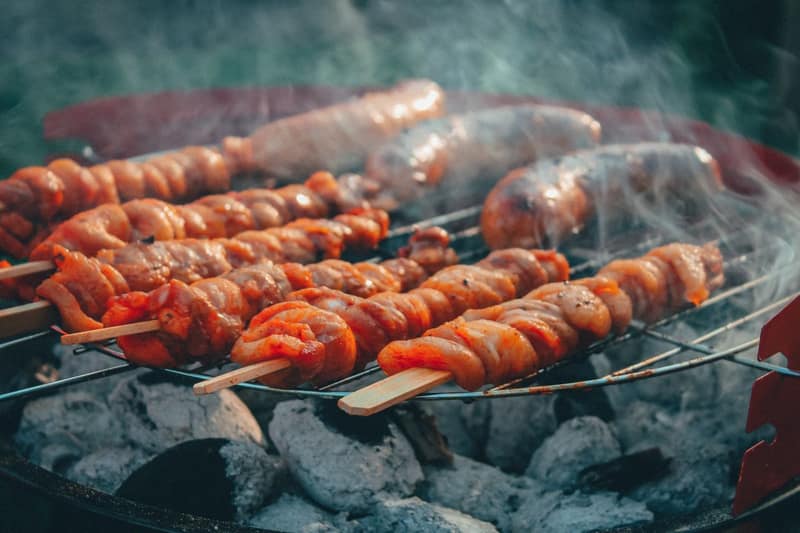
Thread the prawns (opens in a new tab), squid (opens in a new tab), chicken, beef, tofu (opens in a new tab), quail eggs (opens in a new tab), okra (opens in a new tab) and bok choy (opens in a new tab) onto separate bamboo skewers (opens in a new tab). Keep the raw meat and seafood chilled until the meal starts.
Food safety: Wash hands, boards and knives after handling raw meat, and keep it apart from salad and other ready-to-eat food.
How it looks · Photo: Malte Luk on Pexels
To serve
Step 5
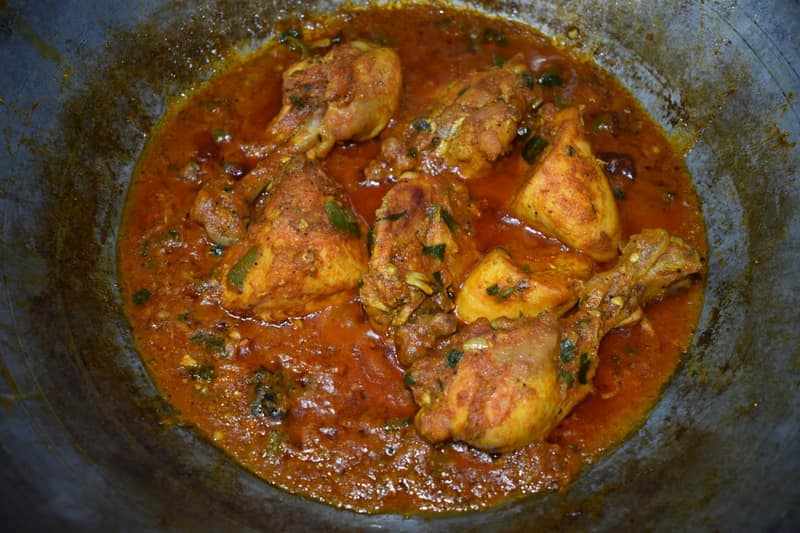
Transfer the sauce to a pot on a tabletop burner and keep it at a gentle simmer. Diners dip skewers (opens in a new tab) into the sauce until cooked: 1–2 minutes for seafood and vegetables, 2–3 minutes for chicken and beef. Stir the pot often and top up with water if it thickens too much. Finish by dunking bread in the sauce.
Food safety: Keep raw fish and shellfish cold until cooking and cook until the flesh is opaque and flakes or firms; refrigerate leftovers within 2 hours.
How it looks · Photo: Bachir Mamud on Pexels
At a glance
1 · Peanut sauce in a pan
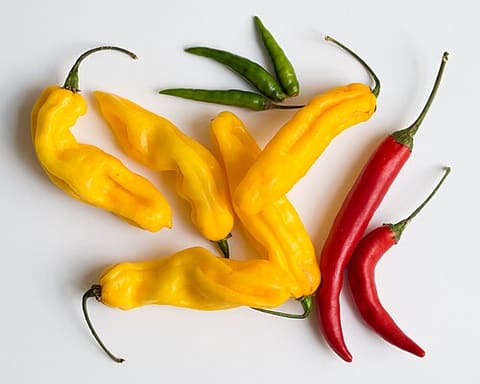 Dried whole chillies
 Shallot
 Garlic
 Lemongrass
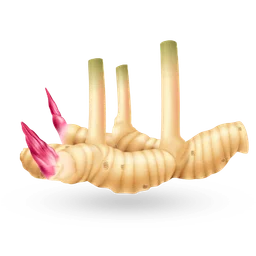 Galangal
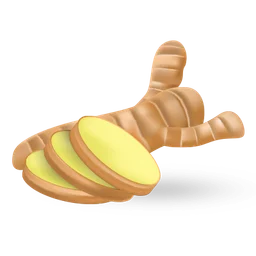 Fresh ginger
 Shrimp paste
 Neutral vegetable oil
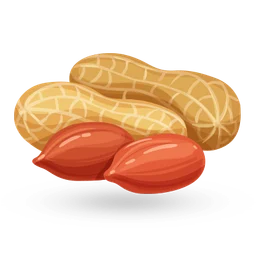 Roasted peanuts
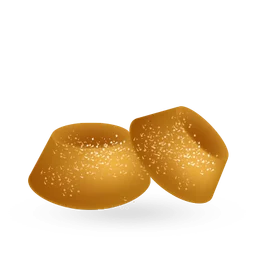 Jaggery / palm sugar
 Tamarind paste
 Salt
then thread
2 · Skewers in a bowl
 Prawns / shrimp
 Squid
 Chicken breast
 Beef sirloin steak
 Tofu
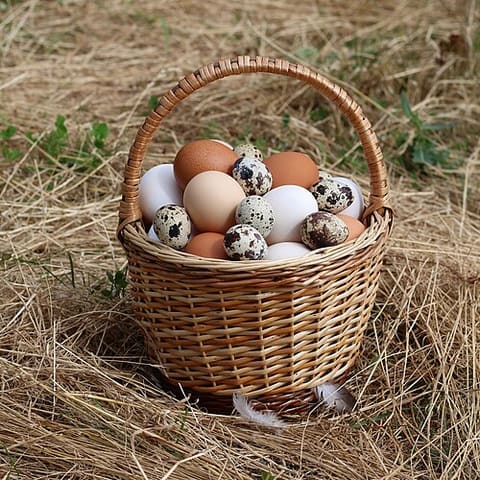 Quail egg
 Okra
 Bok choy
then transfer
3 · To serve in a pot
 White bread
About this dish
- Origin
- Malacca, Malaysia · Well documentedBelieved to have started in Malacca in the 1950s; the city's satay celup shops each guard their own sauce recipe. Traditionally eaten with cold barley water.Also popular in SingaporeMore food from Malaysia
Malaysia - Dish
- Dinner · Street food · Main courses
- Cooking method
- Simmered, Blended, Stir-fried
- Taste
- nutty, sweet & spicy, aromatic / warmly spiced, umami
- Diet
- Dairy-free · High-proteinWithout the optional extras: No gluten ingredientsWorked out from the ingredients. How labels work
All labels
Non-vegetarian · Dairy-free · Alcohol-free · Pork-free · High-protein - Good for
- Festive & celebration · Street food
- Cook more with
- Roasted peanuts · Prawns / shrimp · Dried whole chillies · Shallot · Garlic · Lemongrass
- Techniques
- Stir-frying · Simmering · Bhunao · Wet grinding · Emulsification
Allergens
- May contain: Milkfrom white bread
- Contains: Eggsfrom quail egg, white bread
- Contains: Crustaceansfrom shrimp paste, prawns / shrimp
- Contains: Molluscsfrom squid
- Contains: Peanutsfrom roasted peanuts
- Contains, can be adapted: Wheatfrom white bread
- Contains, can be adapted: Glutenfrom white bread
- Contains: Soyfrom tofu, white bread
- May contain: Sesamefrom white bread
Based on typical versions of these ingredients and not verified allergen-free. Brands differ and cross-contact happens, so always check labels. For severe allergies, follow your clinician’s advice.
Nutrition
1008 kcal per serving
Estimated1 serving ≈ 773 g · recipe makes 6
Where the energy comes from
- Protein 27%
- Carbohydrate 19%
- Fat 54%
| Nutrient | Per serving | Per 100 g* |
|---|---|---|
| Energy | 1008 kcal | 130 kcal |
| Protein | 70.9 g | 9.2 g |
| Carbohydrate | 51 g | 6.6 g |
| Net carbohydrate | — | — |
| Sugars | — | — |
| Added sugars | 12.9 g | 1.7 g |
| Fibre | — | — |
| Fat | 62.6 g | 8.1 g |
| Saturated fat | 9.1 g | 1.2 g |
| Trans fat | — | — |
| Cholesterol | 330 mg | 43 mg |
| Sodium | 1195 mg | 155 mg |
| Salt equivalent | 3 g | 0.4 g |
Vitamins & minerals per serving
- Potassium
- 1791 mg
- Calcium
- 605 mg
- Iron
- 7 mg
- Magnesium
- 276 mg
- Vitamin A (RAE)
- —
- Vitamin C
- —
- Vitamin D
- —
- Vitamin B12
- —
- Folate (DFE)
- —
How these numbers were made
- Calculated from USDA FoodData Central (SR Legacy) per-100 g values and the listed quantities.
- *Per 100 g of combined raw ingredients; the cooked dish may weigh more or less.
- Optional ingredients are not included: white bread.
- Galangal: Fresh ginger used as a stand-in: no galangal entry in FDC SR Legacy, and galangal is a closely related rhizome used in similar small amounts.
- Shrimp paste: Fish sauce (FDC 174531) at 1.5× as a stand-in salted fermented seafood condiment; protein is understated.
- Jaggery / palm sugar: Brown sugar (FDC 168833) used as a stand-in for unrefined cane jaggery and palm sugar.
- Tamarind paste: Raw tamarind pulp (FDC 167763). Commercial concentrates vary in water content.
- Quail egg: Whole hen's egg (FDC 171287) used as a stand-in; quail eggs are slightly richer in yolk but very close per 100 g.
- “—” means the value isn’t known for enough of the ingredients; it is never zero by default.
- Values are estimates for guidance, not for medical dosing. U.S. Department of Agriculture, Agricultural Research Service. FoodData Central, 2019. fdc.nal.usda.gov.
Good to know
Tips
- The sauce can be made 2 days ahead and reheated; it thickens in the fridge, so loosen it with water.
Common mistakes
- Letting the sauce cool down at the table — it must keep simmering to cook the chicken and seafood safely.
Serve with
- Serve with cold barley water or iced lime juice, and plates of extra cut cucumber.
Food safety
- Cook chicken until the juices run clear and the thickest part reaches 74 °C; refrigerate leftovers within 2 hours.
- Keep raw fish and shellfish cold until cooking and cook until the flesh is opaque and flakes or firms; refrigerate leftovers within 2 hours.
- Use a separate set of skewers or chopsticks for raw and cooked food.
Storage
- Leftover sauce keeps 3 days refrigerated or 2 months frozen; discard sauce that raw skewers were dipped in if it has not been reboiled.
Reheating
- Bring the sauce back to a rolling boil before using it again.
Variations
- Lok lok: A similar Penang and Kuala Lumpur street food where skewers are boiled in water and dipped in sauces afterwards.
Original editorial recipe · FriendsPantry editorial · source: TasteAtlas (dish facts) · Not yet independently reviewed · Added
Sauces, chutneys & dips for this dish
Recipe DNA
How this dish is built
Built from the recipe’s own sections. Each band’s width is its share of the dish by weight. Choose a component to see what it does.
The body of the dish
For the peanut sauce
- Dried whole chillies, seeded, soaked in hot water for 15 minutes12 piece · 24 g
- Shallot8 piece · 240 g
- Garlic4 clove · 16 g
- Lemongrass, white parts, sliced3 stalk · 60 g
- Galangal, sliced25 g
- Fresh ginger, sliced15 g
- Shrimp paste, toasted10 g
- Neutral vegetable oil120 ml · 110 g
- Roasted peanuts, coarsely ground400 g
- Jaggery / palm sugar80 g
- Tamarind paste2 tbsp · 36 g
- Salt2 tsp · 12 g
- Water1.5 l · 1500 g
Reviews & corrections
Reviews come from signed-in cooks and appear after a moderator checks them. We never show made-up ratings.
You might also like
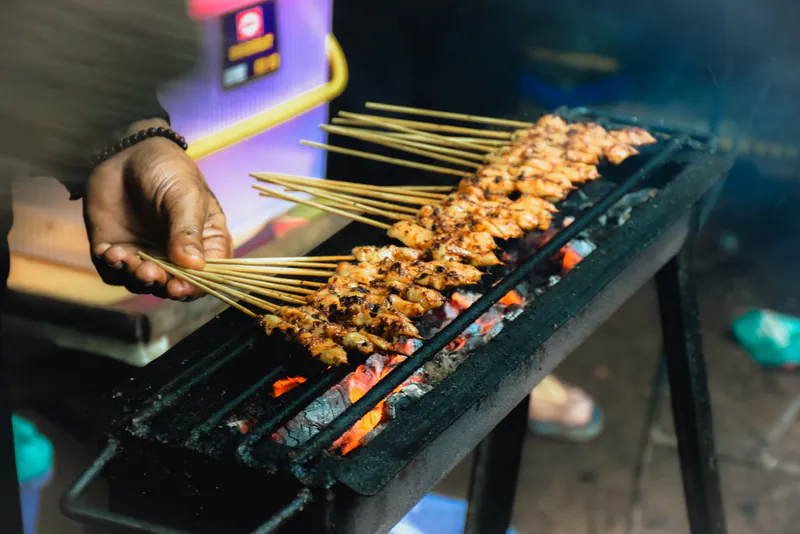
Sate ayam (chicken satay)
 Indonesian · 1 h 50 min · 473 kcal
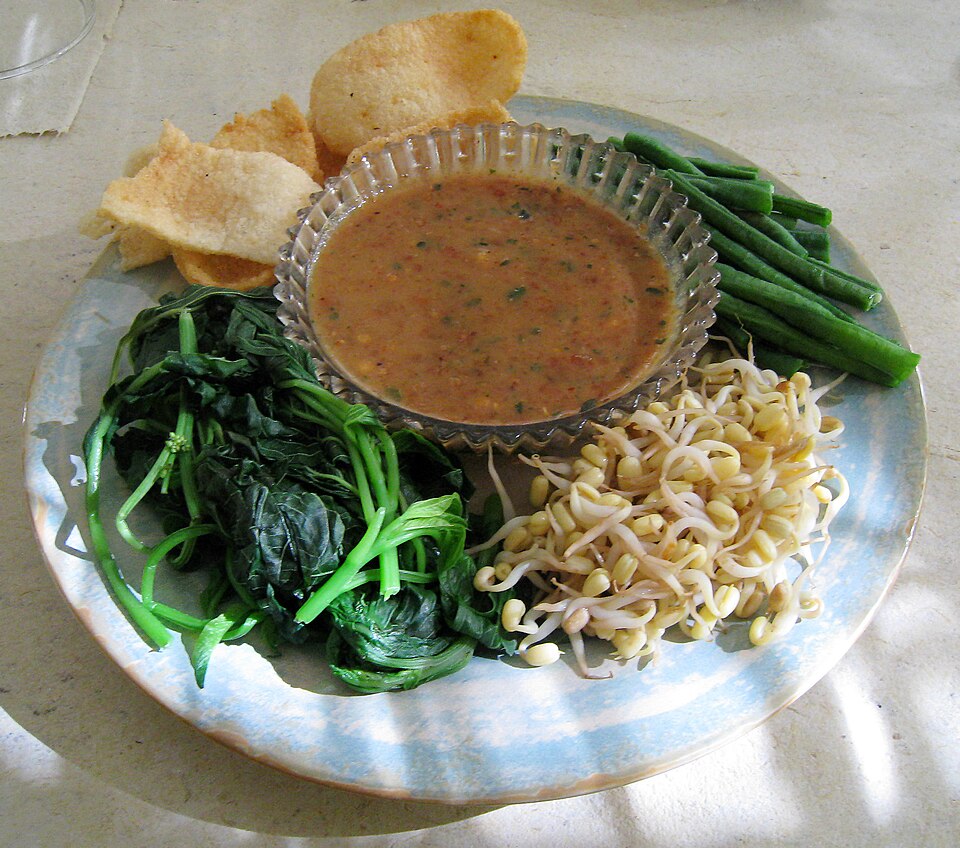
Bumbu kacang (peanut satay sauce)
Indonesian · 30 min · 164 kcal · Vegan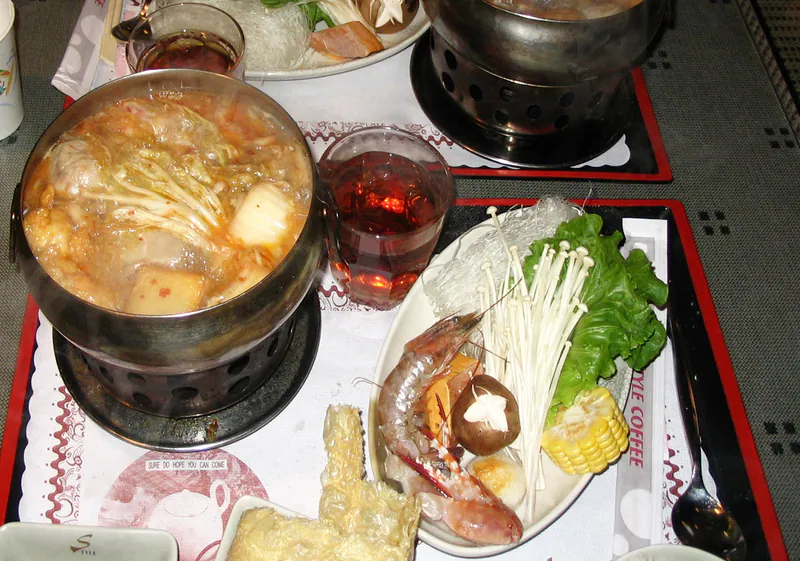
Taiwanese hot pot (huoguo)
 Taiwanese · 3 h 10 min · 940 kcal
Sarawak laksa (Kuching laksa)
 Malaysian · 2 h · 1057 kcal