
Taiwanese hot pot (huoguo)
Non-vegetarian
火鍋 · huǒguō
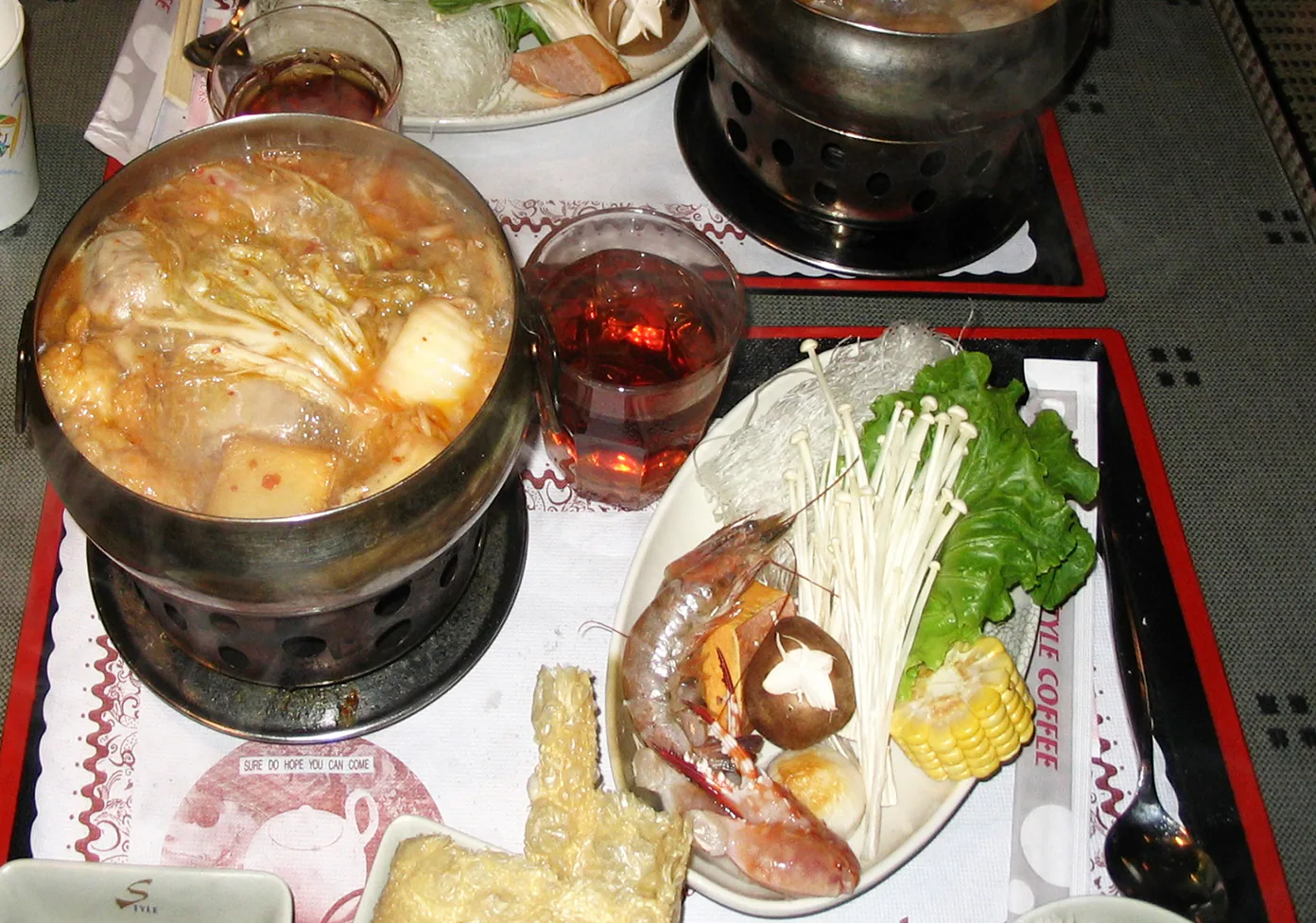
A pot of mild pork-bone broth kept simmering at the table, where everyone cooks thinly sliced meat, cabbage, tofu, fish cakes, mushrooms and corn and dips them in a shacha, soy and egg-yolk sauce. Taiwan's favourite meal for cold, rainy evenings.
Taiwanese hot pot (huoguo) is a Taiwanese soup, ready in about 3 hours 10 minutes and made with pork belly, napa cabbage and shacha sauce (taiwanese barbecue sauce). It serves 4 and is rated easy to cook.
- Prep
- 40 min
- Cook
- 2 h 30 min
- Total
- 3 h 10 min
- Serves
- 4
- Level
- Easy
- Calories
- 940
Main ingredients
Ingredients
For the broth
To cook at the table
For the dipping sauce
Method
Broth
2 hStep 1
Put the blanched bones in a stockpot with the water, daikon (opens in a new tab), soaked shiitake (opens in a new tab) and their strained soaking water, ginger and spring onion (opens in a new tab). Bring to the boil, skim, then simmer gently, partly covered, for 2 hours. Season with the salt and white pepper (opens in a new tab).
Blanch the bones for 5 minutes in boiling water and rinse them first for a clear broth.
To cook at the table
25 minStep 2
While the broth simmers, arrange the sliced meat, cabbage, tofu (opens in a new tab), fish cakes (opens in a new tab), enoki, corn (opens in a new tab), taro (opens in a new tab) and noodles on platters. Keep the meat in the fridge until the meal starts.
Dipping sauce
35 minStep 3
Set out the dipping-sauce ingredients so each person can mix their own: a spoon of shacha (opens in a new tab) with soy sauce (opens in a new tab), garlic (opens in a new tab), spring onion (opens in a new tab), coriander, chilli and a pinch of sugar (opens in a new tab), with a raw egg yolk (opens in a new tab) stirred in if liked.
- 5 min
Step 4
Transfer some broth, the daikon (opens in a new tab) and cabbage to a pot on a portable burner at the table and keep it at a lively simmer. Add the corn (opens in a new tab), taro (opens in a new tab) and tofu (opens in a new tab) first, then let everyone cook meat slices for 10–30 seconds until no longer pink, and the fish cakes (opens in a new tab), mushrooms and noodles for 1–3 minutes. Top up with broth as needed.
- 30 min
- medium heat
- Ladle (opens in a new tab)
Food safety: Use separate chopsticks or tongs for raw meat, and make sure each slice is fully cooked before eating.
At a glance
1 · Broth in a pot
 Pork bones (trotters and neck bones)
 Daikon
 Shiitake mushrooms
 Fresh ginger
 Spring onion
 Salt
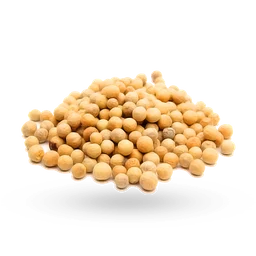 White pepper
then arrange
2 · To cook at the table in a bowl
 Pork belly
 Beef sirloin steak
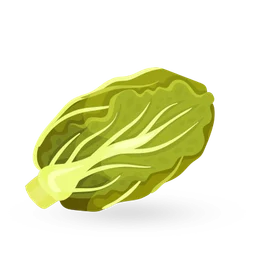 Napa cabbage
 Tofu
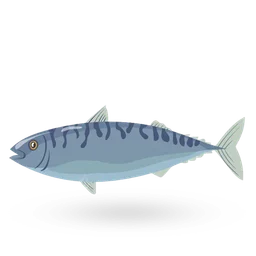 Fish cake (eomuk / fish cake slices)
 Enoki mushrooms
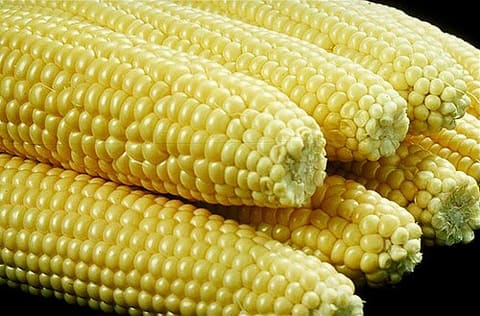 Sweet corn
 Taro
 Glass noodles
then set
3 · Dipping sauce in a bowl
- Shacha sauce (Taiwanese barbecue sauce)
 Soy sauce
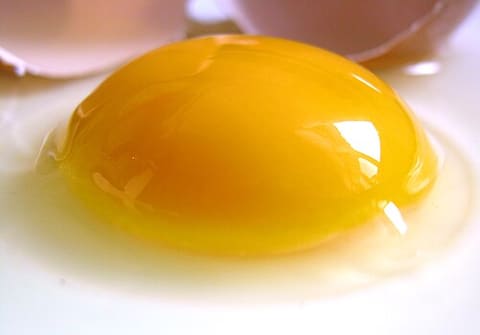 Egg yolk
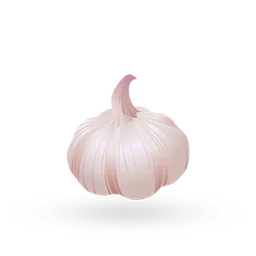 Garlic
- Spring onion
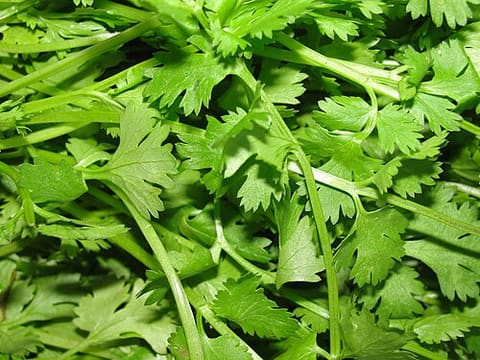 Coriander leaves
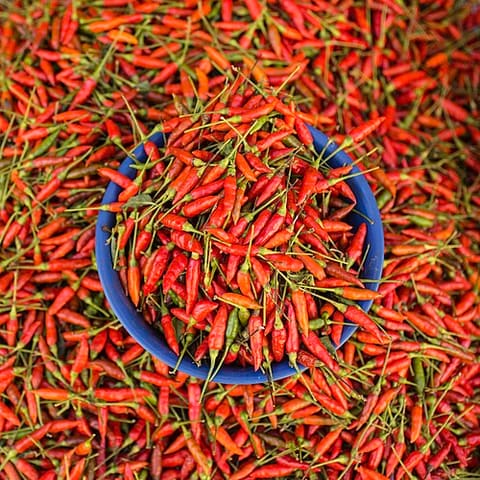 Fresh red chilli
 Sugar
About this dish
- Origin
- Taiwan · Commonly attributedHot pot came to Taiwan with migrants from mainland China; shacha dipping sauce, brought by Chaoshan (Teochew) cooks, became the Taiwanese signature. Sour-cabbage, herbal, milk and kimchi broths are also popular.More food from Taiwan
Taiwan - Dish
- Dinner · Soups · Main courses
- Cooking method
- Simmered, Boiled
- Taste
- umami, savoury, mild, garlicky
- Diet
- Dairy-free · High-proteinWithout the optional extras: Egg-free, Beef-freeWorked out from the ingredients. How labels work
All labels
Non-vegetarian · Dairy-free · Alcohol-free · High-protein · Carb-conscious - Good for
- Festive & celebration · One-pot
- Cook more with
- Pork belly · Napa cabbage · Pork bones (trotters and neck bones) · Daikon · Shiitake mushrooms · Fresh ginger
Allergens
- Contains, can be adapted: Eggsfrom fish cake (eomuk / fish cake slices), egg yolk
- Contains: Fishfrom fish cake (eomuk / fish cake slices), shacha sauce (taiwanese barbecue sauce)
- Contains: Crustaceansfrom shacha sauce (taiwanese barbecue sauce)
- May contain: Peanutsfrom shacha sauce (taiwanese barbecue sauce)
- Contains: Wheatfrom fish cake (eomuk / fish cake slices), soy sauce
- Contains: Glutenfrom fish cake (eomuk / fish cake slices), soy sauce
- Contains: Soyfrom tofu, fish cake (eomuk / fish cake slices), shacha sauce (taiwanese barbecue sauce), soy sauce
- May contain: Sesamefrom shacha sauce (taiwanese barbecue sauce)
Based on typical versions of these ingredients and not verified allergen-free. Brands differ and cross-contact happens, so always check labels. For severe allergies, follow your clinician’s advice.
Nutrition
940 kcal per serving
Estimated1 serving ≈ 1042 g · recipe makes 4
Where the energy comes from
- Protein 17%
- Carbohydrate 14%
- Fat 68%
| Nutrient | Per serving | Per 100 g* |
|---|---|---|
| Energy | 940 kcal | 90 kcal |
| Protein | 41.9 g | 4 g |
| Carbohydrate | 34.8 g | 3.3 g |
| Net carbohydrate | 25.4 g | 2.4 g |
| Sugars | — | — |
| Added sugars | 1 g | 0.1 g |
| Fibre | 9.4 g | 0.9 g |
| Fat | 74 g | 7.1 g |
| Saturated fat | 21.7 g | 2.1 g |
| Trans fat | — | — |
| Cholesterol | 87 mg | 8 mg |
| Sodium | 2273 mg | 218 mg |
| Salt equivalent | 5.7 g | 0.5 g |
Vitamins & minerals per serving
- Potassium
- 1577 mg
- Calcium
- 885 mg
- Iron
- 5.8 mg
- Magnesium
- 175 mg
- Vitamin A (RAE)
- —
- Vitamin C
- 65 mg
- Vitamin D
- —
- Vitamin B12
- 1.6 µg
- Folate (DFE)
- 221 µg
How these numbers were made
- Calculated from USDA FoodData Central (SR Legacy) per-100 g values and the listed quantities.
- *Per 100 g of combined raw ingredients; the cooked dish may weigh more or less.
- Optional ingredients are not included: beef sirloin steak, taro, glass noodles, egg yolk, fresh red chilli.
- Pork bones (trotters and neck bones): Pork spareribs (FDC 167853) scaled down as a rough estimate of the meat, fat and collagen that boiled pork bones release into a broth.
- Fish cake (eomuk / fish cake slices): Surimi used as a stand-in; ready-made fish cakes are surimi bound with starch or flour and are often fried, so a little higher in fat and carbohydrate.
- Shacha sauce (Taiwanese barbecue sauce): Vegetable oil (FDC 172336) scaled to 0.7 as a rough stand-in; shacha is mostly soybean oil cooked with dried brill fish, dried shrimp, garlic, shallot and chilli.
- “—” means the value isn’t known for enough of the ingredients; it is never zero by default.
- Values are estimates for guidance, not for medical dosing. U.S. Department of Agriculture, Agricultural Research Service. FoodData Central, 2019. fdc.nal.usda.gov.
Good to know
Tips
- Finish the meal by cooking noodles or rice in the rich, meaty broth left in the pot.
Common mistakes
- Letting the broth boil hard the whole meal — it reduces, turns salty and breaks up the tofu.
Serve with
- Serve with plain rice and Taiwan beer or hot barley tea.
Food safety
- Raw egg yolk in the dipping sauce is not advised for pregnant women, young children, older people or anyone with a weakened immune system; leave it out or use pasteurised eggs.
Storage
- Leftover broth keeps 3 days refrigerated or 3 months frozen; store raw and cooked ingredients separately.
Reheating
- Bring leftover broth to a full boil before using it again.
Variations
- Suan cai bai rou guo: Sour napa cabbage and pork belly hot pot, a winter favourite in Taiwan.
- Mala hot pot: A fiery Sichuan-style chilli and peppercorn broth, now hugely popular in Taipei.
- Milk or kimchi hot pot: Modern Taiwanese chains serve creamy milk broths and Korean-style kimchi broths.
Original editorial recipe · FriendsPantry editorial · source: TasteAtlas (dish facts) · Not yet independently reviewed · Added
Recipe DNA
How this dish is built
Built from the recipe’s own sections. Each band’s width is its share of the dish by weight. Choose a component to see what it does.
The body of the dish
For the dipping sauce
- Shacha sauce (Taiwanese barbecue sauce)4 tbsp · 59 g
- Soy sauce4 tbsp · 68 g
- Egg yolk (optional)4 piece · 68 g
- Garlic, finely grated4 clove · 16 g
- Spring onion, finely chopped2 piece · 30 g
- Coriander leaves, chopped10 g
- Fresh red chilli, sliced (optional)2 piece · 12 g
- Sugar1 tsp · 4.2 g
Reviews & corrections
Reviews come from signed-in cooks and appear after a moderator checks them. We never show made-up ratings.
You might also like
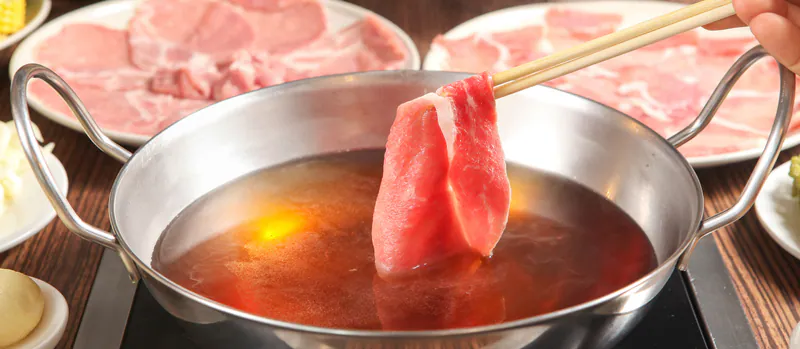
Shabu-shabu (Japanese hot pot)
 Japanese · 1 h 30 min · 492 kcal
Sichuan hotpot (mala huoguo)
 Sichuan · 2 h 15 min
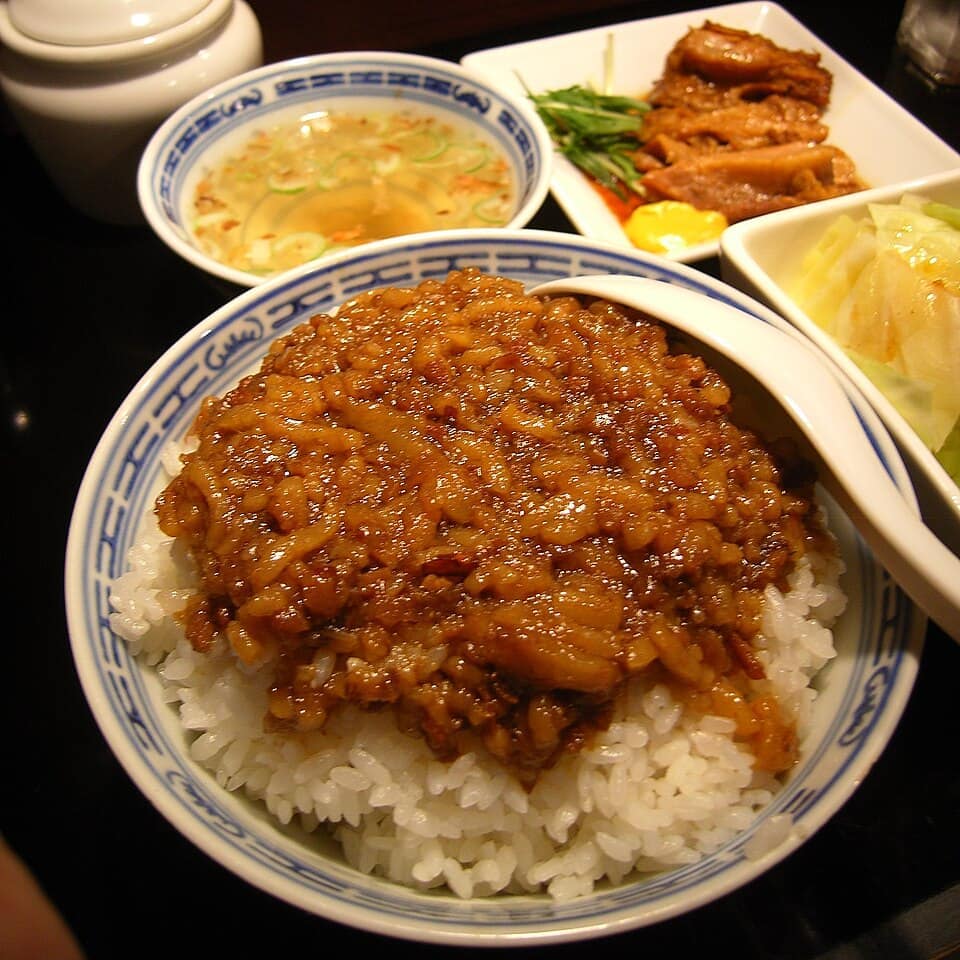
Lu rou fan (Taiwanese braised pork rice)
 Taiwanese · 2 h · 779 kcal
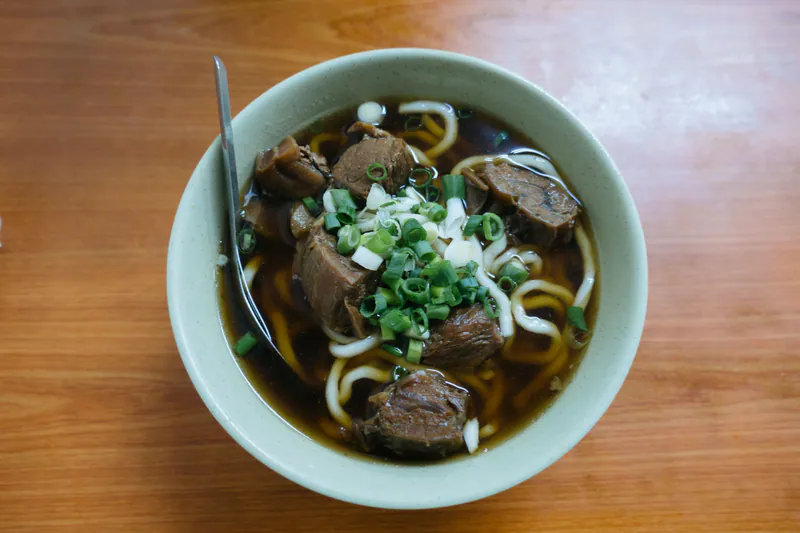
Taiwanese beef noodle soup
Taiwanese · 3 h · 551 kcal