
Lemper ayam (sticky rice rolls with spiced chicken)
Non-vegetarian
Lemper
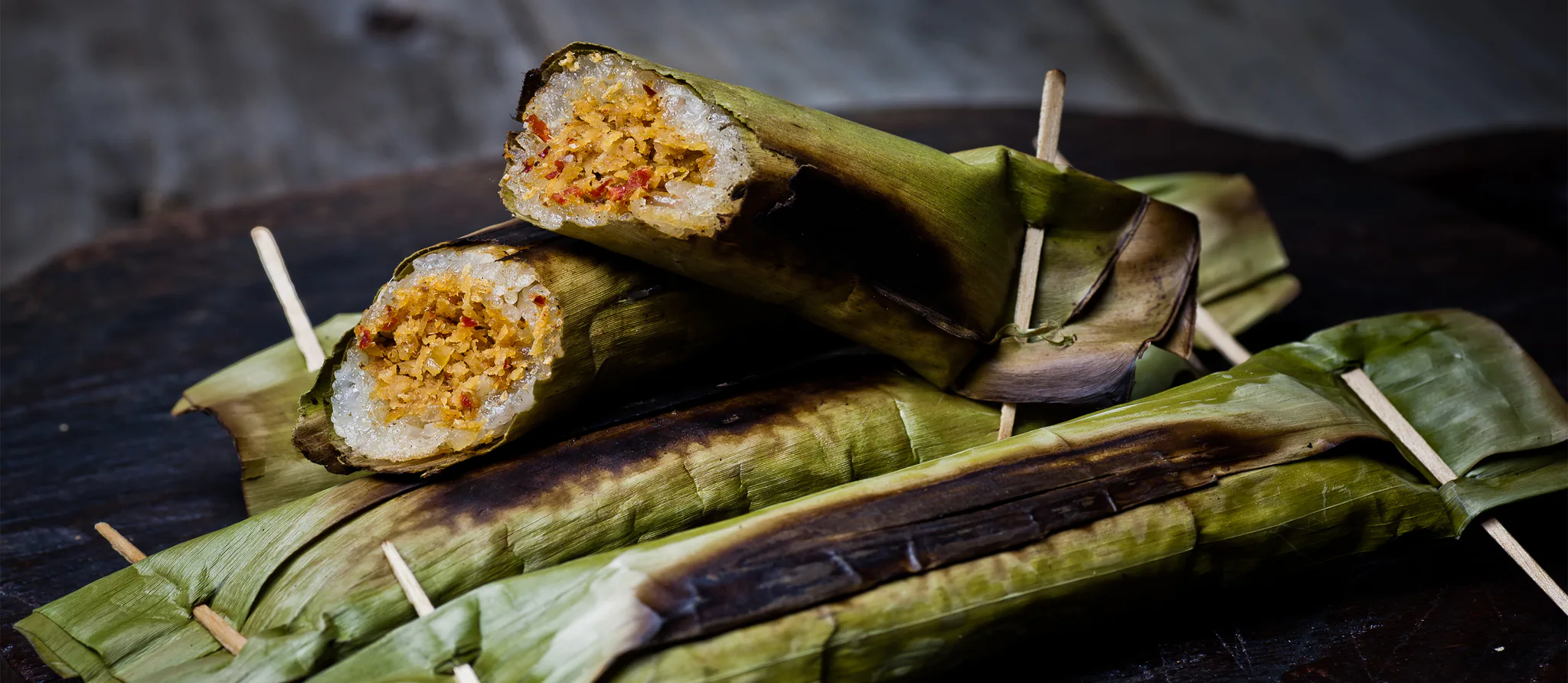
Glutinous rice cooked in coconut milk until sticky and rich, wrapped around a filling of shredded chicken simmered with garlic, shallots, coriander, lemongrass and galangal, then rolled in banana leaf and steamed. A portable Javanese snack sold at markets and served at gatherings.
Lemper ayam (sticky rice rolls with spiced chicken) is an Indonesian finger food, ready in about 2 hours 10 minutes and made with glutinous rice, coconut milk and chicken thigh. It serves 12 and is rated intermediate to cook.
- Prep
- 45 min
- Cook
- 1 h 15 min
- Rest
- 10 min
- Total
- 2 h 10 min
- Serves
- 12
- Level
- Intermediate
- Calories
- 271
Plus at least 3 hours soaking the rice.
Main ingredients
Ingredients
For the rice
For the filling
For wrapping
Method
Rice
46 minStep 1
Steam the soaked rice in a steamer (opens in a new tab) lined with a cloth or leaf for 20 minutes until the grains are translucent but still firm.
- 20 min
- high heat
- Steamer (opens in a new tab)
Step 2
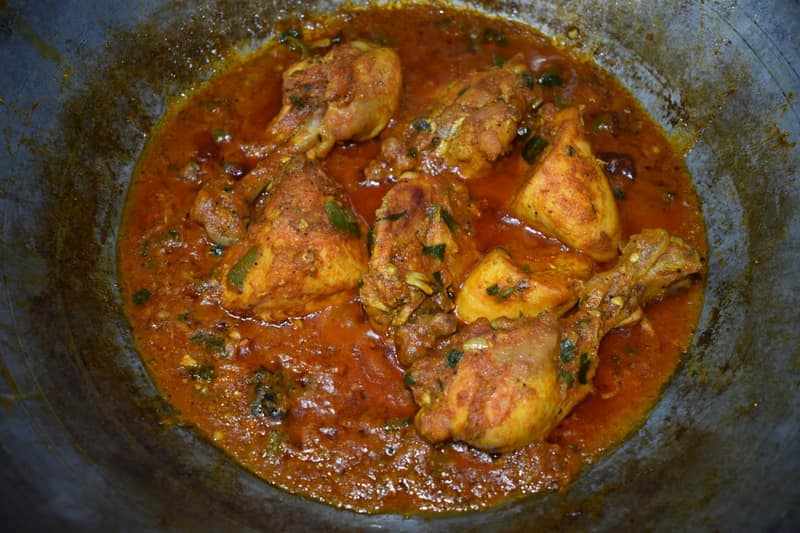
Meanwhile, heat the 300 ml coconut milk (opens in a new tab) with the water, salt, pandan (opens in a new tab) and salam leaves (opens in a new tab) in a wide saucepan (opens in a new tab) until just simmering. Add the steamed rice and stir over low heat until it has absorbed all the liquid, about 5 minutes.
- 6 min
- low heat
- Saucepan (opens in a new tab)
How it looks · Photo: Bachir Mamud on Pexels Step 3
Return the rice to the steamer (opens in a new tab) and steam for another 20 minutes until soft, sticky and cooked through. Remove the leaves.
- 20 min
- high heat
- Steamer (opens in a new tab)
Filling
53 minStep 4
While the rice cooks, poach the chicken in the 500 ml water for 15–20 minutes until cooked through. Cool slightly and shred finely with two forks. Keep 100 ml of the broth.
- 20 min
- medium heat
Food safety: Cook chicken until the juices run clear and the thickest part reaches 74 °C; refrigerate leftovers within 2 hours.
Step 5
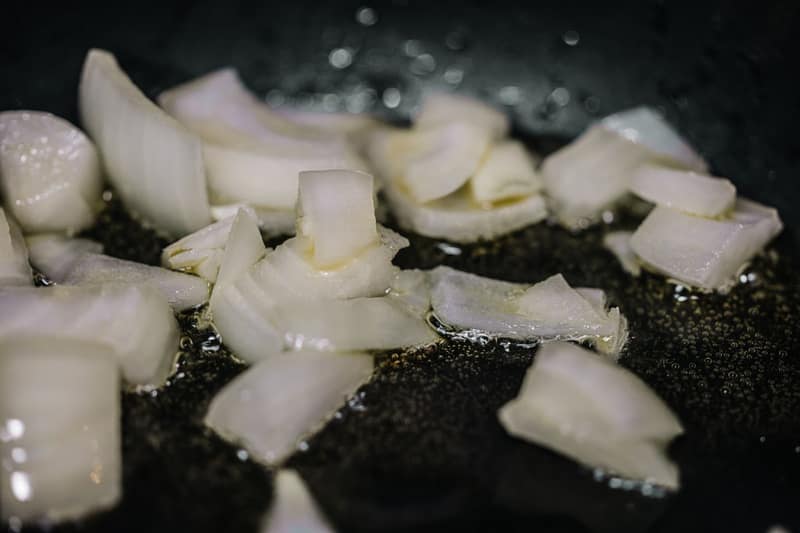
Grind the shallots (opens in a new tab), garlic (opens in a new tab), candlenuts (opens in a new tab), coriander and white pepper (opens in a new tab) to a paste. Fry the paste in the oil in a wok (opens in a new tab) with the lemongrass (opens in a new tab), galangal (opens in a new tab) and lime leaves for 4–5 minutes until fragrant and no longer raw-smelling.
- 6 min
- medium heat
- Mortar and pestle (opens in a new tab)
- Wok (opens in a new tab)
How it looks · Photo: Magda Ehlers on Pexels Step 6
Add the shredded chicken, 100 ml coconut milk (opens in a new tab), palm sugar (opens in a new tab), salt and the reserved broth. Cook, stirring, until almost dry and the chicken has soaked up the spices, 10–12 minutes. Remove the aromatics and cool.
- 12 min
- medium-low heat
Step 7
Take about 70 g warm rice and flatten it into a 10 × 8 cm rectangle on a piece of banana leaf (wet your hands or use a sheet of plastic). Place a heaped tablespoon of filling along the centre, then fold the rice over to enclose it and press into a log.
- 15 min
Work while the rice is warm; it stops being pliable as it cools.
Wrapping
10 minStep 8
Roll the banana leaf tightly around the log and fold or pin the ends with a toothpick. Steam the wrapped lemper for 10 minutes to set and perfume them. Let them rest 10 minutes before eating.
- 10 min
- high heat
- Steamer (opens in a new tab)
At a glance
1 · Rice in a pot
 Glutinous rice
 Coconut milk
 Salt
 Pandan leaves
 Salam leaves (Indonesian bay leaves)
then poach
2 · Filling in a bowl
 Chicken thigh
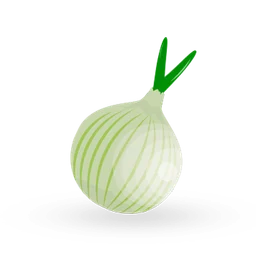 Shallot
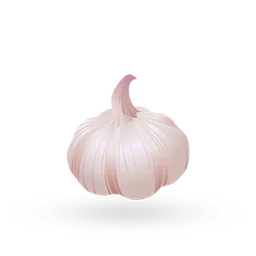 Garlic
 Candlenut
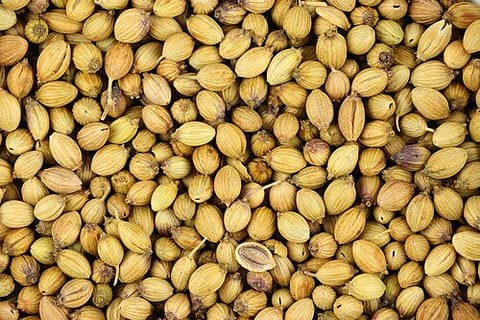 Ground coriander
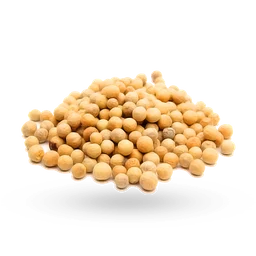 White pepper
 Neutral vegetable oil
 Lemongrass
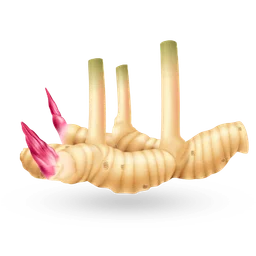 Galangal
 Makrut lime leaves
- Coconut milk
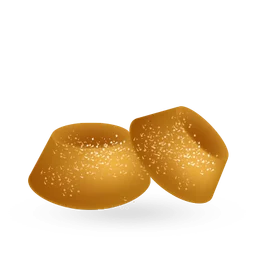 Jaggery / palm sugar
- Salt
then roll
3 · Wrapping in a bowl
 Banana leaves
About this dish
- Origin
- Java, Indonesia · Commonly attributedFound across Indonesia and in Malaysia and Singapore (as pulut panggang when grilled). Fillings vary: chicken is classic, but beef, fish and abon (meat floss) are common.Also popular in Malaysia, SingaporeMore food from Indonesia
Indonesia - Dish
- Snack · Breakfast · Finger food · Rice dishes · Street food · Breakfast dishes
- Cooking method
- Steamed, Simmered, Stir-fried
- Taste
- savoury, creamy, aromatic / warmly spiced, sweet & savoury
- Diet
- No gluten ingredients · Dairy-freeWorked out from the ingredients. How labels work
All labels
Non-vegetarian · Flexitarian-friendly · No gluten ingredients · Dairy-free · Egg-free · Alcohol-free · Pork-free · Beef-free - Good for
- Portable / lunchbox · Make-ahead · Festive & celebration
- Cook more with
- Glutinous rice · Coconut milk · Chicken thigh · Shallot · Garlic · Candlenut
- Techniques
- Stir-frying · Simmering · Poaching · Steaming
Allergens
- May contain: Tree nutsfrom candlenut
Based on typical versions of these ingredients and not verified allergen-free. Brands differ and cross-contact happens, so always check labels. For severe allergies, follow your clinician’s advice.
Nutrition
271 kcal per serving
Estimated1 serving ≈ 171 g · recipe makes 12
Where the energy comes from
- Protein 15%
- Carbohydrate 48%
- Fat 37%
| Nutrient | Per serving | Per 100 g* |
|---|---|---|
| Energy | 271 kcal | 158 kcal |
| Protein | 10.1 g | 5.9 g |
| Carbohydrate | 32.8 g | 19.1 g |
| Net carbohydrate | — | — |
| Sugars | — | — |
| Added sugars | 1.2 g | 0.7 g |
| Fibre | — | — |
| Fat | 11.3 g | 6.6 g |
| Saturated fat | 6.8 g | 4 g |
| Trans fat | — | — |
| Cholesterol | 31 mg | 18 mg |
| Sodium | 382 mg | 223 mg |
| Salt equivalent | 1 g | 0.6 g |
Vitamins & minerals per serving
- Potassium
- 249 mg
- Calcium
- 28 mg
- Iron
- 2.3 mg
- Magnesium
- 38 mg
- Vitamin A (RAE)
- 2 µg
- Vitamin C
- 2 mg
- Vitamin D
- 0 µg
- Vitamin B12
- 0.2 µg
- Folate (DFE)
- 15 µg
How these numbers were made
- Calculated from USDA FoodData Central (SR Legacy) per-100 g values and the listed quantities.
- *Per 100 g of combined raw ingredients; the cooked dish may weigh more or less.
- Optional ingredients are not included: pandan leaves, salam leaves (indonesian bay leaves).
- Not counted (tiny amounts or “to taste”): makrut lime leaves, banana leaves.
- Candlenut: English walnuts (FDC 170187) used as a stand-in: candlenuts are similarly oil-rich (about 60–65 % fat); no candlenut entry exists in FDC SR Legacy.
- Galangal: Fresh ginger used as a stand-in: no galangal entry in FDC SR Legacy, and galangal is a closely related rhizome used in similar small amounts.
- Jaggery / palm sugar: Brown sugar (FDC 168833) used as a stand-in for unrefined cane jaggery and palm sugar.
- “—” means the value isn’t known for enough of the ingredients; it is never zero by default.
- Values are estimates for guidance, not for medical dosing. U.S. Department of Agriculture, Agricultural Research Service. FoodData Central, 2019. fdc.nal.usda.gov.
Good to know
Tips
- Lemper can be grilled in their leaves after steaming for a smoky crust; in Malaysia this is called pulut panggang.
Common mistakes
- Skipping the soak — the rice stays chalky in the middle however long it steams.
Serve with
- Serve at room temperature as a snack with tea or coffee, or as part of a jajan pasar (market snacks) platter.
Food safety
- Cook chicken until the juices run clear and the thickest part reaches 74 °C; refrigerate leftovers within 2 hours.
- Cooked rice can carry Bacillus cereus spores that survive cooking; cool leftover rice quickly and refrigerate it within an hour.
Storage
- Keep at cool room temperature for up to 6 hours, or refrigerate for 2 days.
Reheating
- Steam for 8–10 minutes in their leaves to soften the rice again.
Variations
- Lemper abon: Filled with sweet, fluffy beef or chicken floss instead of moist shredded chicken.
- Lemper bakar: Grilled over charcoal after steaming for a toasty, smoky wrapper.
- Pulut panggang (Malaysia): Malaysian and Singaporean version filled with spicy dried prawn sambal and grilled.
Original editorial recipe · FriendsPantry editorial · source: TasteAtlas (dish facts) · Not yet independently reviewed · Added
Recipe DNA
How this dish is built
Built from the recipe’s own sections. Each band’s width is its share of the dish by weight. Choose a component to see what it does.
What goes inside
For the filling
- Chicken thigh, boneless, skinless400 g
- Water500 ml · 500 g
- Shallot5 piece · 150 g
- Garlic4 clove · 16 g
- Candlenut2 piece · 8 g
- Ground coriander1 tsp · 1.9 g
- White pepper0.25 tsp · 0.6 g
- Neutral vegetable oil2 tbsp · 27 g
- Lemongrass, bruised1 stalk · 20 g
- Galangal, sliced and bruised15 g
- Makrut lime leaves3 leaf · 0.9 g
- Coconut milk100 ml · 98 g
- Jaggery / palm sugar15 g
- Salt0.75 tsp · 4.5 g
Reviews & corrections
Reviews come from signed-in cooks and appear after a moderator checks them. We never show made-up ratings.
You might also like
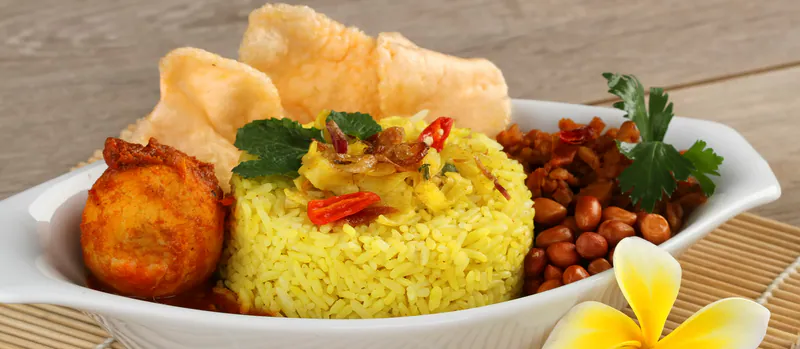
Nasi kuning (Indonesian turmeric coconut rice)
 Indonesian · 1 h 5 min · 730 kcal · Contains egg
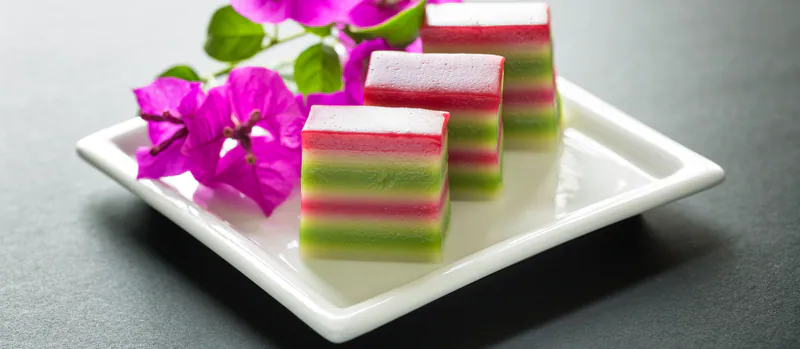
Kuih lapis (steamed layer cake)
 Malaysian · 5 h 25 min · 203 kcal · Vegan
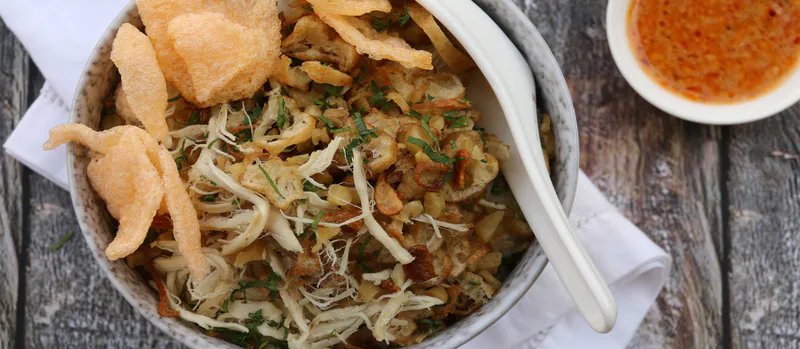
Bubur ayam (Indonesian chicken rice porridge)
Indonesian · 1 h 40 min · 573 kcal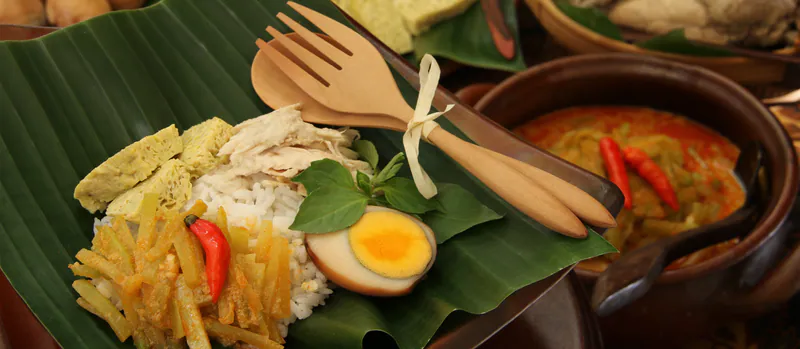
Nasi liwet Solo (Javanese coconut rice with chicken and areh)
Indonesian · 1 h 40 min · 1327 kcal