
Sikhye (Korean sweet rice drink)
Vegetarian
식혜 · sikhye
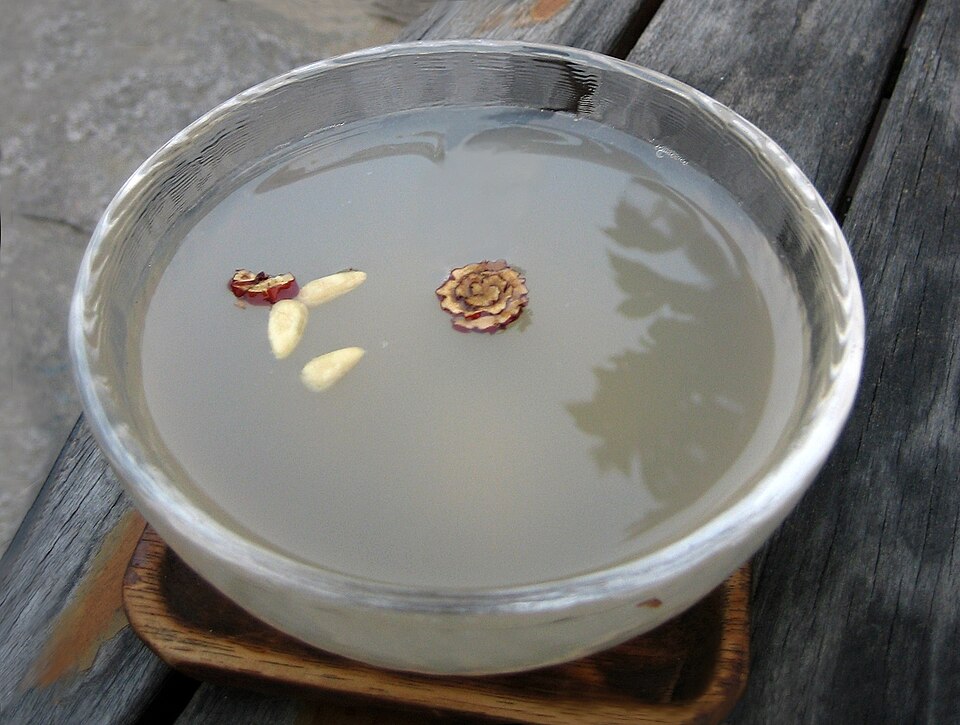
A traditional Korean drink of cooked rice kept warm in malted-barley water until the grains float and the liquid turns naturally sweet, then boiled with ginger and served ice-cold.
Sikhye (Korean sweet rice drink) is a Korean cold drink from South Korea, ready in about 10 hours and made with barley malt powder and short-grain rice. It serves 8 and is rated intermediate to cook.
- Prep
- 20 min
- Cook
- 40 min
- Rest
- 9 h
- Total
- 10 h
- Serves
- 8
- Level
- Intermediate
- Calories
- 105
Main ingredients

Method
Step 1
Put the malt powder in a large bowl with the 2 litres lukewarm water and leave to soak for 1 hour, then rub it vigorously between your hands for a few minutes to release the enzymes.
Step 2
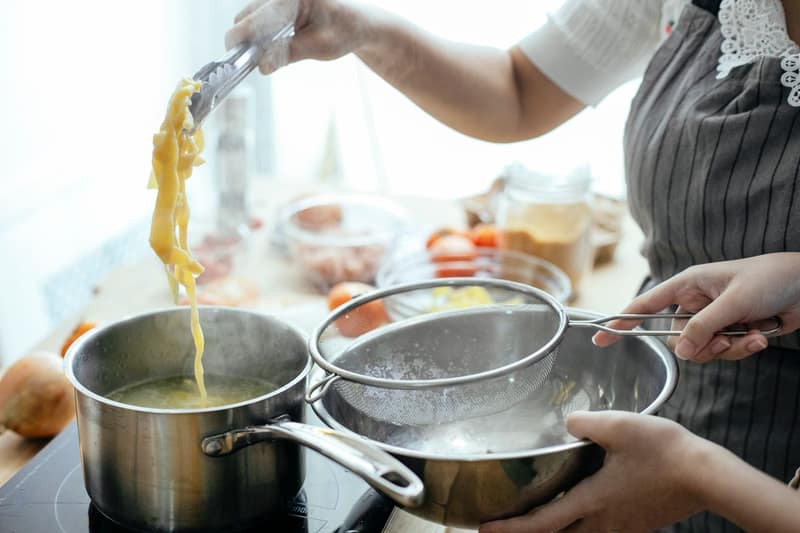
Strain the malt water through a fine sieve, squeezing the solids, and leave the liquid to settle for 1 hour. Meanwhile cook the rice with its 130 ml water until just tender.
How it looks · Photo: Katerina Holmes on Pexels Step 3
Carefully pour off the clear malt water into the rice cooker (opens in a new tab) with the warm rice, leaving the cloudy sediment behind (discard it). Stir, then hold on 'keep warm' (about 55–65 °C) for 4–6 hours, until 10–20 rice grains float to the surface.
- 5 min
- 60°C · keep-warm setting
- Rice cooker (opens in a new tab)
- Food thermometer (opens in a new tab)
Food safety: Hold the mixture at about 55–65 °C: much cooler and it may sour or spoil, much hotter and the malt enzymes stop working.
Step 4
Scoop out the floating rice grains, rinse them in cold water and keep them chilled. Pour the liquid into a pot, add the sugar (opens in a new tab) and ginger and boil for 10 minutes, skimming off the foam — boiling stops the enzymes and keeps the drink sweet and clean.
- 12 min
- high heat
- Stockpot / large pot (opens in a new tab)
Step 5
Discard the ginger, cool, then chill thoroughly. Serve very cold in bowls or cups with a spoonful of the reserved rice grains and a few pine nuts (opens in a new tab) floating on top.
- 3 min
At a glance
- Barley malt powder
 Short-grain rice
 Sugar
 Fresh ginger
 Pine nuts
About this dish
- Origin
- South Korea · Well documentedA traditional Korean beverage, often served after meals and at holidays; it is not fermented to alcohol — the malt enzymes convert rice starch to sugars.Also popular in North KoreaMore food from South Korea
South Korea - Dish
- Dessert · Snack · Cold drinks
- Cooking method
- Boiled, Simmered
- Taste
- sweet, nutty, mild, refreshing
- Diet
- Vegan · Dairy-freeWithout the optional extras: No nut ingredientsWorked out from the ingredients. How labels work
All labels
Vegan · Plant-based · Vegetarian (lacto-ovo) · Eggetarian · Lacto-vegetarian · Ovo-vegetarian · Pescatarian · Flexitarian-friendly · Dairy-free · Egg-free · Alcohol-free · Pork-free · Beef-free · Low-fat · Low-sodium · DASH-style - Good for
- Make-ahead · Festive & celebration
- Cook more with
- Barley malt powder · Short-grain rice · Sugar · Fresh ginger
Allergens
- Contains, can be adapted: Tree nutsfrom pine nuts
- Contains: Glutenfrom barley malt powder
Based on typical versions of these ingredients and not verified allergen-free. Brands differ and cross-contact happens, so always check labels. For severe allergies, follow your clinician’s advice.
Nutrition
105 kcal per serving
Calculated1 serving ≈ 295 g · recipe makes 8
Where the energy comes from
- Protein 4%
- Carbohydrate 95%
- Fat 1%
| Nutrient | Per serving | Per 100 g* |
|---|---|---|
| Energy | 105 kcal | 36 kcal |
| Protein | 1.1 g | 0.4 g |
| Carbohydrate | 24.9 g | 8.4 g |
| Net carbohydrate | 24.7 g | 8.4 g |
| Sugars | 12.5 g | 4.2 g |
| Added sugars | 12.5 g | 4.2 g |
| Fibre | 0.2 g | 0.1 g |
| Fat | 0.1 g | 0 g |
| Saturated fat | 0 g | 0 g |
| Trans fat | — | — |
| Cholesterol | 0 mg | 0 mg |
| Sodium | 6 mg | 2 mg |
| Salt equivalent | 0 g | 0 g |
Vitamins & minerals per serving
- Potassium
- 18 mg
- Calcium
- 28 mg
- Iron
- 0.3 mg
- Magnesium
- 11 mg
- Vitamin A (RAE)
- 0 µg
- Vitamin C
- 0 mg
- Vitamin D
- 0 µg
- Vitamin B12
- 0 µg
- Folate (DFE)
- 2 µg
How these numbers were made
- Calculated from USDA FoodData Central (SR Legacy) per-100 g values and the listed quantities.
- *Per 100 g of combined raw ingredients; the cooked dish may weigh more or less.
- Optional ingredients are not included: pine nuts.
- “—” means the value isn’t known for enough of the ingredients; it is never zero by default.
- Values are estimates for guidance, not for medical dosing. U.S. Department of Agriculture, Agricultural Research Service. FoodData Central, 2019. fdc.nal.usda.gov.
Good to know
Tips
- Floating grains are the sign the saccharification is done; the rice will look soft and hollow.
Common mistakes
- Not letting the malt sediment settle — it makes sikhye cloudy and gives it a dull, grainy taste.
Serve with
- Traditionally served as a sweet digestive after a big holiday meal.
Food safety
- Contains gluten (barley malt).
- Refrigerate once boiled and cooled; discard if it tastes sour or fizzy.
Storage
- Keeps 4–5 days in the fridge; freeze for a slushy texture (sikhye slush is popular at Korean bathhouses).
Variations
- Andong sikhye (South Korea): A red, spicy regional version from Andong made with chilli powder, radish and ginger.
Original editorial recipe · FriendsPantry editorial · Not yet independently reviewed · Added
Recipe DNA
How this dish is built
Built from the recipe’s own sections. Each band’s width is its share of the dish by weight. Choose a component to see what it does.
Less sweet, dairy-free, caffeine-free or for more people — the original stays as it is.
Customise in Sip & BlendReviews & corrections
Reviews come from signed-in cooks and appear after a moderator checks them. We never show made-up ratings.
You might also like
Galbi-jjim
 Korean · 2 h 40 min · 599 kcal
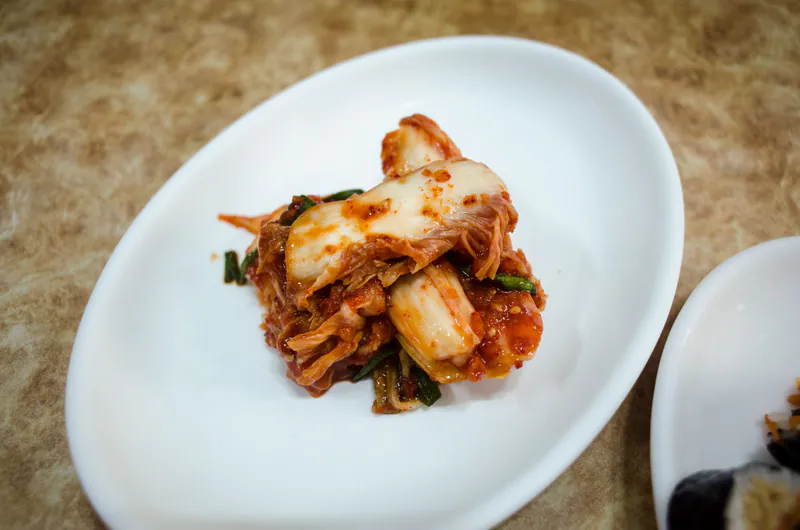
Baechu kimchi (napa cabbage kimchi)
Korean · 7 h 5 min · 44 kcal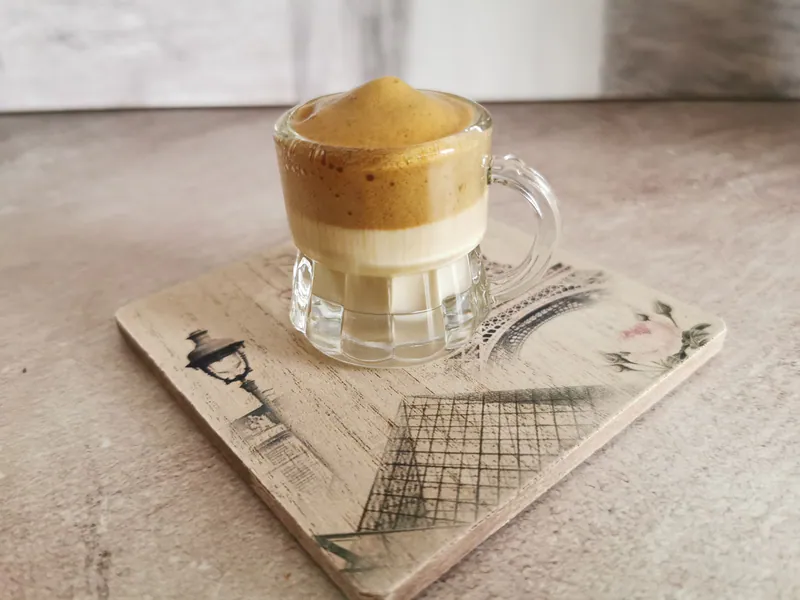
Dalgona coffee
Korean · 6 min · 192 kcal · Vegetarian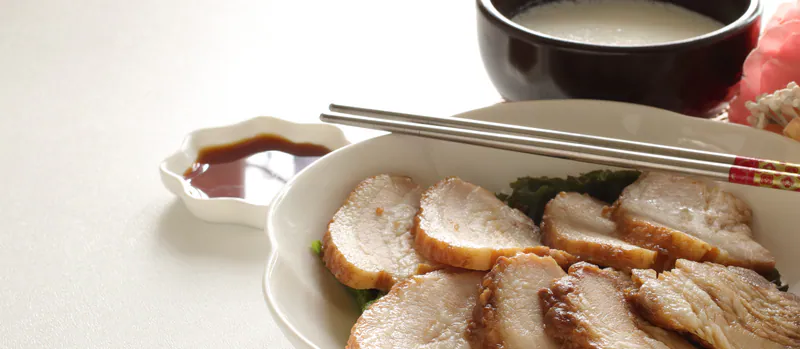
Bossam (Korean boiled pork wraps)
Korean · 3 h 40 min · 1449 kcal