
Baechu kimchi (napa cabbage kimchi)
Non-vegetarian
배추김치 · baechu gimchi
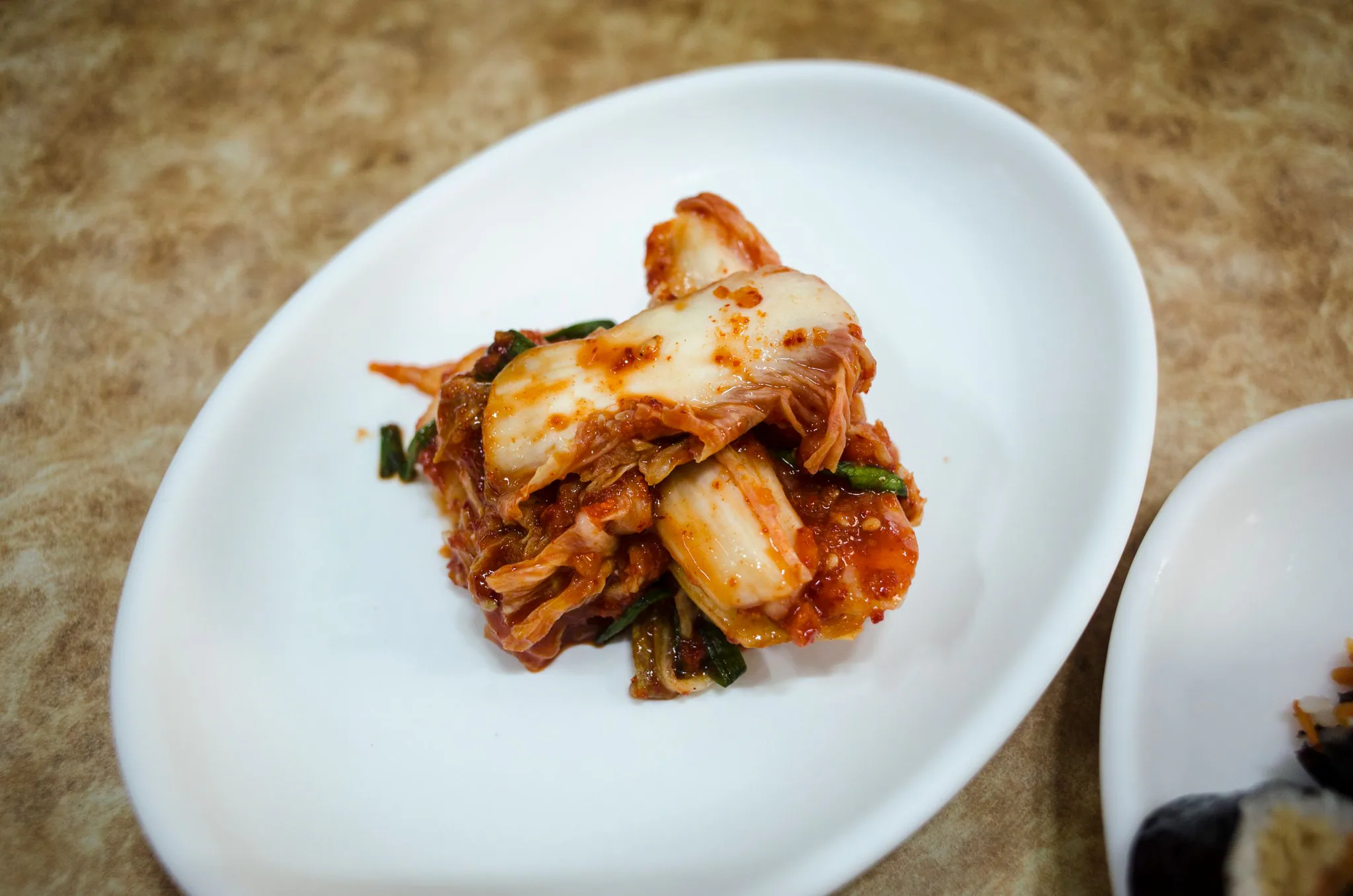
Salted napa cabbage rubbed with a paste of chilli flakes, garlic, ginger, fish sauce and radish, then left to ferment into Korea's essential side dish.
Baechu kimchi (napa cabbage kimchi) is a Korean pickle from South Korea, ready in about 7 hours 5 minutes and made with napa cabbage and red chilli flakes. It serves 20 and is rated intermediate to cook.
- Prep
- 1 h
- Cook
- 5 min
- Rest
- 6 h
- Total
- 7 h 5 min
- Serves
- 20
- Level
- Intermediate
- Calories
- 44
Plus 1–5 days fermenting at room temperature before refrigerating.
Main ingredients
Method
Step 1
Sprinkle the salt between every leaf of the cabbage quarters, concentrating on the thick white stems. Leave for about 6 hours, turning every 2 hours, until the stems bend without snapping.
- 15 min
Step 2
Rinse the cabbage three times in cold water and leave to drain cut side down.
- 15 min
Step 3
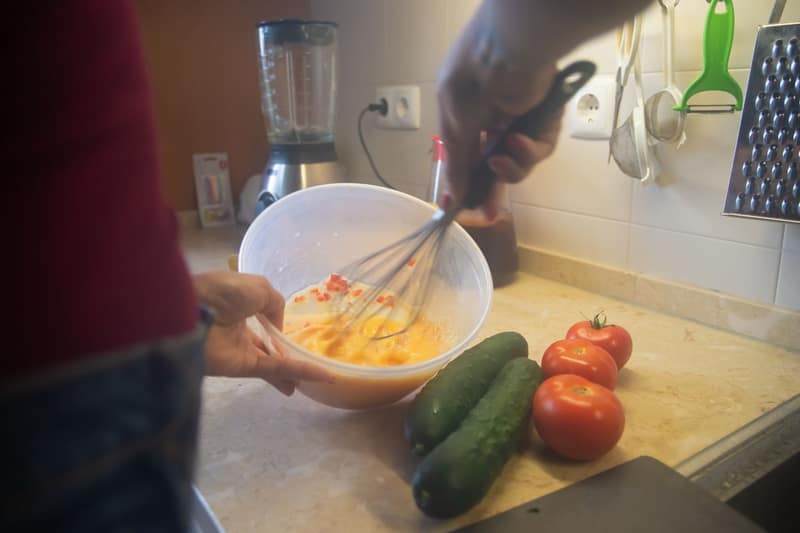
Whisk (opens in a new tab) the rice flour into the water and cook, stirring, until it thickens to a thin porridge. Cool.
- 5 min
- medium heat
- Saucepan (opens in a new tab)
How it looks · Photo: Kampus Production on Pexels Step 4
Mix the cooled porridge with the chilli flakes (opens in a new tab), fish sauce (opens in a new tab), salted shrimp (opens in a new tab), garlic (opens in a new tab), ginger and sugar (opens in a new tab), then fold in the radish and spring onion (opens in a new tab).
- 10 min
Wear gloves — chilli paste stains and burns.
Step 5
Spread the paste between every leaf, fold each quarter in half and pack tightly into clean jars, pressing out air and leaving 3 cm headspace.
- 15 min
Step 6
Leave at room temperature for 1–2 days until it smells sour and bubbles, then refrigerate.
Food safety: Use clean jars and keep the cabbage submerged under its juices; discard if it smells rotten or grows fuzzy mould.
At a glance
 Napa cabbage
 Salt
 Glutinous rice flour
 Red chilli flakes
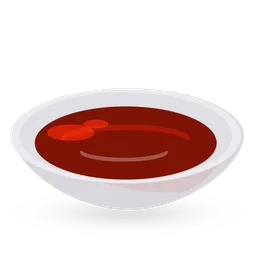 Fish sauce
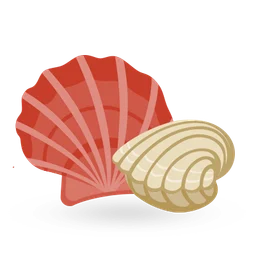 Salted fermented shrimp (saeujeot)
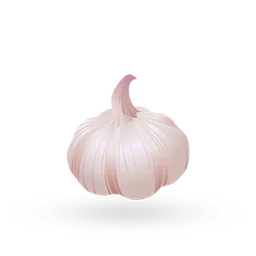 Garlic
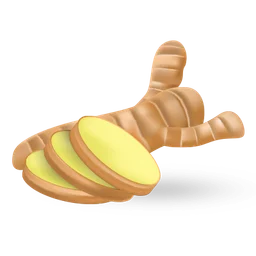 Fresh ginger
 Sugar
 Daikon
 Spring onion
About this dish
- Origin
- South Korea · Well documentedKimjang, the communal making of kimchi for winter, is shared across the Korean peninsula.More food from South Korea
South Korea - Dish
- Lunch · Dinner · Pickles & ferments · Side dishes
- Cooking method
- Fermented, No-cook
- Taste
- spicy (chilli heat), sour, garlicky, umami
- Diet
- Pescatarian · No gluten ingredients · Dairy-free · No nut ingredients · Low-carbWorked out from the ingredients. How labels work
All labels
Pescatarian · Non-vegetarian · Flexitarian-friendly · No gluten ingredients · Dairy-free · Egg-free · No nut ingredients · Alcohol-free · Pork-free · Beef-free · Low-carb · Low-fat - Good for
- Make-ahead · Batch cooking
- Cook more with
- Napa cabbage · Red chilli flakes · Glutinous rice flour · Fish sauce · Salted fermented shrimp (saeujeot) · Garlic
- Techniques
- Fermentation
Allergens
- Contains, can be adapted: Fishfrom fish sauce
- Contains, can be adapted: Crustaceansfrom fish sauce, salted fermented shrimp (saeujeot)
Based on typical versions of these ingredients and not verified allergen-free. Brands differ and cross-contact happens, so always check labels. For severe allergies, follow your clinician’s advice.
Nutrition
44 kcal per serving
Estimated1 serving ≈ 147 g · recipe makes 20
Where the energy comes from
- Protein 18%
- Carbohydrate 67%
- Fat 15%
| Nutrient | Per serving | Per 100 g* |
|---|---|---|
| Energy | 44 kcal | 30 kcal |
| Protein | 2.3 g | 1.6 g |
| Carbohydrate | 8.8 g | 6 g |
| Net carbohydrate | 6 g | 4.1 g |
| Sugars | 3.2 g | 2.1 g |
| Added sugars | 0.6 g | 0.4 g |
| Fibre | 2.7 g | 1.9 g |
| Fat | 0.9 g | 0.6 g |
| Saturated fat | 0.2 g | 0.1 g |
| Trans fat | — | — |
| Cholesterol | 0 mg | 0 mg |
| Sodium | 1002 mg | 682 mg |
| Salt equivalent | 2.5 g | 1.7 g |
Vitamins & minerals per serving
- Potassium
- 392 mg
- Calcium
- 98 mg
- Iron
- 0.8 mg
- Magnesium
- 33 mg
- Vitamin A (RAE)
- 102 µg
- Vitamin C
- 35 mg
- Vitamin D
- 0 µg
- Vitamin B12
- 0 µg
- Folate (DFE)
- 93 µg
How these numbers were made
- Calculated from USDA FoodData Central (SR Legacy) per-100 g values and the listed quantities.
- *Per 100 g of combined raw ingredients; the cooked dish may weigh more or less.
- Glutinous rice flour: White rice flour (FDC 169714) used as a stand-in; glutinous rice flour has a near-identical macronutrient profile.
- Red chilli flakes: Ground cayenne (FDC 170932) used as a stand-in for dried chilli flakes such as pul biber or Aleppo pepper.
- Salted fermented shrimp (saeujeot): Fish sauce used as a stand-in for a very salty fermented seafood condiment; protein is understated, sodium is similar.
- “—” means the value isn’t known for enough of the ingredients; it is never zero by default.
- Values are estimates for guidance, not for medical dosing. U.S. Department of Agriculture, Agricultural Research Service. FoodData Central, 2019. fdc.nal.usda.gov.
Good to know
Tips
- Older, sourer kimchi is ideal for kimchi jjigae and kimchi fried rice.
Common mistakes
- Under-salting the cabbage, so it stays stiff and the kimchi turns watery.
- Not rinsing well enough, which makes the finished kimchi too salty.
- Filling jars to the brim — fermentation gas pushes the brine out.
Food safety
- Use clean jars and keep the cabbage pressed under its brine. Burp the jars daily while fermenting at room temperature, then refrigerate; discard kimchi with fuzzy mould or an off, rotten smell.
Storage
- Keeps for months in the fridge, growing more sour over time.
Original editorial recipe · FriendsPantry editorial · Not yet independently reviewed · Added
Recipe DNA
How this dish is built
Built from the recipe’s own sections. Each band’s width is its share of the dish by weight. Choose a component to see what it does.
What the dish is built around
Main ingredient
- Napa cabbage, quartered lengthwise2000 g
- Daikon, cut into thin matchsticks300 g
Reviews & corrections
Reviews come from signed-in cooks and appear after a moderator checks them. We never show made-up ratings.
You might also like
Bossam (Korean boiled pork wraps)
 Korean · 3 h 40 min · 1449 kcal
Mu saengchae
Korean · 30 min · 35 kcal
Sundubu jjigae
Korean · 30 min · 508 kcal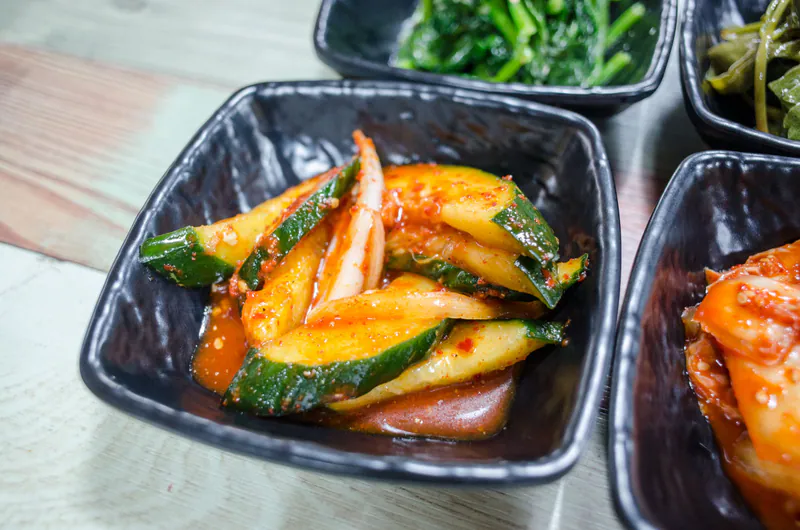
Oi muchim (spicy cucumber salad)
Korean · 15 min · 49 kcal