
Schweinebraten (Bavarian roast pork)
Non-vegetarian
Schweinebraten
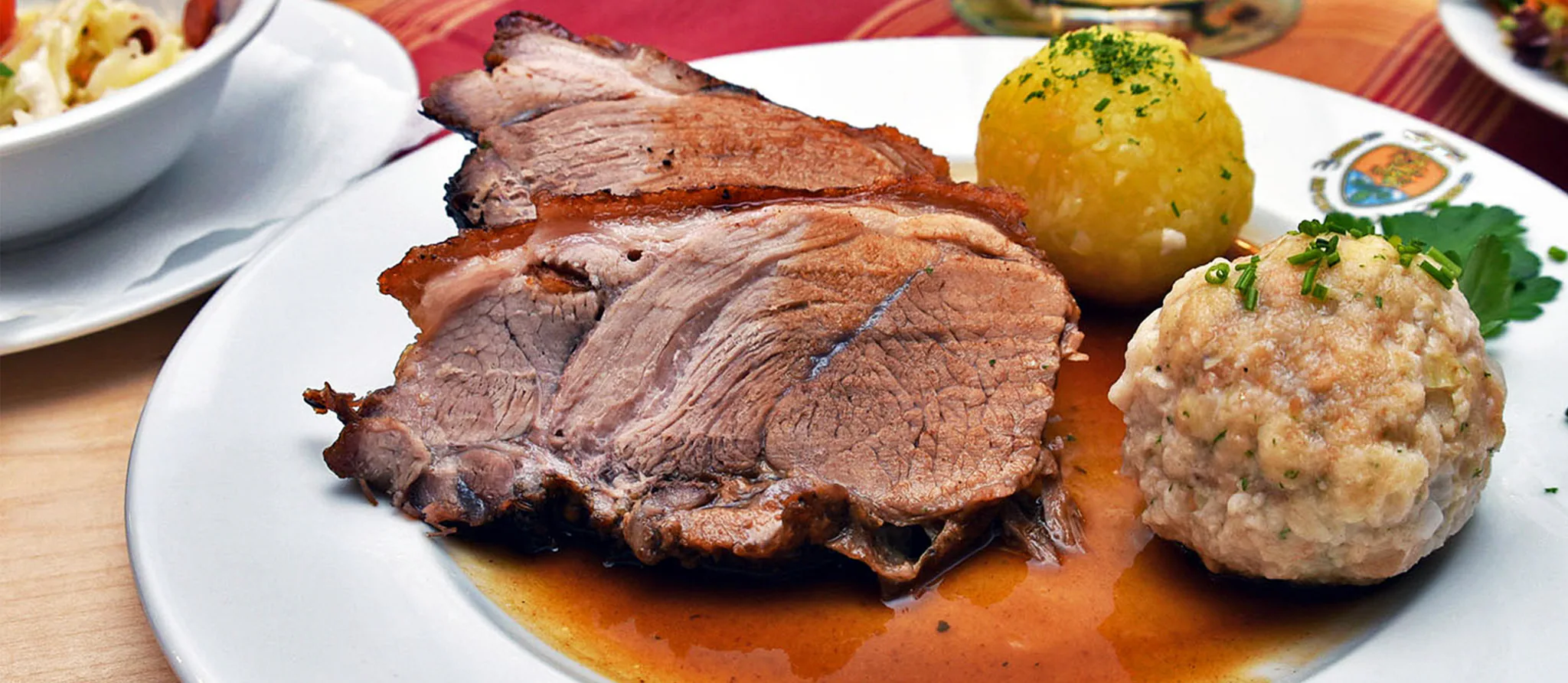
A rind-on pork shoulder rubbed with caraway, marjoram, garlic and mustard, slow-roasted on a bed of root vegetables with dark beer until meltingly tender under a crisp crackling, its juices turned into a rich gravy. The Bavarian Sunday lunch, served with dumplings and cabbage.
Schweinebraten (Bavarian roast pork) is a German main course from Germany, ready in about 3 hours 35 minutes and made with pork shoulder, caraway seeds and beer. It serves 6 and is rated intermediate to cook.
- Prep
- 20 min
- Cook
- 3 h
- Rest
- 15 min
- Total
- 3 h 35 min
- Serves
- 6
- Level
- Intermediate
- Calories
- 713
Main ingredients
Ingredients
For the rub
For the roasting tray
For the gravy
Method
Rub
10 minStep 1
Heat the oven (opens in a new tab) to 180 °C (fan 160 °C). Mix the salt, pepper (opens in a new tab), caraway (opens in a new tab), marjoram (opens in a new tab), garlic (opens in a new tab) and mustard and rub it all over the meat side of the pork, keeping the rind clean. Rub a little extra salt into the scored rind only.
- 10 min
Roasting tray
2 h 35 minStep 2
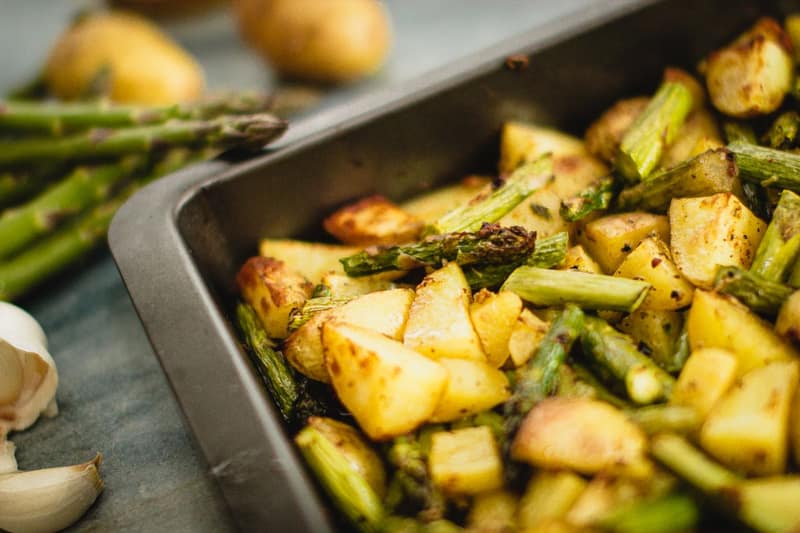
Scatter the onions (opens in a new tab), carrots (opens in a new tab), celeriac (opens in a new tab) and bay leaves (opens in a new tab) in a roasting tin. Pour in the hot water and lay the pork on top rind side DOWN. Roast for 45 minutes; the steam softens the rind so it will crackle later.
- 45 min
- 180°C · Fan 160 °C
- Roasting pan (opens in a new tab)
- Oven (opens in a new tab)

How it looks · Photo: Klaus Nielsen on Pexels Step 3
Turn the pork rind side up. If the butcher has not scored it, cut a fine diamond pattern now through the softened rind but not into the meat. Pour half the beer (opens in a new tab) around the meat and roast for another 1½ hours, basting the meat (not the rind) with beer and pan juices every 20 minutes and topping up with the rest of the beer.
- 90 min
- 180°C
- Chef's knife (opens in a new tab)
Step 4
Increase the oven (opens in a new tab) to 230 °C (or switch on the grill) and roast for a final 15–25 minutes, watching closely, until the rind puffs up and crackles all over. The centre should read at least 75 °C for sliceable, tender shoulder.
- 20 min
- 230°C
- Food thermometer (opens in a new tab)
Food safety: Cook pork until the juices run clear and the centre reaches at least 71 °C (63 °C for whole roasts, followed by a rest).
Stand the meat level with crumpled foil so the whole rind is exposed to the heat.
How it looks · Photo: locrifa on Pexels
Gravy
15 minStep 5
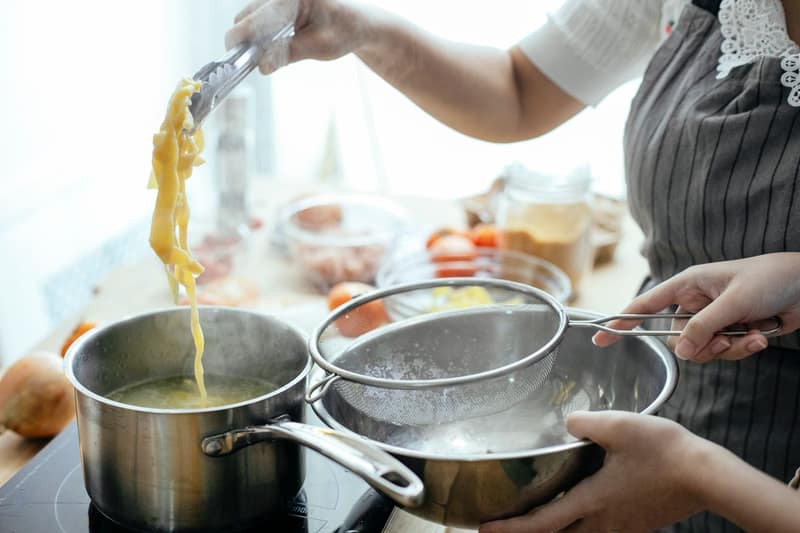
Lift the roast onto a board and rest it uncovered (covering softens the crackling) for 15 minutes. Meanwhile pour the stock into the tin, scrape up the browned bits and strain everything into a saucepan (opens in a new tab), pressing the vegetables. Skim off the fat, simmer for 5 minutes and thicken with the cornstarch (opens in a new tab) mixture if you like. Season.
- 10 min
- medium heat
- Sieve / strainer (opens in a new tab)
- Saucepan (opens in a new tab)
How it looks · Photo: Katerina Holmes on Pexels Step 6
Carve into thick slices, cutting through the crackling with a serrated knife, and serve with plenty of gravy.
- 5 min
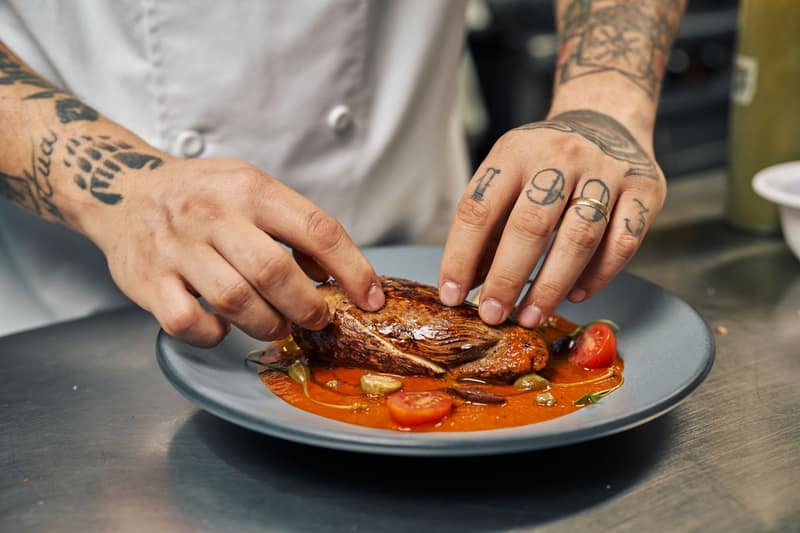
How it looks · Photo: Willians Huerta on Pexels
At a glance
1 · Rub in a bowl
 Salt
 Black pepper
 Caraway seeds
 Dried marjoram
 Garlic
 Prepared mustard
then scatter
2 · Roasting tray in a pan
 Onion
 Carrot
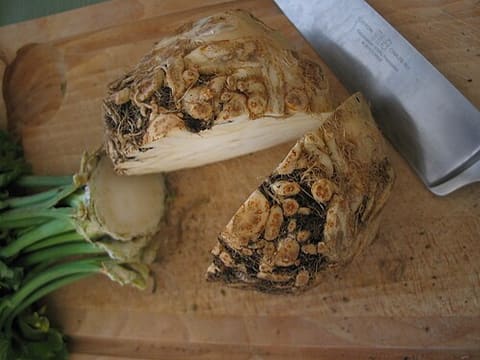 Celeriac
 Bay leaves
 Beer
then lift
3 · Gravy in a pan
 Beef stock
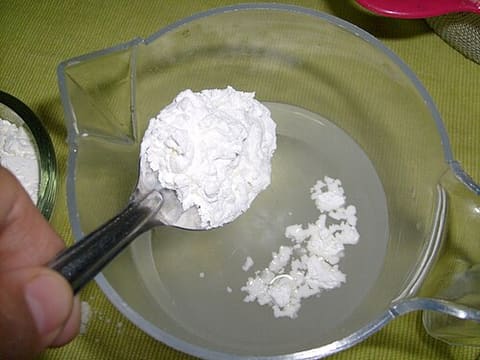 Cornstarch
About this dish
- Origin
- Bavaria, Germany · Well documentedSchweinsbraten in Bavarian and Austrian usage; the crackling-topped version (Krustenbraten) is the pride of Upper Bavaria and Franconia.Also popular in AustriaMore food from Germany
Germany - Dish
- Lunch · Dinner · Main courses
- Cooking method
- Roasted, Braised
- Taste
- savoury, rich, aromatic / warmly spiced, earthy
- Diet
- Dairy-free · No nut ingredients · Low-carb · High-proteinWorked out from the ingredients. How labels work
All labels
Non-vegetarian · Dairy-free · Egg-free · No nut ingredients · No added sugar · Low-carb · High-protein - Good for
- Festive & celebration · Uses leftovers
- Cook more with
- Pork shoulder · Caraway seeds · Beer · Dried marjoram · Garlic · Prepared mustard
Allergens
- Contains: Glutenfrom beer
- Contains: Mustardfrom prepared mustard
- Contains: Celeryfrom celeriac, beef stock
- May contain: Sulphitesfrom prepared mustard
Based on typical versions of these ingredients and not verified allergen-free. Brands differ and cross-contact happens, so always check labels. For severe allergies, follow your clinician’s advice.
Nutrition
713 kcal per serving
Calculated1 serving ≈ 532 g · recipe makes 6
Where the energy comes from
- Protein 28%
- Carbohydrate 7%
- Fat 64%
| Nutrient | Per serving | Per 100 g* |
|---|---|---|
| Energy | 713 kcal | 134 kcal |
| Protein | 48.4 g | 9.1 g |
| Carbohydrate | 12.7 g | 2.4 g |
| Net carbohydrate | 10.5 g | 2 g |
| Sugars | 3.2 g | 0.6 g |
| Added sugars | 0 g | 0 g |
| Fibre | 2.2 g | 0.4 g |
| Fat | 48.4 g | 9.1 g |
| Saturated fat | 16.7 g | 3.1 g |
| Trans fat | — | — |
| Cholesterol | 189 mg | 36 mg |
| Sodium | 1107 mg | 208 mg |
| Salt equivalent | 2.8 g | 0.5 g |
Vitamins & minerals per serving
- Potassium
- 1127 mg
- Calcium
- 93 mg
- Iron
- 3.6 mg
- Magnesium
- 73 mg
- Vitamin A (RAE)
- 173 µg
- Vitamin C
- 9 mg
- Vitamin D
- 4.5 µg
- Vitamin B12
- 2 µg
- Folate (DFE)
- 33 µg
How these numbers were made
- Calculated from USDA FoodData Central (SR Legacy) per-100 g values and the listed quantities.
- *Per 100 g of combined raw ingredients; the cooked dish may weigh more or less.
- Optional ingredients are not included: cornstarch.
- “—” means the value isn’t known for enough of the ingredients; it is never zero by default.
- Values are estimates for guidance, not for medical dosing. U.S. Department of Agriculture, Agricultural Research Service. FoodData Central, 2019. fdc.nal.usda.gov.
Good to know
Tips
- Leave the pork uncovered in the fridge overnight before roasting to dry the rind; it crackles far more readily.
Common mistakes
- Basting the rind, which keeps it leathery instead of crisp.
Serve with
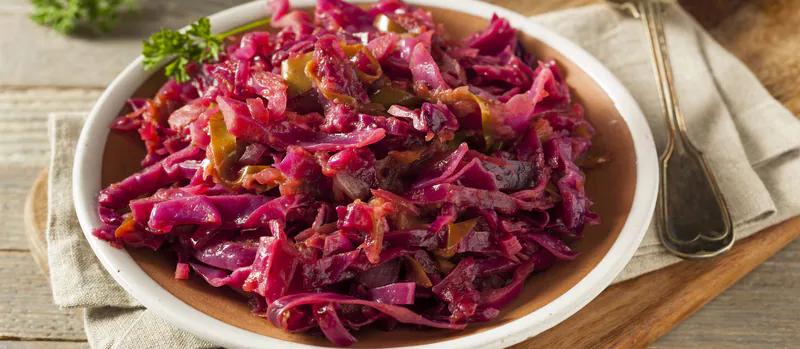
- Serve with Semmelknödel (bread dumplings) or potato dumplings, plus sauerkraut, Bavarian cabbage salad or braised red cabbage, and a cold beer.
Food safety
- Cook pork until the juices run clear and the centre reaches at least 71 °C (63 °C for whole roasts, followed by a rest).
Storage
- Keeps 3 days in the fridge; cold slices are excellent in sandwiches with mustard.
Reheating
- Reheat slices in the gravy, covered, until piping hot. Re-crisp crackling under the grill.
Variations
- Krustenbraten: Made with pork belly or a leaner cut with an even thicker crackling layer.
- Schweinsbraten (Austrian) (Austria): Usually seasoned with lots of caraway and garlic and served with sauerkraut and Knödel.
Original editorial recipe · FriendsPantry editorial · source: TasteAtlas (dish facts) · Not yet independently reviewed · Added
Recipe DNA
How this dish is built
Built from the recipe’s own sections. Each band’s width is its share of the dish by weight. Choose a component to see what it does.
What the dish is built around
Main ingredient
- Pork shoulder, boneless, with the rind on1.6 kg · 1600 g
Reviews & corrections
Reviews come from signed-in cooks and appear after a moderator checks them. We never show made-up ratings.
You might also like
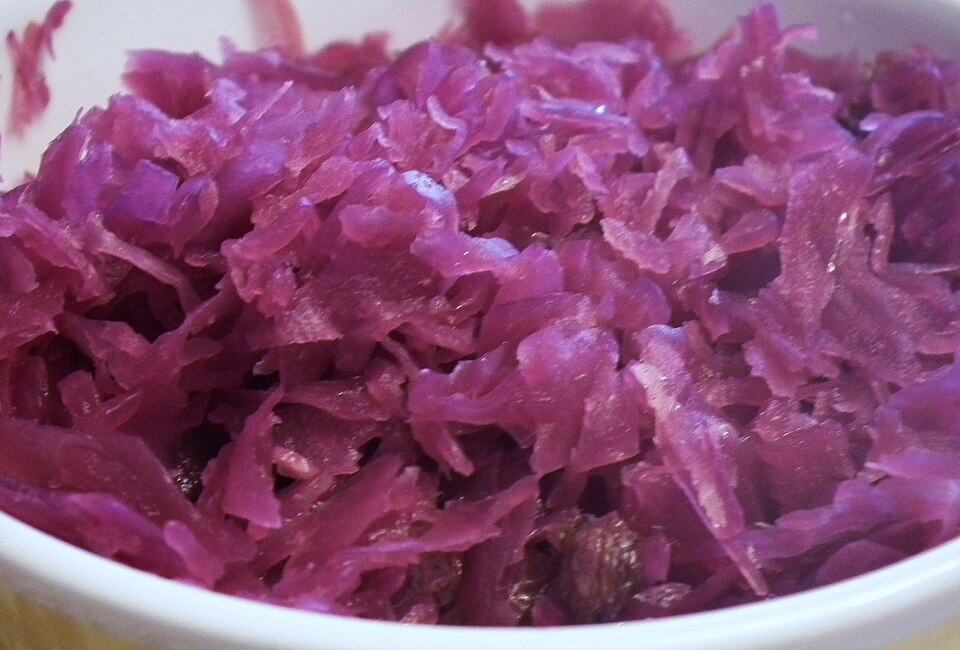
Apfelrotkohl
 German · 1 h 30 min · 145 kcal · Vegetarian
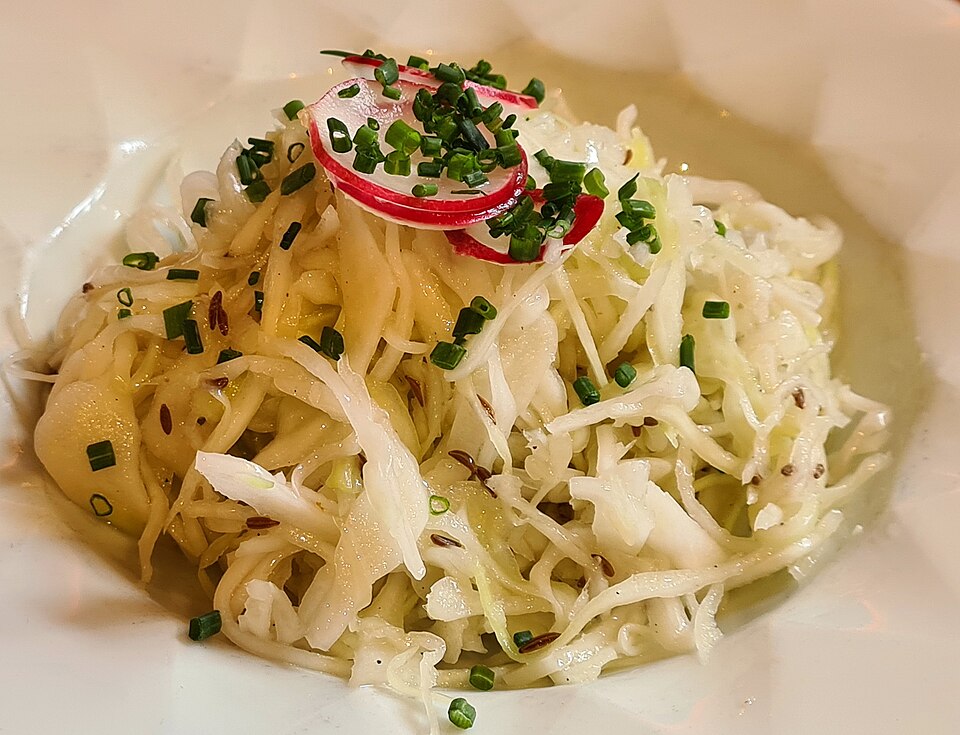
Bayerischer Krautsalat
German · 58 min · 121 kcal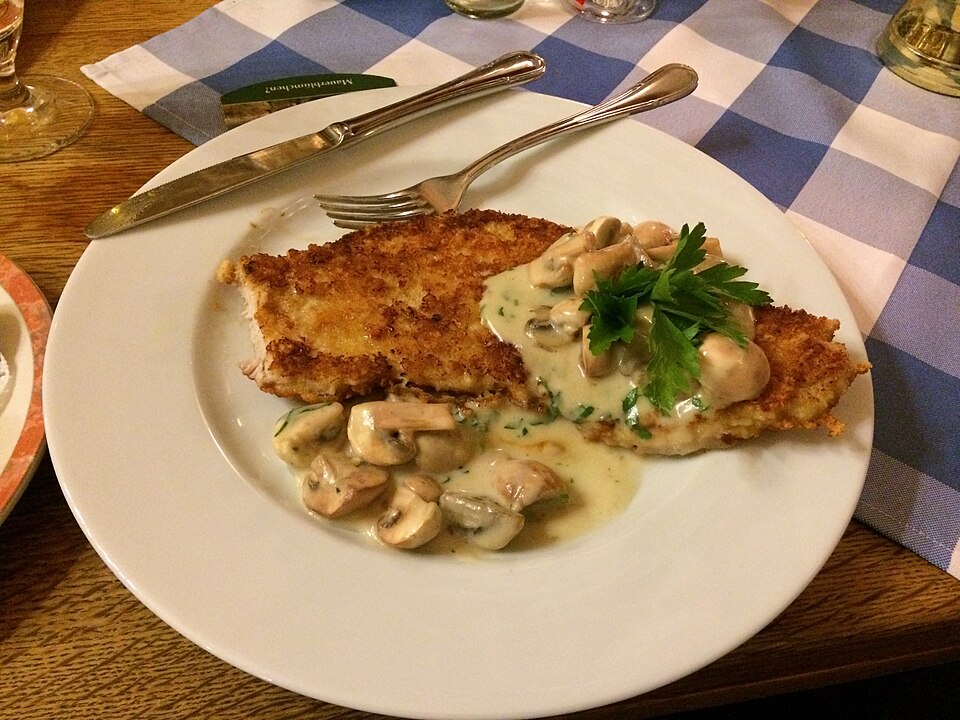
Jägerschnitzel
German · 40 min · 589 kcal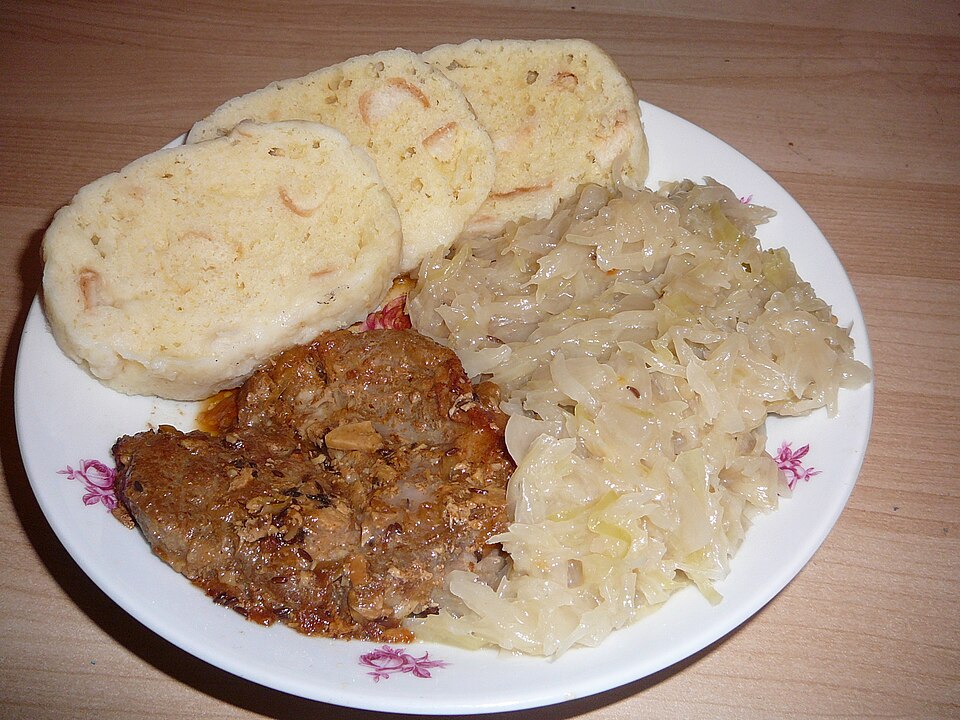
Vepřo knedlo zelo
 Czech · 2 h 40 min · 620 kcal