
Omurice
Non-vegetarian
オムライス · omuraisu
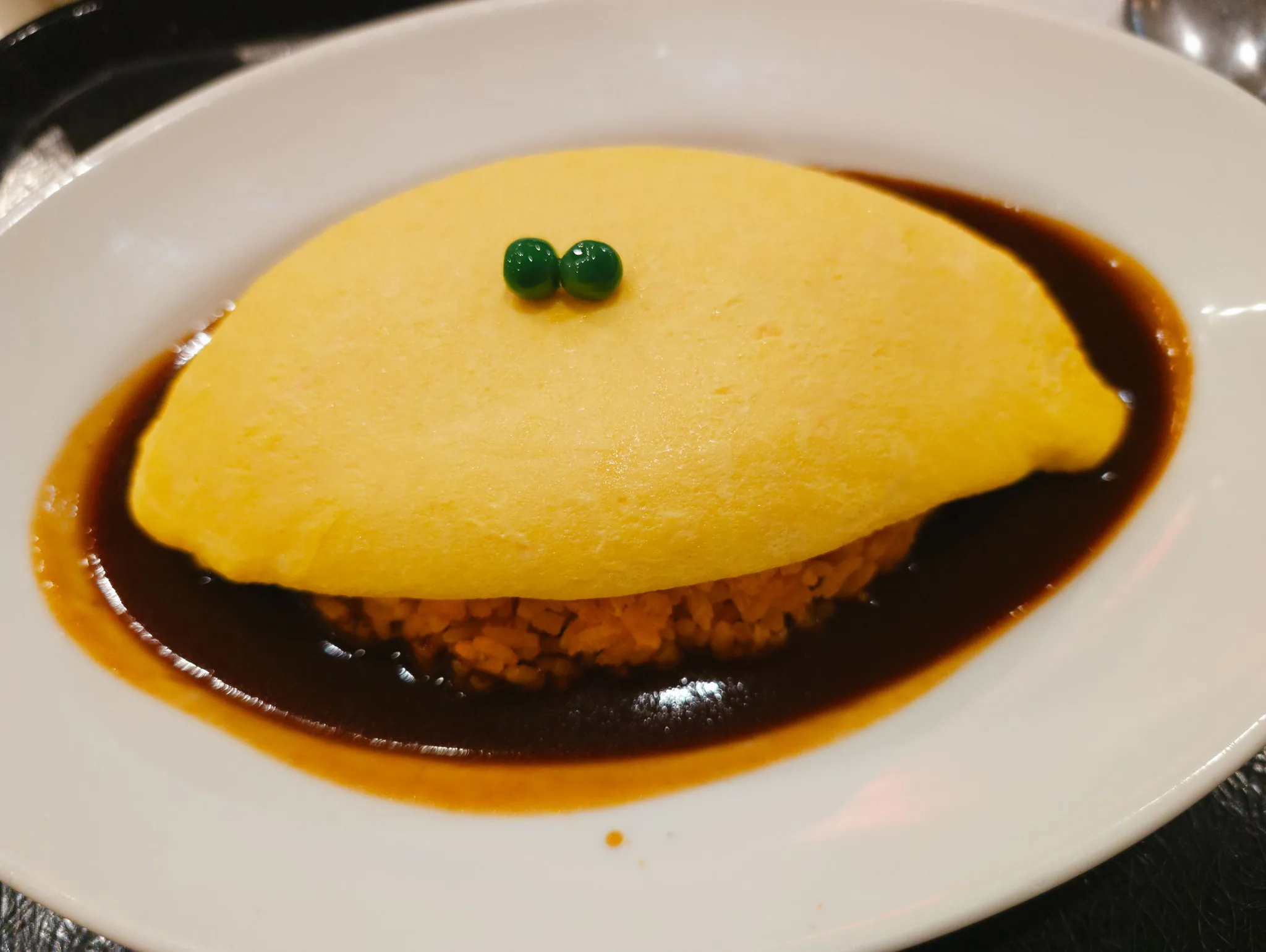
Ketchup-fried rice with chicken and onion wrapped in a soft omelette and topped with more ketchup. A Japanese yoshoku (Western-style) comfort food loved by children and adults alike.
Omurice is a Japanese rice dish, ready in about 25 minutes and made with short-grain rice, tomato ketchup and egg. It serves 2 and is rated intermediate to cook.
- Prep
- 10 min
- Cook
- 15 min
- Total
- 25 min
- Serves
- 2
- Level
- Intermediate
- Calories
- 652
Main ingredients
Method
Step 1
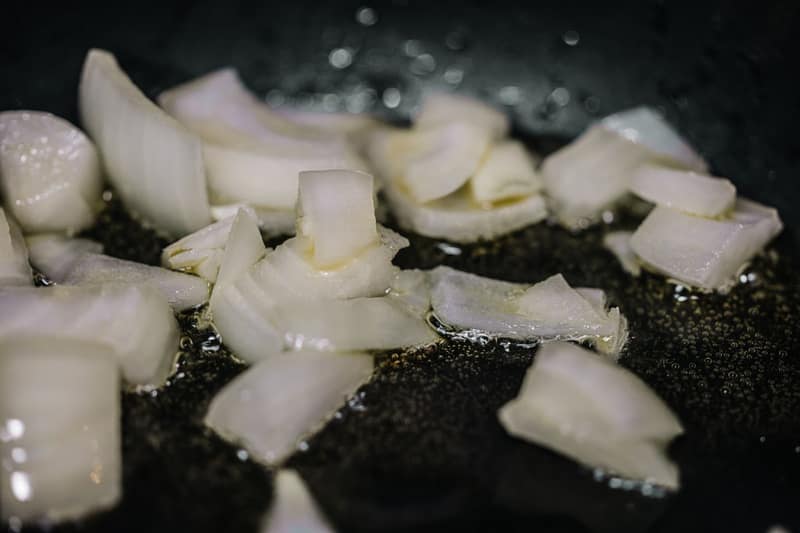
Melt the butter (opens in a new tab) and fry the onion (opens in a new tab) until soft, then add the chicken and cook until no longer pink.
- 6 min
- medium heat
- Frying pan / skillet (opens in a new tab)
Food safety: Cook chicken through until the juices run clear.
How it looks · Photo: Magda Ehlers on Pexels Step 2
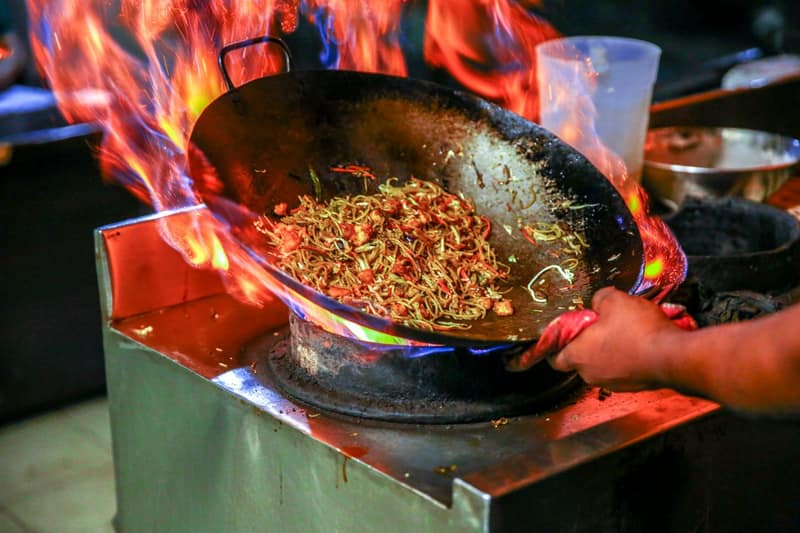
Add the rice, ketchup (opens in a new tab), salt and pepper (opens in a new tab) and stir-fry until evenly red and hot. Divide between two plates and shape into ovals.
- 4 min
- medium-high heat
How it looks · Photo: Aesthos AR. Photography on Pexels Step 3
Beat 2 eggs (opens in a new tab) with 1 tbsp milk (opens in a new tab). Heat 1 tsp oil in a clean pan, pour in the eggs and stir quickly until just softly set but still glossy on top.
- 2 min
- medium heat
Step 4
Slide or drape the omelette over one mound of rice and tuck in the edges. Repeat, then top with ketchup (opens in a new tab).
- 3 min
At a glance
 Short-grain rice
 Butter
 Onion
 Chicken thigh
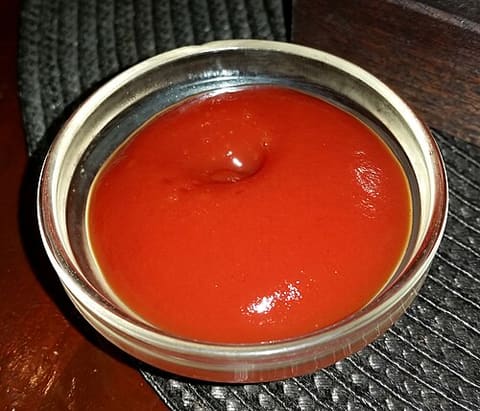 Tomato ketchup
 Salt
 Black pepper
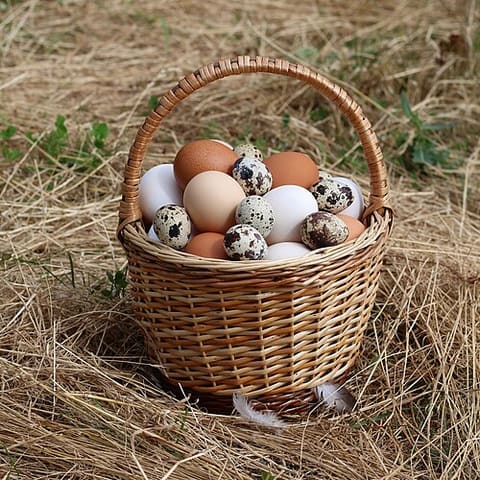 Egg
 Milk
 Neutral vegetable oil
About this dish
- Origin
- Japan · Well documentedSeveral Tokyo and Osaka restaurants claim to have invented it in the early 20th century.Also popular in South Korea, TaiwanMore food from Japan
Japan - Dish
- Lunch · Dinner · Rice dishes · Egg dishes · Main courses
- Cooking method
- Pan-fried, Stir-fried
- Taste
- sweet & savoury, mild, buttery
- Diet
- No gluten ingredients · No nut ingredients · High-proteinWorked out from the ingredients. How labels work
All labels
Non-vegetarian · No gluten ingredients · No nut ingredients · Alcohol-free · Pork-free · Beef-free · High-protein - Good for
- Child-friendly · Everyday · Uses leftovers
- Cook more with
- Short-grain rice · Tomato ketchup · Egg · Butter · Onion · Chicken thigh
- Techniques
- Pan-frying · Stir-frying
Allergens
- Contains: Milkfrom butter, milk
- Contains: Eggsfrom egg
- May contain: Mustardfrom tomato ketchup
- May contain: Celeryfrom tomato ketchup
Based on typical versions of these ingredients and not verified allergen-free. Brands differ and cross-contact happens, so always check labels. For severe allergies, follow your clinician’s advice.
Nutrition
652 kcal per serving
Calculated1 serving ≈ 341 g · recipe makes 2
Where the energy comes from
- Protein 21%
- Carbohydrate 45%
- Fat 34%
| Nutrient | Per serving | Per 100 g* |
|---|---|---|
| Energy | 652 kcal | 191 kcal |
| Protein | 33.4 g | 9.8 g |
| Carbohydrate | 72.9 g | 21.4 g |
| Net carbohydrate | — | — |
| Sugars | — | — |
| Added sugars | — | — |
| Fibre | — | — |
| Fat | 24.2 g | 7.1 g |
| Saturated fat | 8.5 g | 2.5 g |
| Trans fat | — | — |
| Cholesterol | 460 mg | 135 mg |
| Sodium | 1161 mg | 341 mg |
| Salt equivalent | 2.9 g | 0.9 g |
Vitamins & minerals per serving
- Potassium
- 538 mg
- Calcium
- 96 mg
- Iron
- 3.2 mg
- Magnesium
- 56 mg
- Vitamin A (RAE)
- —
- Vitamin C
- 3 mg
- Vitamin D
- 2.2 µg
- Vitamin B12
- 1.4 µg
- Folate (DFE)
- 64 µg
How these numbers were made
- Calculated from USDA FoodData Central (SR Legacy) per-100 g values and the listed quantities.
- *Per 100 g of combined raw ingredients; the cooked dish may weigh more or less.
- Optional ingredients are not included: tomato ketchup.
- “—” means the value isn’t known for enough of the ingredients; it is never zero by default.
- Values are estimates for guidance, not for medical dosing. U.S. Department of Agriculture, Agricultural Research Service. FoodData Central, 2019. fdc.nal.usda.gov.
Good to know
Tips
- Day-old rice fries without going mushy.
Common mistakes
- Overcooking the eggs: the omelette should still be glossy and soft on top when it goes over the rice.
Storage
- Best eaten fresh. The ketchup rice keeps 2 days in the fridge; make the omelette just before serving.
Variations
- Demi-glace omurice: Served with a rich brown demi-glace sauce instead of ketchup.
Original editorial recipe · FriendsPantry editorial · Not yet independently reviewed · Added
Sauces, chutneys & dips for this dish
Recipe DNA
How this dish is built
Built from the recipe’s own sections. Each band’s width is its share of the dish by weight. Choose a component to see what it does.
What the dish is built around
Main ingredient
- Short-grain rice, cooked and cooled (about 400 g cooked)150 g
- Butter15 g
- Chicken thigh, cut into small dice150 g
- Egg4 piece · 200 g
- Milk2 tbsp · 31 g
Reviews & corrections
Reviews come from signed-in cooks and appear after a moderator checks them. We never show made-up ratings.
You might also like
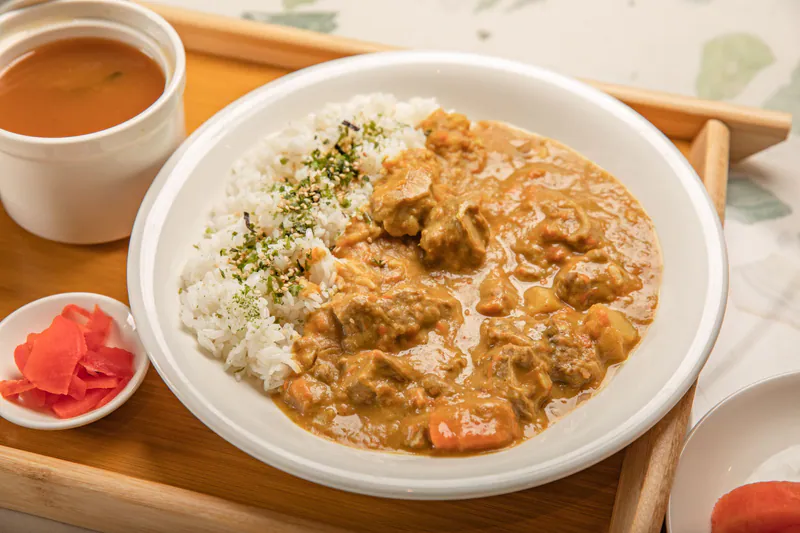
Japanese curry rice
 Japanese · 1 h 5 min · 748 kcal
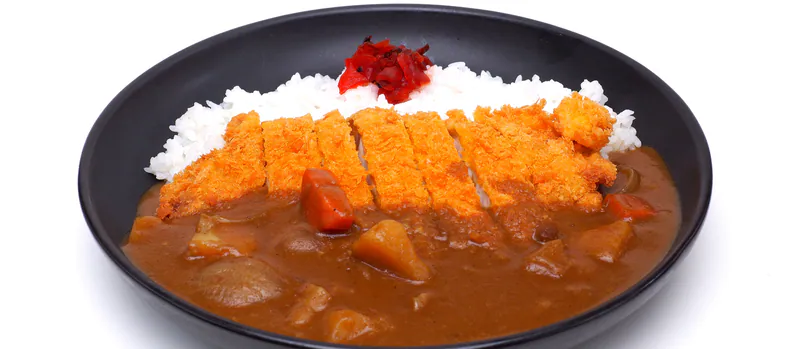
Katsu karē (Japanese katsu curry)
Japanese · 1 h 10 min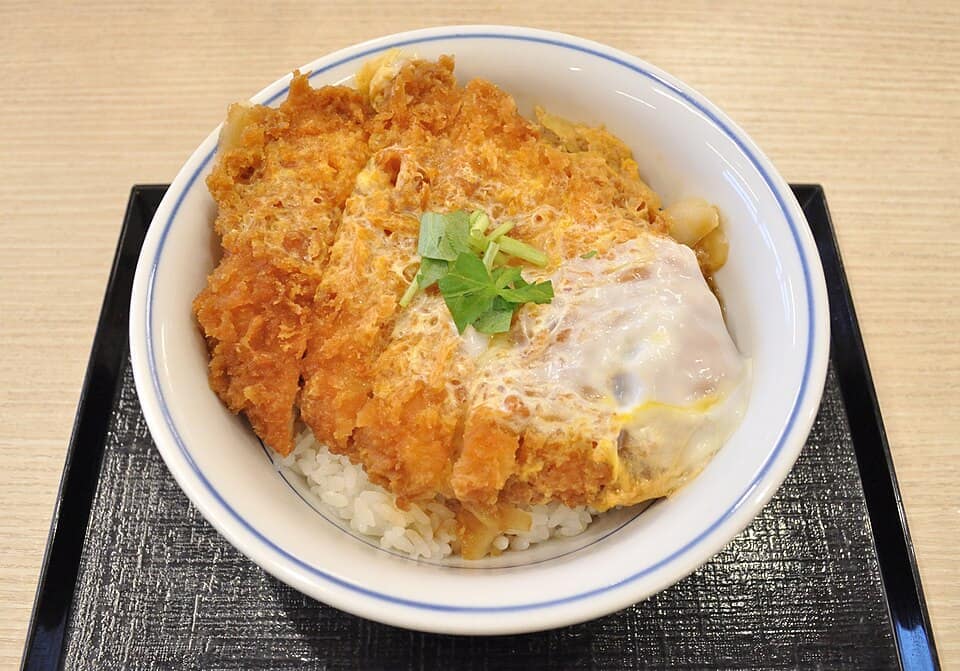
Katsudon
Japanese · 40 min · 1003 kcal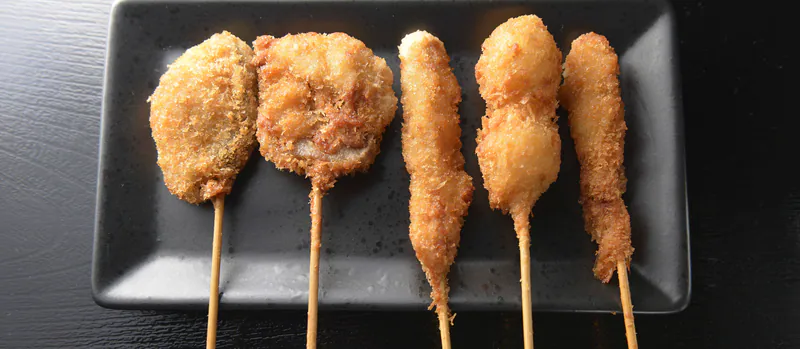
Kushikatsu (Osaka fried skewers)
Japanese · 1 h · 694 kcal