
Iekei ramen (Yokohama-style pork and soy ramen)
Non-vegetarian
家系ラーメン · iekei rāmen
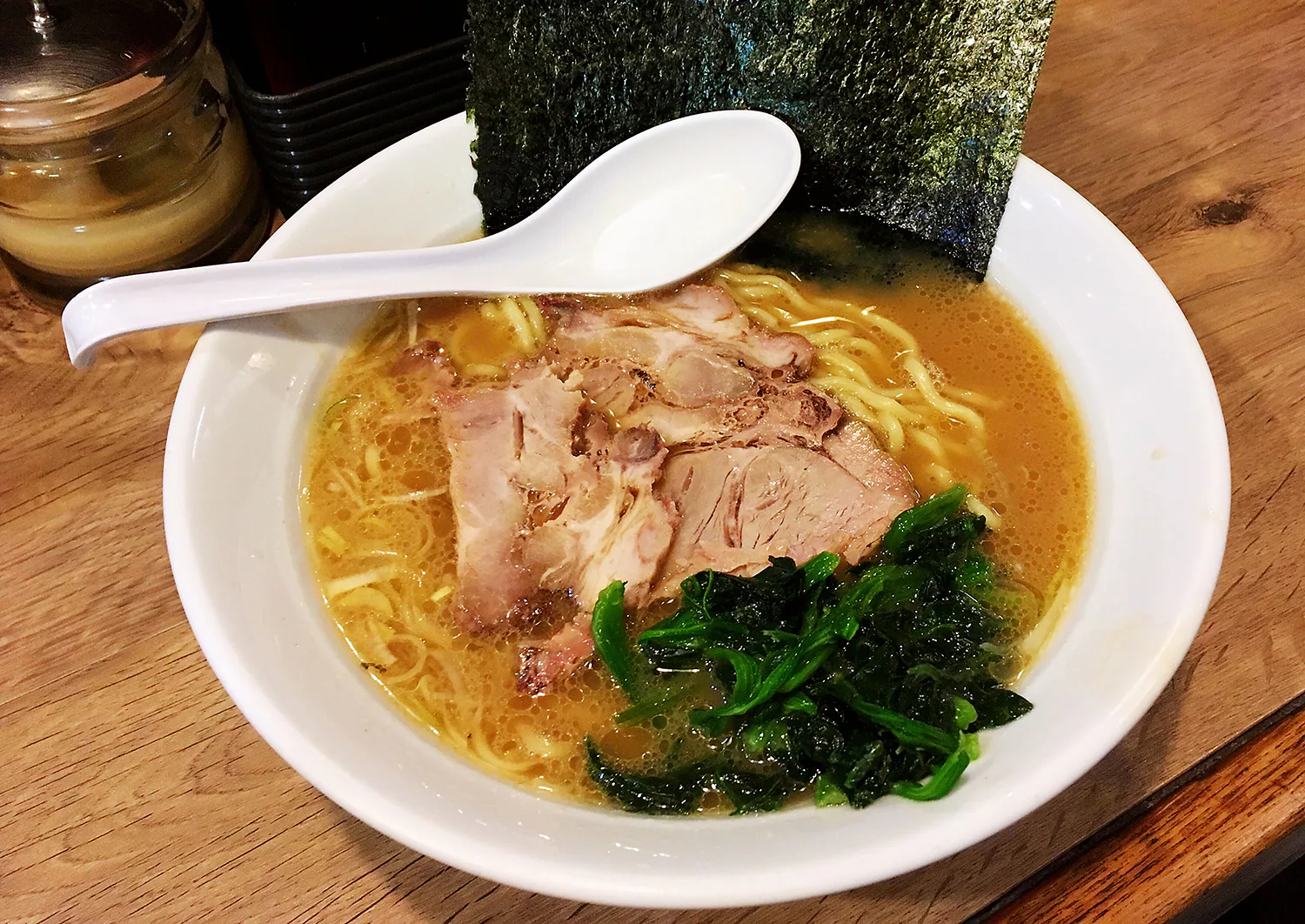
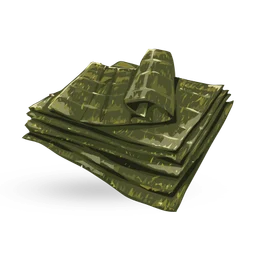
Thick, chewy straight noodles in a creamy pork-and-chicken bone broth seasoned with soy tare and topped with a slick of chicken or pork fat, chashu, spinach, three big sheets of nori and spring onion. Diners order it to taste: noodle firmness, richness and amount of oil.
Iekei ramen (Yokohama-style pork and soy ramen) is a Japanese noodle dish, ready in about 7 hours 30 minutes and made with pork bones (trotters and neck bones), pork belly and soy sauce. It serves 4 and is rated advanced to cook.
- Prep
- 30 min
- Cook
- 7 h
- Total
- 7 h 30 min
- Serves
- 4
- Level
- Advanced
- Calories
- 1907
Plus 2 hours soaking the bones; the chashu tastes best chilled overnight.
Main ingredients
Ingredients
For the broth
For the chashu and tare
For the bowls
Table condiments
Method
Broth
7 hStep 1
Put the soaked pork bones (opens in a new tab) and the chicken in a large pot, cover with cold water and bring to the boil. Boil 10 minutes, then drain, rinse every piece under the tap and scrub the pot.
- 20 min
- high heat
- Stockpot / large pot (opens in a new tab)
This first blanching removes blood and scum, giving a cleaner, paler broth.
Step 2
Return the bones to the pot with the 5 litres of water, onion (opens in a new tab), garlic (opens in a new tab) and ginger. Boil hard, uncovered, for 6–7 hours, stirring the bones now and then and topping up with boiling water to keep them covered, until the broth is opaque, beige and creamy.
- 400 min
- high heat
- Stockpot / large pot (opens in a new tab)
Unlike clear stocks, a hard rolling boil is what emulsifies the fat and collagen into a creamy broth.
Chashu and tare
2 h 5 minStep 3
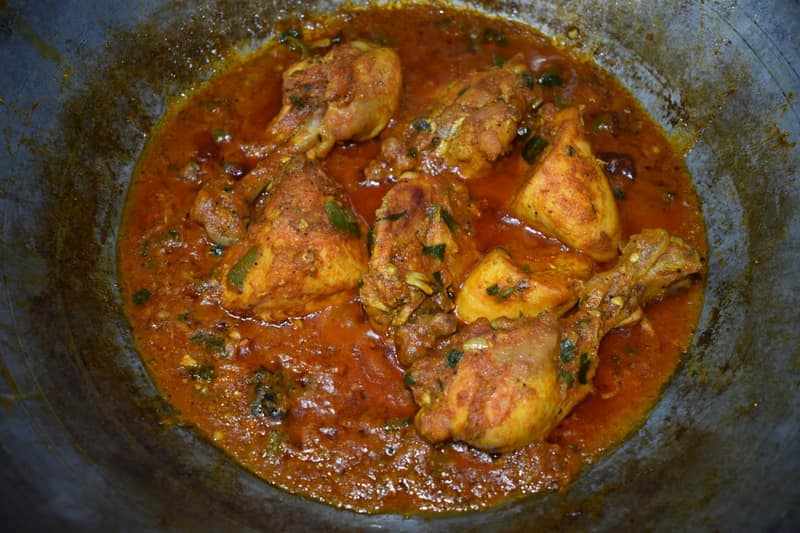
Meanwhile, put the pork belly (opens in a new tab) in a snug saucepan (opens in a new tab) with the soy sauce (opens in a new tab), mirin (opens in a new tab), sake (opens in a new tab) and sugar (opens in a new tab) and enough water to almost cover. Simmer, lid ajar, turning occasionally, for about 2 hours until tender. Cool the pork in the liquid, then slice thinly. Strain the braising liquid: this is your tare.
- 120 min
- low heat
- Saucepan (opens in a new tab)
Food safety: Cook pork until the juices run clear and the centre reaches at least 63 °C (71 °C for minced pork).
How it looks · Photo: Bachir Mamud on Pexels Step 4
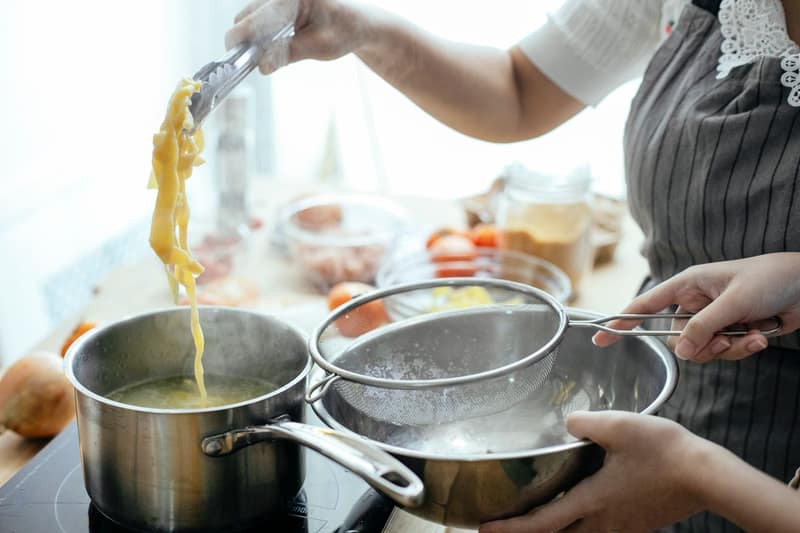
Strain the broth through a fine sieve; you need about 1.6 litres. Keep it hot.
How it looks · Photo: Katerina Holmes on Pexels
Bowls
10 minStep 5
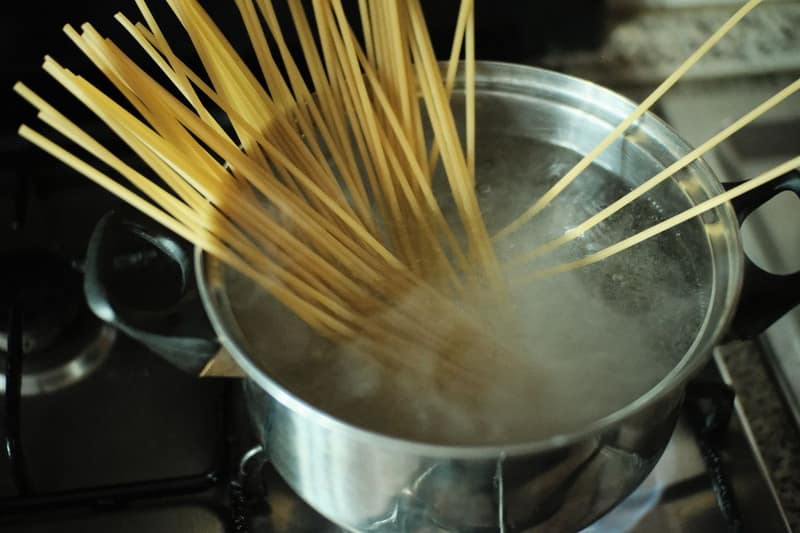
Warm four deep bowls. Put 3 tbsp tare and 1 tbsp lard (opens in a new tab) (more for a richer bowl) in each. Cook the noodles in plenty of boiling water according to the packet, usually 3–5 minutes for thick noodles.
- 6 min
- high heat
- Saucepan (opens in a new tab)
How it looks · Photo: Gianpiero Ferraro on Pexels Step 6
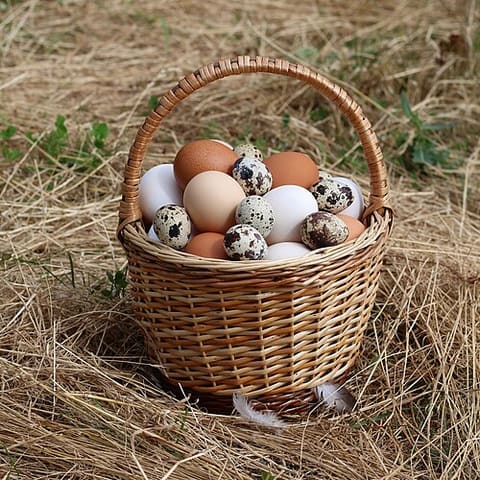
Ladle (opens in a new tab) about 400 ml hot broth into each bowl and stir. Drain the noodles very well and fold them into the broth. Top with chashu, spinach (opens in a new tab), three sheets of nori (opens in a new tab) standing up at the back of the bowl, spring onion (opens in a new tab) and a quail egg (opens in a new tab).
Table condiments
1 minStep 7
Serve at once with grated garlic (opens in a new tab), sesame (opens in a new tab) and black pepper (opens in a new tab) on the table so everyone can season their own bowl.
- 1 min
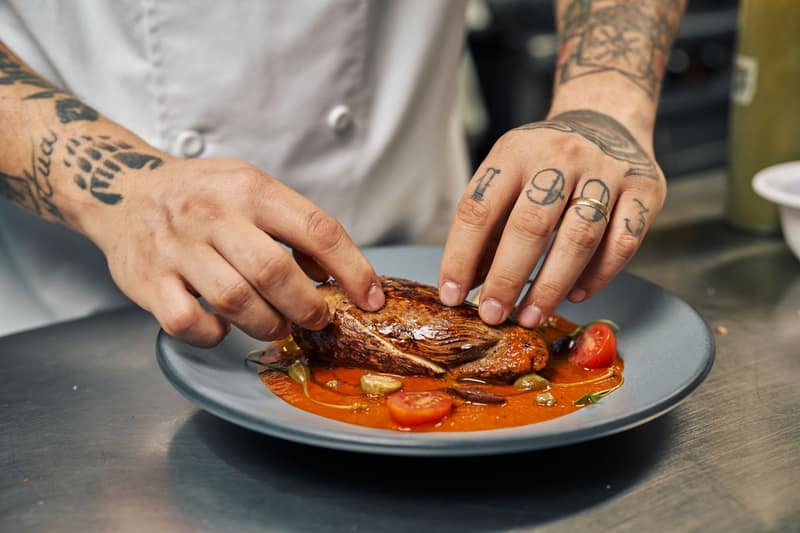
How it looks · Photo: Willians Huerta on Pexels
At a glance
1 · Broth in a pot
 Pork bones (trotters and neck bones)
 Chicken wings
 Onion
 Garlic
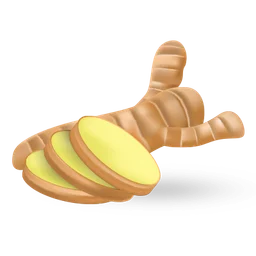 Fresh ginger
then put
2 · Chashu and tare in a pan
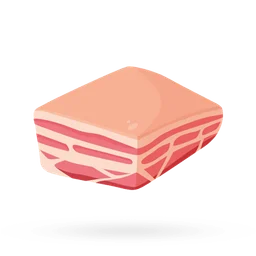 Pork belly
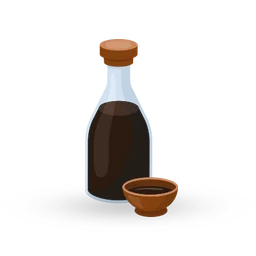 Soy sauce
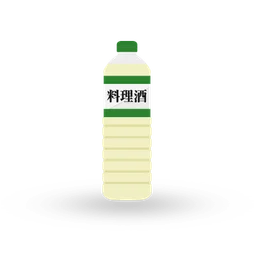 Mirin
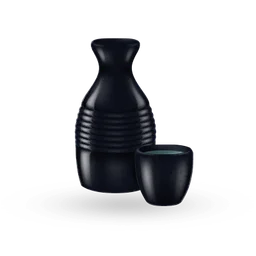 Sake
 Sugar
then warm
3 · Bowls in a bowl
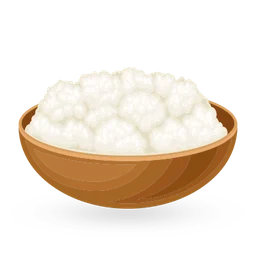 Lard
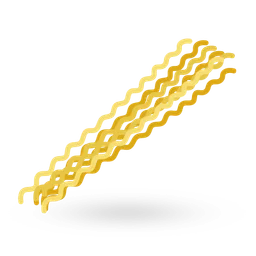 Ramen noodles
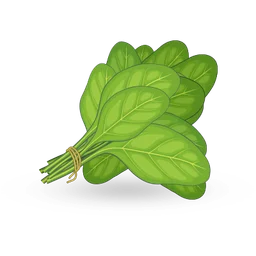 Spinach
 Nori
- Spring onion
 Quail egg
then serve
4 · Table condiments in a bowl
- Garlic
 Sesame seeds
 Black pepper
About this dish
- Origin
- Yokohama, Kanagawa, Japan · Well documentedStarted in 1974 at Yoshimuraya, opened by former truck driver Minoru Yoshimura; shops trained by him often end their names in '-ya' (家), which gave the style its name.More food from Japan
Japan - Dish
- Lunch · Dinner · Noodles · Soups · Main courses · Noodle soups
- Cooking method
- Boiled, Braised, Simmered
- Taste
- umami, rich, salty, creamy
- Diet
- Dairy-free · No nut ingredients · High-proteinWithout the optional extras: Egg-freeWorked out from the ingredients. How labels work
All labels
Non-vegetarian · Dairy-free · No nut ingredients · Beef-free · High-protein - Good for
- Batch cooking · Make-ahead · Freezer-friendly
- Cook more with
- Pork bones (trotters and neck bones) · Pork belly · Soy sauce · Ramen noodles · Chicken wings · Onion
Allergens
- Contains, can be adapted: Eggsfrom ramen noodles, quail egg
- Contains: Wheatfrom soy sauce, ramen noodles
- Contains: Glutenfrom soy sauce, ramen noodles
- Contains: Soyfrom soy sauce, ramen noodles
- Contains, can be adapted: Sesamefrom sesame seeds
Based on typical versions of these ingredients and not verified allergen-free. Brands differ and cross-contact happens, so always check labels. For severe allergies, follow your clinician’s advice.
Nutrition
1907 kcal per serving
Estimated1 serving ≈ 1128 g · recipe makes 4
Where the energy comes from
- Protein 12%
- Carbohydrate 24%
- Fat 64%
| Nutrient | Per serving | Per 100 g* |
|---|---|---|
| Energy | 1907 kcal | 169 kcal |
| Protein | 55.5 g | 4.9 g |
| Carbohydrate | 111.9 g | 9.9 g |
| Net carbohydrate | 99.3 g | 8.8 g |
| Sugars | 5.2 g | 0.5 g |
| Added sugars | — | — |
| Fibre | 12.6 g | 1.1 g |
| Fat | 133.9 g | 11.9 g |
| Saturated fat | 46.3 g | 4.1 g |
| Trans fat | — | — |
| Cholesterol | 224 mg | 20 mg |
| Sodium | 4651 mg | 412 mg |
| Salt equivalent | 11.6 g | 1 g |
Vitamins & minerals per serving
- Potassium
- 1297 mg
- Calcium
- 158 mg
- Iron
- 13.7 mg
- Magnesium
- 154 mg
- Vitamin A (RAE)
- 256 µg
- Vitamin C
- 21 mg
- Vitamin D
- —
- Vitamin B12
- 1.4 µg
- Folate (DFE)
- 410 µg
How these numbers were made
- Calculated from USDA FoodData Central (SR Legacy) per-100 g values and the listed quantities.
- *Per 100 g of combined raw ingredients; the cooked dish may weigh more or less.
- Optional ingredients are not included: quail egg, garlic, sesame seeds, black pepper.
- Pork bones (trotters and neck bones): Pork spareribs (FDC 167853) scaled down as a rough estimate of the meat, fat and collagen that boiled pork bones release into a broth.
- Mirin: Sake (FDC 167723) used as a stand-in; true mirin is sweeter, so sugar is underestimated.
- “—” means the value isn’t known for enough of the ingredients; it is never zero by default.
- Values are estimates for guidance, not for medical dosing. U.S. Department of Agriculture, Agricultural Research Service. FoodData Central, 2019. fdc.nal.usda.gov.
Good to know
Tips
- Iekei fans dip the nori into the broth and wrap it around a mouthful of rice; serve a small bowl of rice on the side.
- Broth and tare both freeze well in portions.
Common mistakes
- Simmering the broth gently — it stays thin and clear instead of creamy.
- Under-seasoning: taste the broth with the tare and add more tare until it is boldly savoury.
Serve with
- Offer a bowl of plain rice on the side, as Yokohama shops do.
Food safety
- Cook pork until the juices run clear and the centre reaches at least 63 °C (71 °C for minced pork).
Storage
- Broth keeps 4 days refrigerated or 3 months frozen; tare 2 weeks refrigerated; chashu 4 days.
Reheating
- Bring broth to a full boil before serving.
Variations
- Tonkotsu ramen (Hakata): Pure pork-bone broth with thin, firm noodles and a lighter salty tare.
- Shoyu ramen: A clear chicken broth seasoned with soy, lighter than iekei.
Original editorial recipe · FriendsPantry editorial · source: TasteAtlas (dish facts) · Not yet independently reviewed · Added
Recipe DNA
How this dish is built
Built from the recipe’s own sections. Each band’s width is its share of the dish by weight. Choose a component to see what it does.
The liquid foundation
For the broth
- Pork bones (trotters and neck bones), trotters split and neck or femur bones, soaked in cold water 2 hours1.5 kg · 600 g
- Chicken wings1 kg · 300 g
- Water5 l · 1600 g
- Onion, halved1 piece · 110 g
- Garlic, a whole head, halved crossways20 g
- Fresh ginger, sliced20 g
Reviews & corrections
Reviews come from signed-in cooks and appear after a moderator checks them. We never show made-up ratings.
You might also like
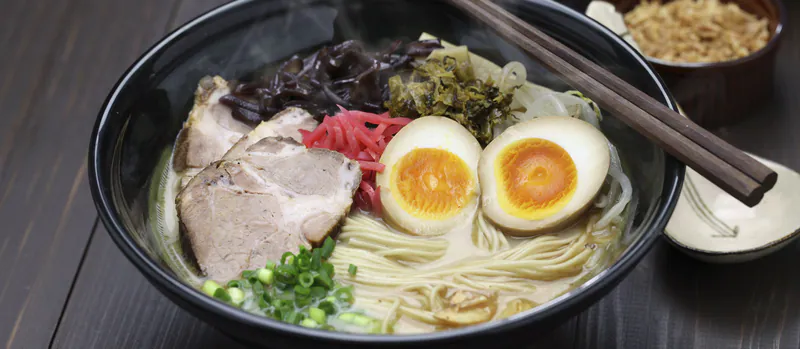
Tonkotsu ramen
 Japanese · 13 h 40 min · 1939 kcal
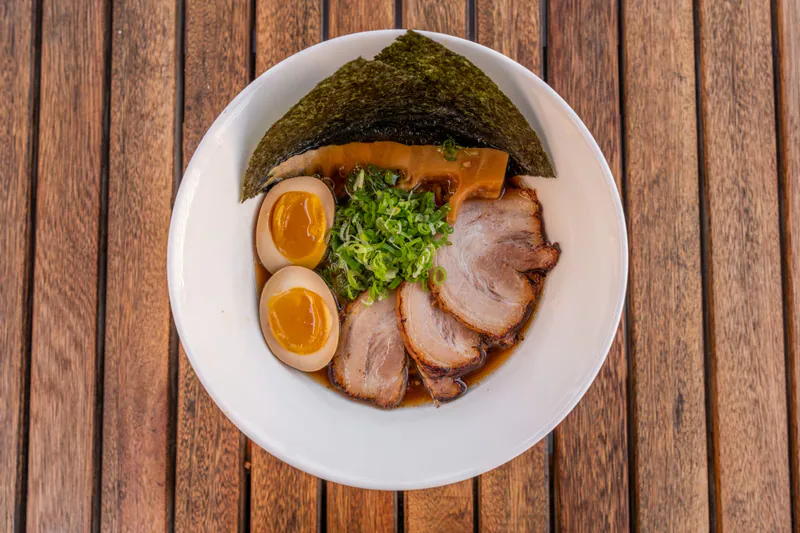
Shoyu ramen (home-style)
Japanese · 40 min · 751 kcal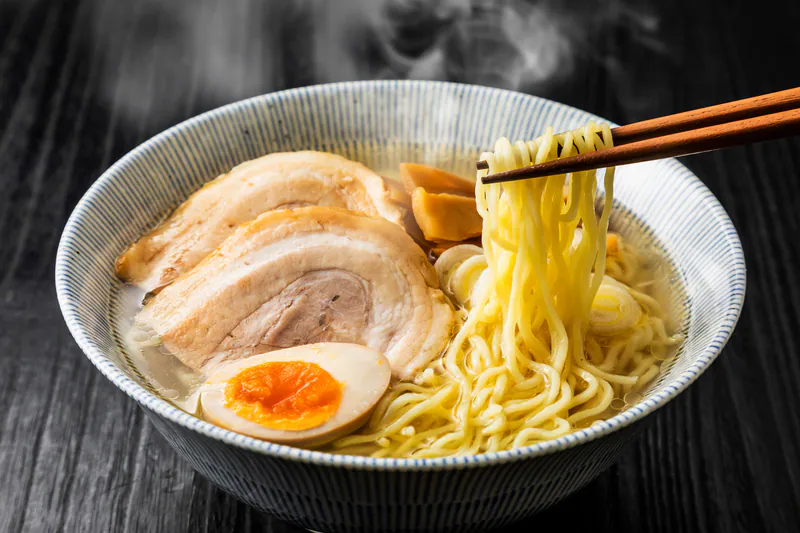
Shio ramen (salt ramen)
Japanese · 4 h 20 min · 1770 kcal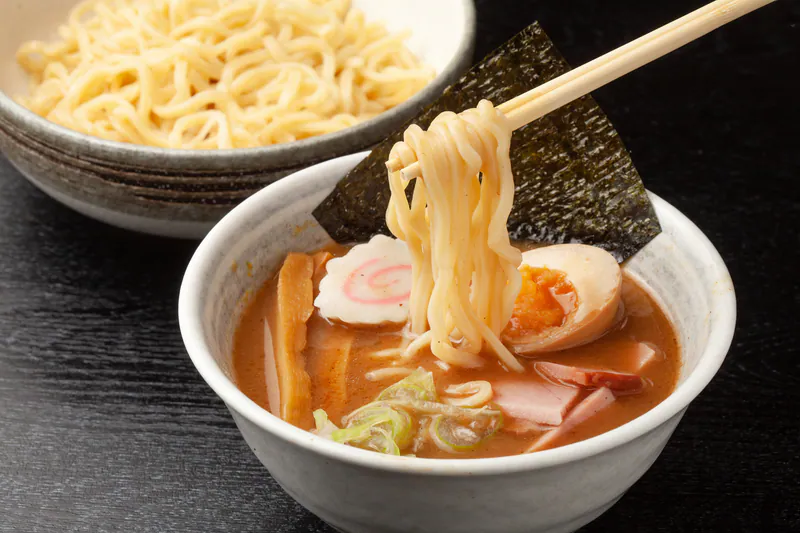
Tsukemen (dipping ramen)
Japanese · 2 h 30 min · 1539 kcal