
Tsukemen (dipping ramen)
Non-vegetarian
つけ麺 · tsukemen
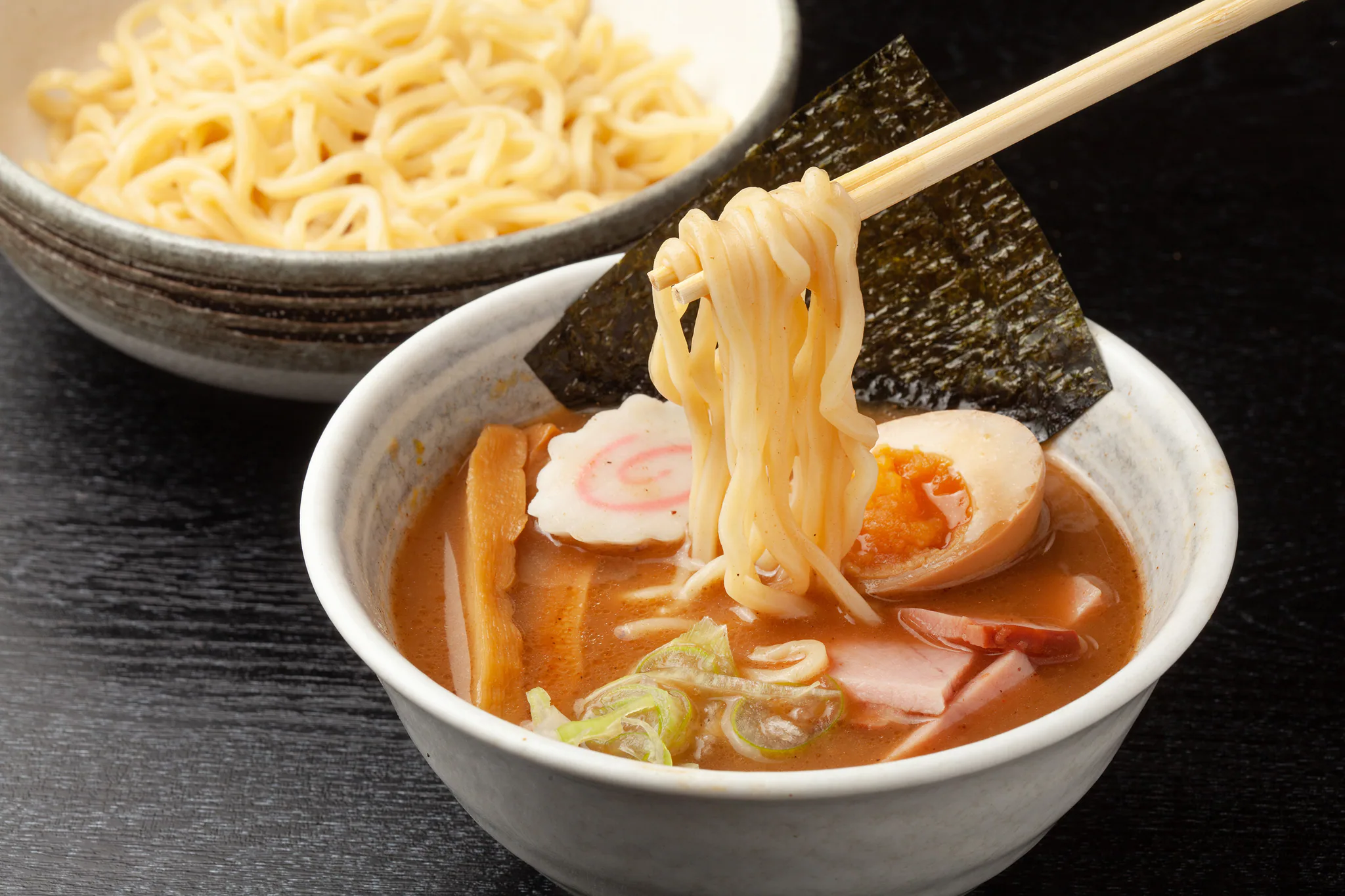
Thick ramen noodles boiled, rinsed cold and served on their own, to be dipped one mouthful at a time into a small bowl of hot, intense pork-and-seafood broth sharpened with soy and vinegar. The rich broth clings to the chewy noodles; at the end it is thinned with hot stock and drunk.
Tsukemen (dipping ramen) is a Japanese noodle dish, ready in about 2 hours 30 minutes and made with pork belly, chicken stock and katsuobushi (bonito flakes). It serves 4 and is rated intermediate to cook.
- Prep
- 30 min
- Cook
- 2 h
- Total
- 2 h 30 min
- Serves
- 4
- Level
- Intermediate
- Calories
- 1539
Plus at least 4 hours marinating the eggs (do this the day before).
Main ingredients
Ingredients
For the marinated eggs
For the pork and dipping broth
For the noodles
To serve
Method
Marinated eggs
12 minStep 1
For the eggs (opens in a new tab), lower them into boiling water and cook for exactly 6½ minutes, then plunge into iced water. Peel and put them in a small bag or tub with the soy sauce (opens in a new tab), mirin (opens in a new tab) and water. Refrigerate for at least 4 hours or overnight.
Pork and dipping broth
1 h 55 minStep 2
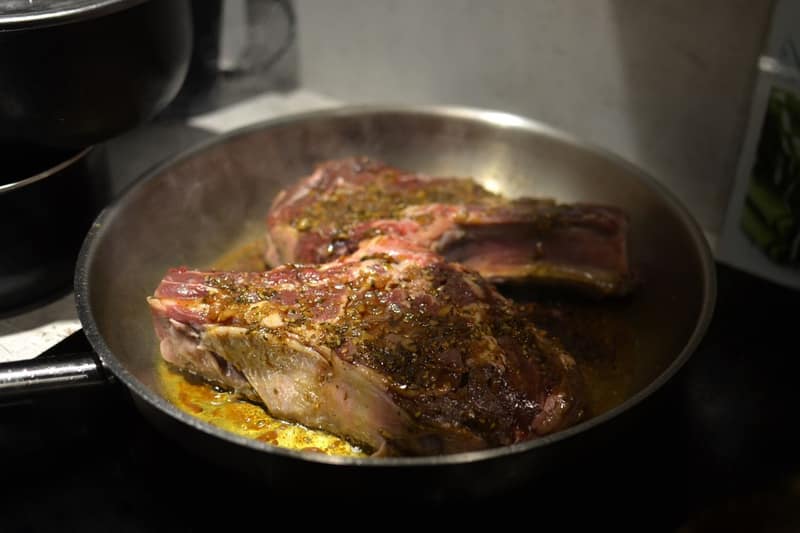
Heat the lard (opens in a new tab) in a pot and brown the pork belly (opens in a new tab) on all sides, about 8 minutes. Add the ginger, garlic (opens in a new tab), dried shiitake (opens in a new tab) and dried shrimp (opens in a new tab) and stir for a minute, then pour in the chicken stock (opens in a new tab), soy sauce (opens in a new tab), mirin (opens in a new tab) and sugar (opens in a new tab). Cover and simmer gently until the pork is tender, about 1½ hours.
- 100 min
- low heat
- Stockpot / large pot (opens in a new tab)
How it looks · Photo: Skylar Kang on Pexels Step 3
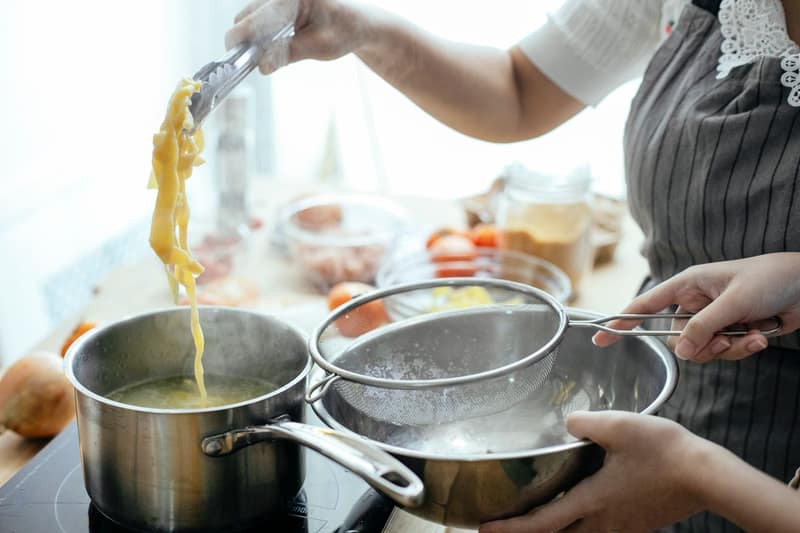
Lift out the pork, cool slightly and slice it thickly. Take the broth off the heat, add the bonito flakes (opens in a new tab) and steep for 5 minutes, then strain. Return to the pot with the vinegar, sesame oil (opens in a new tab) and chilli oil (opens in a new tab) and simmer until reduced to about 600 ml. It should taste strong — too salty to drink as it is.
- 15 min
- medium heat
- Sieve / strainer (opens in a new tab)
How it looks · Photo: Katerina Holmes on Pexels
Noodles
8 minStep 4
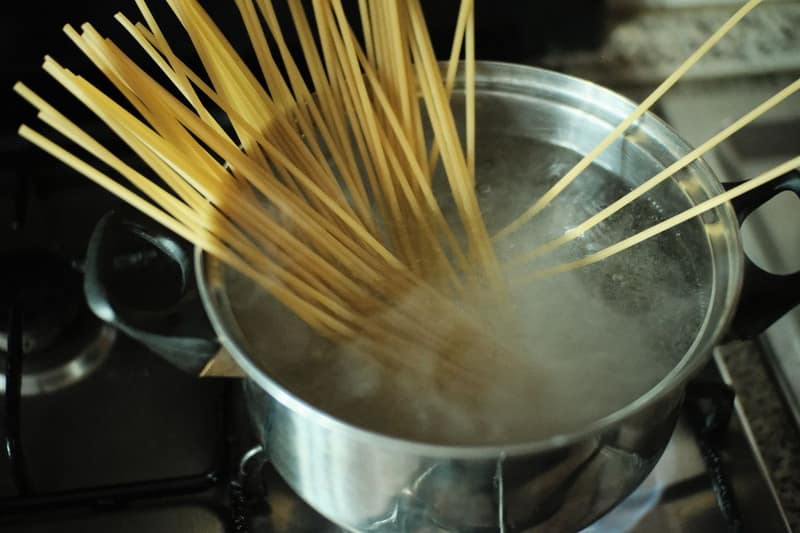
Boil the noodles in plenty of unsalted water for a minute longer than the packet says. Drain, then rinse under cold running water, rubbing them to remove surface starch, and finish in iced water. Drain very well.
Rinsing tightens the noodles and makes them springy, which is the whole point of tsukemen.
How it looks · Photo: Gianpiero Ferraro on Pexels
To serve
5 minStep 5
Pile the noodles on plates with the nori (opens in a new tab), halved eggs (opens in a new tab), pork slices, menma and fish cake (opens in a new tab). Reheat the broth until boiling, pour into small deep bowls and top with spring onion (opens in a new tab). Dip a mouthful of noodles at a time. At the end, top up the remaining broth with hot water or stock (soup-wari) and drink it.
- 5 min
At a glance
1 · Marinated eggs in a pan
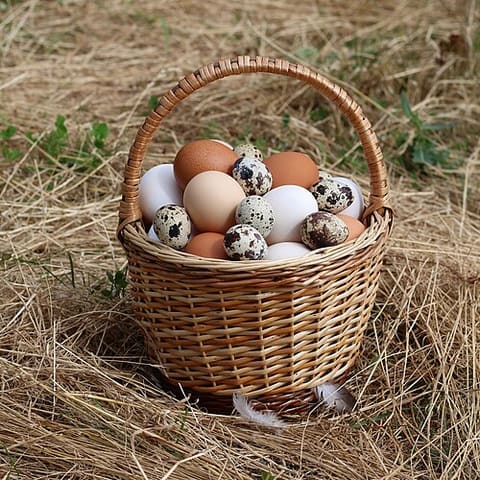 Egg
 Soy sauce
 Mirin
then heat
2 · Pork and dipping broth in a bowl
 Pork belly
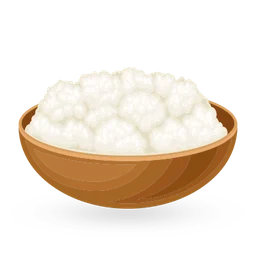 Lard
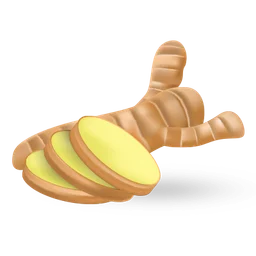 Fresh ginger
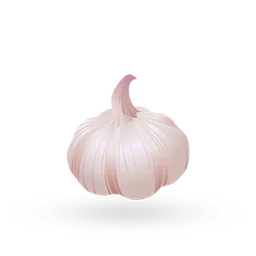 Garlic
 Shiitake mushrooms
 Dried shrimp
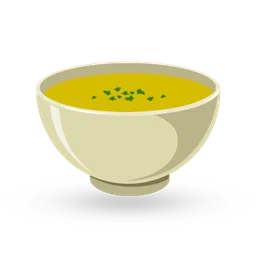 Chicken stock
- Soy sauce
- Mirin
 Sugar
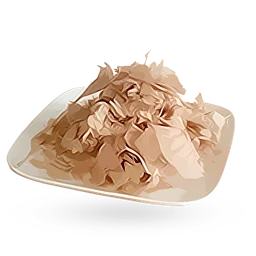 Katsuobushi (bonito flakes)
 Rice vinegar
 Toasted sesame oil
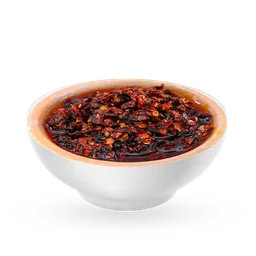 Chilli oil
then boil
3 · Noodles in a pot
 Ramen noodles
then pile
4 · To serve in a pot
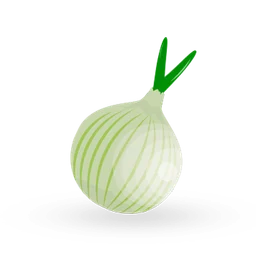 Spring onion
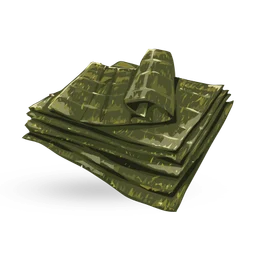 Nori
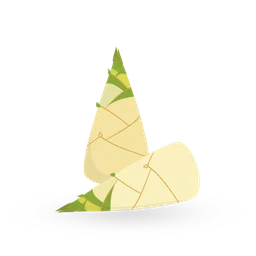 Bamboo shoots
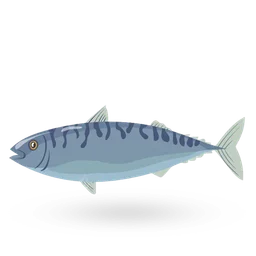 Fish cake (eomuk / fish cake slices)
About this dish
- Origin
- Tokyo, Japan · Well documentedPopularised by Kazuo Yamagishi of the Tokyo ramen shop Taishoken, who began serving it as 'mori soba' in 1955. Rich gyokai-tonkotsu (fish-and-pork) dipping broths became fashionable in the 2000s.More food from Japan
Japan - Dish
- Lunch · Dinner · Noodles · Main courses
- Cooking method
- Braised, Simmered, Boiled
- Taste
- umami, salty, rich, tangy
- Diet
- Dairy-free · High-proteinWithout the optional extras: No nut ingredientsWorked out from the ingredients. How labels work
All labels
Non-vegetarian · Dairy-free · Beef-free · High-protein - Good for
- Make-ahead
- Cook more with
- Pork belly · Chicken stock · Katsuobushi (bonito flakes) · Ramen noodles · Egg · Soy sauce
Allergens
- Contains: Eggsfrom egg, ramen noodles, fish cake (eomuk / fish cake slices)
- Contains: Fishfrom katsuobushi (bonito flakes), fish cake (eomuk / fish cake slices)
- Contains: Crustaceansfrom dried shrimp
- May contain: Peanutsfrom chilli oil
- Contains: Wheatfrom soy sauce, ramen noodles, fish cake (eomuk / fish cake slices)
- Contains: Glutenfrom soy sauce, ramen noodles, fish cake (eomuk / fish cake slices)
- Contains: Soyfrom soy sauce, chilli oil, ramen noodles, fish cake (eomuk / fish cake slices)
- Contains: Sesamefrom toasted sesame oil, chilli oil
- May contain: Celeryfrom chicken stock
Based on typical versions of these ingredients and not verified allergen-free. Brands differ and cross-contact happens, so always check labels. For severe allergies, follow your clinician’s advice.
Nutrition
1539 kcal per serving
Estimated1 serving ≈ 677 g · recipe makes 4
Where the energy comes from
- Protein 11%
- Carbohydrate 30%
- Fat 59%
| Nutrient | Per serving | Per 100 g* |
|---|---|---|
| Energy | 1539 kcal | 227 kcal |
| Protein | 43.8 g | 6.5 g |
| Carbohydrate | 113.4 g | 16.7 g |
| Net carbohydrate | 102.6 g | 15.1 g |
| Sugars | 7.7 g | 1.1 g |
| Added sugars | — | — |
| Fibre | 10.7 g | 1.6 g |
| Fat | 100.6 g | 14.8 g |
| Saturated fat | 34.5 g | 5.1 g |
| Trans fat | — | — |
| Cholesterol | 275 mg | 41 mg |
| Sodium | 4219 mg | 623 mg |
| Salt equivalent | 10.5 g | 1.6 g |
Vitamins & minerals per serving
- Potassium
- 952 mg
- Calcium
- 73 mg
- Iron
- 12.4 mg
- Magnesium
- 89 mg
- Vitamin A (RAE)
- 93 µg
- Vitamin C
- 4 mg
- Vitamin D
- —
- Vitamin B12
- 1.5 µg
- Folate (DFE)
- 332 µg
How these numbers were made
- Calculated from USDA FoodData Central (SR Legacy) per-100 g values and the listed quantities.
- *Per 100 g of combined raw ingredients; the cooked dish may weigh more or less.
- Optional ingredients are not included: chilli oil, bamboo shoots, fish cake (eomuk / fish cake slices).
- Not counted (tiny amounts or “to taste”): katsuobushi (bonito flakes).
- Mirin: Sake (FDC 167723) used as a stand-in; true mirin is sweeter, so sugar is underestimated.
- Dried shrimp: Dried salted cod (FDC 174190) used as a stand-in: both are dried, very protein-dense seafood; no dried-shrimp entry exists in FDC SR Legacy.
- Rice vinegar: Distilled vinegar (FDC 172237) used as a stand-in for unseasoned rice vinegar.
- “—” means the value isn’t known for enough of the ingredients; it is never zero by default.
- Values are estimates for guidance, not for medical dosing. U.S. Department of Agriculture, Agricultural Research Service. FoodData Central, 2019. fdc.nal.usda.gov.
Good to know
Tips
- Warm the broth bowls; the cold noodles cool the broth quickly.
- A spoonful of fish powder (ground bonito or dried sardines) stirred into the broth gives a ramen-shop gyokai punch.
Common mistakes
- Making the dipping broth as light as ramen soup — it has to be concentrated, as the noodles carry only a little of it.
Serve with
- Offer extra vinegar, chilli oil and a squeeze of yuzu or lime at the table.
Storage
- The broth and pork keep 3 days refrigerated; marinated eggs keep 3 days. Cook noodles fresh.
Reheating
- Bring the broth back to a full boil before serving.
Variations
- Gyokai tonkotsu tsukemen: A thick, creamy pork-bone broth blended with fish stock and topped with fish powder — the modern Tokyo style.
- Hiyashi tsukemen: A chilled dipping sauce for midsummer.
Original editorial recipe · FriendsPantry editorial · source: TasteAtlas (dish facts) · Not yet independently reviewed · Added
Recipe DNA
How this dish is built
Reviews & corrections
Reviews come from signed-in cooks and appear after a moderator checks them. We never show made-up ratings.
You might also like
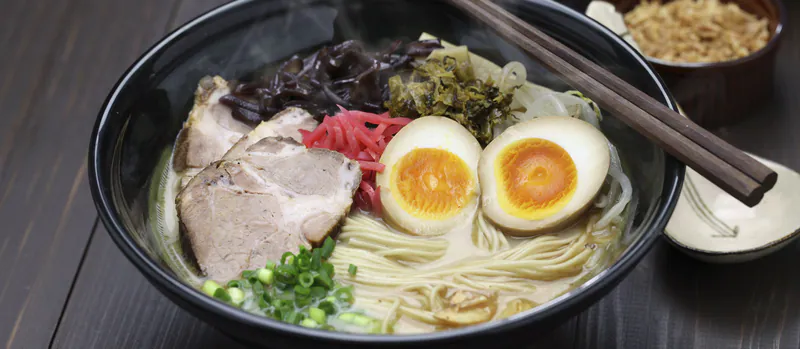
Tonkotsu ramen
 Japanese · 13 h 40 min · 1939 kcal
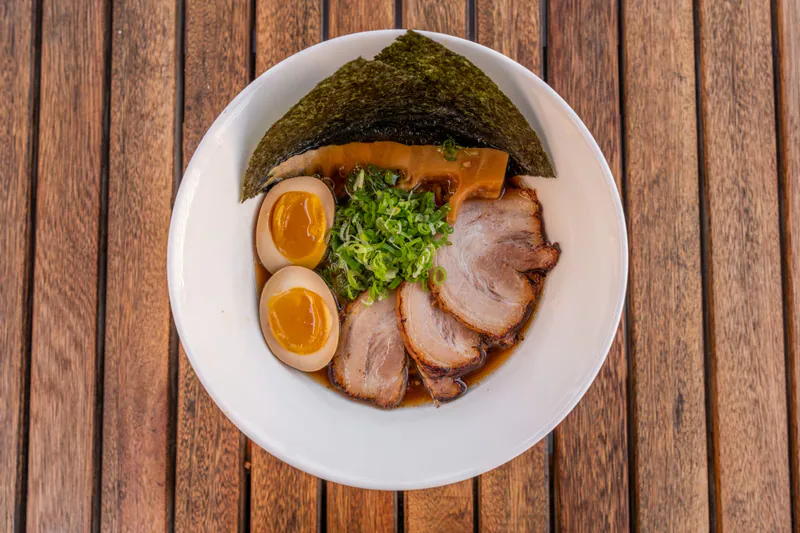
Shoyu ramen (home-style)
Japanese · 40 min · 751 kcal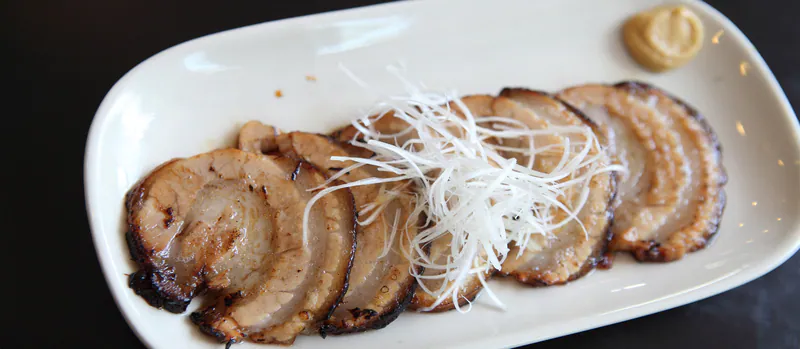
Chashu (Japanese braised pork belly)
Japanese · 6 h 35 min · 811 kcal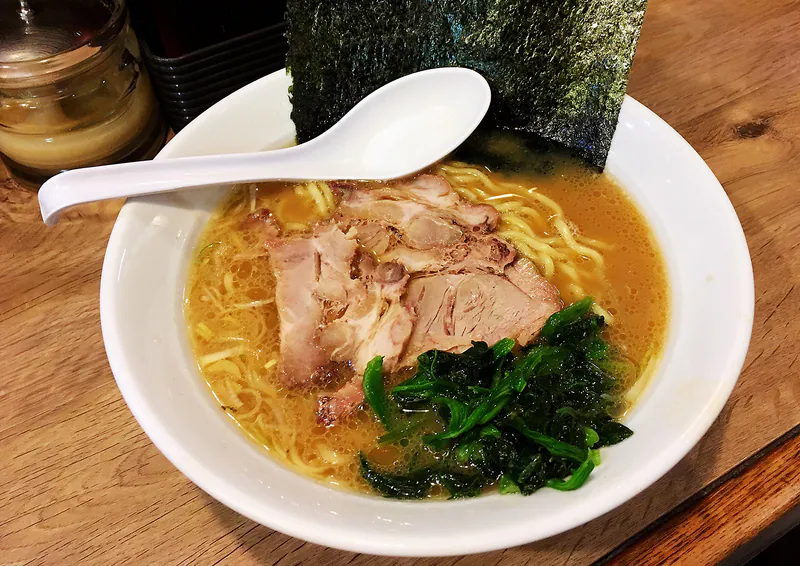
Iekei ramen (Yokohama-style pork and soy ramen)
Japanese · 7 h 30 min · 1907 kcal