
Shio ramen (salt ramen)
Non-vegetarian
塩ラーメン · shio rāmen
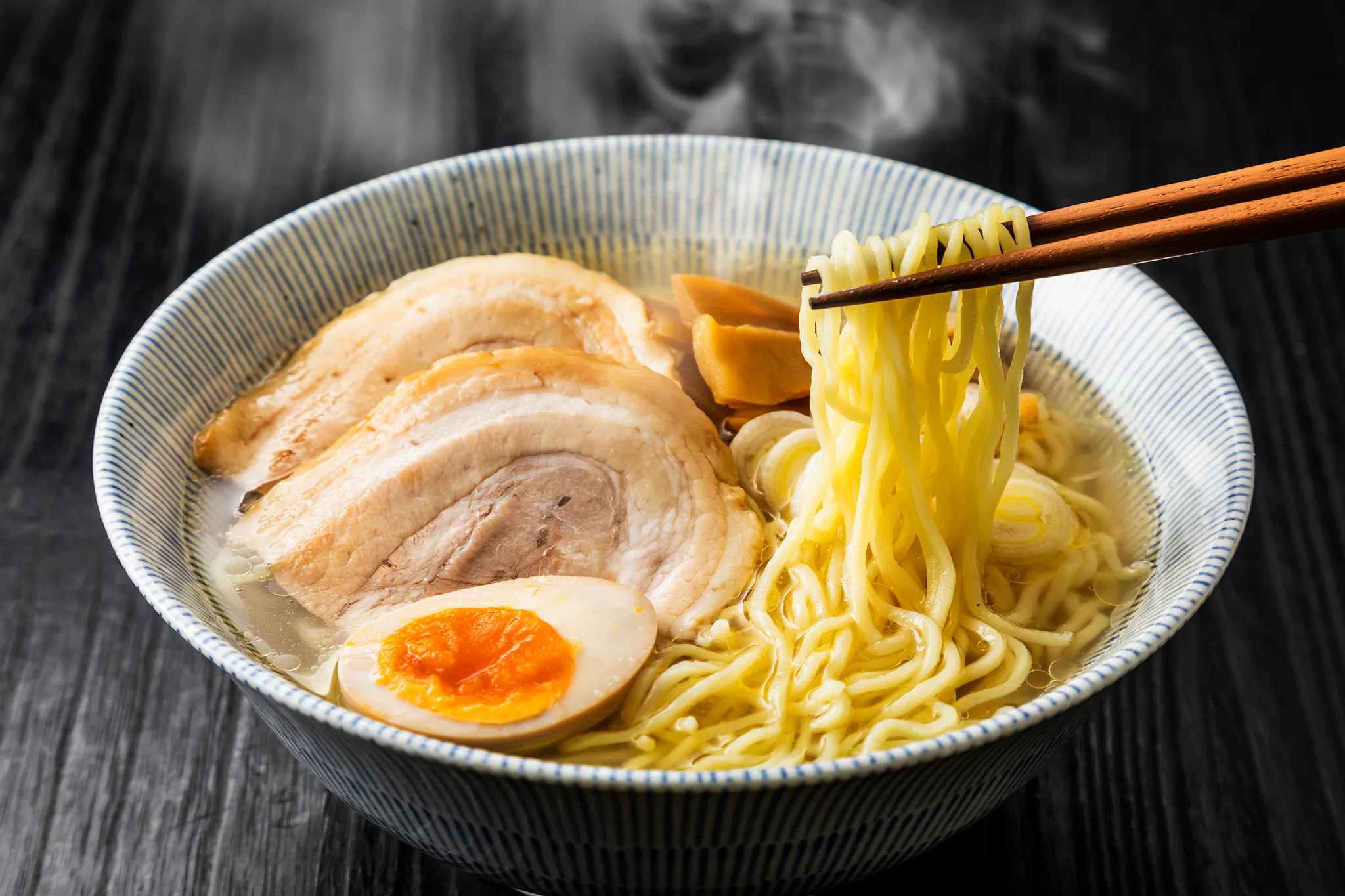
Ramen in a clear, golden chicken-and-kombu broth seasoned with a delicate salt tare instead of soy or miso, topped with tender pork belly, bamboo shoots, fish cake and spring onion. The lightest of the classic ramen styles and the signature bowl of Hakodate in Hokkaido.
Shio ramen (salt ramen) is a Japanese noodle dish, ready in about 4 hours 20 minutes and made with chicken wings, kombu (dried kelp) and salt. It serves 4 and is rated advanced to cook.
- Prep
- 30 min
- Cook
- 3 h 20 min
- Rest
- 30 min
- Total
- 4 h 20 min
- Serves
- 4
- Level
- Advanced
- Calories
- 1770
Kombu soaking (30 minutes) runs in parallel; the broth and pork can be made a day ahead.
Main ingredients
Ingredients
For the clear broth
For the salt tare
For the pork topping
For the aroma oil
To serve
Method
Clear broth
3 h 20 minStep 1
Soak the broth kombu (opens in a new tab) and dried shiitake (opens in a new tab) in 500 ml of the broth water for 30 minutes. Meanwhile put the chicken wings (opens in a new tab) (and pork bones (opens in a new tab), if using) in a pot, cover with cold water, bring to the boil, drain and rinse off all the scum.
- 15 min
- high heat
- Stockpot / large pot (opens in a new tab)
Blanching first is what keeps a chintan broth crystal clear.
Step 2
Return the clean bones to the pot with the remaining water, ginger, garlic (opens in a new tab) and spring onion (opens in a new tab) tops. Bring just to a simmer and keep it barely trembling, uncovered, for 3 hours, skimming often. Never let it boil hard.
- 180 min
- low heat
Step 3
In the last 30 minutes, add the kombu (opens in a new tab), shiitake (opens in a new tab) and their soaking water; take out the kombu before the broth comes back to a simmer. Strain the broth through a cloth-lined sieve; you should have about 1.6 litres.
Pork topping
1 h 30 minStep 4
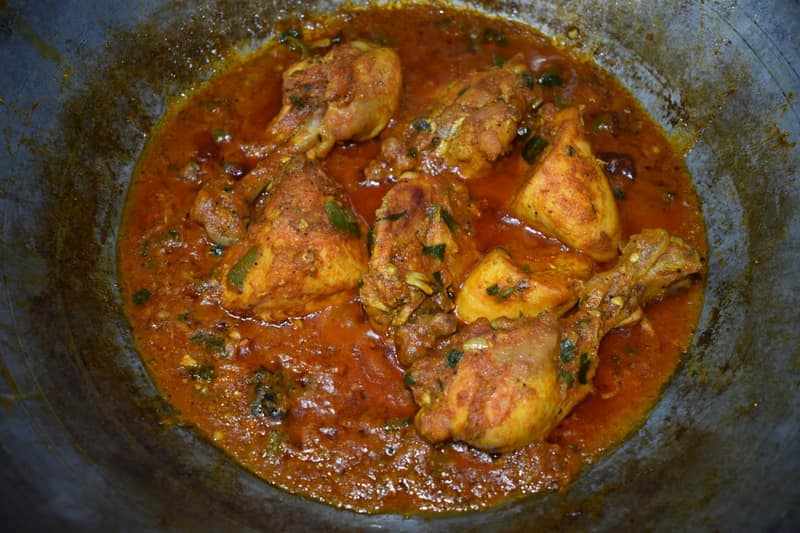
For the pork, roll and tie the belly, then simmer it gently in a small pan with the soy sauce (opens in a new tab), sake (opens in a new tab), mirin (opens in a new tab), sugar (opens in a new tab) and 300 ml water, turning now and then, for 1½ hours until tender (this can run alongside the broth). Cool in the liquid, then slice thinly.
- 90 min
- low heat
- Saucepan (opens in a new tab)
Food safety: Cook fresh sausage and minced pork until the centre reaches 71 °C and the juices run clear.
How it looks · Photo: Bachir Mamud on Pexels
Salt tare
8 minStep 5
For the salt tare, warm the sake (opens in a new tab) and mirin (opens in a new tab) in a small pan and simmer 1 minute to cook off the alcohol. Add the 150 ml water, the small piece of kombu (opens in a new tab) and the katsuobushi (opens in a new tab), heat to just below a simmer, then take off the heat, stir in the salt until dissolved and strain.
Aroma oil
11 minStep 6
For the aroma oil, warm the oil with the sliced garlic (opens in a new tab) and chopped spring onion (opens in a new tab) whites over low heat until the garlic is pale gold. Strain and keep the oil.
- 6 min
- low heat
- Frying pan / skillet (opens in a new tab)
How it looks · Photo: Katerina Holmes on Pexels Step 7
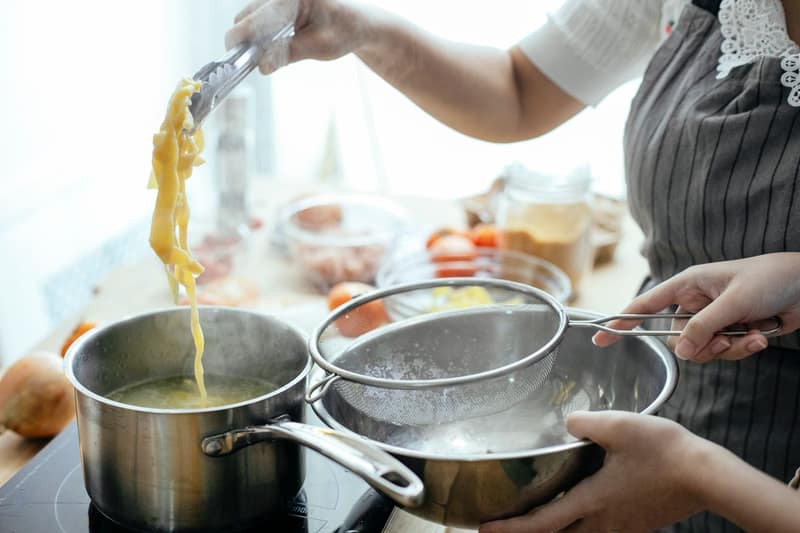
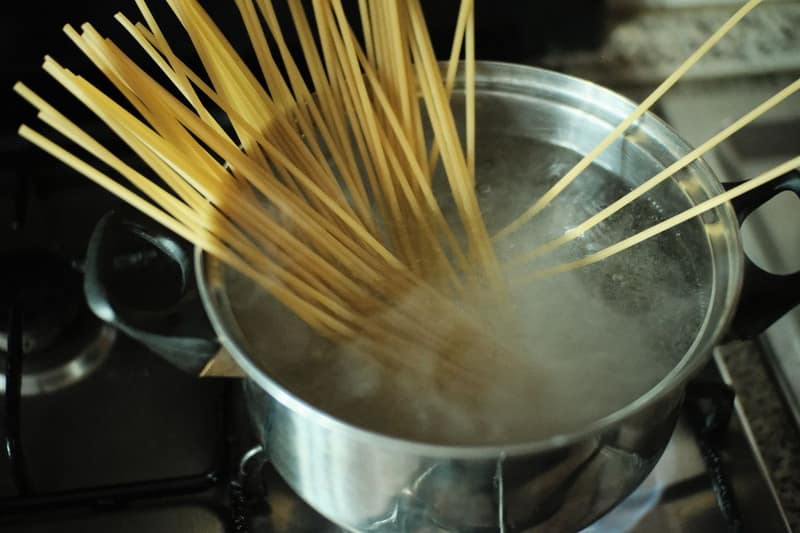
Bring the broth back to a simmer and a large pot of unsalted water to a rolling boil. Warm the bowls with hot water. Put about 2 tbsp tare and 2 tsp aroma oil in each bowl; taste the first bowl and adjust the tare.
- 5 min
- medium heat
To serve
5 minStep 8
Cook the noodles for the time on the packet (usually 1–2 minutes for fresh thin noodles). Meanwhile pour 375 ml hot broth into each bowl. Drain the noodles very well, shaking off the water, and fold them into the broth.
- 3 min
- high heat
- Ladle (opens in a new tab)
How it looks · Photo: Gianpiero Ferraro on Pexels Step 9
Top with slices of pork, menma, narutomaki, egg (opens in a new tab) halves, sliced spring onion (opens in a new tab) and nori (opens in a new tab). Serve at once.
- 2 min
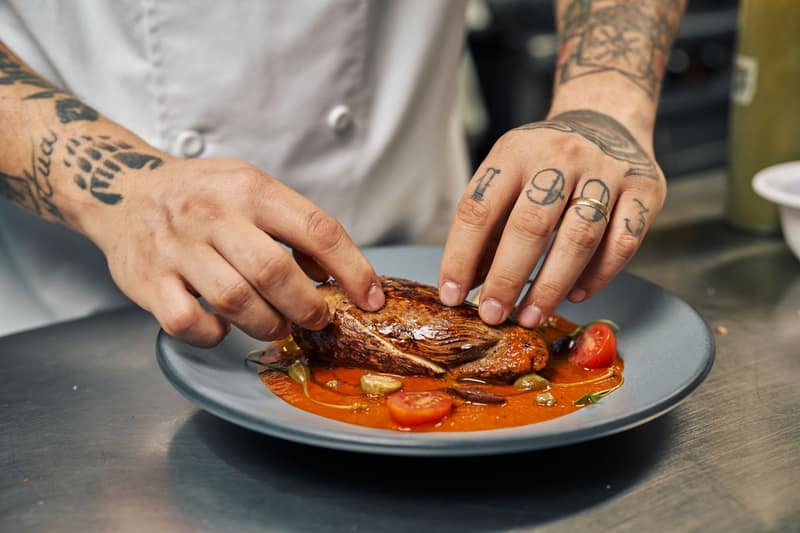
How it looks · Photo: Willians Huerta on Pexels
At a glance
1 · Clear broth in a pot
 Chicken wings
 Pork bones (trotters and neck bones)
 Kombu (dried kelp)
 Shiitake mushrooms
 Fresh ginger
 Garlic
 Spring onion
then roll
2 · Pork topping in a bowl
 Pork belly
 Soy sauce
 Sake
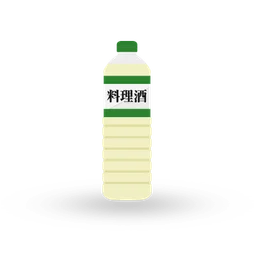 Mirin
 Sugar
then warm
3 · Salt tare in a pan
 Salt
- Sake
- Mirin
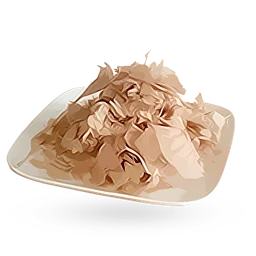 Katsuobushi (bonito flakes)
- Kombu (dried kelp)
then warm
4 · Aroma oil in a bowl
 Neutral vegetable oil
- Garlic
- Spring onion
then cook
5 · To serve in a bowl
 Ramen noodles
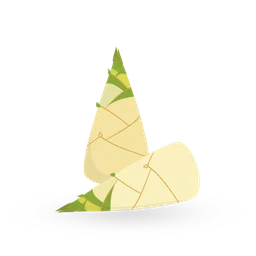 Bamboo shoots
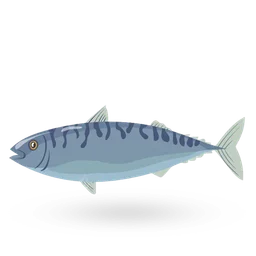 Fish cake (eomuk / fish cake slices)
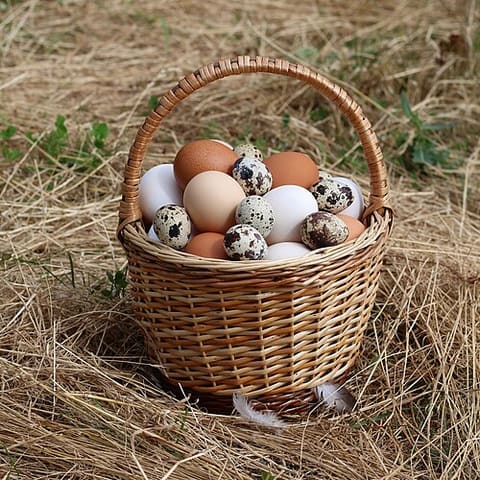 Egg
- Spring onion
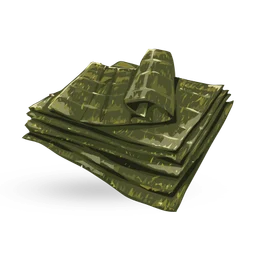 Nori
About this dish
- Origin
- Hakodate, Hokkaido, Japan · Commonly attributedHakodate's port trade with China in the late 19th century is credited with its early clear-broth noodle soups; shio is one of the four main ramen seasonings alongside shoyu, miso and tonkotsu.More food from Japan
Japan - Dish
- Lunch · Dinner · Noodles · Soups · Main courses · Noodle soups
- Cooking method
- Simmered, Braised, Boiled
- Taste
- umami, salty, savoury, mild
- Diet
- Dairy-free · No nut ingredients · High-proteinWithout the optional extras: Egg-freeWorked out from the ingredients. How labels work
All labels
Non-vegetarian · Dairy-free · No nut ingredients · Beef-free · High-protein - Good for
- Make-ahead
- Cook more with
- Chicken wings · Kombu (dried kelp) · Ramen noodles · Shiitake mushrooms · Fresh ginger · Garlic
Allergens
- Contains, can be adapted: Eggsfrom ramen noodles, fish cake (eomuk / fish cake slices), egg
- Contains, can be adapted: Fishfrom katsuobushi (bonito flakes), fish cake (eomuk / fish cake slices)
- Contains: Wheatfrom soy sauce, ramen noodles, fish cake (eomuk / fish cake slices)
- Contains: Glutenfrom soy sauce, ramen noodles, fish cake (eomuk / fish cake slices)
- Contains: Soyfrom soy sauce, ramen noodles, fish cake (eomuk / fish cake slices)
Based on typical versions of these ingredients and not verified allergen-free. Brands differ and cross-contact happens, so always check labels. For severe allergies, follow your clinician’s advice.
Nutrition
1770 kcal per serving
Estimated1 serving ≈ 1059 g · recipe makes 4
Where the energy comes from
- Protein 16%
- Carbohydrate 21%
- Fat 63%
| Nutrient | Per serving | Per 100 g* |
|---|---|---|
| Energy | 1770 kcal | 167 kcal |
| Protein | 69.2 g | 6.5 g |
| Carbohydrate | 88.5 g | 8.4 g |
| Net carbohydrate | 79.2 g | 7.5 g |
| Sugars | 4.3 g | 0.4 g |
| Added sugars | — | — |
| Fibre | 9.4 g | 0.9 g |
| Fat | 121.1 g | 11.4 g |
| Saturated fat | 37.1 g | 3.5 g |
| Trans fat | — | — |
| Cholesterol | 350 mg | 33 mg |
| Sodium | 5164 mg | 488 mg |
| Salt equivalent | 12.9 g | 1.2 g |
Vitamins & minerals per serving
- Potassium
- 996 mg
- Calcium
- 123 mg
- Iron
- 10.4 mg
- Magnesium
- 107 mg
- Vitamin A (RAE)
- 37 µg
- Vitamin C
- 7 mg
- Vitamin D
- —
- Vitamin B12
- 1.5 µg
- Folate (DFE)
- 272 µg
How these numbers were made
- Calculated from USDA FoodData Central (SR Legacy) per-100 g values and the listed quantities.
- *Per 100 g of combined raw ingredients; the cooked dish may weigh more or less.
- Optional ingredients are not included: pork bones (trotters and neck bones), katsuobushi (bonito flakes), fish cake (eomuk / fish cake slices), egg, nori.
- Mirin: Sake (FDC 167723) used as a stand-in; true mirin is sweeter, so sugar is underestimated.
- “—” means the value isn’t known for enough of the ingredients; it is never zero by default.
- Values are estimates for guidance, not for medical dosing. U.S. Department of Agriculture, Agricultural Research Service. FoodData Central, 2019. fdc.nal.usda.gov.
Good to know
Tips
- Season each bowl, not the pot: the broth stays unsalted so the tare can be adjusted per bowl.
- Chill the broth overnight to lift off the fat for a cleaner bowl; keep a spoonful of the chicken fat for the aroma oil if you like.
Common mistakes
- Boiling the broth hard, which emulsifies the fat and turns it cloudy — that is tonkotsu territory, not shio.
Serve with
- Add a few drops of yuzu juice or a slice of lemon for a modern Tokyo-style shio bowl.
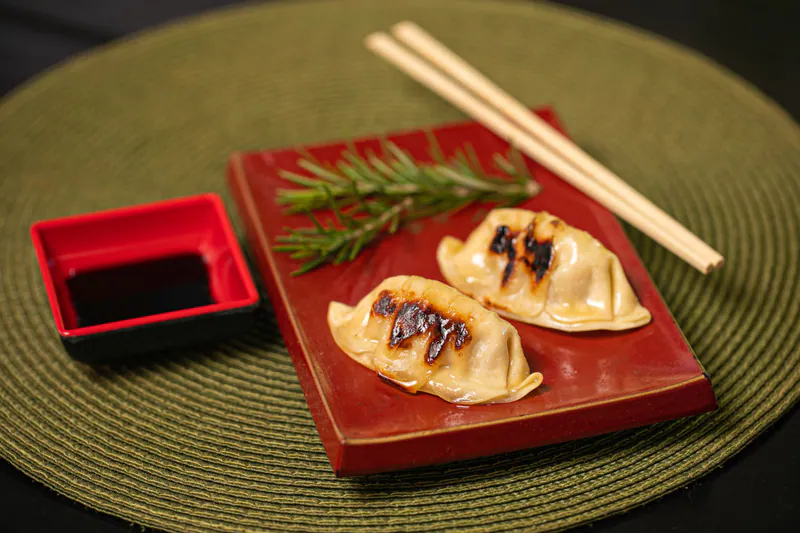
- Serve with gyoza on the side.
Food safety
- Cool the broth quickly (in a sink of iced water) and refrigerate within 2 hours.
Storage
- Broth keeps 3 days refrigerated or 3 months frozen; tare keeps 2 weeks refrigerated; pork 4 days.
Reheating
- Bring broth back to a full simmer before serving. Always cook noodles fresh.
Variations
- Hakodate shio ramen: The classic: straight medium-thin noodles, a very pale broth and simple toppings of chashu, menma, spring onion and spinach.
- Seafood shio: Clams or dried scallops simmered into the tare and broth for a briny coastal version.
Original editorial recipe · FriendsPantry editorial · source: TasteAtlas (dish facts) · Not yet independently reviewed · Added
Recipe DNA
How this dish is built
Built from the recipe’s own sections. Each band’s width is its share of the dish by weight. Choose a component to see what it does.
The liquid foundation
For the clear broth
- Chicken wings1 kg · 1000 g
- Pork bones (trotters and neck bones), neck bones, blanched (optional)500 g
- Water3 l · 1600 g
- Kombu (dried kelp), a 10 × 10 cm piece, wiped15 g
- Shiitake mushrooms, 3 dried shiitake10 g
- Fresh ginger, sliced20 g
- Garlic, lightly crushed3 clove · 12 g
- Spring onion, green tops only2 piece · 30 g
Reviews & corrections
Reviews come from signed-in cooks and appear after a moderator checks them. We never show made-up ratings.
You might also like
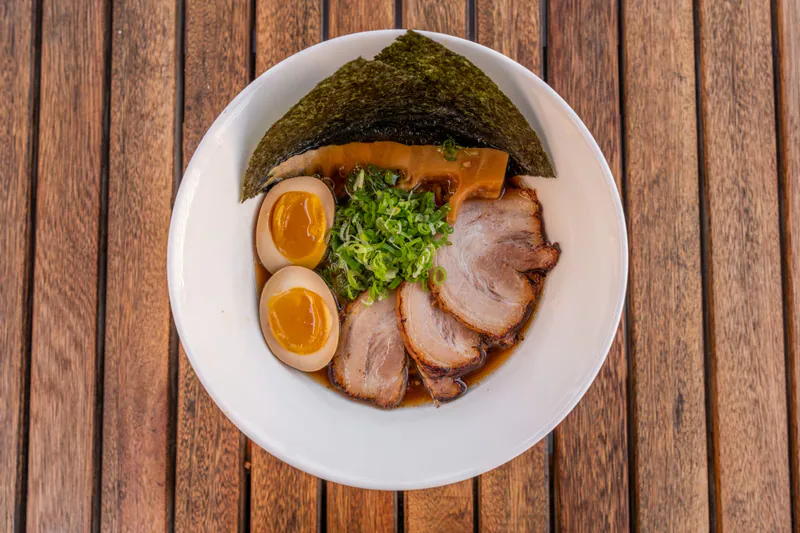
Shoyu ramen (home-style)
 Japanese · 40 min · 751 kcal
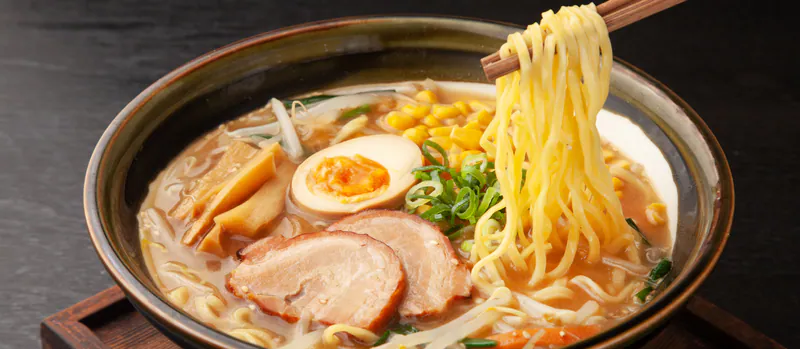
Miso ramen (Sapporo-style)
Japanese · 40 min · 1357 kcal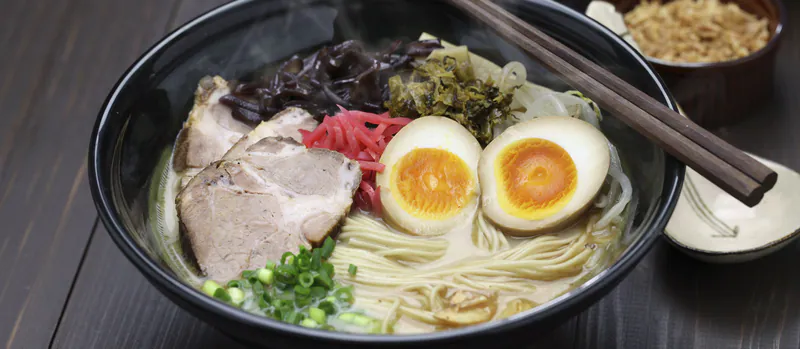
Tonkotsu ramen
Japanese · 13 h 40 min · 1939 kcal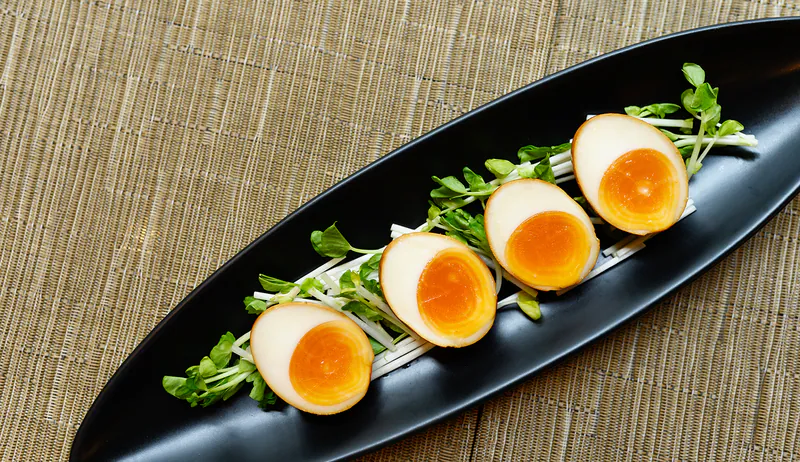
Ajitsuke tamago (ramen eggs)
Japanese · 6 h 20 min · 116 kcal · Contains egg