
Gunkanmaki (battleship sushi)
Non-vegetarian
軍艦巻き · gunkanmaki
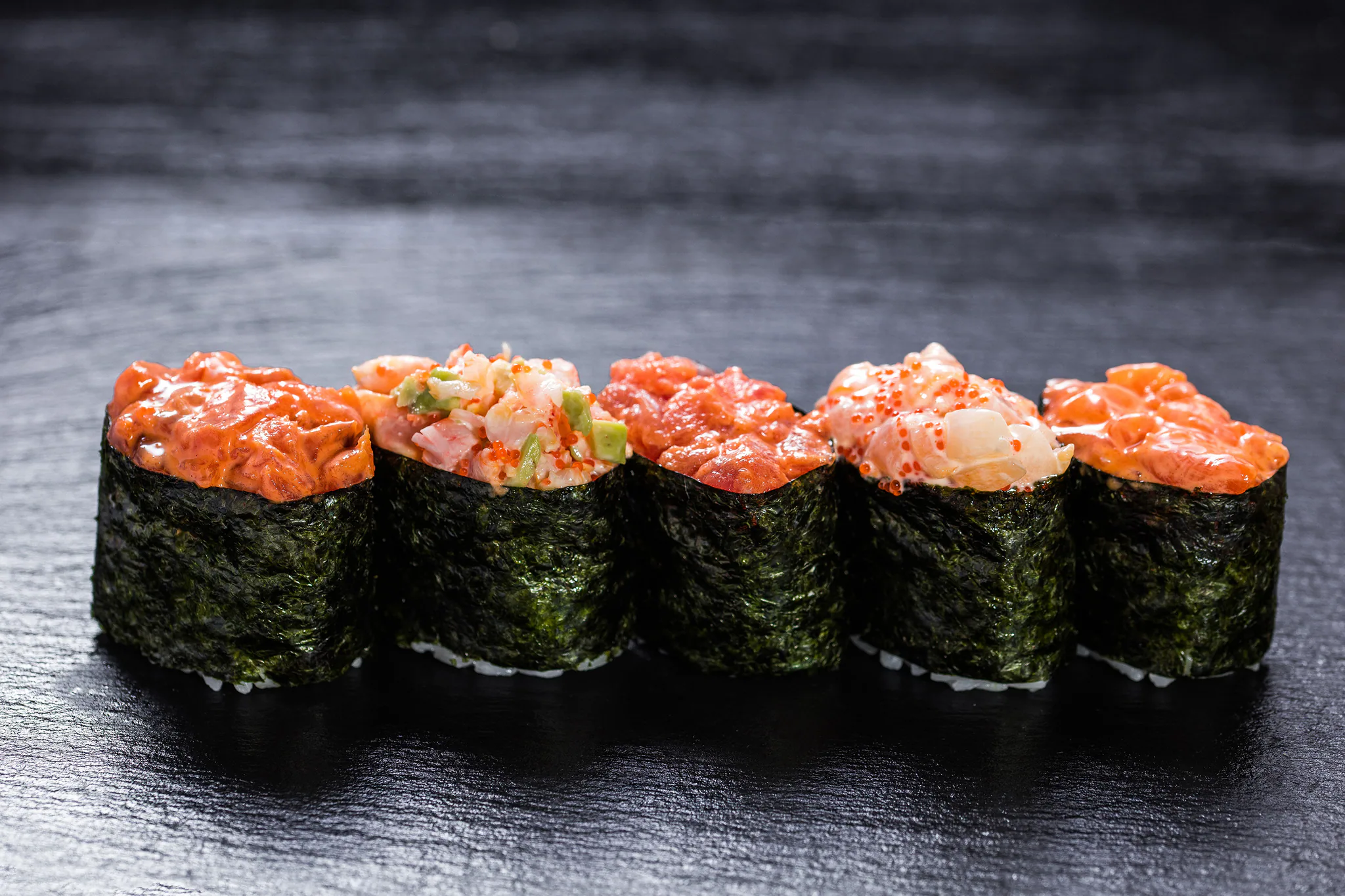
Small ovals of vinegared rice wrapped in a tall band of nori so that they form a little cup, filled with loose toppings such as glistening salmon roe or chopped fatty tuna with spring onion. The shape, said to resemble a warship, gave the sushi its name.
Gunkanmaki (battleship sushi) is a Japanese rice dish, ready in about 1 hour 35 minutes and made with short-grain rice, nori and salmon roe (ikura). It serves 4 and is rated intermediate to cook.
- Prep
- 40 min
- Cook
- 25 min
- Rest
- 30 min
- Total
- 1 h 35 min
- Serves
- 4
- Level
- Intermediate
- Calories
- 418
Main ingredients
Ingredients
For the sushi rice
For wrapping
For the toppings
To serve
Method
Sushi rice
35 minStep 1
Rinse the rice in several changes of cold water until it runs almost clear, then drain for 20 minutes. Put it in a heavy pan with the measured water and the kombu (opens in a new tab), bring to the boil, cover and cook on the lowest heat for 12 minutes. Remove from the heat, discard the kombu and leave covered for 10 minutes.
- 25 min
- low heat
- Saucepan (opens in a new tab)
Food safety: Cooked rice can carry Bacillus cereus spores that survive cooking; cool leftover rice quickly and refrigerate it within an hour.
Step 2
Warm the vinegar, sugar (opens in a new tab) and salt until dissolved. Tip the hot rice into a wide bowl, sprinkle over the vinegar mixture and fold it in with a spatula (opens in a new tab) using slicing strokes, fanning the rice as you go so it turns glossy. Cool to body temperature and cover with a damp cloth.
How it looks · Photo: Klaus Nielsen on Pexels
Toppings
8 minStep 3
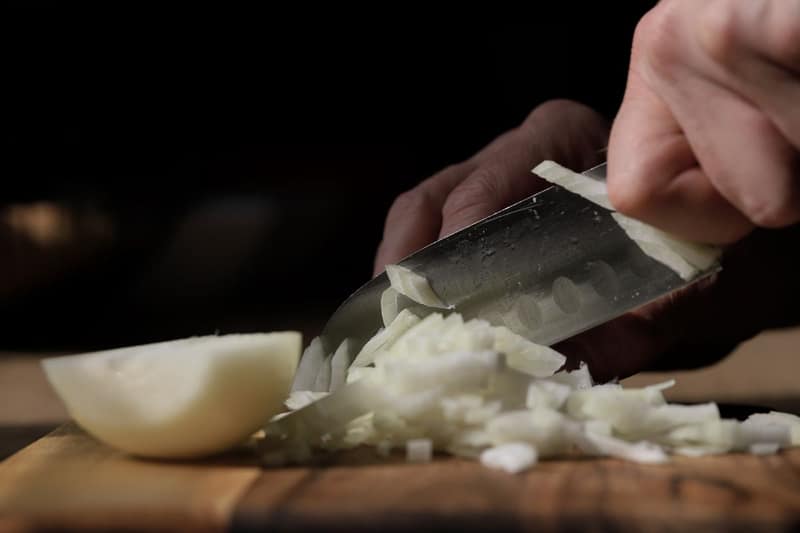
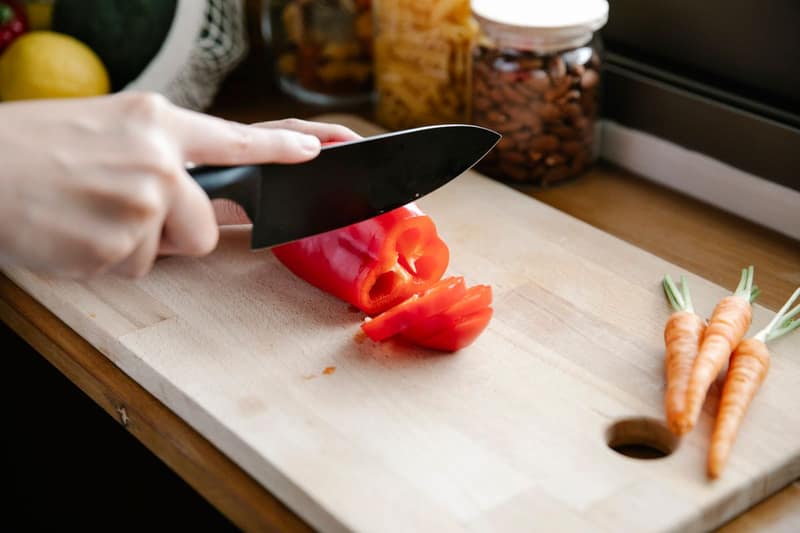
Prepare the toppings: mix the chopped tuna (opens in a new tab) with the spring onion (opens in a new tab) for negitoro, and slice the cucumber (opens in a new tab) paper-thin.
Food safety: Use only sashimi-grade fish from a trusted fishmonger, ideally previously frozen to kill parasites, keep it refrigerated until the last moment and eat it the day it is prepared. Raw fish is not recommended during pregnancy, for young children, older adults or anyone with weakened immunity.
How it looks · Photo: Christina & Peter on Pexels
Wrapping
18 minStep 4
Dip your hands in a bowl of water with a splash of vinegar. Take about 20 g of rice and press it gently into an oval about 4 cm long and 2 cm high. Dab a little wasabi (opens in a new tab) on top. Make 24.
- 10 min
Squeeze lightly — the rice should hold together but stay airy.
Step 5
Wrap a nori (opens in a new tab) strip, shiny side out, around each rice oval so that it stands about 1.5 cm above the rice. Seal the overlapping end with a crushed grain of rice.
- 8 min
To serve
5 minStep 6
Spoon the salmon roe (opens in a new tab) or negitoro into the nori (opens in a new tab) cups, tuck in a slice of cucumber (opens in a new tab) and serve immediately, before the nori softens, with soy sauce (opens in a new tab) and pickled ginger (opens in a new tab). Dip the topping side, not the rice, lightly in soy sauce.
- 5 min
How it looks · Photo: Sarah Chai on Pexels
At a glance
1 · Sushi rice in a pot
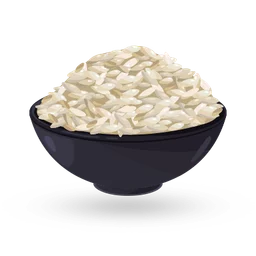 Short-grain rice
 Kombu (dried kelp)
 Rice vinegar
 Sugar
 Salt
then prepare
2 · Toppings in a bowl
 Salmon roe (ikura)
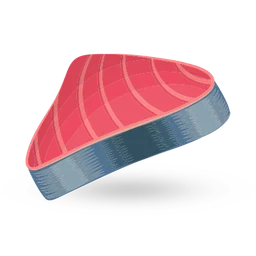 Tuna
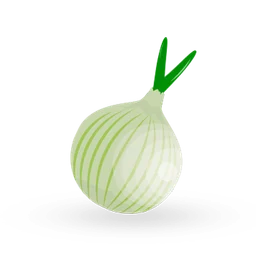 Spring onion
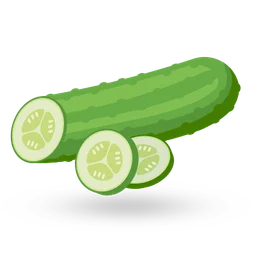 Cucumber
then dip
3 · Wrapping in a bowl
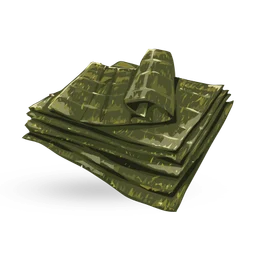 Nori
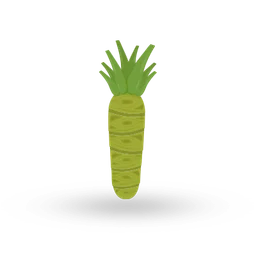 Wasabi
then spoon
4 · To serve in a bowl
 Soy sauce
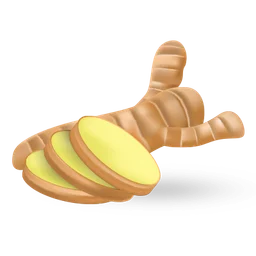 Pickled sushi ginger (gari)
About this dish
- Origin
- Ginza, Tokyo, Japan · Commonly attributedCredited to the Ginza sushi restaurant Kyubey in 1941, created so that soft toppings such as sea urchin and roe could be served as hand-held sushi.More food from Japan
Japan - Dish
- Lunch · Dinner · Rice dishes · Appetizers & starters
- Cooking method
- Boiled, Raw
- Taste
- umami, salty, fresh, sweet & sour
- Diet
- Pescatarian · Dairy-free · No nut ingredientsWithout the optional extras: Flexitarian-friendlyWorked out from the ingredients. How labels work
All labels
Pescatarian · Non-vegetarian · Dairy-free · Egg-free · No nut ingredients · Alcohol-free · Pork-free · Beef-free · Low-fat · Calorie-conscious - Good for
- Festive & celebration
- Cook more with
- Short-grain rice · Nori · Salmon roe (ikura) · Rice vinegar · Sugar · Wasabi
Allergens
- Contains: Fishfrom salmon roe (ikura), tuna
- Contains: Wheatfrom soy sauce
- Contains: Glutenfrom soy sauce
- Contains: Soyfrom soy sauce
- May contain: Mustardfrom wasabi
Based on typical versions of these ingredients and not verified allergen-free. Brands differ and cross-contact happens, so always check labels. For severe allergies, follow your clinician’s advice.
Nutrition
418 kcal per serving
Estimated1 serving ≈ 272 g · recipe makes 4
Where the energy comes from
- Protein 16%
- Carbohydrate 69%
- Fat 16%
| Nutrient | Per serving | Per 100 g* |
|---|---|---|
| Energy | 418 kcal | 154 kcal |
| Protein | 16.2 g | 6 g |
| Carbohydrate | 71.1 g | 26.1 g |
| Net carbohydrate | — | — |
| Sugars | — | — |
| Added sugars | — | — |
| Fibre | — | — |
| Fat | 7.3 g | 2.7 g |
| Saturated fat | 1.7 g | 0.6 g |
| Trans fat | — | — |
| Cholesterol | 221 mg | 81 mg |
| Sodium | 2100 mg | 771 mg |
| Salt equivalent | 5.3 g | 1.9 g |
Vitamins & minerals per serving
- Potassium
- 300 mg
- Calcium
- 131 mg
- Iron
- 5.6 mg
- Magnesium
- 152 mg
- Vitamin A (RAE)
- —
- Vitamin C
- 4 mg
- Vitamin D
- 1.1 µg
- Vitamin B12
- 7.5 µg
- Folate (DFE)
- 37 µg
How these numbers were made
- Calculated from USDA FoodData Central (SR Legacy) per-100 g values and the listed quantities.
- *Per 100 g of combined raw ingredients; the cooked dish may weigh more or less.
- Optional ingredients are not included: kombu (dried kelp), tuna, spring onion.
- Rice vinegar: Distilled vinegar (FDC 172237) used as a stand-in for unseasoned rice vinegar.
- Salmon roe (ikura): Granular black and red caviar (FDC 174188) used as a stand-in; salmon roe is a large-grained, lightly salted fish roe with a similar nutrient profile.
- Pickled sushi ginger (gari): Raw ginger root used as a stand-in; gari is young ginger thinly sliced and pickled in sweetened rice vinegar, so it carries a little added sugar.
- “—” means the value isn’t known for enough of the ingredients; it is never zero by default.
- Values are estimates for guidance, not for medical dosing. U.S. Department of Agriculture, Agricultural Research Service. FoodData Central, 2019. fdc.nal.usda.gov.
Good to know
Tips
- Keep the nori dry until the last moment and wrap the pieces just before serving.
- Salmon roe is already salted; season it no further.
Common mistakes
- Making the rice ovals too large, so the nori cannot stand high enough to hold the topping.
- Assembling too far ahead — the nori turns chewy within 20 minutes.
Food safety
- Use only sashimi-grade fish from a trusted fishmonger, ideally previously frozen to kill parasites, keep it refrigerated until the last moment and eat it the day it is prepared. Raw fish is not recommended during pregnancy, for young children, older adults or anyone with weakened immunity.
- Cooked rice can carry Bacillus cereus spores that survive cooking; cool leftover rice quickly and refrigerate it within an hour.
Storage
- Eat within an hour of making. Do not refrigerate assembled sushi; the rice hardens.
Variations
- Uni gunkan: Filled with sweet, creamy sea urchin — the topping the shape was invented for.
- Negitoro gunkan: Minced fatty tuna mixed with spring onion.
- Tobiko or kazunoko gunkan: Topped with crunchy flying-fish roe or seasoned herring roe.
- Corn-mayo gunkan: Sweetcorn bound with Japanese mayonnaise, a conveyor-belt sushi favourite with children.
Original editorial recipe · FriendsPantry editorial · source: TasteAtlas (dish facts) · Not yet independently reviewed · Added
Recipe DNA
How this dish is built
Built from the recipe’s own sections. Each band’s width is its share of the dish by weight. Choose a component to see what it does.
The staple
For the sushi rice
- Short-grain rice, Japanese sushi rice300 g
- Water330 ml · 330 g
- Kombu (dried kelp), a 5 cm square, wiped (optional)5 g
- Rice vinegar60 ml · 60 g
- Sugar2 tbsp · 25 g
- Salt1 tsp · 6 g
Reviews & corrections
Reviews come from signed-in cooks and appear after a moderator checks them. We never show made-up ratings.
You might also like
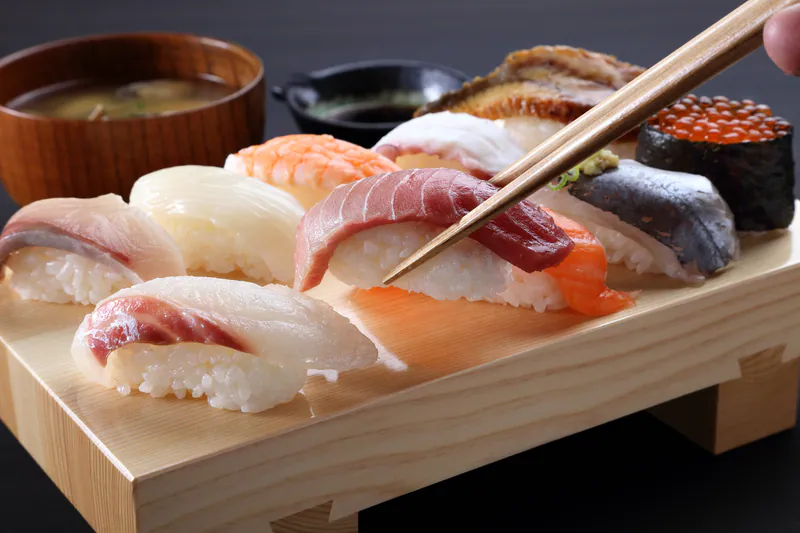
Nigiri sushi
 Japanese · 1 h 50 min · 468 kcal
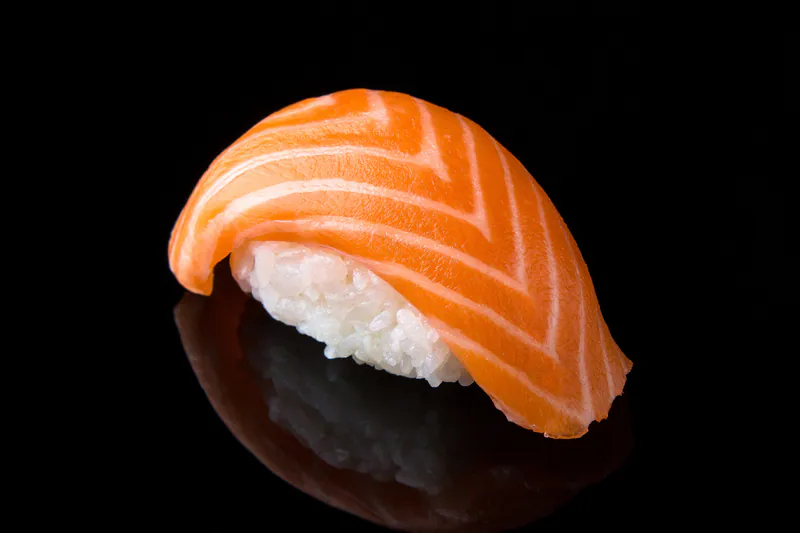
Salmon nigiri (sake nigiri)
Japanese · 1 h 40 min · 517 kcal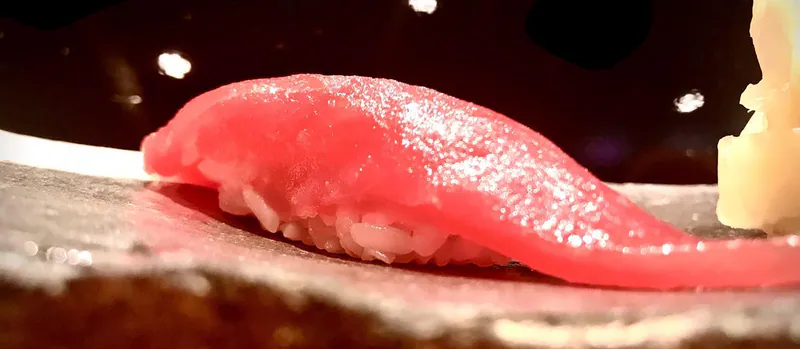
Maguro nigiri sushi (tuna nigiri)
Japanese · 1 h 35 min · 392 kcal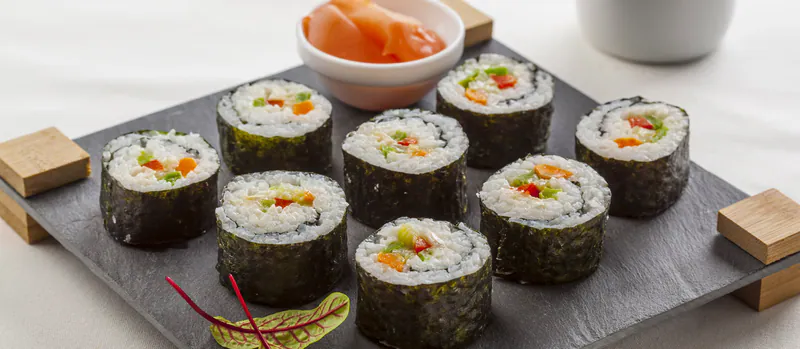
Futomaki (thick sushi rolls)
Japanese · 2 h · 586 kcal