
Chamchi gimbap (Korean tuna mayo rice rolls)
Non-vegetarian
참치김밥 · chamchi gimbap
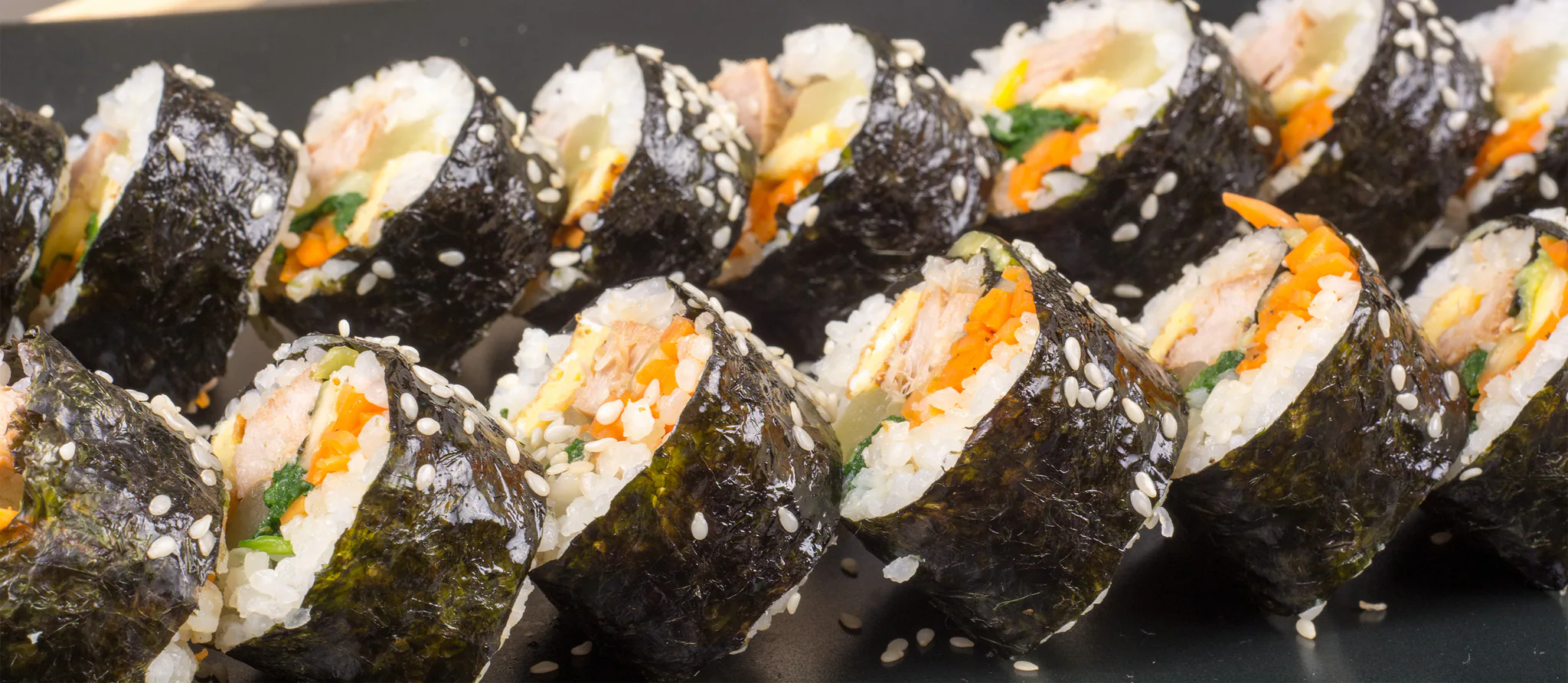
Seaweed rice rolls filled with canned tuna mixed with mayonnaise and a little mustard, alongside egg, carrot, spinach, pickled radish and cucumber, then sliced into bite-sized rounds. A favourite in Korean gimbap shops and lunchboxes.
Chamchi gimbap (Korean tuna mayo rice rolls) is a Korean rice dish from South Korea, ready in about 1 hour 5 minutes and made with short-grain rice, canned tuna and mayonnaise. It serves 4 and is rated intermediate to cook.
- Prep
- 35 min
- Cook
- 30 min
- Total
- 1 h 5 min
- Serves
- 4
- Level
- Intermediate
- Calories
- 711
Main ingredients
Ingredients
For the rice
For the tuna mayo
For the fillings
For rolling
Method
Rice
5 minStep 1
While the cooked rice is still warm, gently mix in 1½ tbsp sesame oil (opens in a new tab), ¾ tsp salt, the rice vinegar (opens in a new tab) and sesame seeds (opens in a new tab), cutting through the rice rather than mashing it. Cover and leave to cool to body temperature.
Food safety: Cooked rice can carry Bacillus cereus spores that survive cooking; cool leftover rice quickly and refrigerate it within an hour.
Tuna mayo
3 minStep 2
Mix the very well-drained tuna with the mayonnaise (opens in a new tab), mustard and pepper (opens in a new tab).
- 3 min
Fillings
12 minStep 3
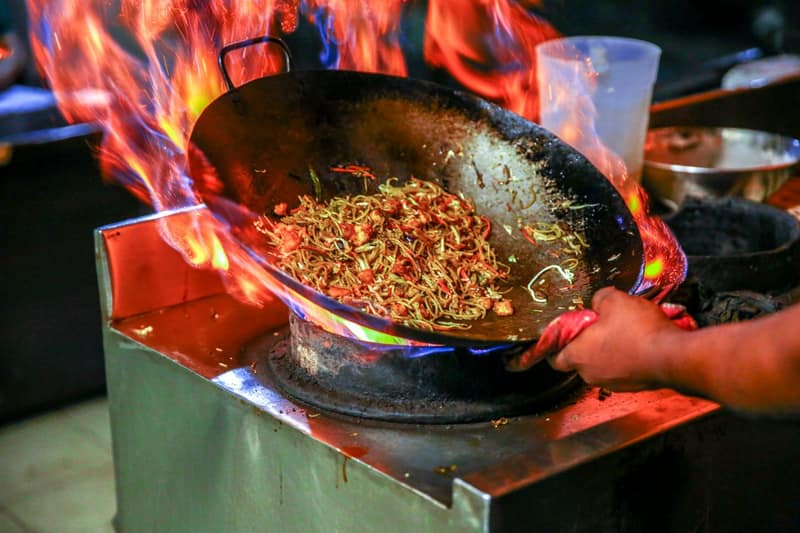
Cook the beaten egg (opens in a new tab) in a lightly oiled frying pan over low heat into a thin omelette, folding it to about 1 cm thick; cool and cut into long strips. Stir-fry the carrot (opens in a new tab) in a little oil with a pinch of salt for 1–2 minutes.
- 8 min
- low heat
- Frying pan / skillet (opens in a new tab)
How it looks · Photo: Aesthos AR. Photography on Pexels Step 4
Blanch the spinach (opens in a new tab) in boiling salted water for 20 seconds, rinse in cold water, squeeze dry and season with the remaining salt and a few drops of sesame oil (opens in a new tab).
Rolling
17 minStep 5
Lay a sheet of nori (opens in a new tab) shiny-side down on a bamboo mat or board. With damp hands, spread a quarter of the rice thinly over it, leaving a 3 cm strip bare at the far edge.
- 3 min
Step 6
Line up a quarter of the egg (opens in a new tab), carrot (opens in a new tab), spinach (opens in a new tab), pickled radish and cucumber (opens in a new tab) across the middle of the rice, then spoon a line of tuna mayo (opens in a new tab) on top. Roll up firmly from the near edge, pressing as you go, and seal with a few grains of rice. Repeat to make 4 rolls.
- 10 min
Lay a perilla or lettuce leaf under the tuna to stop the mayonnaise soaking into the rice.
Step 7
Brush the rolls lightly with sesame oil (opens in a new tab) and slice each into 8–10 rounds with a sharp, damp knife.
At a glance
1 · Rice in a pot
 Short-grain rice
 Toasted sesame oil
 Salt
 Rice vinegar
 Sesame seeds
then mix
2 · Tuna mayo in a bowl
 Canned tuna
 Mayonnaise
 Prepared mustard
 Black pepper
then cook
3 · Fillings in a pan
 Egg
 Carrot
 Spinach
 Danmuji (yellow pickled radish)
 Cucumber
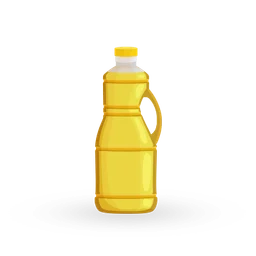 Neutral vegetable oil
- Salt
then lay
4 · Rolling in a bowl
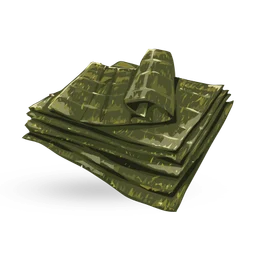 Nori
- Toasted sesame oil
About this dish
- Origin
- South Korea · Well documentedOne of the most popular variations of gimbap, made with canned tuna; often rolled with a perilla leaf to keep the tuna mayo from wetting the rice.More food from South Korea
South Korea - Dish
- Lunch · Snack · Rice dishes · Street food · Finger food
- Cooking method
- Boiled, Pan-fried, Blanched, No-cook
- Taste
- savoury, creamy, nutty, mild
- Diet
- Pescatarian · No gluten ingredients · Dairy-free · No nut ingredients · High-proteinWorked out from the ingredients. How labels work
All labels
Pescatarian · Non-vegetarian · No gluten ingredients · Dairy-free · No nut ingredients · No added sugar · Alcohol-free · Pork-free · Beef-free · High-protein - Good for
- Portable / lunchbox · Child-friendly · Meal-prep friendly
- Cook more with
- Short-grain rice · Canned tuna · Mayonnaise · Nori · Toasted sesame oil · Sesame seeds
- Techniques
- Pan-frying · Stir-frying · Boiling · Blanching · Pickling
Allergens
- Contains: Eggsfrom mayonnaise, egg
- Contains: Fishfrom canned tuna
- Contains: Sesamefrom toasted sesame oil, sesame seeds
- Contains, can be adapted: Mustardfrom mayonnaise, prepared mustard
- May contain: Sulphitesfrom prepared mustard
Based on typical versions of these ingredients and not verified allergen-free. Brands differ and cross-contact happens, so always check labels. For severe allergies, follow your clinician’s advice.
Nutrition
711 kcal per serving
Estimated1 serving ≈ 319 g · recipe makes 4
Where the energy comes from
- Protein 16%
- Carbohydrate 48%
- Fat 37%
| Nutrient | Per serving | Per 100 g* |
|---|---|---|
| Energy | 711 kcal | 223 kcal |
| Protein | 27.9 g | 8.7 g |
| Carbohydrate | 83.9 g | 26.3 g |
| Net carbohydrate | — | — |
| Sugars | — | — |
| Added sugars | 0 g | 0 g |
| Fibre | — | — |
| Fat | 28.6 g | 9 g |
| Saturated fat | 4.8 g | 1.5 g |
| Trans fat | — | — |
| Cholesterol | 174 mg | 54 mg |
| Sodium | 1123 mg | 352 mg |
| Salt equivalent | 2.8 g | 0.9 g |
Vitamins & minerals per serving
- Potassium
- 591 mg
- Calcium
- 111 mg
- Iron
- 4.3 mg
- Magnesium
- 88 mg
- Vitamin A (RAE)
- —
- Vitamin C
- 17 mg
- Vitamin D
- 1.7 µg
- Vitamin B12
- 2.3 µg
- Folate (DFE)
- 115 µg
How these numbers were made
- Calculated from USDA FoodData Central (SR Legacy) per-100 g values and the listed quantities.
- *Per 100 g of combined raw ingredients; the cooked dish may weigh more or less.
- Optional ingredients are not included: rice vinegar, prepared mustard, cucumber.
- Danmuji (yellow pickled radish): Raw daikon used as a stand-in; danmuji is daikon pickled with salt, sugar and vinegar, so sugar and sodium are understated.
- “—” means the value isn’t known for enough of the ingredients; it is never zero by default.
- Values are estimates for guidance, not for medical dosing. U.S. Department of Agriculture, Agricultural Research Service. FoodData Central, 2019. fdc.nal.usda.gov.
Good to know
Tips
- Squeeze the tuna really dry — wet tuna makes soggy rolls that fall apart.
- Wipe the knife with a damp cloth between cuts for clean slices.
Common mistakes
- Spreading the rice too thickly, which makes the rolls burst.
- Overfilling the rolls.
Serve with
- Serve with kimchi, danmuji and a bowl of clear fish-cake soup (eomuk-guk) or ramyeon.
Food safety
- Cooked rice can carry Bacillus cereus spores that survive cooking; cool leftover rice quickly and refrigerate it within an hour.
- Gimbap with mayonnaise fillings should not sit in warm weather for more than 2 hours; keep packed lunches cool.
Storage
- Best eaten within 4–6 hours at cool room temperature; refrigerating hardens the rice.
Reheating
- Day-old slices can be dipped in beaten egg and pan-fried until golden and hot.
Variations
- Chamchi gimbap with perilla: Perilla (kkaennip) leaves wrap the tuna for a minty, herbal note.
- Spicy tuna gimbap: Gochujang or chopped green chilli mixed into the tuna mayo.
- Cheese gimbap: A slice of cheese rolled in with the tuna, popular with children.
Original editorial recipe · FriendsPantry editorial · source: TasteAtlas (dish facts) · Not yet independently reviewed · Added
Sauces, chutneys & dips for this dish
Recipe DNA
How this dish is built
Built from the recipe’s own sections. Each band’s width is its share of the dish by weight. Choose a component to see what it does.
What goes inside
For the fillings
- Egg, beaten with a pinch of salt3 piece · 150 g
- Carrot, cut into thin matchsticks1 piece · 60 g
- Spinach150 g
- Danmuji (yellow pickled radish), strips the length of the nori4 piece · 80 g
- Cucumber, seeded and cut into long strips (optional)0.5 piece · 150 g
- Neutral vegetable oil1 tbsp · 14 g
- Salt0.5 tsp · 3 g
Reviews & corrections
Reviews come from signed-in cooks and appear after a moderator checks them. We never show made-up ratings.
You might also like
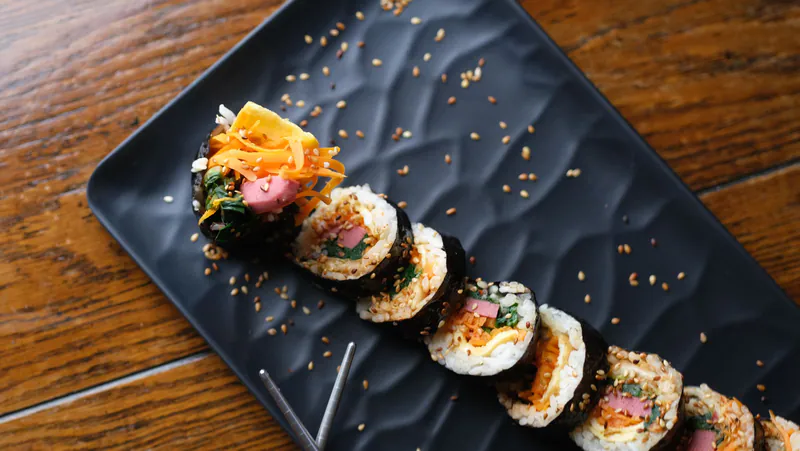
Kimbap
 Korean · 1 h · 384 kcal
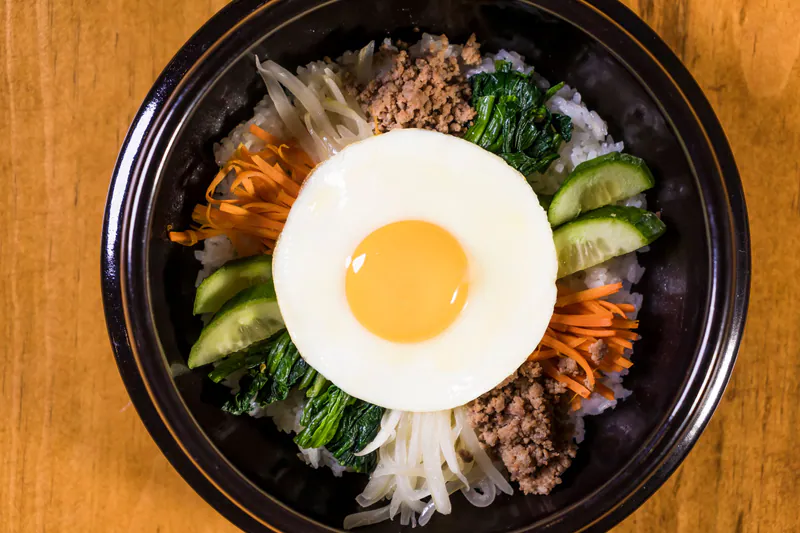
Bibimbap
Korean · 1 h · 657 kcal
Tteokbokki
Korean · 25 min · 473 kcal
Japchae
Korean · 45 min · 464 kcal