

Tripas à moda do Porto (Porto tripe and bean stew)
Non-vegetarian
Tripas à moda do Porto
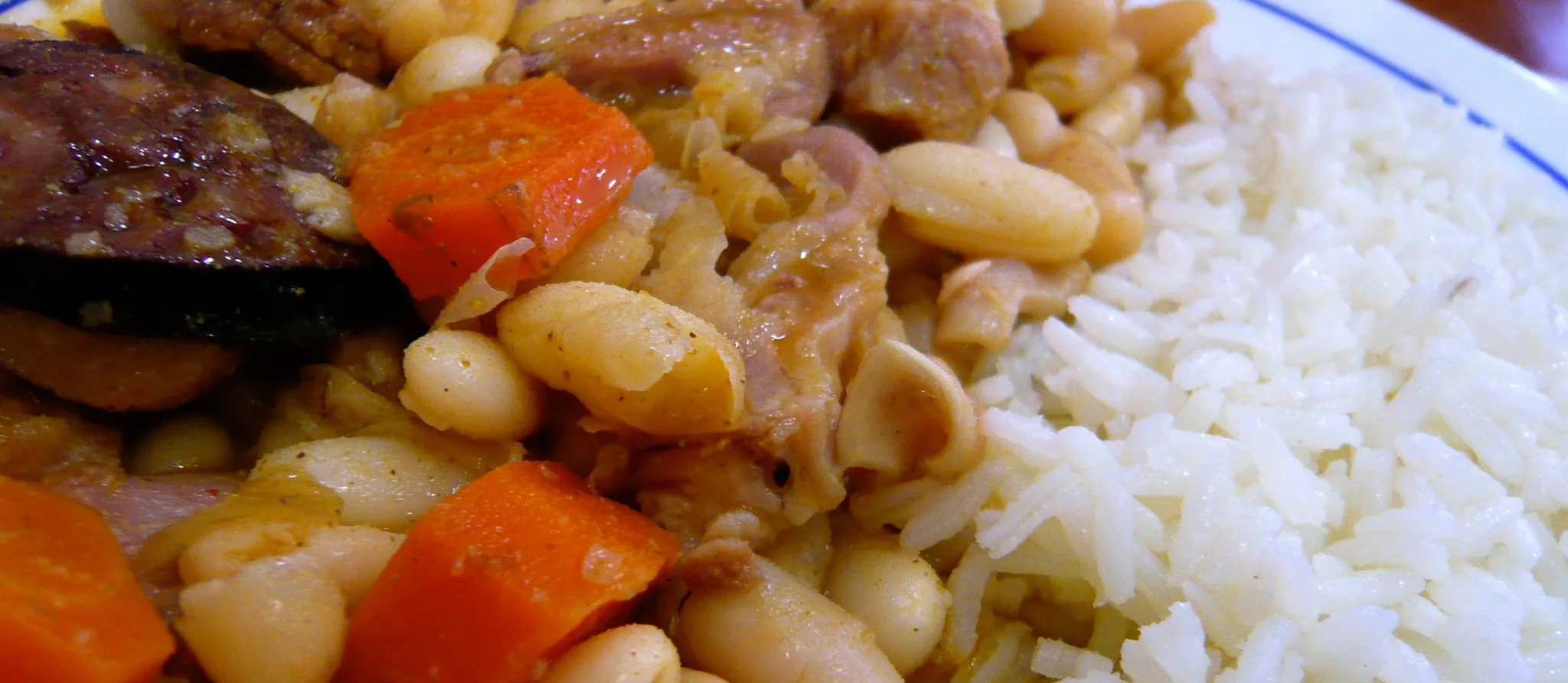
A rich, slow-cooked stew of beef tripe, white beans, chicken and several cuts of cured and fresh pork, coloured with paprika and scented with cumin, served over plain rice. It is the emblem of Porto, whose people have been nicknamed tripeiros, tripe-eaters, for centuries.
Tripas à moda do Porto (Porto tripe and bean stew) is a Portuguese stew from Portugal, ready in about 4 hours 25 minutes and made with beef tripe, chorizo and dried white beans. It serves 8 and is rated advanced to cook.
- Prep
- 40 min
- Cook
- 3 h 30 min
- Rest
- 15 min
- Total
- 4 h 25 min
- Serves
- 8
- Level
- Advanced
- Calories
- 1080
Plus overnight soaking for the beans.
Main ingredients
Ingredients
For the meats
For the beans
For the stew
To serve
Method
Meats
2 h 12 minStep 1
Scrub the tripe (opens in a new tab) well with the cut lemon (opens in a new tab) and salt, rinse thoroughly, then blanch in boiling water for 5 minutes and drain.
- 12 min
- high heat
- Stockpot / large pot (opens in a new tab)
Food safety: Buy tripe already cleaned and blanched (dressed) from a butcher, rinse it well, and cook it until completely tender; refrigerate leftovers within 2 hours.
Step 2
Put the tripe (opens in a new tab), pork knuckle (opens in a new tab) and pig's ear (opens in a new tab) in a large pot, cover with fresh water and simmer, skimming, for 2 hours. Add the chicken, chouriço (opens in a new tab) and presunto (opens in a new tab) for the last 40 minutes. The tripe should be very tender.
- 120 min
- low heat
- Stockpot / large pot (opens in a new tab)
A pressure cooker cuts this to about 45 minutes.
Beans
1 h 25 minStep 3
Meanwhile cook the drained beans with the bay leaves (opens in a new tab) in fresh unsalted water until tender but whole, 60–80 minutes. Salt them towards the end and keep in their liquid.
- 70 min
- low heat
- Saucepan (opens in a new tab)
Step 4
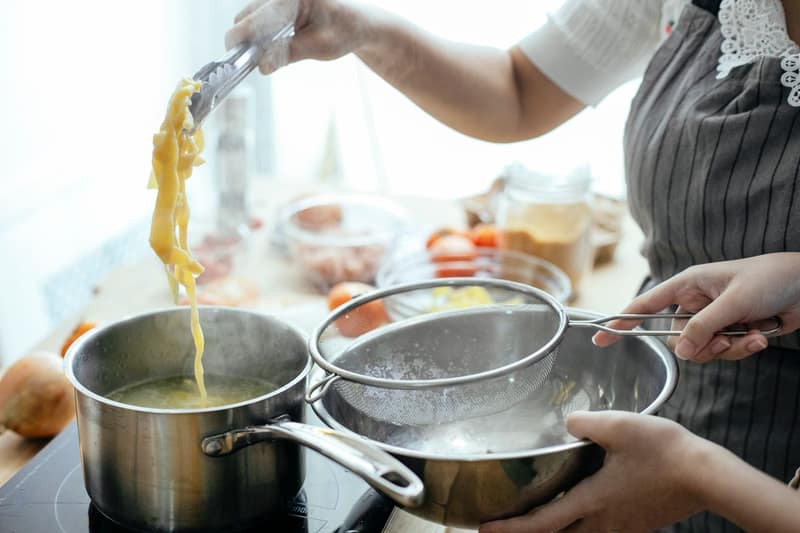
Lift out the meats. Strain and keep the broth. Take the meat off the knuckle and chicken bones, discard skin and bones, and cut all the meats, including the chouriço (opens in a new tab) and presunto (opens in a new tab), into bite-sized pieces.
Food safety: Cook chicken until it reaches 74 °C in the thickest part, and keep raw chicken and its juices away from ready-to-eat food.
How it looks · Photo: Katerina Holmes on Pexels
Stew
42 minStep 5
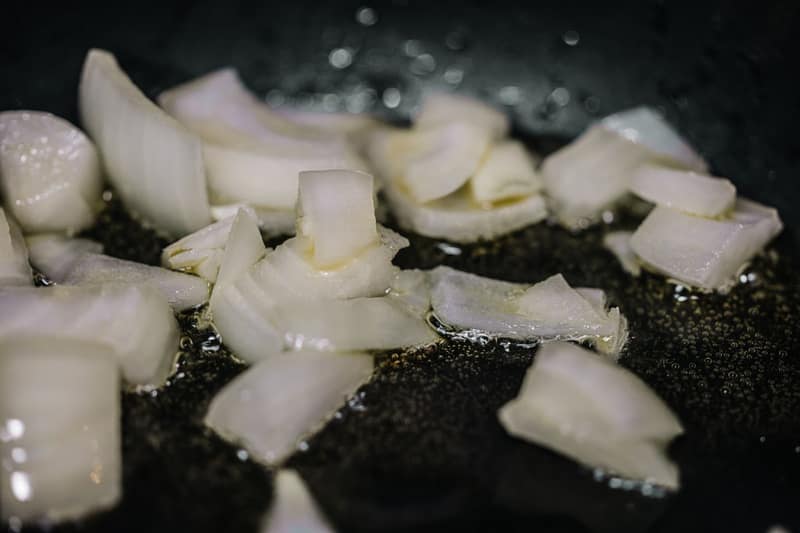
In a wide heavy pot, soften the onion (opens in a new tab), garlic (opens in a new tab) and carrot (opens in a new tab) in the olive oil (opens in a new tab) for 10 minutes. Stir in the tomato paste (opens in a new tab), paprika (opens in a new tab), cumin and pepper (opens in a new tab) for a minute.
- 12 min
- medium-low heat
- Dutch oven / casserole pot (opens in a new tab)
How it looks · Photo: Magda Ehlers on Pexels Step 6
Add the tripe (opens in a new tab) and meats, the drained beans and about 750 ml of the tripe broth. Simmer gently for 30 minutes until the sauce is thick and glossy, adding more broth if needed. Taste for salt, stir in the parsley (opens in a new tab) and rest 15 minutes.
- 30 min
- low heat
- Dutch oven / casserole pot (opens in a new tab)
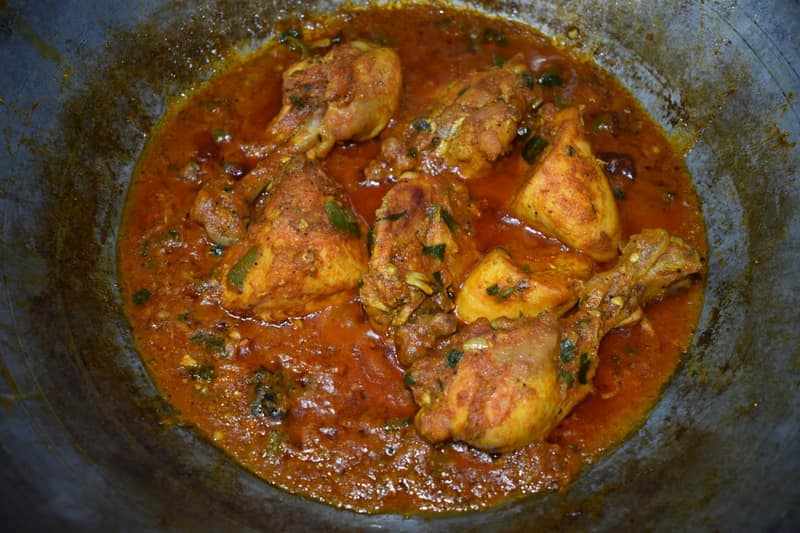
How it looks · Photo: Bachir Mamud on Pexels
To serve
15 minStep 7
While the stew rests, cook the rice in plenty of salted water or by absorption until fluffy, about 15 minutes.
- 15 min
- medium-low heat
- Saucepan (opens in a new tab)
Food safety: Cooked rice can carry Bacillus cereus spores that survive cooking; cool leftover rice quickly and refrigerate it within an hour.
At a glance
1 · Meats in a pot
 Beef tripe
 Lemon
 Pork knuckle (ham hock, fresh)
 Chicken pieces, skin-on
 Chorizo
 Prosciutto / dry-cured ham
- Pig's ear
 Salt
then cook
2 · Beans in a pot
 Dried white beans
 Bay leaves
then soften
3 · Stew in a pot
 Olive oil
 Onion
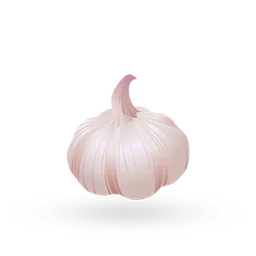 Garlic
 Carrot
 Tomato paste
 Paprika
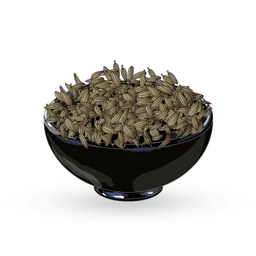 Ground cumin
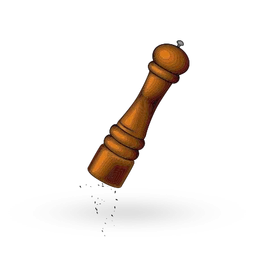 Black pepper
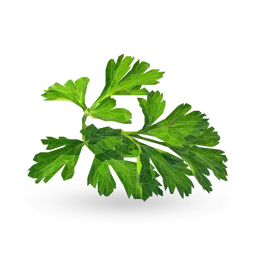 Parsley
then cook
4 · To serve in a pan
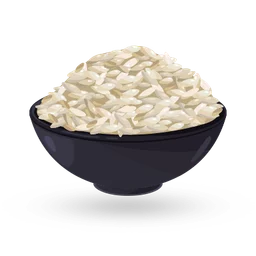 Long-grain white rice
About this dish
- Origin
- Porto, Portugal · Commonly attributedLegend says Porto gave its meat to supply Henry the Navigator's fleet for the 1415 conquest of Ceuta and kept only the offal; the story is popular rather than documented, but the nickname tripeiros is old.More food from Portugal
Portugal - Dish
- Lunch · Dinner · Stews & braises · Main courses
- Cooking method
- Boiled, Simmered, Stewed
- Taste
- rich, savoury, smoky, aromatic / warmly spiced
- Diet
- No gluten ingredients · Dairy-free · No nut ingredients · High-proteinWorked out from the ingredients. How labels work
All labels
Non-vegetarian · No gluten ingredients · Dairy-free · Egg-free · No nut ingredients · No added sugar · Alcohol-free · High-protein - Good for
- Batch cooking · Make-ahead · Festive & celebration
- Cook more with
- Beef tripe · Chorizo · Dried white beans · Ground cumin · Lemon · Pork knuckle (ham hock, fresh)
Allergens
- May contain: Sulphitesfrom chorizo
Based on typical versions of these ingredients and not verified allergen-free. Brands differ and cross-contact happens, so always check labels. For severe allergies, follow your clinician’s advice.
Nutrition
1080 kcal per serving
Estimated1 serving ≈ 505 g · recipe makes 8
Where the energy comes from
- Protein 28%
- Carbohydrate 25%
- Fat 46%
| Nutrient | Per serving | Per 100 g* |
|---|---|---|
| Energy | 1080 kcal | 214 kcal |
| Protein | 75.3 g | 14.9 g |
| Carbohydrate | 68.1 g | 13.5 g |
| Net carbohydrate | 58.1 g | 11.5 g |
| Sugars | 3.7 g | 0.7 g |
| Added sugars | 0 g | 0 g |
| Fibre | 10 g | 2 g |
| Fat | 55.1 g | 10.9 g |
| Saturated fat | 17 g | 3.4 g |
| Trans fat | — | — |
| Cholesterol | 296 mg | 59 mg |
| Sodium | 1160 mg | 229 mg |
| Salt equivalent | 2.9 g | 0.6 g |
Vitamins & minerals per serving
- Potassium
- 2069 mg
- Calcium
- 200 mg
- Iron
- 14.4 mg
- Magnesium
- 181 mg
- Vitamin A (RAE)
- 248 µg
- Vitamin C
- 21 mg
- Vitamin D
- —
- Vitamin B12
- 10.3 µg
- Folate (DFE)
- 369 µg
How these numbers were made
- Calculated from USDA FoodData Central (SR Legacy) per-100 g values and the listed quantities.
- *Per 100 g of combined raw ingredients; the cooked dish may weigh more or less.
- Optional ingredients are not included: pig's ear, tomato paste.
- Beef tripe: Raw beef heart (FDC 168625) used as a stand-in; cleaned beef tripe is similar in fat but lower in protein and energy (roughly 85 kcal and 12 g protein per 100 g).
- Pork knuckle (ham hock, fresh): Fresh pork shoulder, lean and fat (FDC 167843) used as a stand-in; a fresh knuckle has more skin, collagen and bone.
- Prosciutto / dry-cured ham: Cured ham, lean and fat, unheated (FDC 167875) used as a stand-in for air-dried prosciutto/jamón; real dry-cured ham is drier and saltier.
- “—” means the value isn’t known for enough of the ingredients; it is never zero by default.
- Values are estimates for guidance, not for medical dosing. U.S. Department of Agriculture, Agricultural Research Service. FoodData Central, 2019. fdc.nal.usda.gov.
Good to know
Tips
- Like most stews it is even better the next day, so many Porto families cook it a day ahead.
- Dressed tripe from a butcher is already bleached and partly cooked; check how long yours needs, as times vary.
Common mistakes
- Undercooking the tripe, which stays rubbery; it should yield easily to a fork.
Serve with
- Serve in deep plates over white rice with a green wine (vinho verde) or a robust Douro red.
Food safety
- Buy tripe already cleaned and blanched (dressed) from a butcher, rinse it well, and cook it until completely tender; refrigerate leftovers within 2 hours.
- Cook pork until it reaches at least 63 °C in the centre (71 °C for minced pork) and refrigerate leftovers within 2 hours.
Storage
- Keeps 3 days refrigerated; freezes well for 3 months.
Reheating
- Reheat gently with a splash of broth or water until bubbling hot.
Variations
- Dobrada: The Lisbon cousin, usually made with tripe and chickpeas instead of white beans.
History
Tripe has been linked to Porto since at least the 15th century, and the dish is still served every year at the city's festival of São João and at the Confraria Gastronómica das Tripas.
Confidence: Commonly attributed
Original editorial recipe · FriendsPantry editorial · source: TasteAtlas (dish facts) · Not yet independently reviewed · Added
Recipe DNA
How this dish is built
Built from the recipe’s own sections. Each band’s width is its share of the dish by weight. Choose a component to see what it does.
What the dish is built around
For the meats
- Beef tripe, dressed (cleaned) honeycomb and blanket tripe, cut into 3 cm squares800 g
- Lemon, halved1 piece · 85 g
- Pork knuckle (ham hock, fresh), fresh, split by the butcher (about 700 g)1 piece · 1200 g
- Chicken pieces, skin-on, legs or half a boiling hen500 g
- Chorizo, Portuguese chouriço, in one piece150 g
- Prosciutto / dry-cured ham, presunto, in one piece or thick slices100 g
- Pig's ear, singed and scrubbed (optional)1 piece · 250 g
- Salt2 tsp · 12 g
Reviews & corrections
Reviews come from signed-in cooks and appear after a moderator checks them. We never show made-up ratings.
You might also like
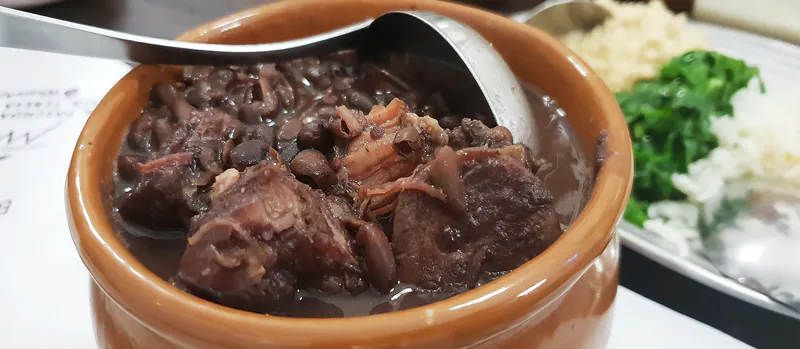
Feijoada
 Brazilian · 3 h 25 min · 573 kcal
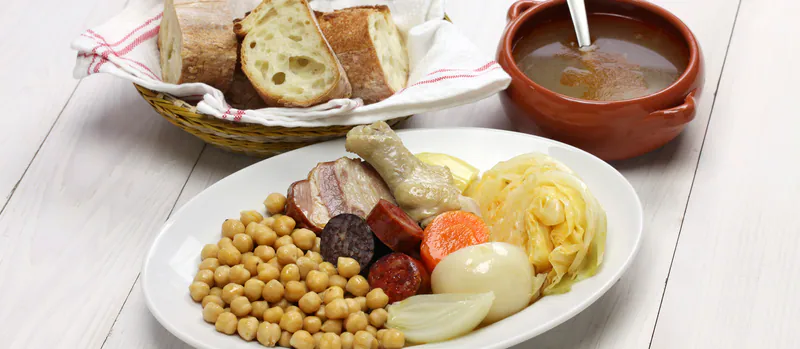
Cocido madrileño (Madrid chickpea and meat stew)
 Spanish · 4 h 30 min · 857 kcal
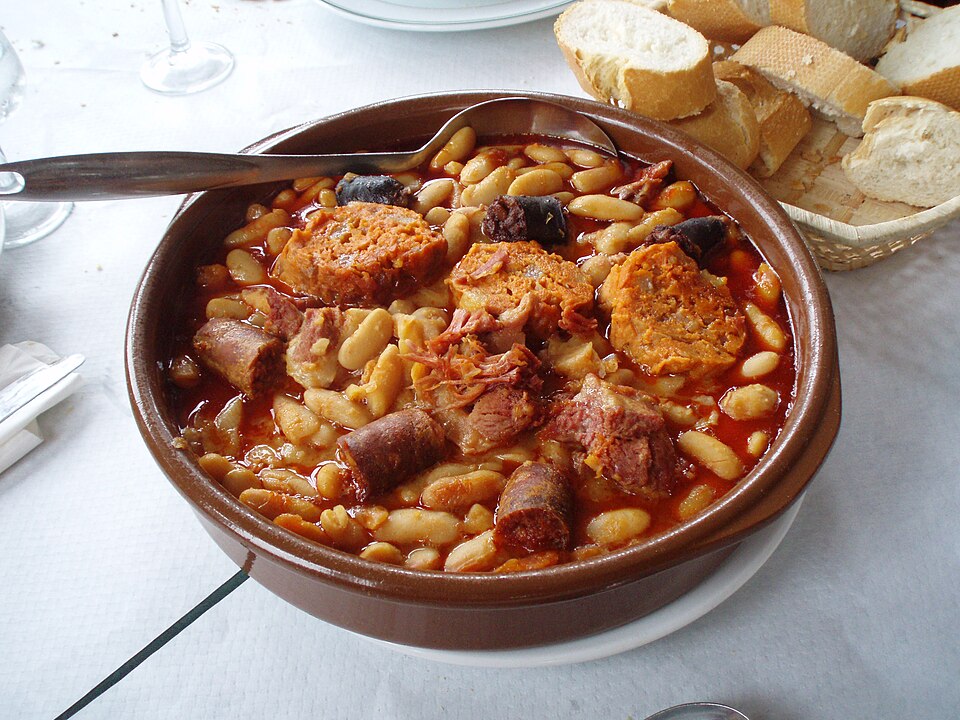
Fabada asturiana
Spanish · 1 h 35 min · 581 kcal
Pollo arvejado (Chilean chicken and pea stew)
 Chilean · 1 h 15 min · 1191 kcal