
Meat · Offal
Pig's ear
Pig's ears, simmered until soft, then sliced into cold salads, crisp-fried or grilled.
Also called: pig ears, pig's ears, pork ear, orelha de porco, oreja de cerdo
Around the world: orelha de porco (pt) · oreja de cerdo (es)
A kind of pork
What it is
The ears of the pig, sold cleaned and scalded. They are mainly skin and a thin sheet of cartilage. After long simmering they are sliced into thin strips for Chinese cold dishes, Spanish oreja a la plancha, Filipino sisig and Portuguese salads, or fried until crisp.
How it’s used
- Sisig (chopped, grilled pig's ear and face)
- Oreja a la plancha (griddled with garlic and paprika)
- Chinese cold sliced pig's ear with chilli oil
- Portuguese orelha de porco salad
Characteristics
- Taste
- Mild and porky; takes on marinades well.
- Texture
- Gelatinous skin with a crunchy cartilage centre.
- When cooked
- Simmer for 1.5–2 hours until tender; it slices most neatly once cold.
- Sold as
- fresh, frozen, smoked
- Cooking uses
- Commonly cooked, Suitable for boiling, Suitable for frying, Suitable for grilling
- Common in
- Filipino, Spanish, Portuguese, Chinese, Southern US
Storage
Refrigerated. Cook within 2 days or freeze; cooked ears keep 3–4 days in the fridge.
Diet, allergens and safety
No major allergens in typical versions.
- Vegetarian
- Vegan
- Dairy-free
- Egg-free
- Gluten-free
- Nut-free
- Soy-free
- Caffeine-free
- Offal spoils faster than muscle meat: buy it very fresh, keep it cold and cook it within a day, or freeze it.
- Cook offal right through to at least 71 °C (160 °F); store raw on the bottom shelf of the fridge and keep separate boards for raw meat.
Substitutes
Optional — what works if you don’t have it, and how it changes the dish.
- Pork belly — For sisig if pig's ear is not available; less crunch.
- Pork knuckle (ham hock, fresh) — For the gelatinous skin.
Related ingredients

Recipes with pig's ear
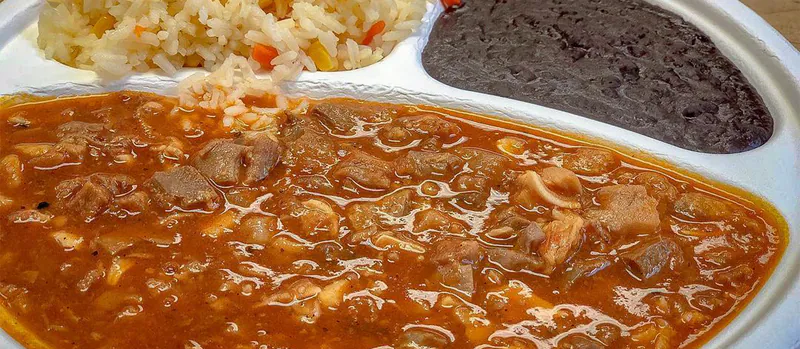
Revolcado (Guatemalan pork head and offal stew)
 Guatemalan · 3 h · 442 kcal
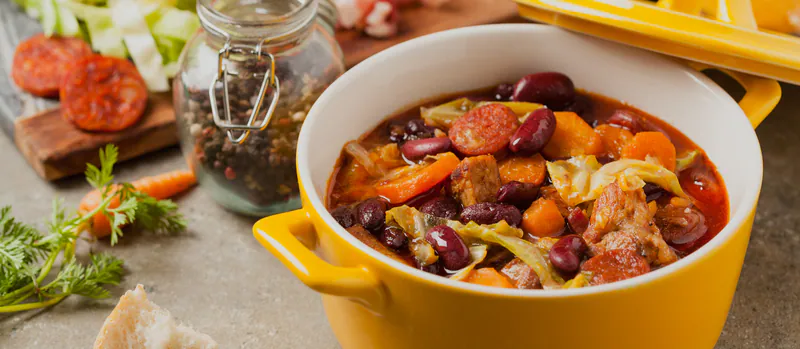
Sopa da pedra (Portuguese stone soup)
 Portuguese · 2 h 55 min · 503 kcal
Souse (Trinidad pickled pork with cucumber and lime)
 Trinidadian · 3 h 30 min · 169 kcal
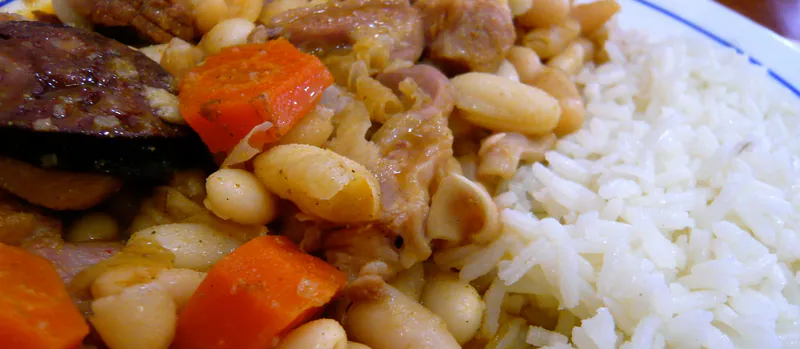
Tripas à moda do Porto (Porto tripe and bean stew)
Portuguese · 4 h 25 min · 1080 kcal
More offal
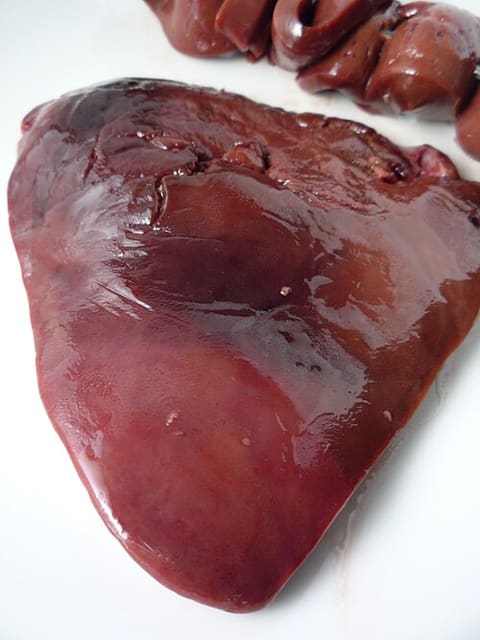
Offal
Lamb liver
Tender, mild offal that cooks in minutes; pan-fried with onions or spiced as kaleji and ciğer.
5 recipes
Offal
Beef heart
Lean, dense beef organ meat with a steak-like taste; sliced thin for anticuchos or slow-braised.
1 recipe
Offal
Foie gras (raw duck or goose liver)
The fattened liver of a duck or goose; seared in slices or made into terrines and pâtés.
1 recipe
Offal
Lamb heart
A lean, dense and inexpensive lamb organ that tastes like lean meat; grilled quickly or braised slowly.
1 recipe
Offal
Lamb intestines (cleaned)
Cleaned lamb intestines, used as sausage casings or wrapped and grilled in dishes such as kokoretsi.
1 recipe
Offal
Lamb sweetbreads
The pale, creamy thymus glands of young lamb; blanched, then fried until crisp outside and soft within.
1 recipe
Offal
Beef tripe
The cleaned stomach lining of cattle, sold blanched; simmered for hours in soups and stews.
12 recipes
Offal
Beef kidney
Ox kidney with a strong, earthy flavour; the kidney in steak and kidney pie and Spanish riñones al jerez.
1 recipe