
 Chinese · Cantonese · Main courses
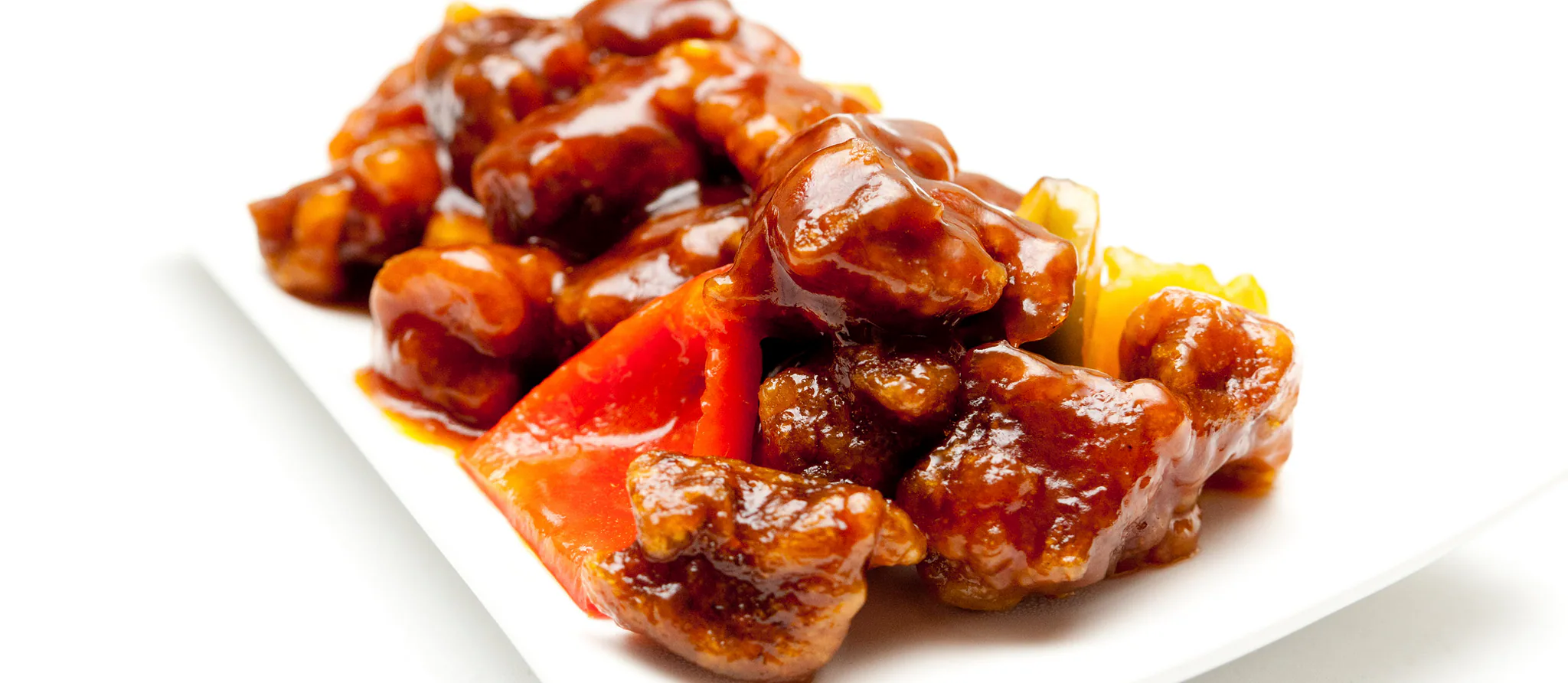
Tang cu pai gu (sweet and sour spare ribs)
Non-vegetarian
糖醋排骨 · tángcù páigǔ
Bite-sized pork rib pieces marinated, fried until crisp and then glazed in a glossy sauce of vinegar, sugar and soy, finished with sesame seeds. A celebratory Chinese dish, often served at New Year.
Tang cu pai gu (sweet and sour spare ribs) is a Chinese main course from China, ready in about 1 hour 20 minutes and made with pork spare ribs, rice vinegar and sugar. It serves 4 and is rated intermediate to cook.
- Prep
- 15 min
- Cook
- 35 min
- Rest
- 30 min
- Total
- 1 h 20 min
- Serves
- 4
- Level
- Intermediate
- Calories
- 767
Main ingredients

Ingredients
For the ribs
For the marinade
For frying
For the sauce
To finish
Method
Marinade
5 minStep 1
Rinse the rib pieces and pat dry. Mix with the Shaoxing wine (opens in a new tab), soy sauce (opens in a new tab), ginger, salt and white pepper (opens in a new tab) and marinate for 30 minutes. Discard the ginger and toss the ribs in the cornstarch (opens in a new tab) until coated.
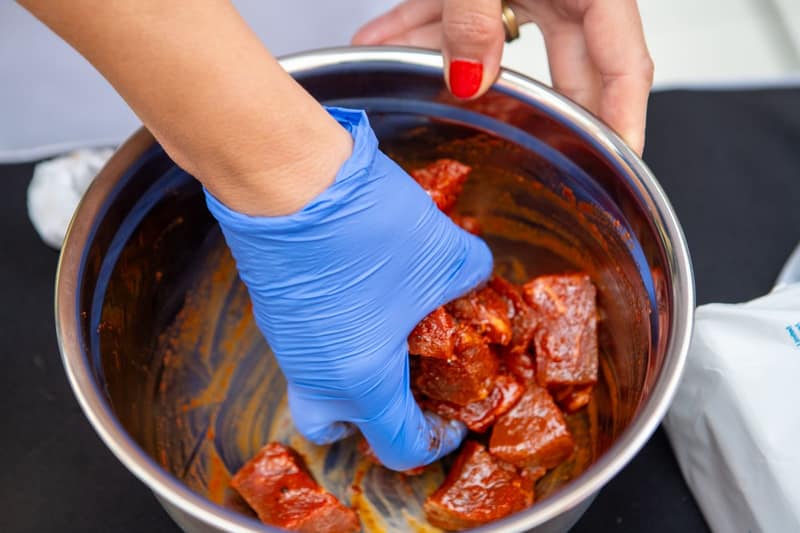
How it looks · Photo: Ip Photographer on Pexels
Frying
15 minStep 2
Heat the oil in a wok (opens in a new tab) to 170 °C. Fry the ribs in two batches for 5–6 minutes until golden and cooked through. Lift out, raise the oil to 190 °C and fry all the ribs again for 1 minute until crisp. Drain.
- 15 min
- 170°C · then 190 °C for the second fry
- Wok (opens in a new tab)
- Slotted spoon (opens in a new tab)
- Food thermometer (opens in a new tab)
Food safety: Use a deep, heavy pan no more than one-third full of oil, keep a lid nearby, never leave hot oil unattended and never put water on an oil fire.
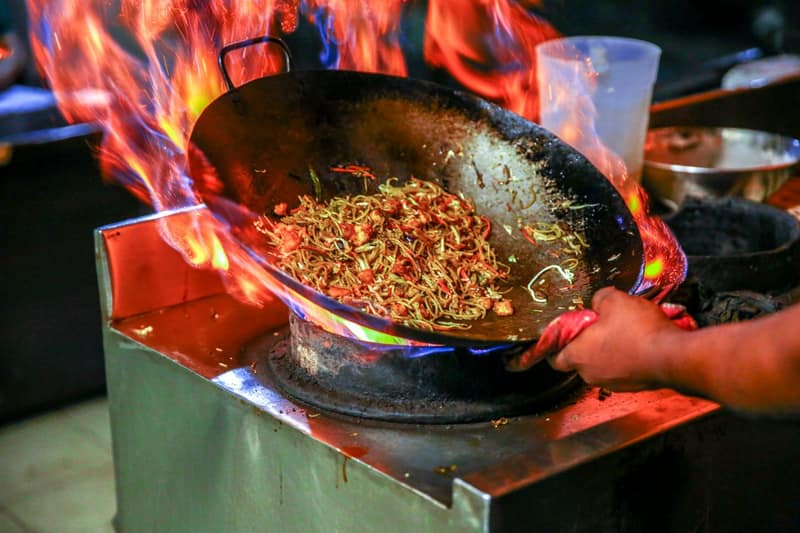
How it looks · Photo: Aesthos AR. Photography on Pexels
Sauce
10 minStep 3
Pour off all but 1 tbsp oil. Fry the garlic (opens in a new tab) for a few seconds, then add the vinegar, sugar (opens in a new tab), soy sauce (opens in a new tab), Shaoxing wine (opens in a new tab) and water and bring to the boil.
- 2 min
- medium-high heat
Step 4
Return the ribs to the wok (opens in a new tab) and toss over high heat for 5–8 minutes as the sauce reduces, until it turns thick, glossy and clings to every piece.
- 8 min
- high heat
Watch the final minute closely — the sugar can catch once most of the liquid has gone.
To finish
1 minStep 5
Toss in the spring onion (opens in a new tab) and sesame seeds (opens in a new tab) and serve hot or at room temperature.
- 1 min
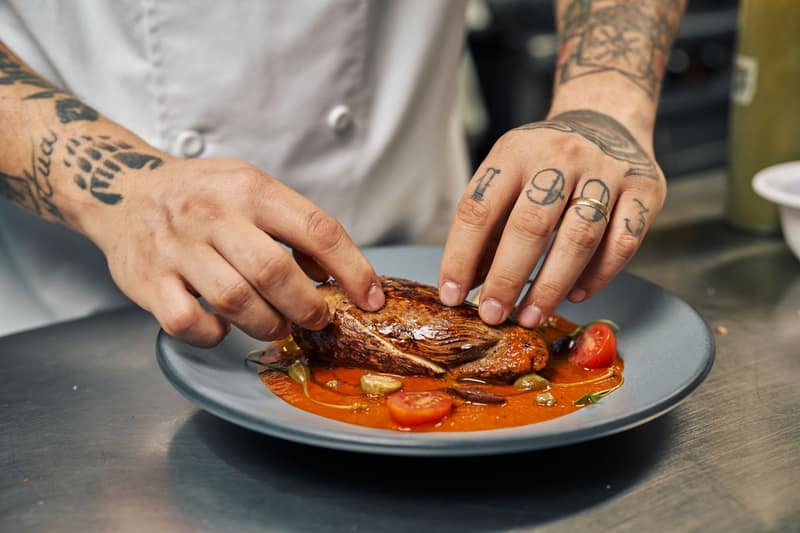
How it looks · Photo: Willians Huerta on Pexels
At a glance
1 · Marinade in a bowl
 Shaoxing wine
 Soy sauce
 Fresh ginger
 Salt
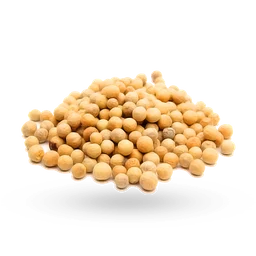 White pepper
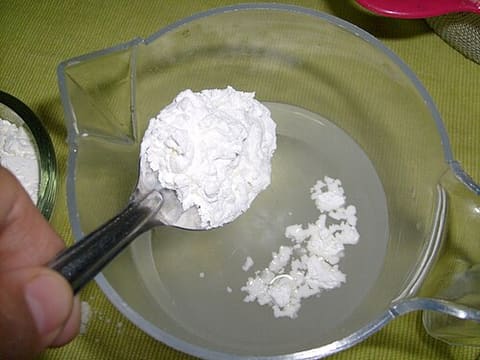 Cornstarch
then heat
2 · Frying in a pan
 Neutral vegetable oil
then pour
3 · Sauce in a pan
 Rice vinegar
 Sugar
- Soy sauce
- Shaoxing wine
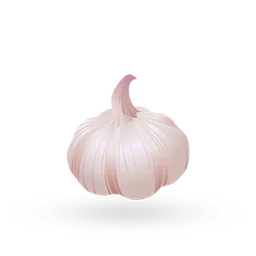 Garlic
then toss
4 · To finish in a bowl
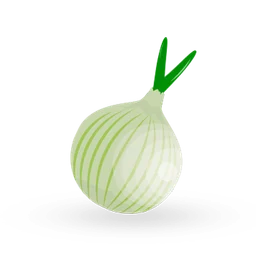 Spring onion
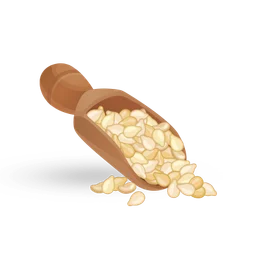 Sesame seeds
About this dish
- Origin
- Guangdong and Jiangnan, China · Commonly attributedCantonese restaurants serve a fried version (saang chaau paai gwat) coated in sweet and sour sauce; the dark, vinegar-glazed tángcù páigǔ is a Shanghai and Jiangnan home favourite. This recipe follows the home-style glazed method.Also popular in Taiwan, Hong KongMore food from China
China - Dish
- Dinner · Lunch · Main courses · Appetizers & starters
- Cooking method
- Marinated / cured, Deep-fried, Braised
- Taste
- sweet & sour, savoury, rich
- Diet
- Dairy-free · No nut ingredients · High-proteinWorked out from the ingredients. How labels work
All labels
Non-vegetarian · Dairy-free · Egg-free · No nut ingredients · Beef-free · High-protein - Good for
- Festive & celebration
- Cook more with
- Pork spare ribs · Rice vinegar · Sugar · Shaoxing wine · Soy sauce · Fresh ginger
- Techniques
- Deep-frying · Boiling · Braising · Marinating · Reduction
Allergens
- Contains: Wheatfrom shaoxing wine, soy sauce
- Contains: Glutenfrom shaoxing wine, soy sauce
- Contains: Soyfrom soy sauce
- Contains: Sesamefrom sesame seeds
Based on typical versions of these ingredients and not verified allergen-free. Brands differ and cross-contact happens, so always check labels. For severe allergies, follow your clinician’s advice.
Nutrition
767 kcal per serving
Estimated1 serving ≈ 312 g · recipe makes 4
Where the energy comes from
- Protein 17%
- Carbohydrate 13%
- Fat 69%
| Nutrient | Per serving | Per 100 g* |
|---|---|---|
| Energy | 767 kcal | 246 kcal |
| Protein | 32.7 g | 10.5 g |
| Carbohydrate | 24.9 g | 8 g |
| Net carbohydrate | 24.1 g | 7.7 g |
| Sugars | 16 g | 5.1 g |
| Added sugars | 15.7 g | 5 g |
| Fibre | 0.8 g | 0.2 g |
| Fat | 58 g | 18.6 g |
| Saturated fat | 16 g | 5.1 g |
| Trans fat | — | — |
| Cholesterol | 160 mg | 51 mg |
| Sodium | 1041 mg | 334 mg |
| Salt equivalent | 2.6 g | 0.8 g |
Vitamins & minerals per serving
- Potassium
- 592 mg
- Calcium
- 72 mg
- Iron
- 2.6 mg
- Magnesium
- 53 mg
- Vitamin A (RAE)
- 4 µg
- Vitamin C
- 3 mg
- Vitamin D
- 4.6 µg
- Vitamin B12
- 0.8 µg
- Folate (DFE)
- 9 µg
How these numbers were made
- Calculated from USDA FoodData Central (SR Legacy) per-100 g values and the listed quantities.
- *Per 100 g of combined raw ingredients; the cooked dish may weigh more or less.
- Shaoxing wine: Sake (FDC 167723) used as a stand-in for Chinese rice cooking wine.
- Rice vinegar: Distilled vinegar (FDC 172237) used as a stand-in for unseasoned rice vinegar.
- “—” means the value isn’t known for enough of the ingredients; it is never zero by default.
- Values are estimates for guidance, not for medical dosing. U.S. Department of Agriculture, Agricultural Research Service. FoodData Central, 2019. fdc.nal.usda.gov.
Good to know
Tips
- The double fry keeps the ribs crisp under the glaze.
Common mistakes
- Under-reducing the sauce, which leaves the ribs sitting in a watery puddle instead of lacquered.
Serve with
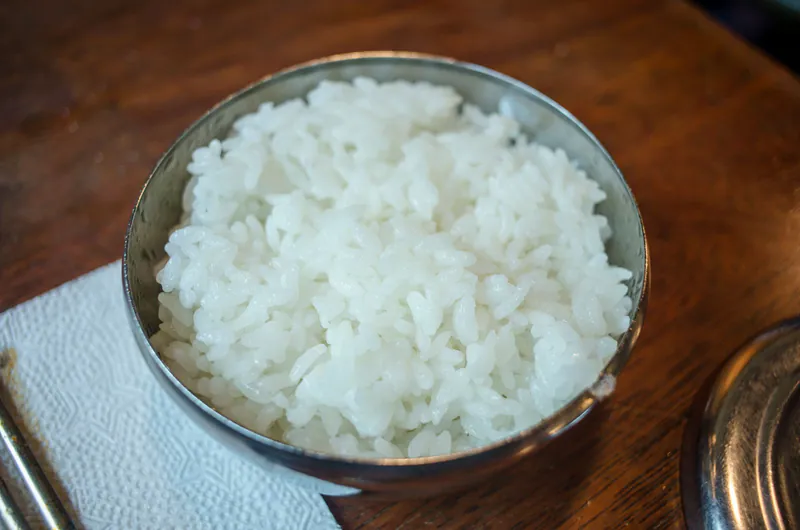
- Serve with steamed rice and stir-fried greens, or as a cold starter with ice-cold beer.
Food safety
- Cook pork until the centre reaches at least 63 °C (145 °F) and rest it for 3 minutes.
- Use a deep, heavy pan no more than one-third full of oil, keep a lid nearby, never leave hot oil unattended and never put water on an oil fire.
Storage
- Keeps 3 days refrigerated.
Reheating
- Reheat in a hot wok with a splash of water, or eat at room temperature as a cold appetiser.
Variations
- Shanghai-style (Wuxi) ribs: Braised without deep-frying in black vinegar, rock sugar and dark soy until very dark and sticky.
- Cantonese sweet and sour ribs: Fried ribs tossed with pineapple, peppers and a bright red ketchup-based sauce.
Original editorial recipe · FriendsPantry editorial · source: TasteAtlas (dish facts) · Not yet independently reviewed · Added
Sauces, chutneys & dips for this dish
Recipe DNA
How this dish is built
Built from the recipe’s own sections. Each band’s width is its share of the dish by weight. Choose a component to see what it does.
Seasons and tenderises before cooking
For the marinade
- Shaoxing wine1 tbsp · 15 g
- Soy sauce1 tbsp · 17 g
- Fresh ginger, sliced15 g
- Salt0.5 tsp · 3 g
- White pepper0.25 tsp · 0.6 g
- Cornstarch3 tbsp · 24 g
Reviews & corrections
Reviews come from signed-in cooks and appear after a moderator checks them. We never show made-up ratings.
You might also like
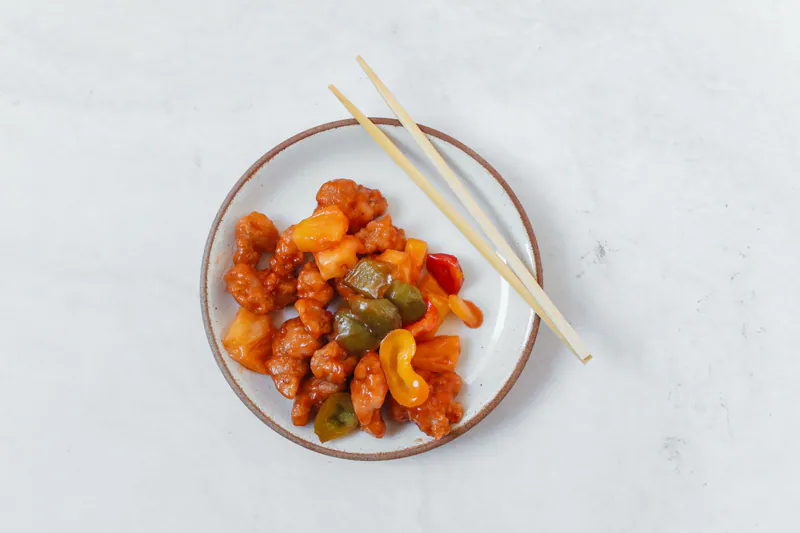
Sweet and sour pork
Cantonese · 55 min · 576 kcal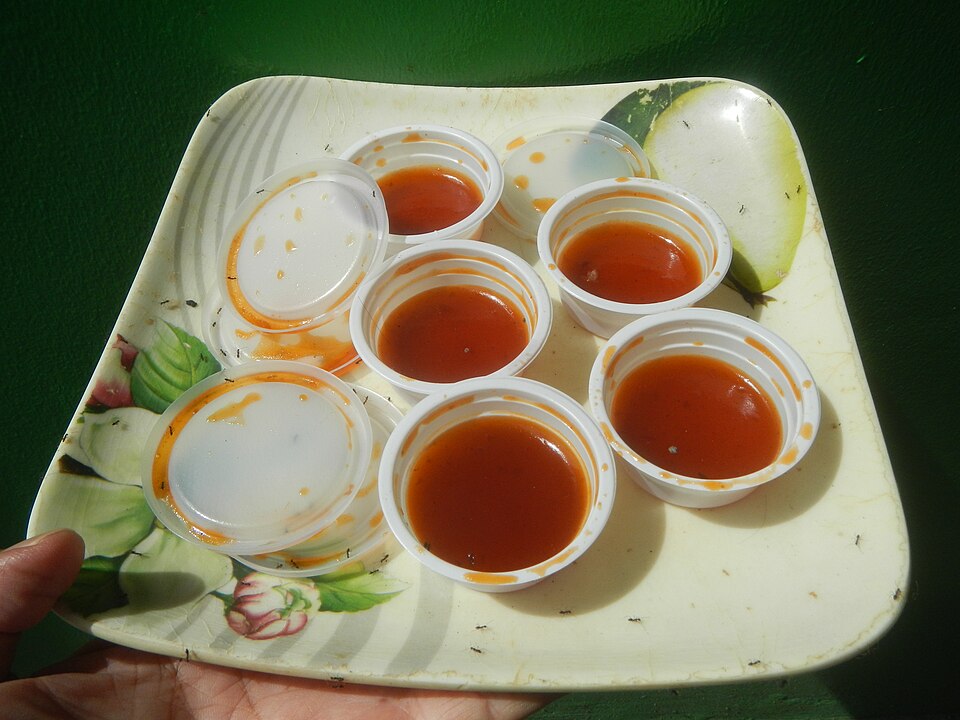
Cantonese sweet and sour sauce
Cantonese · 8 min · 65 kcal · Vegan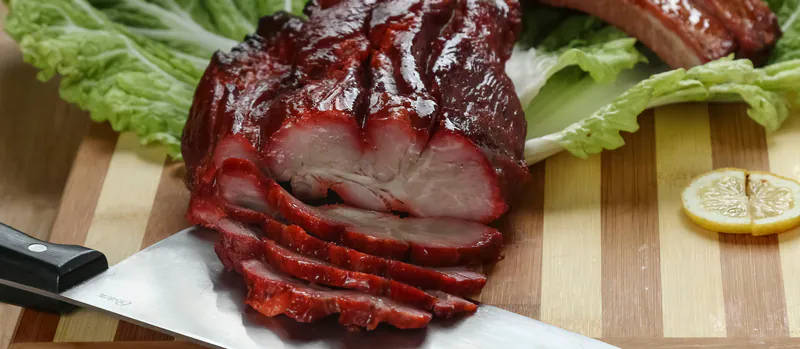
Char siu (Cantonese barbecue pork)
Cantonese · 1 h 10 min · 392 kcal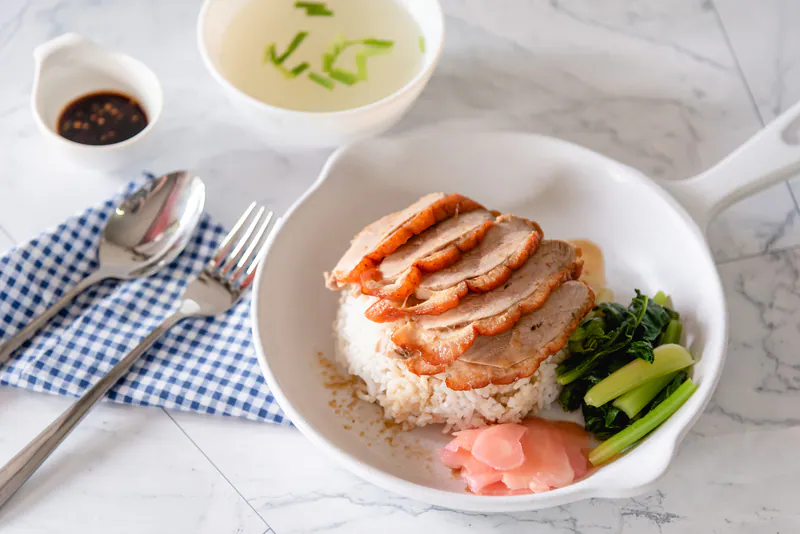
Roasted duck rice (Singapore)
 Singaporean · 14 h 30 min · 1267 kcal