
Sfogliatella riccia
Non-vegetarian
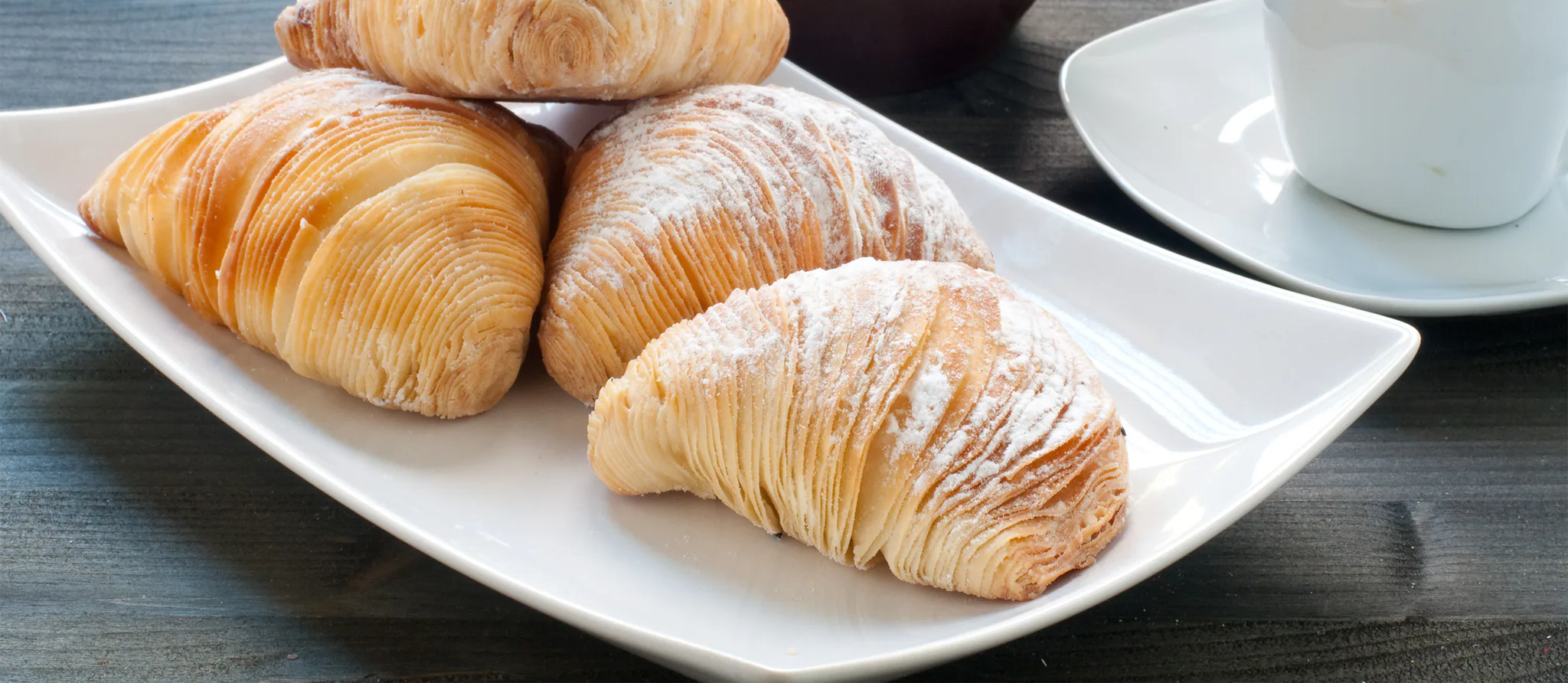
Shell-shaped Neapolitan pastries made of dozens of paper-thin, lard-brushed layers that bake to a shattering crunch around a filling of semolina, ricotta, candied peel and cinnamon. A weekend project with a pasta machine, and well worth it.
Sfogliatella riccia is an Italian pastry from Italy, ready in about 16 hours 5 minutes and made with bread flour, lard and ricotta. It serves 16 and is rated advanced to cook.
- Prep
- 1 h 30 min
- Cook
- 35 min
- Rest
- 14 h
- Total
- 16 h 5 min
- Serves
- 16
- Level
- Advanced
- Calories
- 291
Includes resting the dough for 1 hour and chilling the rolled log overnight.
Main ingredients
Ingredients
For the dough
For the filling
To serve
Method
Dough
1 h 9 minStep 1
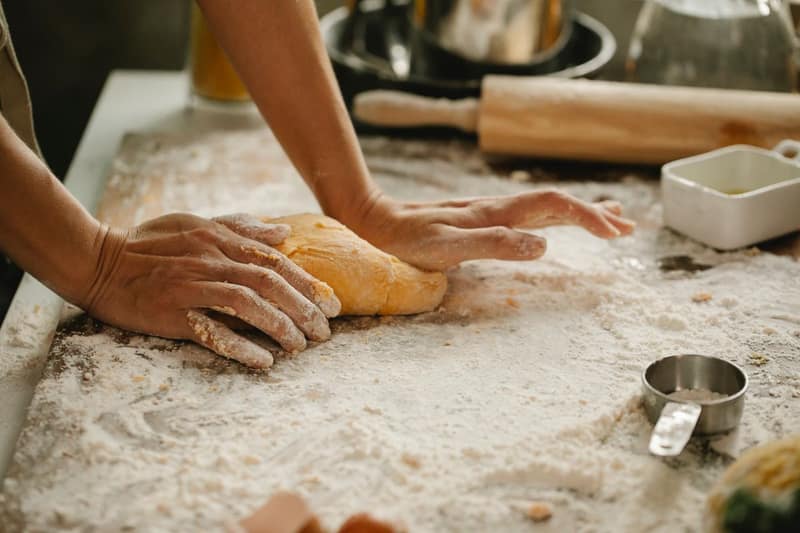
Mix the flour, honey (opens in a new tab) and salt with enough water to form a very firm, dry dough. Knead in a mixer with the dough hook for 10 minutes until smooth; it should feel much stiffer than pasta dough. Wrap and rest for 1 hour at room temperature.
How it looks · Photo: Klaus Nielsen on Pexels Step 2
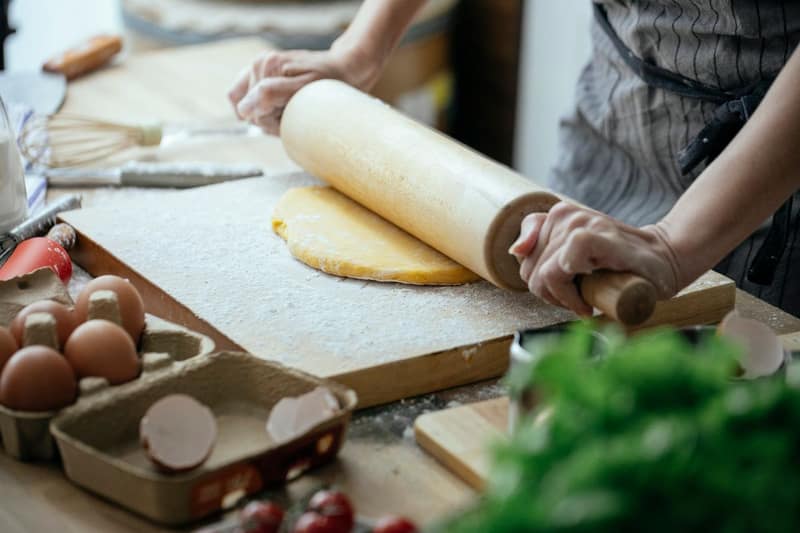
Divide the dough into 4 pieces. Pass each through a pasta machine, folding and re-rolling a few times on the widest setting until smooth, then roll it out gradually to the thinnest setting to make long, translucent sheets about 12 cm wide.
- 25 min
If you have no pasta machine, roll by hand on a very large floured table as thinly as you can; the layers will be slightly thicker.
How it looks · Photo: Katerina Holmes on Pexels Step 3
Lay the first sheet on a long worktop, brush generously with soft lard (opens in a new tab) and gently stretch it widthways with your fingertips to make it even thinner. Starting at a short end, roll it up tightly into a log. Overlap the next sheet a little onto the end, brush, stretch and continue rolling until all the dough forms one tight log about 6 cm thick.
Step 4
Brush the outside of the log with lard (opens in a new tab), wrap tightly in cling film and chill overnight (at least 12 hours).
- 2 min
Filling
40 minStep 5
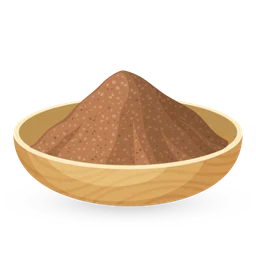
For the filling, bring the water and a pinch of salt to the boil, whisk in the semolina (opens in a new tab) and cook, stirring, for 3–4 minutes until very thick. Spread on a plate to cool, then beat with the ricotta (opens in a new tab), sugar (opens in a new tab), egg (opens in a new tab), candied peel, cinnamon (opens in a new tab) and vanilla (opens in a new tab) until smooth. Chill.
- 10 min
- medium heat
- Saucepan (opens in a new tab)
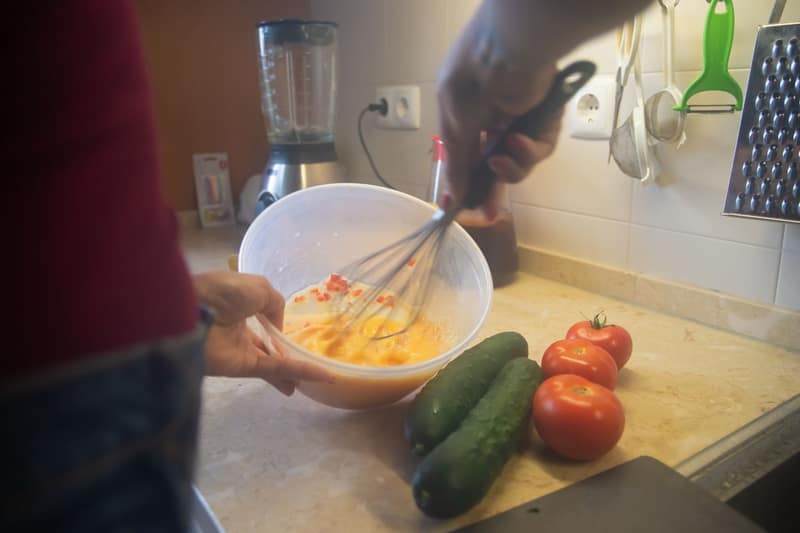
How it looks · Photo: Kampus Production on Pexels Step 6
Heat the oven (opens in a new tab) to 200 °C. Trim the ends of the log and cut it into 1.5 cm slices. Take one slice and, with lard (opens in a new tab)-greased thumbs, press from the centre outwards to fan the layers into a cone about 9 cm long, sliding the rings over each other.
- 20 min
- 200°C
Push the layers outward in small movements, rotating the disc, so they slide like a telescope rather than tearing.
Step 7
Fill each cone with a heaped tablespoon of filling, press the edges lightly together, and place on a lined baking tray.
To serve
30 minStep 8
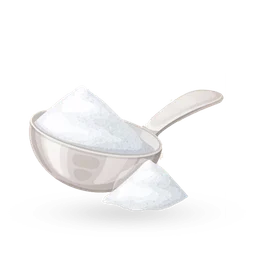
Bake for 25–30 minutes until deep golden and the ridges are crisp and separated. Cool for 10 minutes and dust with powdered sugar (opens in a new tab). Serve warm.
- 30 min
- 200°C
- Oven (opens in a new tab)
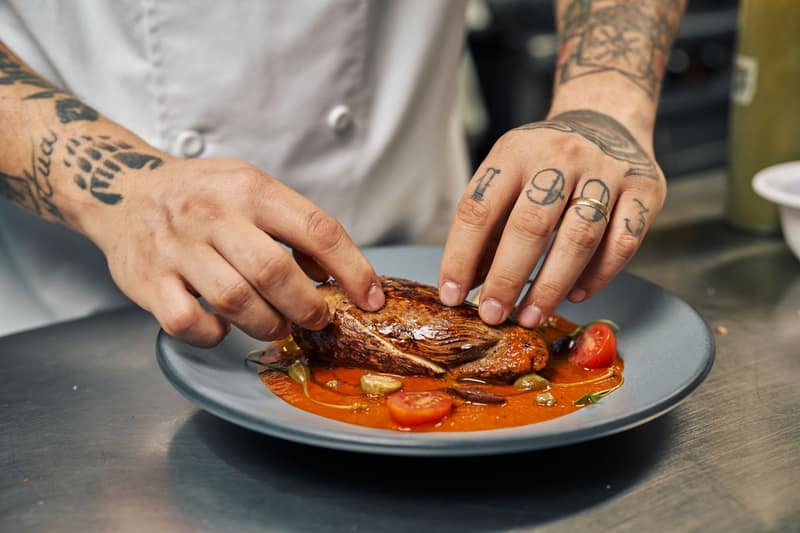
How it looks · Photo: Willians Huerta on Pexels
At a glance
1 · Dough in a bowl
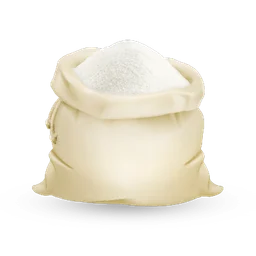 Bread flour
 Honey
 Salt
 Lard
then bring
2 · Filling in a bowl
- Salt
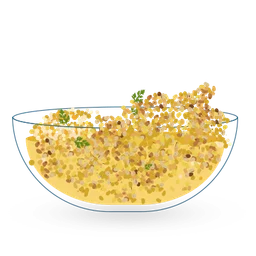 Semolina
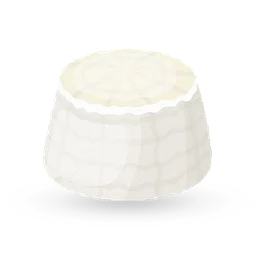 Ricotta
 Sugar
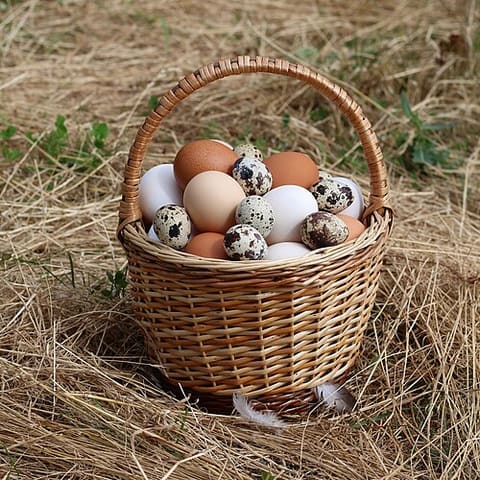 Egg
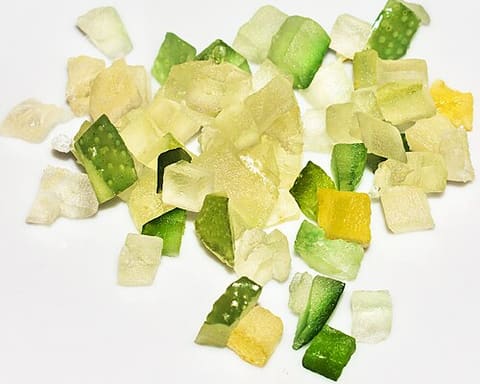 Candied mixed peel
 Cinnamon
 Vanilla extract
then bake
3 · To serve in a bowl
 Icing sugar
About this dish
- Origin
- Campania (Amalfi Coast and Naples), Italy · Commonly attributedSaid to have been created around 1700 by the nuns of the Santa Rosa monastery in Conca dei Marini; the recipe reached Naples in the early 19th century, where pastry cook Pasquale Pintauro made it famous.Also popular in United StatesMore food from Italy
Italy - Dish
- Breakfast · Snack · Dessert · Pastries
- Cooking method
- Oven-baked, Simmered
- Taste
- sweet, aromatic / warmly spiced, citrusy, creamy
- Diet
- No nut ingredientsWith the listed swaps: Vegetarian (lacto-ovo), Eggetarian, Pescatarian, Pork-freeWorked out from the ingredients. How labels work
All labels
Non-vegetarian · Flexitarian-friendly · No nut ingredients · Beef-free - Good for
- Festive & celebration · Make-ahead · Freezer-friendly
Allergens
- Contains: Milkfrom ricotta
- Contains: Eggsfrom egg
- Contains: Wheatfrom bread flour, semolina
- Contains: Glutenfrom bread flour, semolina
- May contain: Sulphitesfrom candied mixed peel
Based on typical versions of these ingredients and not verified allergen-free. Brands differ and cross-contact happens, so always check labels. For severe allergies, follow your clinician’s advice.
Nutrition
291 kcal per serving
Estimated1 serving ≈ 107 g · recipe makes 16
Where the energy comes from
- Protein 8%
- Carbohydrate 55%
- Fat 37%
| Nutrient | Per serving | Per 100 g* |
|---|---|---|
| Energy | 291 kcal | 273 kcal |
| Protein | 6 g | 5.7 g |
| Carbohydrate | 39.6 g | 37.2 g |
| Net carbohydrate | 38.6 g | 36.2 g |
| Sugars | — | — |
| Added sugars | 11.1 g | 10.4 g |
| Fibre | 1.1 g | 1 g |
| Fat | 11.8 g | 11.1 g |
| Saturated fat | 4.9 g | 4.6 g |
| Trans fat | — | — |
| Cholesterol | 28 mg | 26 mg |
| Sodium | 279 mg | 261 mg |
| Salt equivalent | 0.7 g | 0.7 g |
Vitamins & minerals per serving
- Potassium
- 84 mg
- Calcium
- 44 mg
- Iron
- 1.7 mg
- Magnesium
- 15 mg
- Vitamin A (RAE)
- 24 µg
- Vitamin C
- 0 mg
- Vitamin D
- 0.3 µg
- Vitamin B12
- 0.2 µg
- Folate (DFE)
- 107 µg
How these numbers were made
- Calculated from USDA FoodData Central (SR Legacy) per-100 g values and the listed quantities.
- *Per 100 g of combined raw ingredients; the cooked dish may weigh more or less.
- Candied mixed peel: Generic candied fruit data used for candied citrus peel (orange, lemon, citron).
- “—” means the value isn’t known for enough of the ingredients; it is never zero by default.
- Values are estimates for guidance, not for medical dosing. U.S. Department of Agriculture, Agricultural Research Service. FoodData Central, 2019. fdc.nal.usda.gov.
Good to know
Tips
- Shaped, filled and unbaked sfogliatelle freeze very well; bake from frozen at 200 °C for about 35 minutes.
- The dough should be stiff enough to tear rather than stretch if pulled quickly; soft dough makes thick, bready layers.
Common mistakes
- Using too little lard between the layers, so they fuse and do not fan out.
- Cutting the log before it is thoroughly chilled, which squashes the layers.

Storage
- Best on the day of baking; keep 1 day at room temperature in a paper bag.
Reheating
- Warm in a 180 °C oven for 5–8 minutes to crisp the layers.
Variations
- Sfogliatella frolla: The same filling inside a smooth, soft shortcrust (pasta frolla) shell instead of the crisp layered pastry.
- Santa Rosa: The original Amalfi-coast version, topped with pastry cream and black cherries in syrup.
- Lobster tail (US): Italian-American bakeries make a larger, elongated sfogliatella filled with whipped cream or pastry cream.
Original editorial recipe · FriendsPantry editorial · source: TasteAtlas (dish facts) · Not yet independently reviewed · Added
Recipe DNA
How this dish is built
Reviews & corrections
Reviews come from signed-in cooks and appear after a moderator checks them. We never show made-up ratings.
You might also like
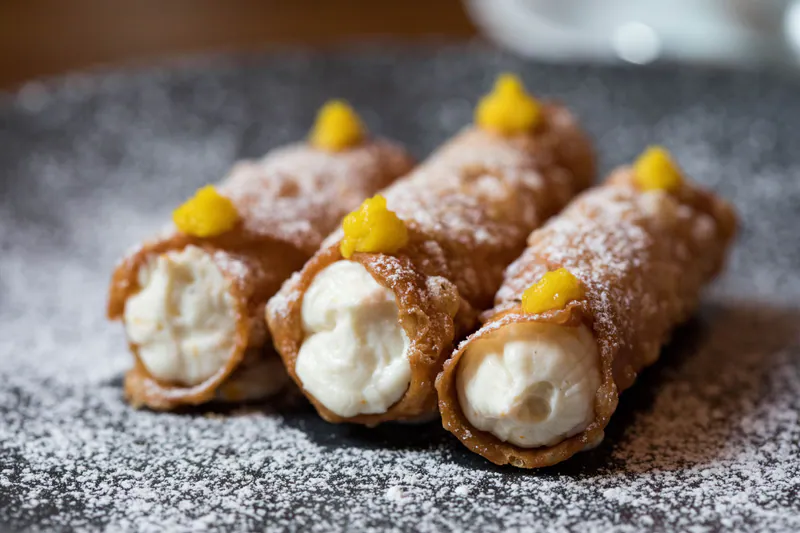
Cannoli siciliani
 Italian · 2 h 30 min · 205 kcal
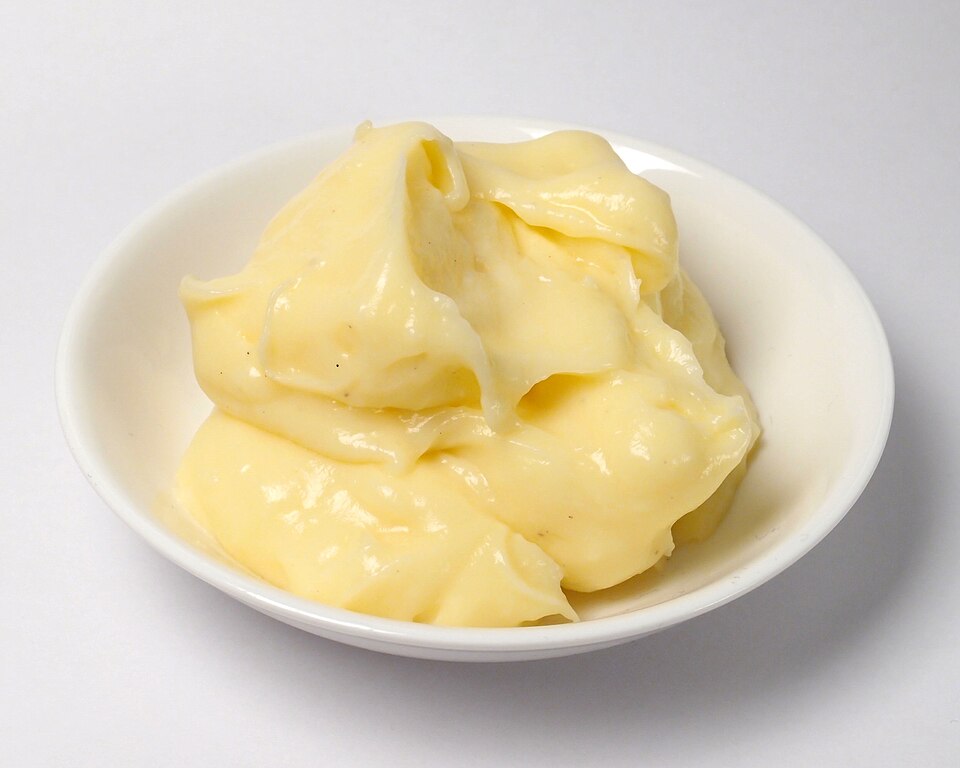
Crème pâtissière (pastry cream)
 French · 2 h 15 min · 171 kcal · Contains egg
Panettone (home method)
Italian · 1 h 50 min · 399 kcal · Contains egg
Cassata siciliana
Italian · 8 h 5 min · 564 kcal · Contains egg