
Rawon (East Javanese black beef soup)
Non-vegetarian
Rawon
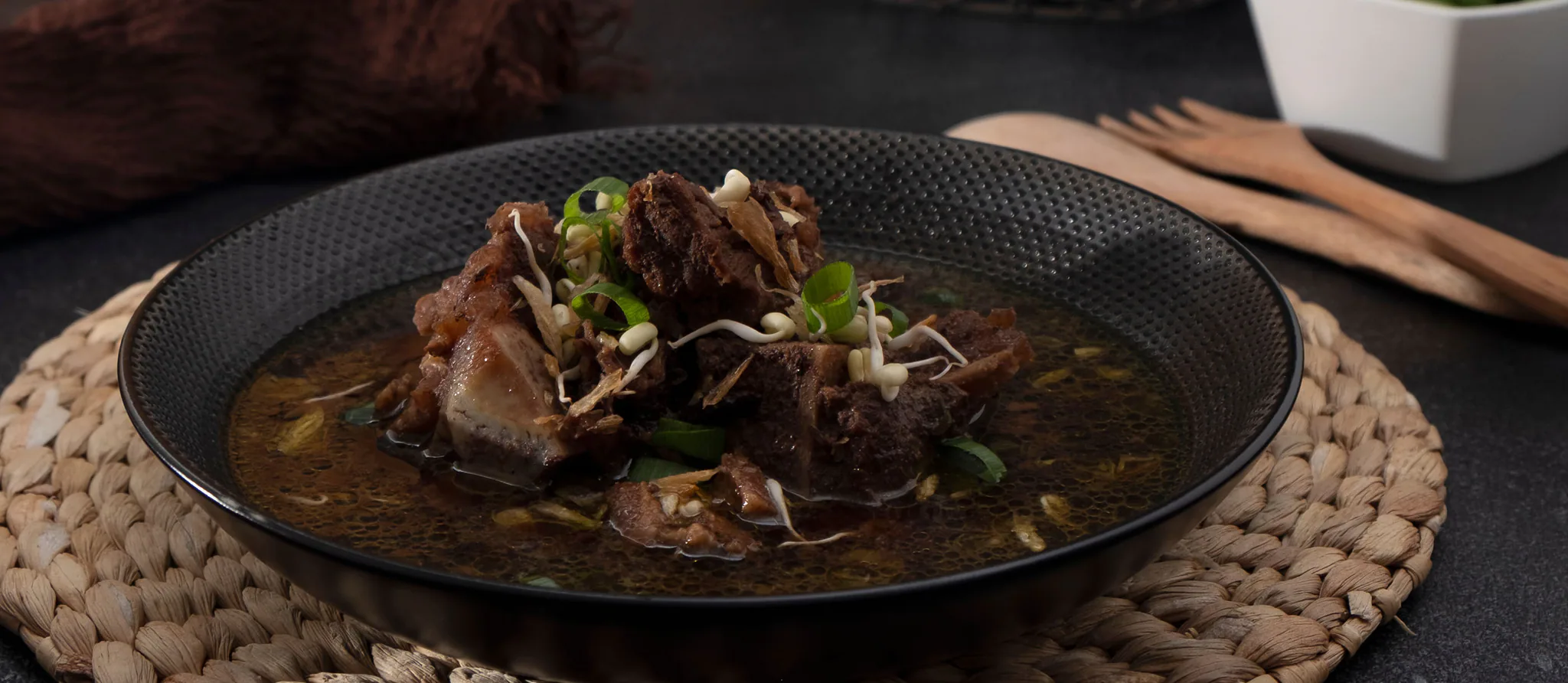
Tender beef simmered in a dark, almost black broth coloured and flavoured by keluak nut, with a paste of shallots, garlic, candlenut, galangal and turmeric plus lemongrass and lime leaves. The earthy, gently sour soup of Surabaya and East Java, served with rice, bean sprouts and sambal.
Rawon (East Javanese black beef soup) is an Indonesian soup, ready in about 3 hours and made with beef shank (bone-in, cross-cut) and keluak (kluwek nut). It serves 6 and is rated intermediate to cook.
- Prep
- 30 min
- Cook
- 2 h 30 min
- Total
- 3 h
- Serves
- 6
- Level
- Intermediate
- Calories
- 610
Main ingredients

Ingredients
For the soup
For the spice paste
Aromatics
To serve
Method
Soup
1 hStep 1
Put the beef in a large pot with the water, bring to the boil and skim off the scum. Simmer gently, half-covered, for 1 hour.
- 60 min
- low heat
- Stockpot / large pot (opens in a new tab)
Spice paste
12 minStep 2
Meanwhile, soak the keluak (opens in a new tab) flesh in a few tablespoons of hot water for 10 minutes, then blend or pound it with the shallots (opens in a new tab), garlic (opens in a new tab), candlenuts (opens in a new tab), galangal (opens in a new tab), ginger, turmeric (opens in a new tab), coriander, cumin, chillies and shrimp paste (opens in a new tab) to a smooth, very dark paste.
Food safety: Use only commercially fermented keluak, sold ready to use; never use raw Pangium seeds, which contain cyanide.
Aromatics
1 h 30 minStep 3
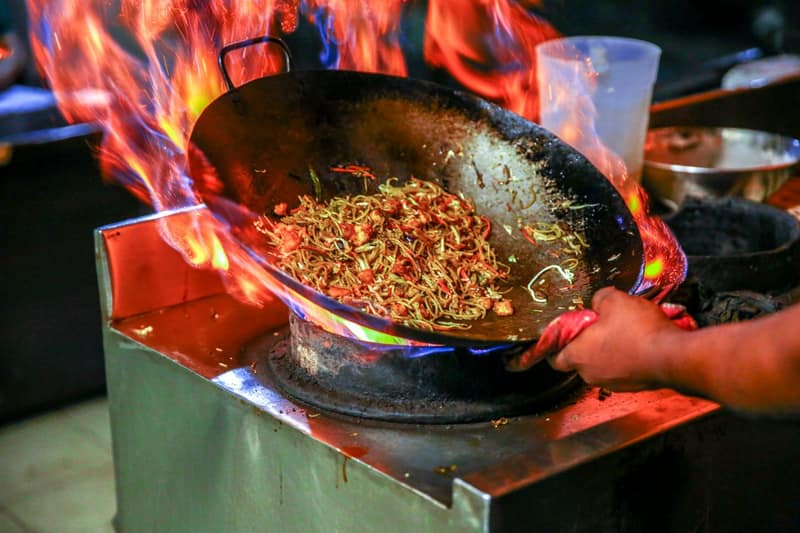
Heat the oil in a wok (opens in a new tab) and fry the paste with the lemongrass (opens in a new tab), lime (opens in a new tab) leaves and salam leaves (opens in a new tab) over medium-low heat, stirring, until fragrant and the oil separates, 8–10 minutes.
- 10 min
- medium-low heat
- Wok (opens in a new tab)
How it looks · Photo: Aesthos AR. Photography on Pexels Step 4
Lift the beef out, cut it into 2–3 cm cubes and return it to the broth. Stir in the fried paste, the leek (opens in a new tab), palm sugar (opens in a new tab), salt and pepper (opens in a new tab). Simmer for 1–1½ hours more until the beef is very tender and the broth is black and fragrant. Taste and adjust the salt.
- 80 min
- low heat
To serve
5 minStep 5
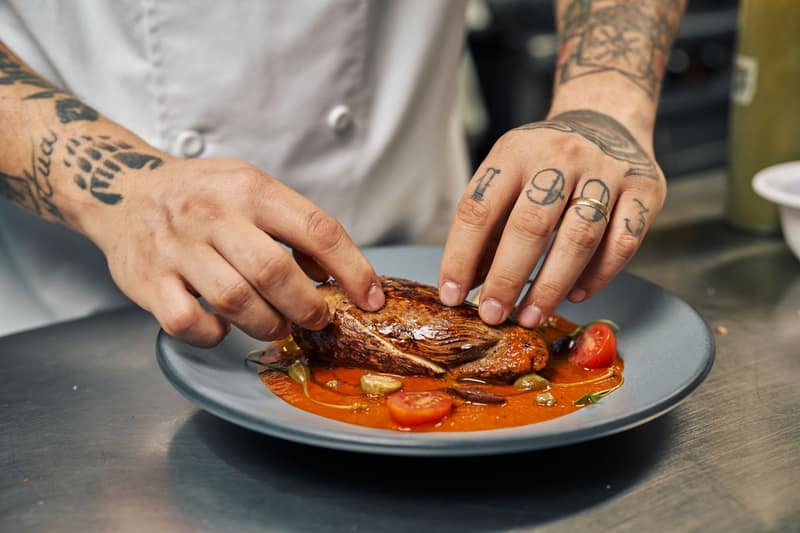
Ladle (opens in a new tab) the soup over or beside bowls of steamed rice and top with bean sprouts (opens in a new tab) and spring onion (opens in a new tab). Serve with salted egg (opens in a new tab), lime (opens in a new tab) wedges and sambal.
How it looks · Photo: Willians Huerta on Pexels
At a glance
1 · Soup in a pot
 Beef shank (bone-in, cross-cut)
then soak
2 · Spice paste in a bowl
- Keluak (kluwek nut)
 Shallot
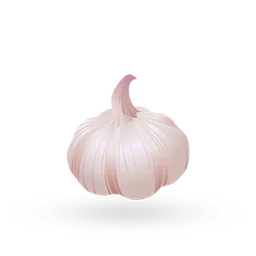 Garlic
 Candlenut
 Galangal
 Fresh ginger
 Turmeric
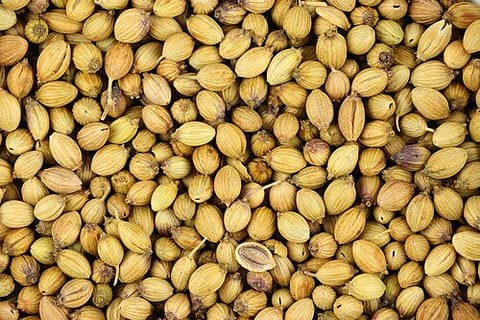 Ground coriander
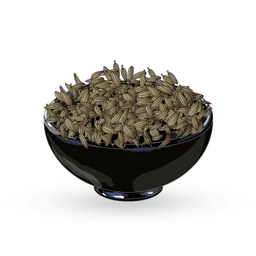 Ground cumin
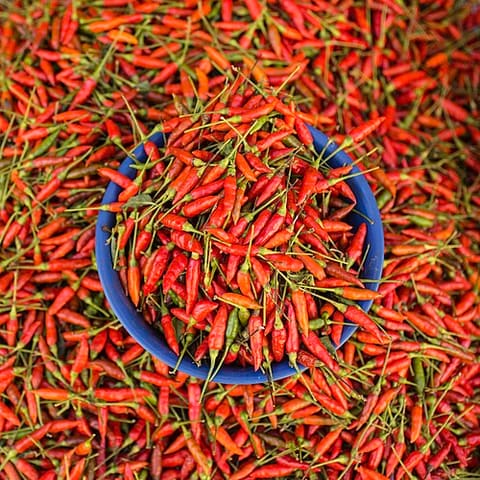 Fresh red chilli
 Shrimp paste
 Neutral vegetable oil
then heat
3 · Aromatics in a pan
 Lemongrass
 Makrut lime leaves
 Salam leaves (Indonesian bay leaves)
 Leek
 Jaggery / palm sugar
 Salt
 Black pepper
then ladle
4 · To serve in a pot
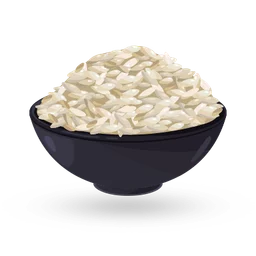 Long-grain white rice
 Bean sprouts
- Spring onion
 Egg
 Lime
About this dish
- Origin
- Surabaya, East Java, Indonesia · Well documentedThe black colour and nutty, slightly bitter taste come from kluwek, the seed of the Pangium edule tree, which is poisonous raw and must be fermented before use.More food from Indonesia
Indonesia - Dish
- Lunch · Dinner · Breakfast · Soups · Main courses · Breakfast dishes
- Cooking method
- Simmered, Stir-fried, Blended
- Taste
- earthy, savoury, aromatic / warmly spiced, umami
- Diet
- No gluten ingredients · Dairy-free · High-proteinWithout the optional extras: Egg-freeWorked out from the ingredients. How labels work
All labels
Non-vegetarian · No gluten ingredients · Dairy-free · Alcohol-free · Pork-free · High-protein · Low-fat - Good for
- Make-ahead · Uses leftovers
- Cook more with
- Beef shank (bone-in, cross-cut) · Shallot · Garlic · Candlenut · Galangal · Fresh ginger
- Techniques
- Stir-frying · Boiling · Simmering · Bhunao · Wet grinding
Allergens
- Contains, can be adapted: Eggsfrom egg
- Contains: Crustaceansfrom shrimp paste
- May contain: Tree nutsfrom candlenut
Based on typical versions of these ingredients and not verified allergen-free. Brands differ and cross-contact happens, so always check labels. For severe allergies, follow your clinician’s advice.
Nutrition
610 kcal per serving
Estimated1 serving ≈ 751 g · recipe makes 6
Where the energy comes from
- Protein 25%
- Carbohydrate 48%
- Fat 27%
| Nutrient | Per serving | Per 100 g* |
|---|---|---|
| Energy | 610 kcal | 81 kcal |
| Protein | 37.9 g | 5 g |
| Carbohydrate | 73.1 g | 9.7 g |
| Net carbohydrate | 68.8 g | 9.2 g |
| Sugars | — | — |
| Added sugars | 2.2 g | 0.3 g |
| Fibre | 4.4 g | 0.6 g |
| Fat | 18.4 g | 2.5 g |
| Saturated fat | 2.9 g | 0.4 g |
| Trans fat | — | — |
| Cholesterol | 52 mg | 7 mg |
| Sodium | 1002 mg | 134 mg |
| Salt equivalent | 2.5 g | 0.3 g |
Vitamins & minerals per serving
- Potassium
- 968 mg
- Calcium
- 150 mg
- Iron
- 8.5 mg
- Magnesium
- 90 mg
- Vitamin A (RAE)
- 16 µg
- Vitamin C
- 14 mg
- Vitamin D
- —
- Vitamin B12
- 4.4 µg
- Folate (DFE)
- 326 µg
How these numbers were made
- Calculated from USDA FoodData Central (SR Legacy) per-100 g values and the listed quantities.
- *Per 100 g of combined raw ingredients; the cooked dish may weigh more or less.
- Optional ingredients are not included: fresh red chilli, salam leaves (indonesian bay leaves), egg.
- Not counted (tiny amounts or “to taste”): makrut lime leaves.
- Keluak (kluwek nut): English walnuts (FDC 170187) used as a stand-in: the fermented kernel of the keluak seed (Pangium edule) is oily and nut-like; no FDC entry exists. Only ever sold fermented and ready to use — the raw seed is poisonous.
- Candlenut: English walnuts (FDC 170187) used as a stand-in: candlenuts are similarly oil-rich (about 60–65 % fat); no candlenut entry exists in FDC SR Legacy.
- Galangal: Fresh ginger used as a stand-in: no galangal entry in FDC SR Legacy, and galangal is a closely related rhizome used in similar small amounts.
- Shrimp paste: Fish sauce (FDC 174531) at 1.5× as a stand-in salted fermented seafood condiment; protein is understated.
- Jaggery / palm sugar: Brown sugar (FDC 168833) used as a stand-in for unrefined cane jaggery and palm sugar.
- “—” means the value isn’t known for enough of the ingredients; it is never zero by default.
- Values are estimates for guidance, not for medical dosing. U.S. Department of Agriculture, Agricultural Research Service. FoodData Central, 2019. fdc.nal.usda.gov.
Good to know
Tips
- Rawon tastes even better the next day, when the keluak flavour has mellowed into the broth.
Common mistakes
- Using too much keluak, which makes the soup bitter; start with 5–6 nuts and add more next time if you like it darker.
Serve with
- Serve as nasi rawon with rice, bean sprouts, salted duck egg, sambal terasi, prawn crackers and fried tempeh or empal (fried spiced beef).
Food safety
- Fermented keluak is safe to eat; raw keluak seeds are toxic and must never be used.
Storage
- Keeps 3 days in the fridge or 3 months frozen.
Reheating
- Bring back to a simmer until piping hot.
Variations
- Rawon iga: Made with beef ribs instead of shank.
- Rawon setan: The late-night Surabaya version, much hotter with extra chillies.
Original editorial recipe · FriendsPantry editorial · source: TasteAtlas (dish facts) · Not yet independently reviewed · Added
Sauces, chutneys & dips for this dish
Recipe DNA
How this dish is built
Built from the recipe’s own sections. Each band’s width is its share of the dish by weight. Choose a component to see what it does.
The spice and seasoning backbone
For the spice paste
- Keluak (kluwek nut), cracked open, black flesh scooped out6 piece · 36 g
- Shallot, peeled8 piece · 240 g
- Garlic5 clove · 20 g
- Candlenut, toasted4 piece · 16 g
- Galangal, sliced20 g
- Fresh ginger, sliced15 g
- Turmeric1 tsp · 3.2 g
- Ground coriander, toasted1 tsp · 1.9 g
- Ground cumin0.5 tsp · 1.1 g
- Fresh red chilli, seeded (optional)3 piece · 18 g
- Shrimp paste, terasi, toasted1 tsp · 5.9 g
- Neutral vegetable oil3 tbsp · 41 g
Reviews & corrections
Reviews come from signed-in cooks and appear after a moderator checks them. We never show made-up ratings.
You might also like
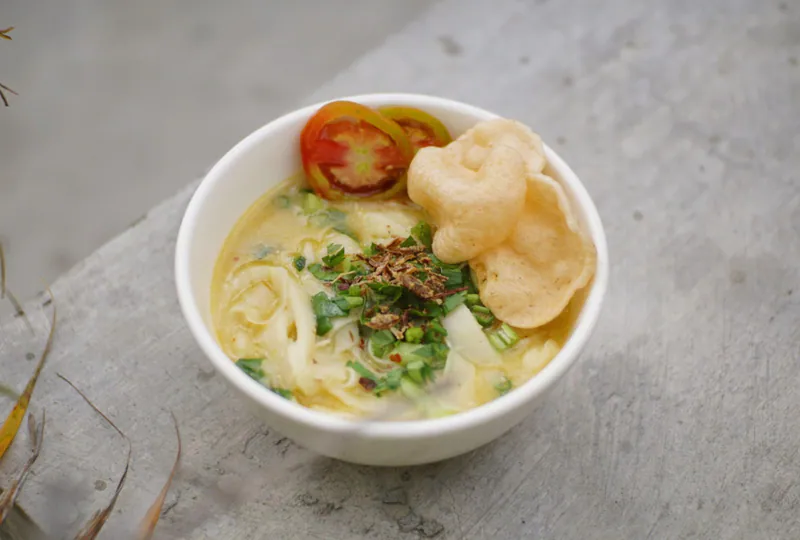
Soto ayam
 Indonesian · 1 h 25 min · 582 kcal
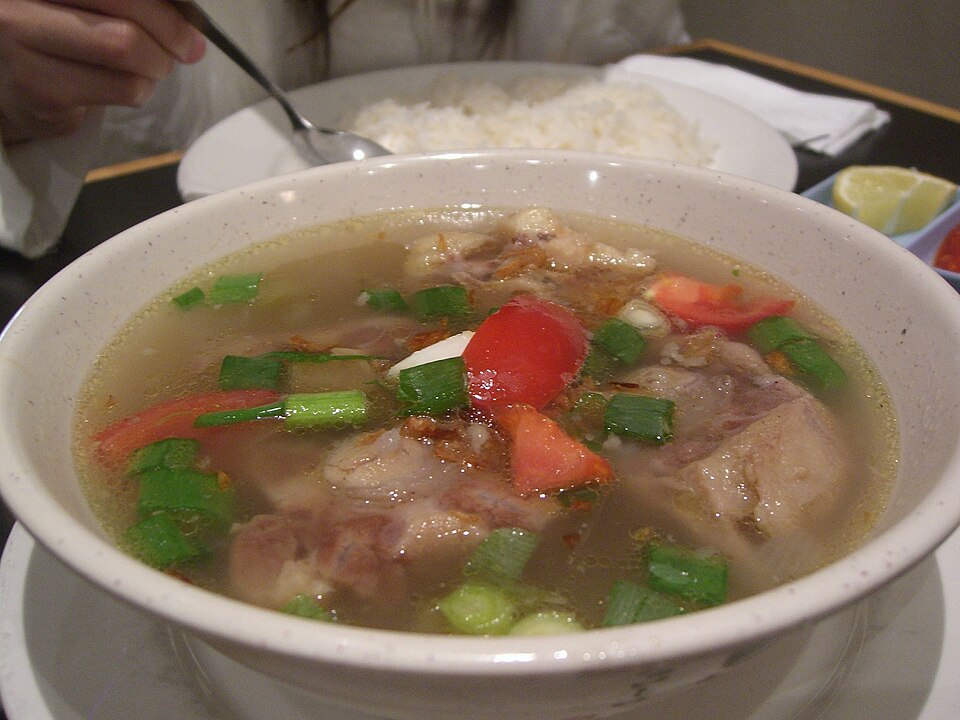
Sop buntut
Indonesian · 3 h 40 min · 461 kcal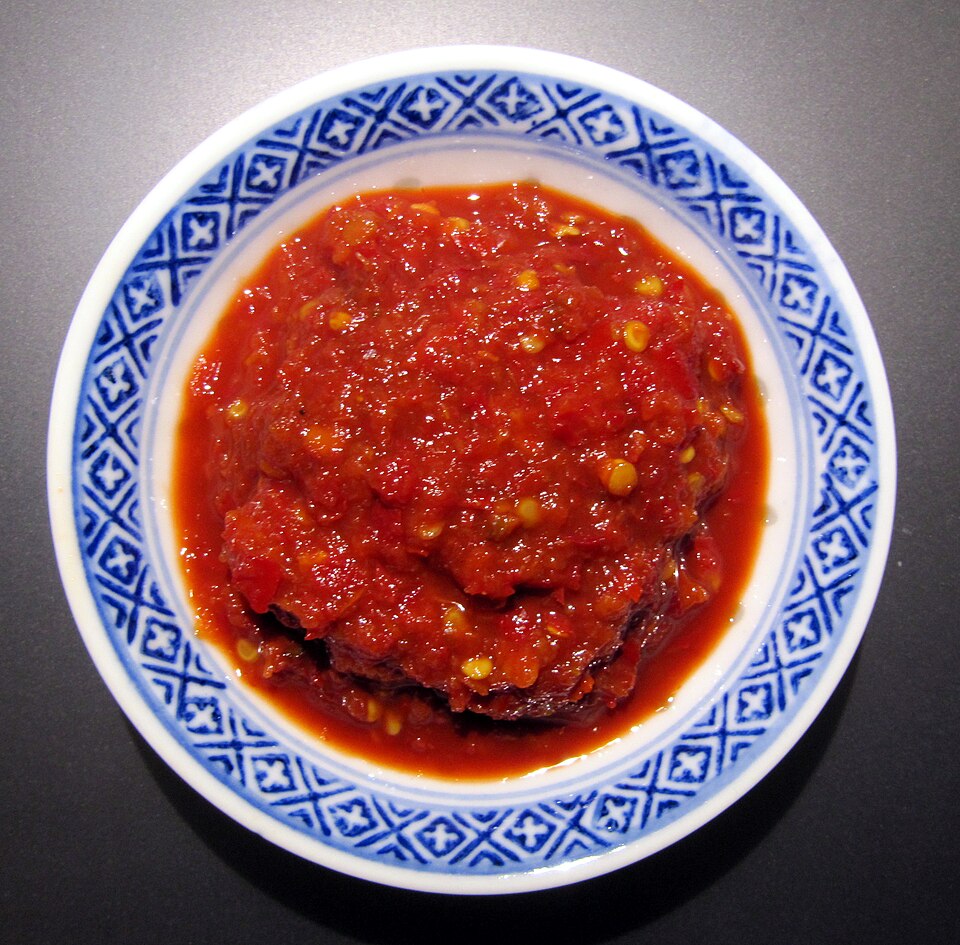
Sambal oelek
Indonesian · 20 min · 7 kcal · Vegan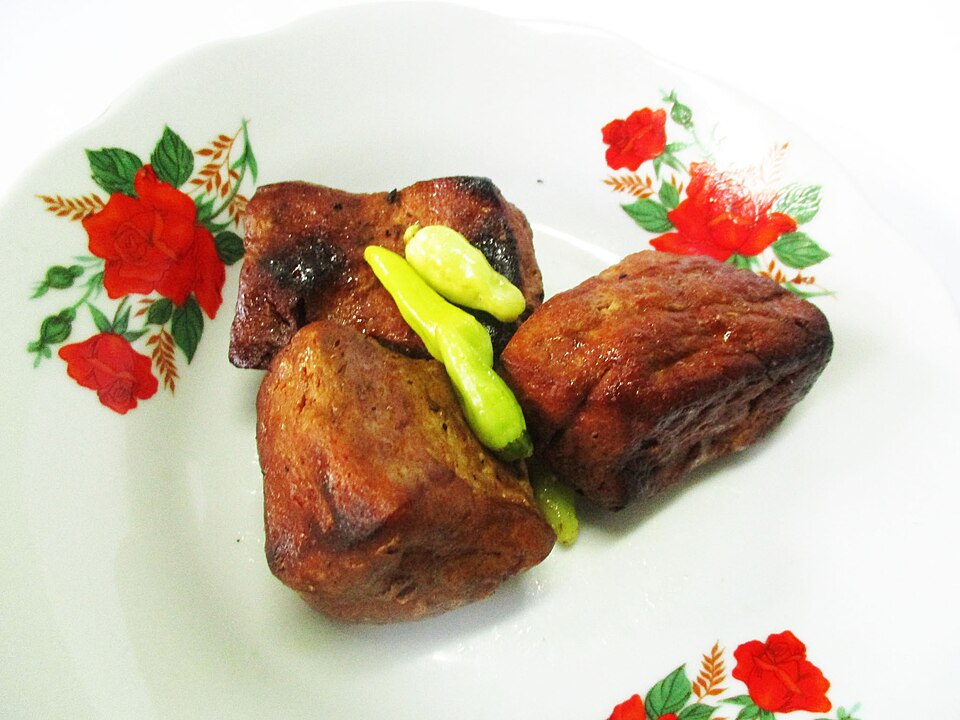
Tempe bacem
Indonesian · 55 min · 413 kcal · Vegan