
 Singaporean · Malaysian · Wraps & rolls
Popiah (Singapore fresh spring rolls)
Non-vegetarian
薄饼 · báobǐng / poh-piah
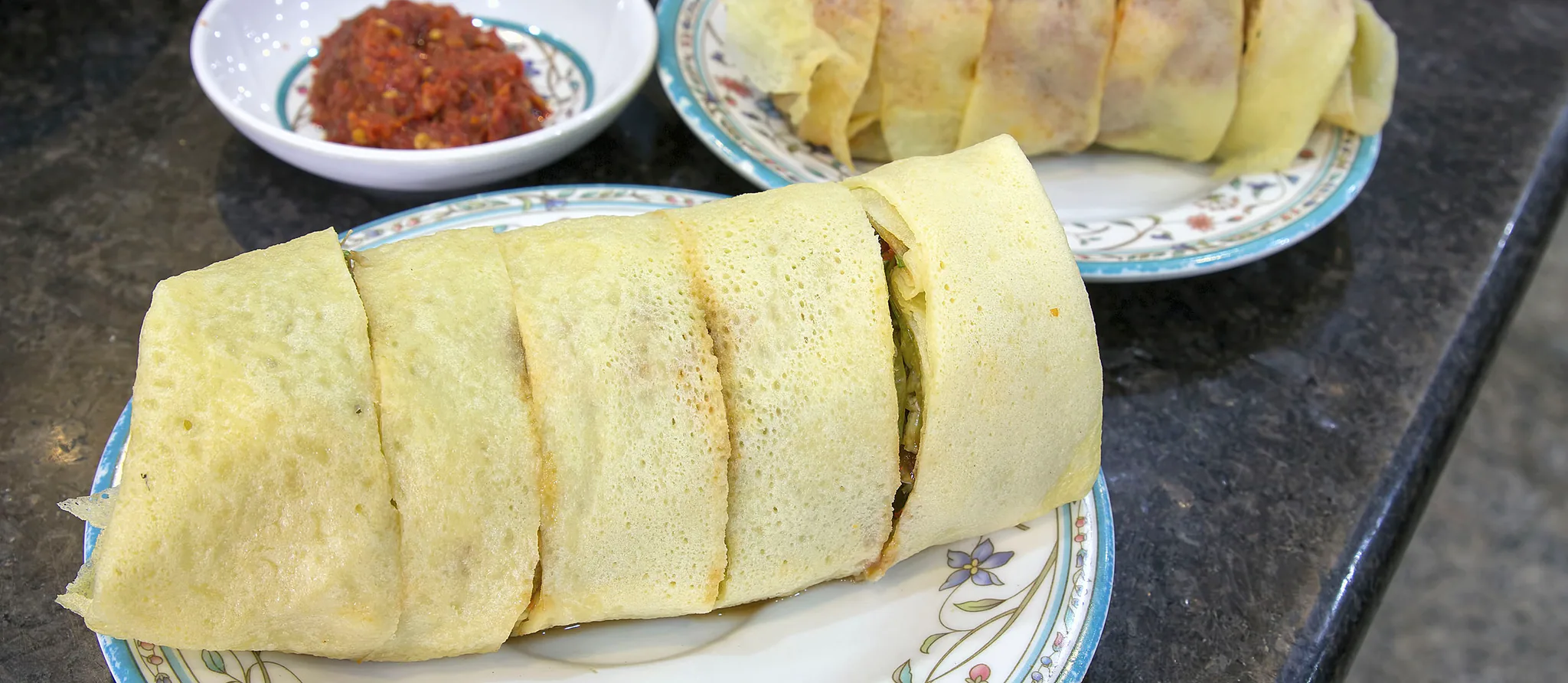
Soft, paper-thin wheat crêpes spread with sweet sauce and chilli, then rolled around a braised filling of jicama and carrot with lettuce, bean sprouts, egg, peanuts and crisp shallots. Never fried, popiah is a hawker favourite and a family roll-your-own feast in Singapore and Malaysia.
Popiah (Singapore fresh spring rolls) is a Singaporean wrap from China, ready in about 1 hour 35 minutes and made with spring roll wrappers (wheat), jicama and roasted peanuts. It serves 6 and is rated intermediate to cook.
- Prep
- 50 min
- Cook
- 45 min
- Total
- 1 h 35 min
- Serves
- 6
- Level
- Intermediate
- Calories
- 403
Main ingredients
Ingredients
For the filling
For the garnishes
For the sauces
Method
Filling
43 minStep 1
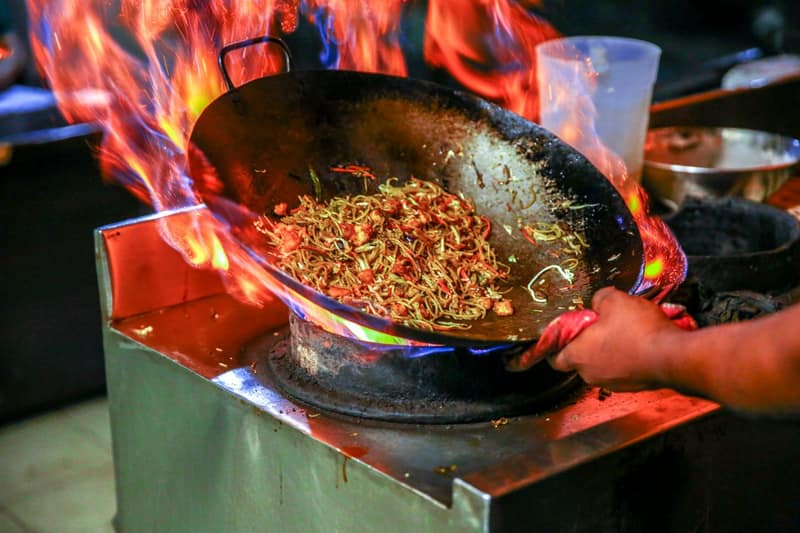
Heat the oil in a wok (opens in a new tab) and fry the garlic (opens in a new tab) until fragrant. Add the soybean paste and shrimp (opens in a new tab) and stir-fry for 1 minute.
- 3 min
- medium heat
- Wok (opens in a new tab)
How it looks · Photo: Aesthos AR. Photography on Pexels Step 2
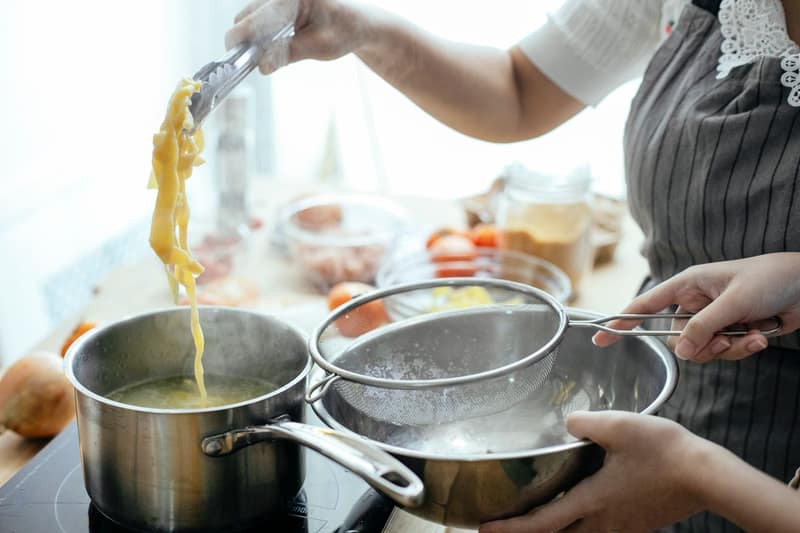
Add the jicama (opens in a new tab), carrot (opens in a new tab), stock, soy sauce (opens in a new tab), 1 tsp sugar (opens in a new tab) and white pepper (opens in a new tab). Cover and braise for 30–40 minutes, stirring occasionally, until the jicama is soft and translucent and has absorbed the flavours. Stir in the fried tofu (opens in a new tab). Drain in a colander (opens in a new tab) so the filling is moist but not wet.
- 40 min
- low heat
- Colander (opens in a new tab)
Keep the braising liquid; spoon a little back over the filling if it dries out.
How it looks · Photo: Katerina Holmes on Pexels
Garnishes
20 minStep 3
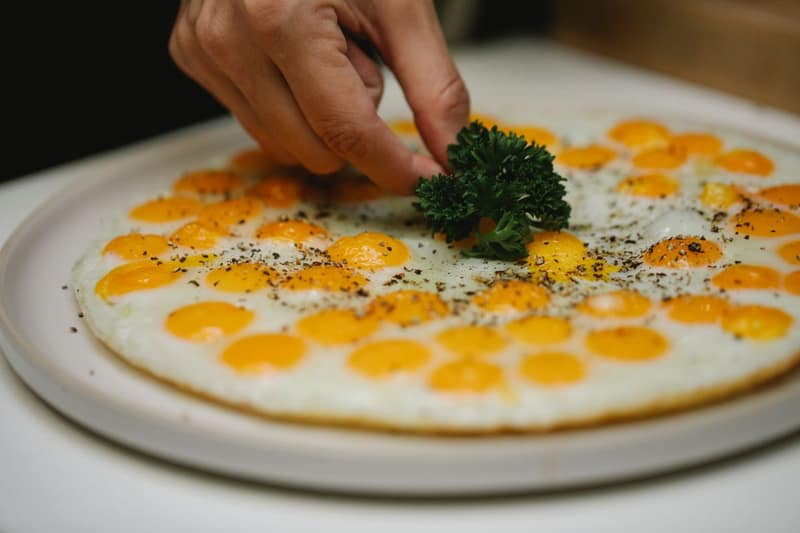
Prepare the garnishes: shred the omelettes, blanch the bean sprouts (opens in a new tab), grind the peanuts with the sugar (opens in a new tab) and fry the shallots (opens in a new tab). Set everything out with the lettuce (opens in a new tab), coriander and sauces.
How it looks · Photo: Klaus Nielsen on Pexels
Sauces
17 minStep 4
Lay a popiah skin flat (use two if they are very thin). Spread with sweet sauce, a little chilli and garlic (opens in a new tab) paste, then lay a lettuce (opens in a new tab) leaf in the centre.
- 2 min
Step 5
Add bean sprouts (opens in a new tab), a generous spoonful of drained filling, egg (opens in a new tab), peanuts, fried shallots (opens in a new tab) and coriander. Fold in the sides and roll up tightly like a burrito. Cut into 4–6 pieces and serve at once.
- 15 min
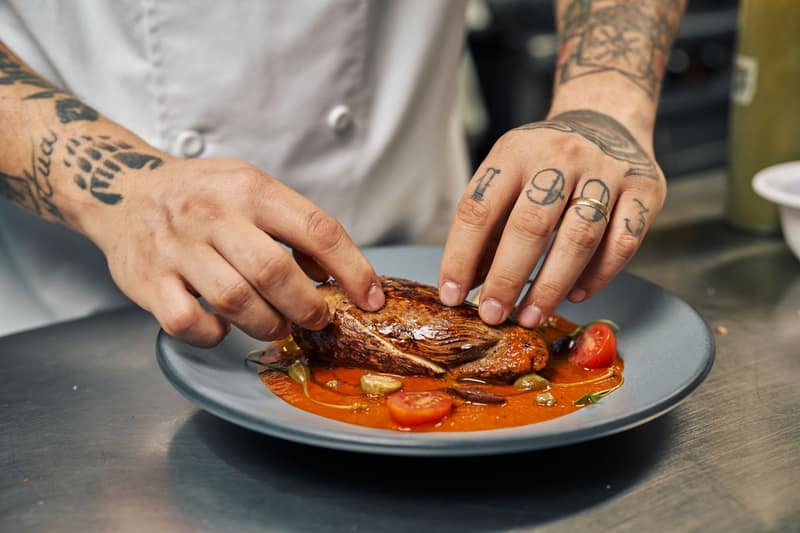
How it looks · Photo: Willians Huerta on Pexels
At a glance
1 · Filling in a bowl
 Neutral vegetable oil
 Garlic
- Yellow soybean paste (huangjiang)
 Prawns / shrimp
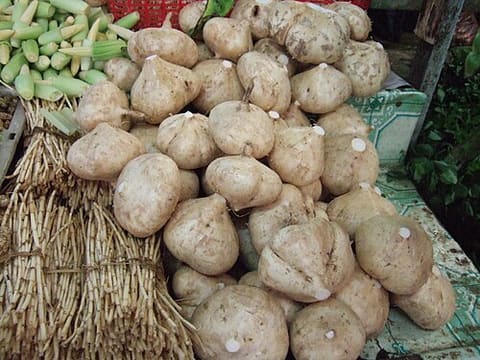 Jicama
 Carrot
 Chicken stock
 Soy sauce
 Sugar
 White pepper
 Tofu
then prepare
2 · Garnishes in a pan
 Egg
 Lettuce
 Bean sprouts
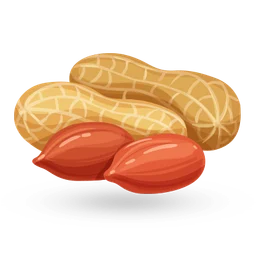 Roasted peanuts
- Sugar
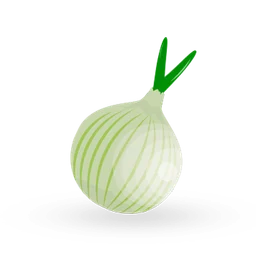 Shallot
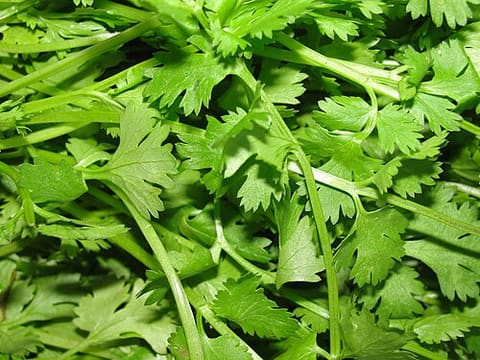 Coriander leaves
then lay
3 · Sauces in a bowl
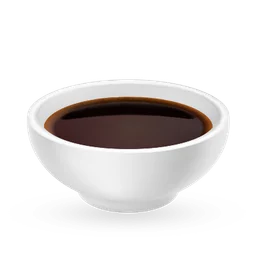 Hoisin sauce
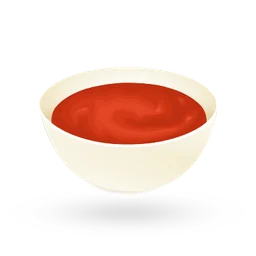 Chilli sauce (sriracha-style)
- Garlic
About this dish
- Origin
- Fujian and Chaoshan; now Singapore, Malaysia and Taiwan, China · Well documentedBrought to Southeast Asia by Hokkien and Teochew migrants. In Singapore, families hold popiah parties where everyone assembles their own rolls, especially at Qingming.Also popular in Singapore, Malaysia, TaiwanMore food from China
China - Dish
- Lunch · Snack · Wraps & rolls · Street food
- Cooking method
- Braised, Stir-fried, No-cook
- Taste
- sweet & savoury, fresh, nutty, spicy (chilli heat)
- Diet
- Dairy-free · High-fibreWorked out from the ingredients. How labels work
All labels
Non-vegetarian · Flexitarian-friendly · Dairy-free · Alcohol-free · Pork-free · Beef-free · High-fibre - Good for
- Festive & celebration · Make-ahead
- Cook more with
- Spring roll wrappers (wheat) · Jicama · Roasted peanuts · Garlic · Yellow soybean paste (huangjiang) · Carrot
- Techniques
- Stir-frying · Blanching · Braising
Allergens
- Contains: Eggsfrom spring roll wrappers (wheat), egg
- Contains, can be adapted: Crustaceansfrom prawns / shrimp
- Contains: Peanutsfrom roasted peanuts
- Contains: Wheatfrom spring roll wrappers (wheat), yellow soybean paste (huangjiang), soy sauce, hoisin sauce
- Contains: Glutenfrom spring roll wrappers (wheat), yellow soybean paste (huangjiang), soy sauce, hoisin sauce
- Contains: Soyfrom yellow soybean paste (huangjiang), soy sauce, tofu, hoisin sauce
- May contain: Sesamefrom hoisin sauce
- May contain: Celeryfrom chicken stock
Based on typical versions of these ingredients and not verified allergen-free. Brands differ and cross-contact happens, so always check labels. For severe allergies, follow your clinician’s advice.
Nutrition
403 kcal per serving
Estimated1 serving ≈ 407 g · recipe makes 6
Where the energy comes from
- Protein 14%
- Carbohydrate 48%
- Fat 38%
| Nutrient | Per serving | Per 100 g* |
|---|---|---|
| Energy | 403 kcal | 99 kcal |
| Protein | 14.4 g | 3.5 g |
| Carbohydrate | 49.7 g | 12.2 g |
| Net carbohydrate | 37.6 g | 9.3 g |
| Sugars | — | — |
| Added sugars | — | — |
| Fibre | 12.1 g | 3 g |
| Fat | 17.8 g | 4.4 g |
| Saturated fat | 2.7 g | 0.7 g |
| Trans fat | — | — |
| Cholesterol | 97 mg | 24 mg |
| Sodium | 866 mg | 213 mg |
| Salt equivalent | 2.2 g | 0.5 g |
Vitamins & minerals per serving
- Potassium
- 792 mg
- Calcium
- 106 mg
- Iron
- 4.1 mg
- Magnesium
- 80 mg
- Vitamin A (RAE)
- 505 µg
- Vitamin C
- 39 mg
- Vitamin D
- —
- Vitamin B12
- 0.2 µg
- Folate (DFE)
- 217 µg
How these numbers were made
- Calculated from USDA FoodData Central (SR Legacy) per-100 g values and the listed quantities.
- *Per 100 g of combined raw ingredients; the cooked dish may weigh more or less.
- Optional ingredients are not included: prawns / shrimp, tofu, garlic.
- Spring roll wrappers (wheat): Wonton / egg roll wrappers (FDC 172802) used as a stand-in; thin lumpia and spring roll pastry is similar wheat dough, often made without egg.
- Yellow soybean paste (huangjiang): Miso (FDC 172442) used as a stand-in; both are salty fermented soybean pastes.
- “—” means the value isn’t known for enough of the ingredients; it is never zero by default.
- Values are estimates for guidance, not for medical dosing. U.S. Department of Agriculture, Agricultural Research Service. FoodData Central, 2019. fdc.nal.usda.gov.
Good to know
Tips
- Assemble just before eating; the skins turn soggy within half an hour.
- The lettuce leaf acts as a barrier between the wet filling and the delicate skin.
Common mistakes
- Using filling straight from the wok without draining, which tears the wrapper.
Serve with
- Set everything out on the table and let everyone roll their own, Singapore family style.
Food safety
- Buy live crabs and shellfish from a reputable fishmonger, keep them cold, and cook them the day you buy them; discard any that are dead before cooking.
Storage
- The braised filling keeps 3 days refrigerated (it tastes better the next day); rolled popiah should be eaten immediately.
Reheating
- Reheat the filling until steaming before rolling.
Variations
- Penang popiah (Malaysia): Served in Penang with a ladle of prawn-based gravy over the cut roll.
- Taiwanese runbing (Taiwan): A Qingming version often filled with cabbage, pork and peanut sugar.
- Fujian popiah (China): Hokkien versions may include seaweed, oysters or crab meat.
Original editorial recipe · FriendsPantry editorial · source: TasteAtlas (dish facts) · Not yet independently reviewed · Added
Sauces, chutneys & dips for this dish
Recipe DNA
How this dish is built
Built from the recipe’s own sections. Each band’s width is its share of the dish by weight. Choose a component to see what it does.
What the dish is built around
Main ingredient
- Spring roll wrappers (wheat), fresh popiah skins, kept covered with a damp cloth12 sheet · 144 g
Reviews & corrections
Reviews come from signed-in cooks and appear after a moderator checks them. We never show made-up ratings.
You might also like
Lumpia shanghai
 Filipino · 1 h 10 min · 512 kcal
Rojak buah
 Malaysian · 25 min · 193 kcal
Kaya toast with soft-boiled eggs
Singaporean · 45 min · 517 kcal · Contains egg
Ngoh hiang (five-spice pork and prawn rolls)
Singaporean · 1 h 20 min · 370 kcal