
Phở bò tái chín (Hanoi beef pho with rare and well-done beef)
Non-vegetarian
Phở bò tái chín · phở bò tái chín
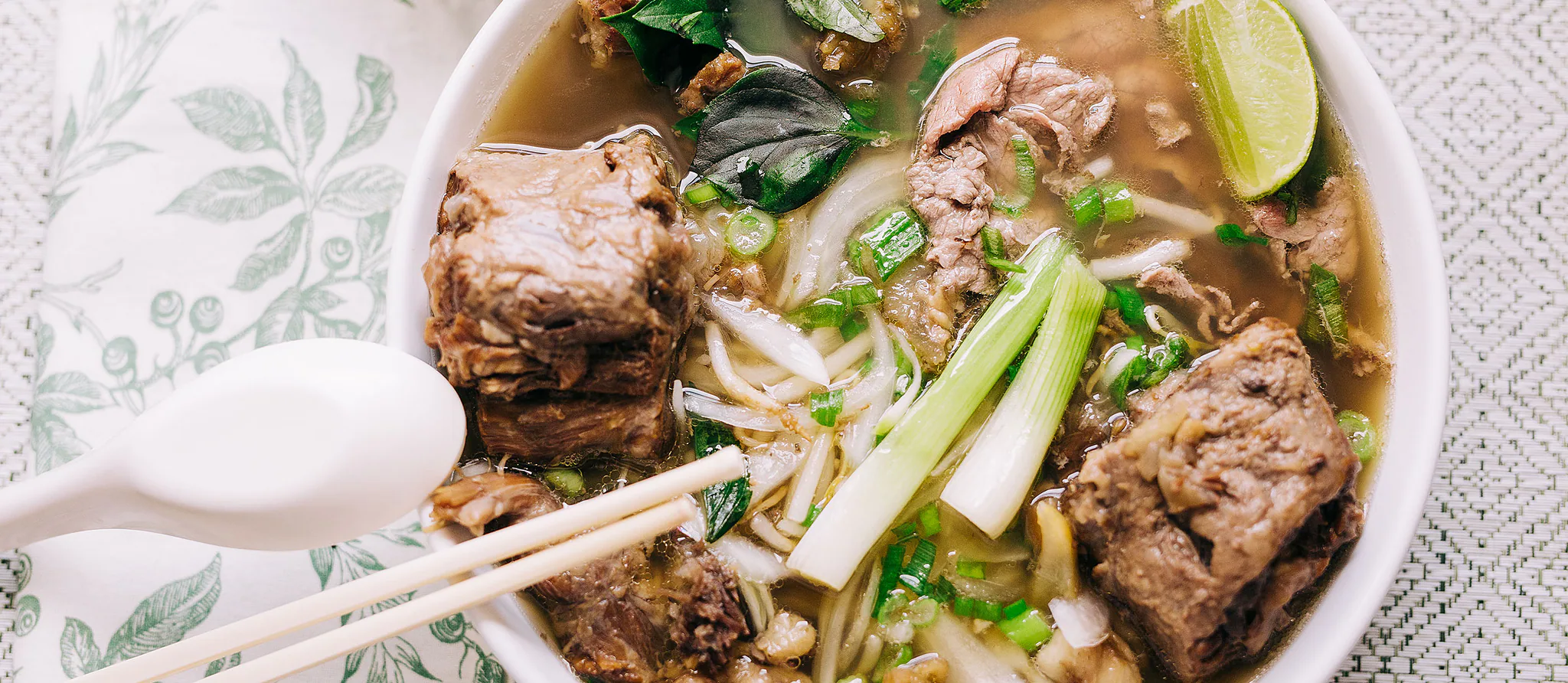
A clear, deeply beefy bone broth perfumed with charred onion, ginger, star anise, cinnamon and cloves, poured over flat rice noodles, slices of simmered brisket (chín) and paper-thin raw beef (tái) that cooks in the bowl. The northern style is restrained: lots of spring onion, a little herb, and lime and chilli on the side.
Phở bò tái chín (Hanoi beef pho with rare and well-done beef) is a Vietnamese soup, ready in about 5 hours 40 minutes and made with oxtail, beef brisket and rice noodles. It serves 6 and is rated intermediate to cook.
- Prep
- 40 min
- Cook
- 5 h
- Total
- 5 h 40 min
- Serves
- 6
- Level
- Intermediate
- Calories
- 1295
Main ingredients
Ingredients
For the broth
For the spice bag
For the bowls
To serve
Method
Broth
15 minStep 1
Put the oxtail (opens in a new tab) and shank in a stockpot, cover with cold water and bring to a hard boil for 5 minutes. Drain, rinse the bones and the pot well to remove the scum; this is what keeps the broth clear.
- 15 min
- high heat
- Stockpot / large pot (opens in a new tab)
Food safety: Wash hands, boards and knives after handling raw meat, and keep it apart from salad and other ready-to-eat food.
Spice bag
5 h 12 minStep 2
Meanwhile char the halved onions (opens in a new tab) and ginger, cut side down, in a dry frying pan (or directly over a gas flame) until blackened in patches, about 10 minutes. Rinse off any loose ash. Toast the star anise (opens in a new tab), cinnamon, cloves (opens in a new tab), cardamom and coriander seeds in the same pan for 1–2 minutes until fragrant, then tie them in a muslin bag.
- 12 min
- medium-high heat
- Frying pan / skillet (opens in a new tab)
Step 3
Return the bones to the pot with the 5 litres of water and the charred onion (opens in a new tab) and ginger. Bring just to the boil, skim, then lower to a bare simmer. Add the brisket (opens in a new tab) and simmer gently, uncovered, skimming often.
- 20 min
- low heat
- Ladle (opens in a new tab)
Step 4
After about 1½ hours, when a skewer slides easily into the brisket (opens in a new tab), lift it out and plunge it into cold water for 10 minutes so it stays moist and pale, then wrap and refrigerate. Add the spice bag to the broth.
- 90 min
- low heat
Step 5
Keep simmering the broth very gently for another 3 hours, topping up with a little hot water if the bones poke out. Remove the spice bag after 45 minutes so the anise (opens in a new tab) does not dominate.
- 180 min
- low heat
The surface should only tremble; a rolling boil makes the broth cloudy.
Step 6
Strain the broth through a fine sieve. Season with the fish sauce (opens in a new tab), sugar (opens in a new tab) and salt: it should taste slightly too salty on its own, as the noodles absorb seasoning. Skim off excess fat, leaving a few golden droplets. Keep at a rolling simmer for serving.
How it looks · Photo: Katerina Holmes on Pexels
Bowls
15 minStep 7
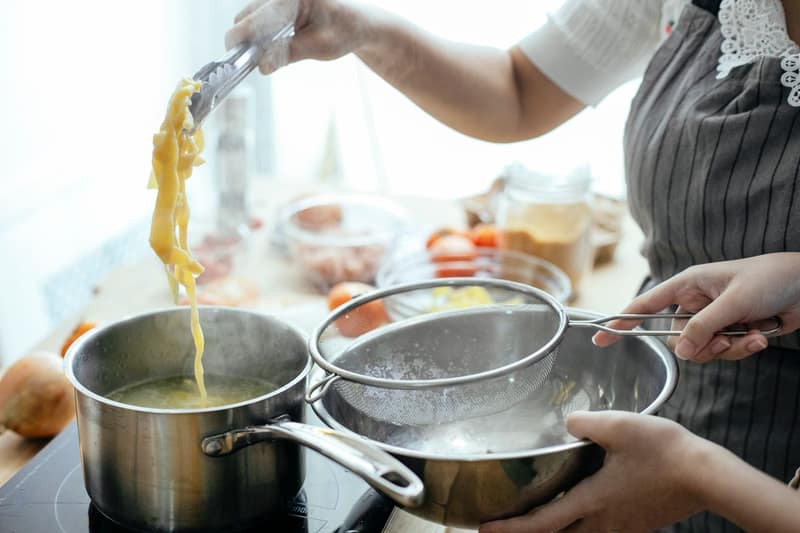
Soak dried noodles in warm water for 20 minutes, then blanch portions for 15–30 seconds in boiling water (fresh noodles just need a quick dip) and drain into warmed bowls. Slice the cooled brisket (opens in a new tab) thinly across the grain.
- 10 min
Step 8
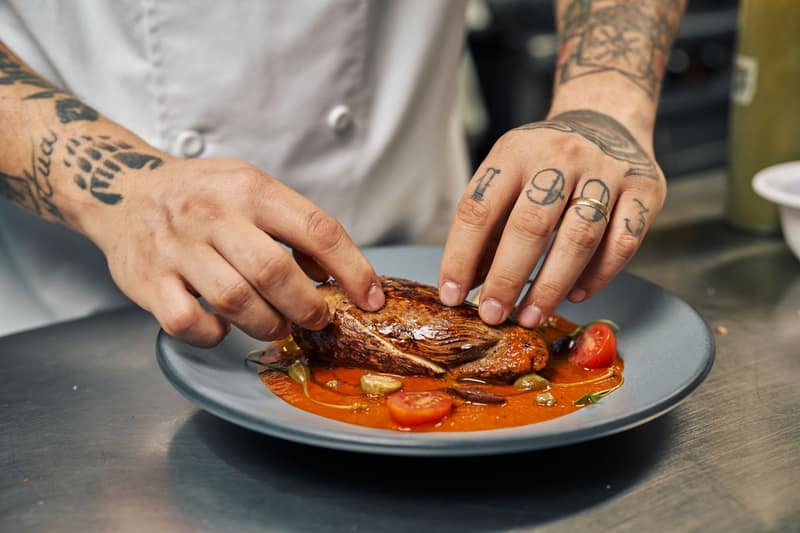
Top each bowl with a few slices of brisket (opens in a new tab), the halved spring onion (opens in a new tab) whites, and the raw beef slices spread in a single layer. Ladle (opens in a new tab) over the boiling broth so it cooks the beef to pink, then scatter with sliced spring onion (opens in a new tab) greens, soaked onion and coriander.
- 5 min
Food safety: Rare beef cooked only by hot broth is not fully cooked; use very fresh whole-muscle beef from a trusted butcher, and avoid it for pregnant people, young children and anyone with a weakened immune system.
To serve
1 minStep 9
Serve at once with lime (opens in a new tab) wedges, sliced chilli and, if you like, bean sprouts (opens in a new tab) and basil (opens in a new tab) for each person to add.
- 1 min
How it looks · Photo: Willians Huerta on Pexels
At a glance
1 · Broth in a pot
 Oxtail
 Beef shank (bone-in, cross-cut)
 Beef brisket
 Onion
 Fresh ginger
 Fish sauce
 Sugar
 Salt
then char
2 · Spice bag in a pan
 Star anise / anise
 Cinnamon stick
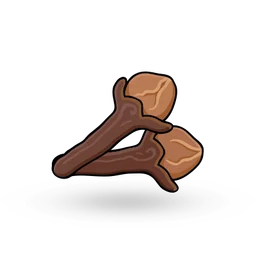 Cloves
- Black cardamom
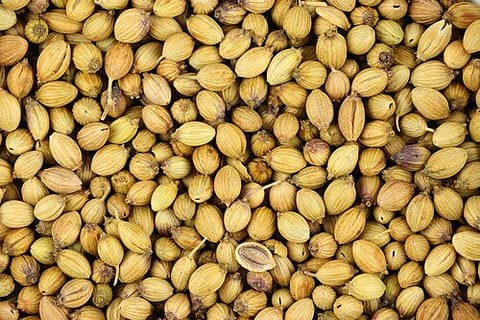 Ground coriander
then soak
3 · Bowls in a pot
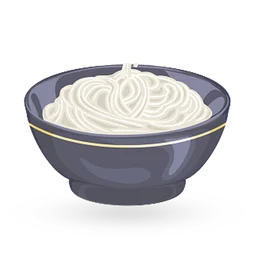 Rice noodles
- Beef sirloin steak
- Spring onion
- Onion
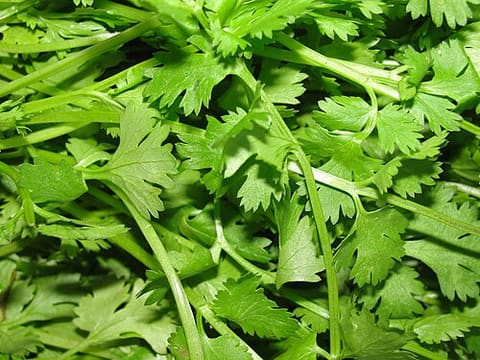 Coriander leaves
then serve
4 · To serve in a bowl
 Lime
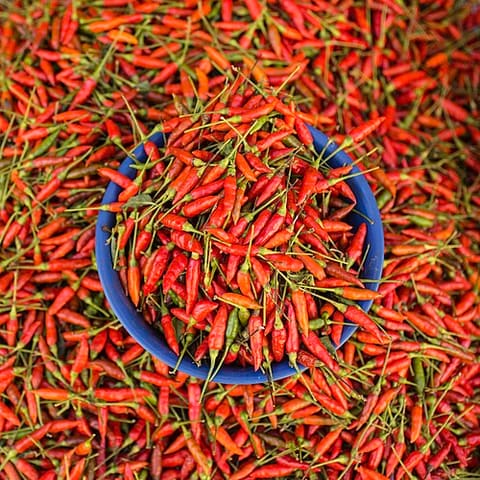 Fresh red chilli
 Bean sprouts
 Basil
About this dish
- Origin
- Northern Vietnam (Hà Nội and Nam Định), Vietnam · Well documentedPho took shape in the Red River delta in the early 20th century; 'tái chín' is the bowl ordered with both rare and well-done beef. Hanoi bowls skip the hoisin and big herb plates common in the south.Also popular in United States, Australia, FranceMore food from Vietnam
Vietnam - Dish
- Breakfast · Lunch · Dinner · Soups · Noodles · Main courses · Breakfast dishes · Noodle soups
- Cooking method
- Simmered, Toasted, Boiled
- Taste
- aromatic / warmly spiced, savoury, umami, fresh
- Diet
- No gluten ingredients · Dairy-free · No nut ingredients · High-proteinWorked out from the ingredients. How labels work
All labels
Non-vegetarian · No gluten ingredients · Dairy-free · Egg-free · No nut ingredients · Alcohol-free · Pork-free · High-protein - Good for
- Make-ahead · Batch cooking
- Cook more with
- Oxtail · Beef brisket · Rice noodles · Beef sirloin steak · Beef shank (bone-in, cross-cut) · Onion
- Techniques
- Toasting · Boiling · Simmering · Blanching · Spice roasting (dry-roasting)
Allergens
- Contains: Fishfrom fish sauce
- May contain: Crustaceansfrom fish sauce
Based on typical versions of these ingredients and not verified allergen-free. Brands differ and cross-contact happens, so always check labels. For severe allergies, follow your clinician’s advice.
Nutrition
1295 kcal per serving
Estimated1 serving ≈ 1453 g · recipe makes 6
Where the energy comes from
- Protein 28%
- Carbohydrate 21%
- Fat 51%
| Nutrient | Per serving | Per 100 g* |
|---|---|---|
| Energy | 1295 kcal | 89 kcal |
| Protein | 88.2 g | 6.1 g |
| Carbohydrate | 68.2 g | 4.7 g |
| Net carbohydrate | 64.5 g | 4.4 g |
| Sugars | — | — |
| Added sugars | 2.1 g | 0.1 g |
| Fibre | 3.8 g | 0.3 g |
| Fat | 72.1 g | 5 g |
| Saturated fat | 30.4 g | 2.1 g |
| Trans fat | — | — |
| Cholesterol | 262 mg | 18 mg |
| Sodium | 2112 mg | 145 mg |
| Salt equivalent | 5.3 g | 0.4 g |
Vitamins & minerals per serving
- Potassium
- 1662 mg
- Calcium
- 210 mg
- Iron
- 9.7 mg
- Magnesium
- 135 mg
- Vitamin A (RAE)
- 20 µg
- Vitamin C
- 19 mg
- Vitamin D
- —
- Vitamin B12
- 11.2 µg
- Folate (DFE)
- 60 µg
How these numbers were made
- Calculated from USDA FoodData Central (SR Legacy) per-100 g values and the listed quantities.
- *Per 100 g of combined raw ingredients; the cooked dish may weigh more or less.
- Optional ingredients are not included: bean sprouts, basil.
- Oxtail: Raw beef short ribs (lean and fat) used as a stand-in; USDA SR Legacy has no oxtail entry. Both are fatty, collagen-rich bone-in cuts — recipes count only the edible portion.
- Beef brisket: Beef chuck (raw) used as a stand-in; whole packer brisket has a similar mix of lean and fat, with more fat in the point and less in the flat.
- Star anise / anise: Anise seed (FDC 171316) used as a stand-in for star anise.
- Black cardamom: Green cardamom (FDC 170919) used as a stand-in; black cardamom is smoky and used whole in small amounts.
- “—” means the value isn’t known for enough of the ingredients; it is never zero by default.
- Values are estimates for guidance, not for medical dosing. U.S. Department of Agriculture, Agricultural Research Service. FoodData Central, 2019. fdc.nal.usda.gov.
Good to know
Tips
- Freeze the steak for 30–40 minutes before slicing so you can cut it almost translucent.
- Make the broth a day ahead: once chilled, the fat sets on top and is easy to lift off.
Common mistakes
- Skipping the initial blanch of the bones, which leaves the broth grey and murky.
- Pouring merely hot broth over the raw beef; it must be at a rolling boil to cook the slices.
Serve with
- In Hanoi, pho is breakfast, often with quẩy (fried dough sticks) torn into the broth.
- Offer garlic vinegar and chilli sauce at the table instead of hoisin for a northern feel.
Food safety
- Rare beef cooked only by hot broth is not fully cooked; use very fresh whole-muscle beef from a trusted butcher, and avoid it for pregnant people, young children and anyone with a weakened immune system.
- Wash hands, boards and knives after handling raw meat, and keep it apart from salad and other ready-to-eat food.
Storage
- Broth keeps 4 days refrigerated or 3 months frozen. Store noodles, brisket and broth separately.
Reheating
- Bring the broth back to a rolling boil before assembling new bowls.
Variations
- Phở tái: Only rare beef in the bowl, no brisket.
- Phở chín: Only well-done meat (brisket or flank), good for those who avoid rare beef.
- Phở tái nạm gầu: Southern-style bowls with rare beef, flank and fatty brisket, served with a big plate of herbs, sprouts and hoisin.
What does 'tái chín' mean?
Tái means rare and chín means cooked through: the bowl comes with raw beef that cooks in the broth plus slices of simmered brisket.
Original editorial recipe · FriendsPantry editorial · source: TasteAtlas (dish facts) · Not yet independently reviewed · Added
Recipe DNA
How this dish is built
Built from the recipe’s own sections. Each band’s width is its share of the dish by weight. Choose a component to see what it does.
The spice and seasoning backbone
For the spice bag
- Star anise / anise5 piece · 2.5 g
- Cinnamon stick1 stick · 3 g
- Cloves5 piece · 0.5 g
- Black cardamom, lightly cracked1 piece · 1.5 g
- Ground coriander1 tsp · 1.9 g
Reviews & corrections
Reviews come from signed-in cooks and appear after a moderator checks them. We never show made-up ratings.
You might also like
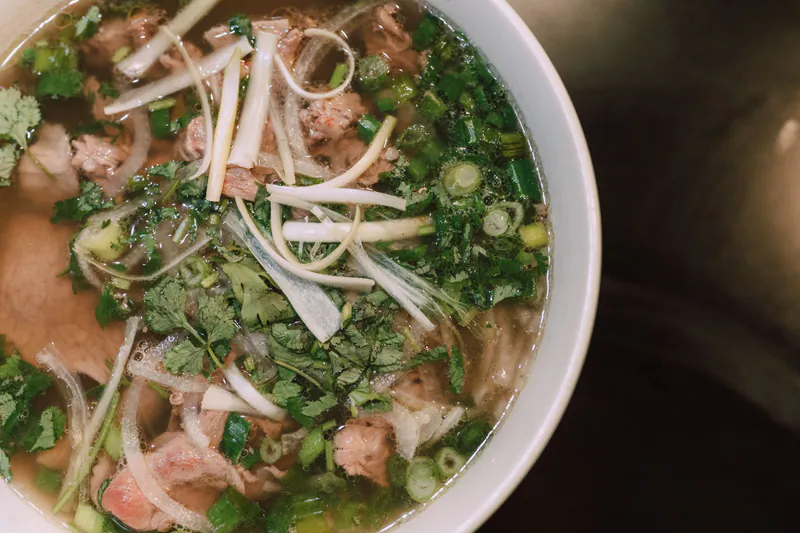
Phở bò (beef pho)
 Vietnamese · 1 h 15 min · 624 kcal
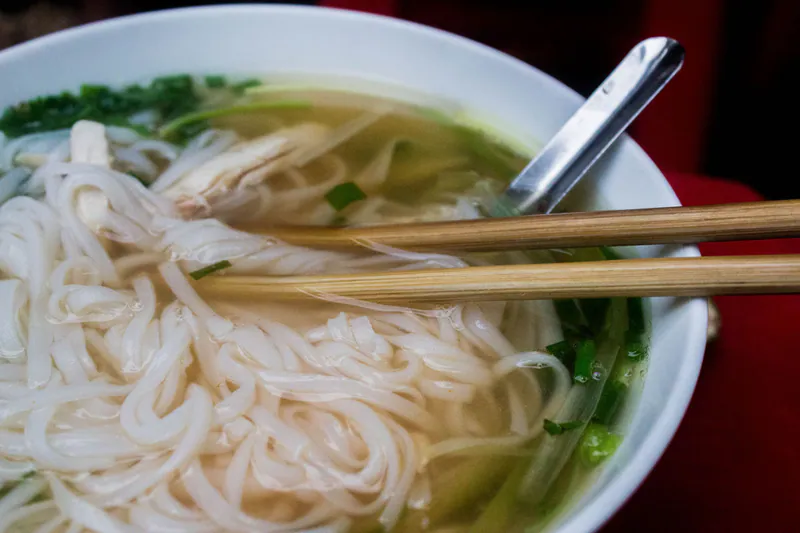
Phở gà
Vietnamese · 1 h 50 min · 811 kcal
Bún bò Huế
Vietnamese · 3 h · 669 kcal
Feu (Lao beef noodle soup)
 Lao · 4 h · 471 kcal