
Penang assam laksa
Non-vegetarian
Asam laksa Pulau Pinang
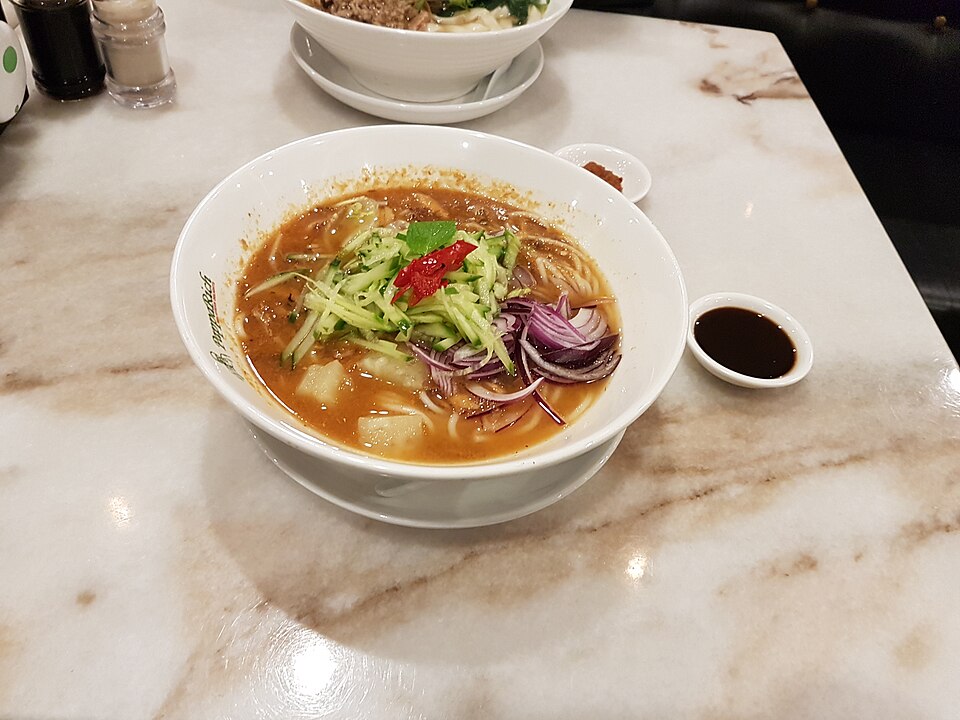
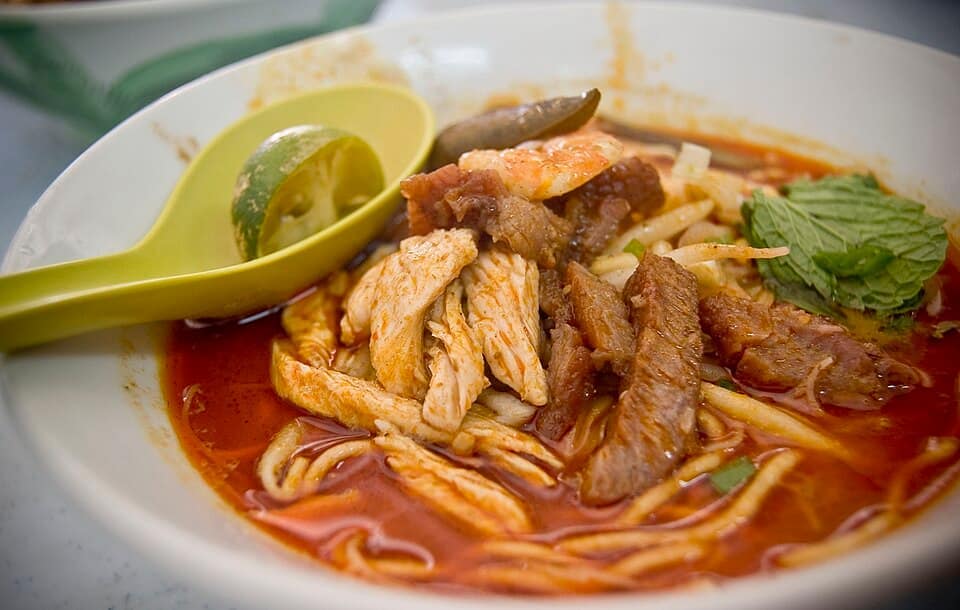
Thick rice noodles in a hot, sour tamarind and mackerel broth, topped with a crunchy pile of cucumber, pineapple, onion, chilli and mint.
Penang assam laksa is a Malaysian noodle dish, ready in about 1 hour 15 minutes and made with mackerel, tamarind paste and rice noodles. It serves 4 and is rated intermediate to cook.
- Prep
- 30 min
- Cook
- 45 min
- Total
- 1 h 15 min
- Serves
- 4
- Level
- Intermediate
- Calories
- 673
Main ingredients
Ingredients
For the paste
Method
Step 1
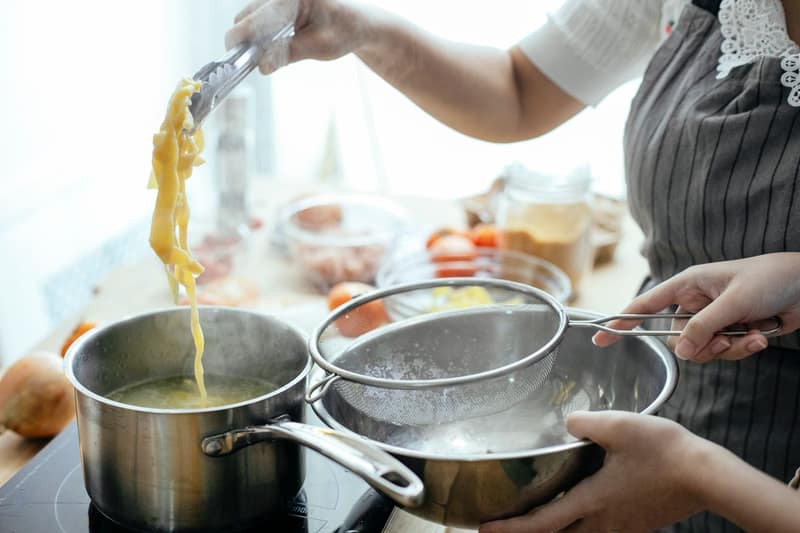
Simmer the mackerel (opens in a new tab) in the water until cooked. Lift out, flake the flesh and return bones and heads to the pot to simmer 15 minutes; strain.
- 25 min
- medium-low heat
- Stockpot / large pot (opens in a new tab)
Food safety: Cook fish until it is opaque and flakes easily (63 °C).
How it looks · Photo: Katerina Holmes on Pexels Step 2
Blend the chillies, shallots (opens in a new tab), lemongrass (opens in a new tab), galangal (opens in a new tab), turmeric (opens in a new tab) and shrimp paste (opens in a new tab) to a paste.
Step 3
Stir the paste and tamarind into the stock with most of the flaked fish. Simmer until the broth is thick, sour and fragrant; season with sugar (opens in a new tab) and salt.
- 15 min
- low heat
Step 4
Put noodles in bowls, ladle over the hot broth and pile on cucumber (opens in a new tab), pineapple (opens in a new tab), onion, daun kesum (opens in a new tab), lettuce (opens in a new tab) and chilli.
- 5 min
At a glance
 Mackerel
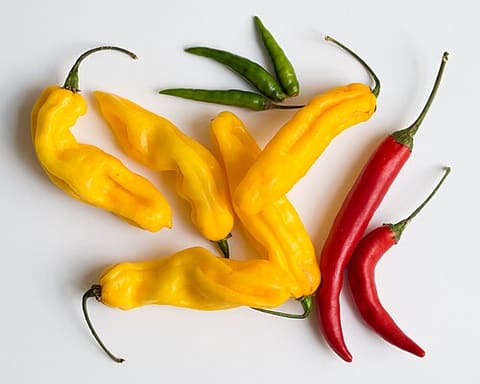 Dried whole chillies
 Shallot
 Lemongrass
 Galangal
 Turmeric
 Shrimp paste
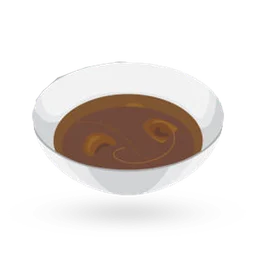 Tamarind paste
 Sugar
 Salt
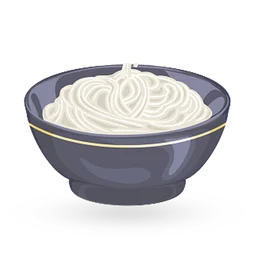 Rice noodles
 Cucumber
 Pineapple
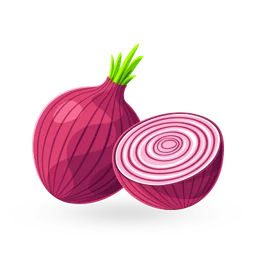 Red onion
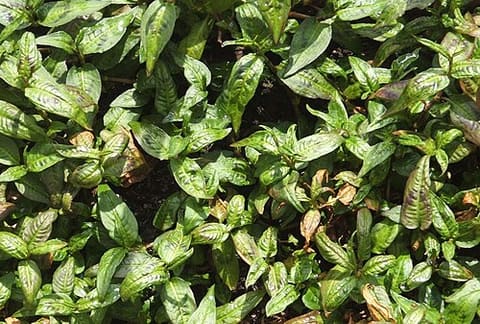 Laksa leaf (Vietnamese coriander)
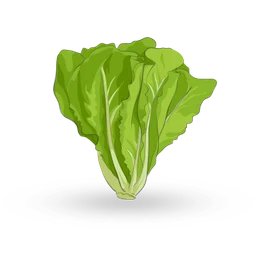 Lettuce
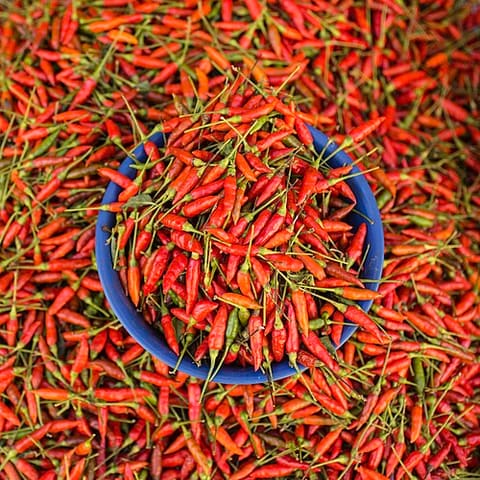 Fresh red chilli
About this dish
- Origin
- Penang, Malaysia · Well documentedAlso popular in SingaporeMore food from Malaysia
Malaysia - Dish
- Lunch · Dinner · Noodles · Soups · Noodle soups
- Cooking method
- Simmered, Boiled
- Taste
- sour, spicy (chilli heat), umami, fresh
- Diet
- Pescatarian · No gluten ingredients · Dairy-free · No nut ingredients · High-proteinWorked out from the ingredients. How labels work
All labels
Pescatarian · Non-vegetarian · No gluten ingredients · Dairy-free · Egg-free · No nut ingredients · Alcohol-free · Pork-free · Beef-free · High-protein · Low-fat - Good for
- Street food
- Cook more with
- Mackerel · Tamarind paste · Rice noodles · Dried whole chillies · Shallot · Lemongrass
Allergens
- Contains: Fishfrom mackerel
- Contains: Crustaceansfrom shrimp paste
Based on typical versions of these ingredients and not verified allergen-free. Brands differ and cross-contact happens, so always check labels. For severe allergies, follow your clinician’s advice.
Nutrition
673 kcal per serving
Estimated1 serving ≈ 809 g · recipe makes 4
Where the energy comes from
- Protein 19%
- Carbohydrate 57%
- Fat 25%
| Nutrient | Per serving | Per 100 g* |
|---|---|---|
| Energy | 673 kcal | 83 kcal |
| Protein | 31.2 g | 3.9 g |
| Carbohydrate | 94.9 g | 11.7 g |
| Net carbohydrate | 89 g | 11 g |
| Sugars | 18.5 g | 2.3 g |
| Added sugars | 3.1 g | 0.4 g |
| Fibre | 6 g | 0.7 g |
| Fat | 18.6 g | 2.3 g |
| Saturated fat | 4.3 g | 0.5 g |
| Trans fat | — | — |
| Cholesterol | 88 mg | 11 mg |
| Sodium | 976 mg | 121 mg |
| Salt equivalent | 2.4 g | 0.3 g |
Vitamins & minerals per serving
- Potassium
- 1087 mg
- Calcium
- 132 mg
- Iron
- 5.6 mg
- Magnesium
- 168 mg
- Vitamin A (RAE)
- 175 µg
- Vitamin C
- 28 mg
- Vitamin D
- 20.1 µg
- Vitamin B12
- 10.9 µg
- Folate (DFE)
- 60 µg
How these numbers were made
- Calculated from USDA FoodData Central (SR Legacy) per-100 g values and the listed quantities.
- *Per 100 g of combined raw ingredients; the cooked dish may weigh more or less.
- Optional ingredients are not included: fresh red chilli.
- Galangal: Fresh ginger used as a stand-in: no galangal entry in FDC SR Legacy, and galangal is a closely related rhizome used in similar small amounts.
- Shrimp paste: Fish sauce (FDC 174531) at 1.5× as a stand-in salted fermented seafood condiment; protein is understated.
- Tamarind paste: Raw tamarind pulp (FDC 167763). Commercial concentrates vary in water content.
- Laksa leaf (Vietnamese coriander): Coriander leaves used as a stand-in for this leafy herb, eaten in similar small amounts.
- “—” means the value isn’t known for enough of the ingredients; it is never zero by default.
- Values are estimates for guidance, not for medical dosing. U.S. Department of Agriculture, Agricultural Research Service. FoodData Central, 2019. fdc.nal.usda.gov.
Good to know
Tips
- Mash some of the fish into the broth — it gives the body assam laksa is known for.
Common mistakes
- Skimping on the sour: the broth should be boldly tart.
Serve with
- Drizzle with hae ko (black prawn paste) thinned with hot water, as in Penang.
Storage
- Broth keeps 3 days in the fridge.
Reheating
- Reheat broth to a simmer; assemble fresh.
Variations
- Kedah laksa: A northern version with a thinner, less sweet broth.
Original editorial recipe · FriendsPantry editorial · Not yet independently reviewed · Added
Recipe DNA
How this dish is built
Built from the recipe’s own sections. Each band’s width is its share of the dish by weight. Choose a component to see what it does.
What the dish is built around
Main ingredient
- Mackerel, whole fish or fillets500 g
- Rice noodles, thick round rice noodles (laksa noodles), dried weight, cooked300 g
- Cucumber, julienned1 piece · 300 g
- Pineapple, julienned150 g
- Lettuce, shredded4 leaf · 40 g
- Fresh red chilli, sliced (optional)2 piece · 12 g
Reviews & corrections
Reviews come from signed-in cooks and appear after a moderator checks them. We never show made-up ratings.
You might also like
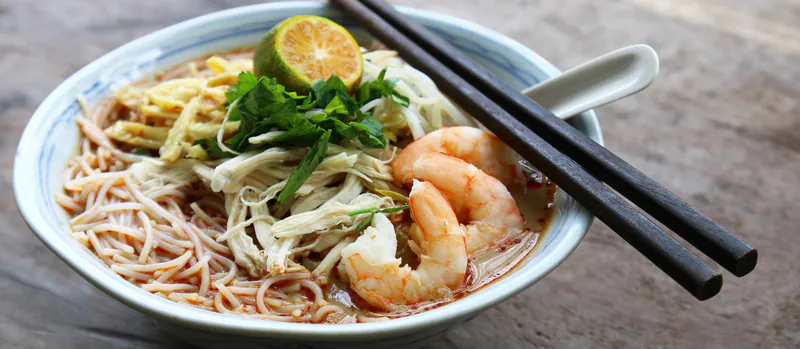
Sarawak laksa (Kuching laksa)
 Malaysian · 2 h · 1057 kcal
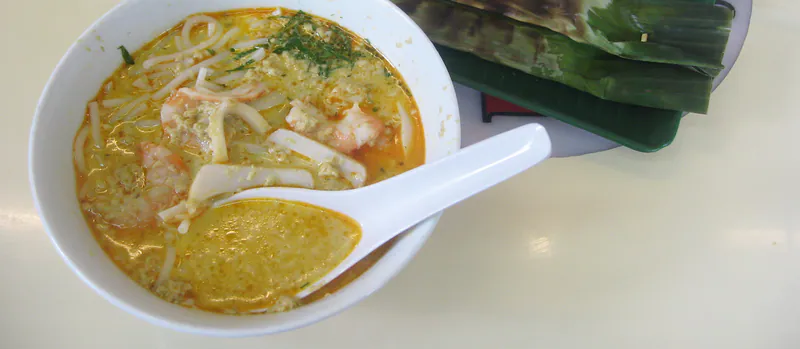
Katong laksa (Singapore coconut prawn laksa)
 Singaporean · 1 h 30 min · 1241 kcal
Curry laksa
Malaysian · 1 h 5 min · 950 kcal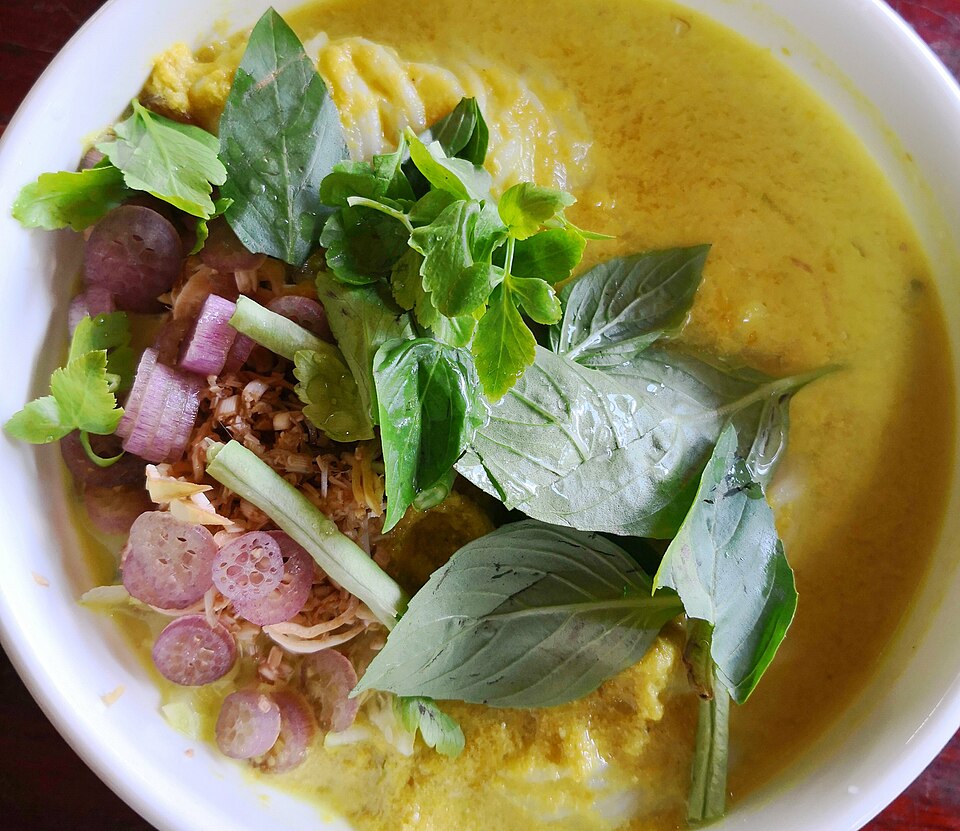
Nom banh chok
 Cambodian · 1 h · 714 kcal