
 Ethiopian · Eritrean · Stews & braises
Misir wot
Vegetarian
ምስር ወጥ · misir wet
Split red lentils simmered into a thick, brick-red stew with slow-cooked onions, garlic, ginger and plenty of berbere. A fasting-day staple served on injera.
Misir wot is an Ethiopian stew, ready in about 1 hour and made with berbere and red lentils. It serves 4 and is rated easy to cook.
No licensed photograph of this dish yet.
- Prep
- 15 min
- Cook
- 45 min
- Total
- 1 h
- Serves
- 4
- Level
- Easy
- Calories
- 351
Main ingredients
Method
Step 1
Cook the onions (opens in a new tab) in a dry saucepan (opens in a new tab) over medium-low heat, stirring often, until they soften and shrink. Add a splash of water if they start to catch.
- 10 min
- medium-low heat
- Saucepan (opens in a new tab)
Cooking the onions without fat first is the classic Ethiopian technique and gives the stew its body.
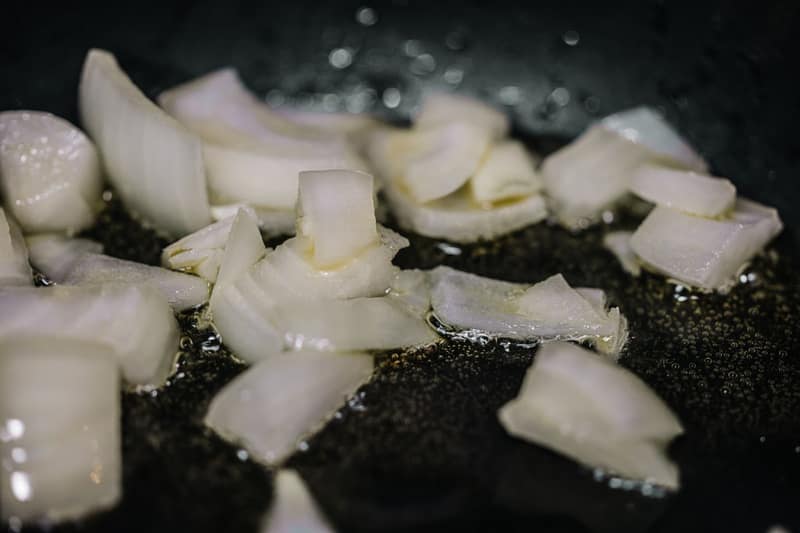
How it looks · Photo: Magda Ehlers on Pexels Step 2
Add the niter kibbeh (opens in a new tab), garlic (opens in a new tab) and ginger and cook for 2–3 minutes, then stir in the berbere (opens in a new tab) and tomato paste (opens in a new tab) and fry for another 2 minutes until deep red and fragrant.
- 5 min
- medium-low heat
Step 3
Add the lentils and about 750 ml of the water. Bring to a simmer and cook, stirring regularly, until the lentils collapse into a thick stew; add more water as needed.
- 25 min
- medium-low heat
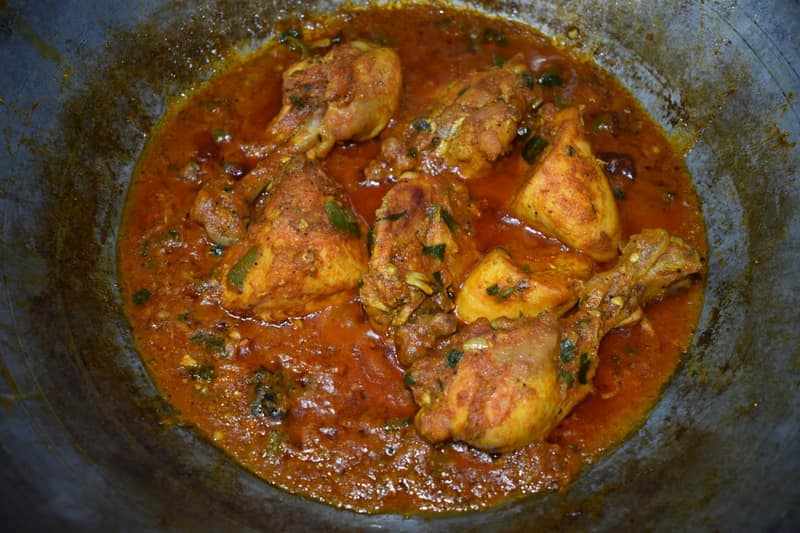
How it looks · Photo: Bachir Mamud on Pexels Step 4
Season with the salt, simmer a few minutes more, and serve warm on injera.
- 5 min
- low heat
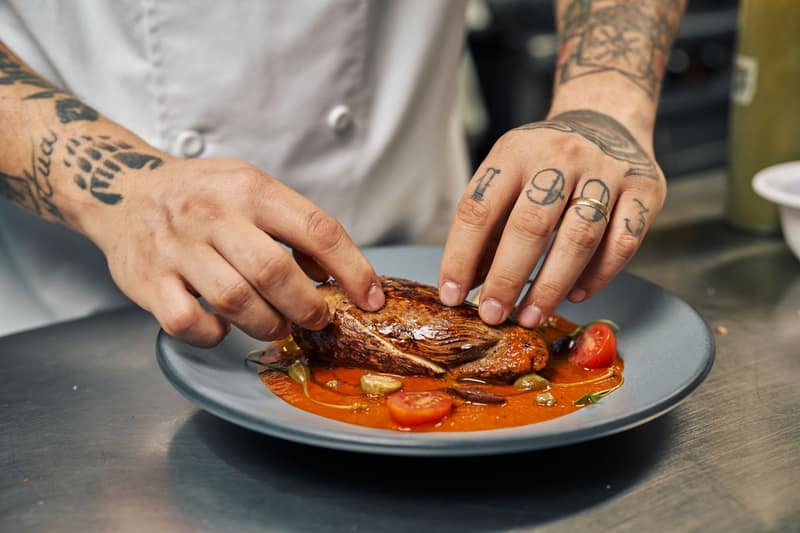
How it looks · Photo: Willians Huerta on Pexels
At a glance
 Onion
 Niter kibbeh (Ethiopian spiced butter)
 Garlic
 Fresh ginger
 Berbere
 Tomato paste
 Red lentils
 Salt
About this dish
- Origin
- Ethiopia · Commonly attributedEaten in much the same form in Eritrea, where it is called tsebhi birsen.Also popular in EritreaMore food from Ethiopia
Ethiopia - Dish
- Lunch · Dinner · Stews & braises · Main courses
- Cooking method
- Simmered, Sautéed
- Taste
- spicy (chilli heat), earthy, aromatic / warmly spiced, savoury
- Diet
- Vegetarian (lacto-ovo) · No gluten ingredients · No nut ingredientsWith the listed swaps: Vegan, Plant-based, Ovo-vegetarian, Dairy-freeWorked out from the ingredients. How labels work
All labels
Vegetarian (lacto-ovo) · Eggetarian · Lacto-vegetarian · Pescatarian · Flexitarian-friendly · Whole-food focused · No gluten ingredients · Egg-free · No nut ingredients · No added sugar · Alcohol-free · Pork-free · Beef-free · Calorie-conscious - Good for
- One-pot · Budget-friendly · Freezer-friendly · Make-ahead
- Cook more with
- Berbere · Red lentils · Onion · Niter kibbeh (Ethiopian spiced butter) · Garlic · Fresh ginger
Allergens
- Contains, can be adapted: Milkfrom niter kibbeh (ethiopian spiced butter)
Based on typical versions of these ingredients and not verified allergen-free. Brands differ and cross-contact happens, so always check labels. For severe allergies, follow your clinician’s advice.
Nutrition
351 kcal per serving
Estimated1 serving ≈ 390 g · recipe makes 4
Where the energy comes from
- Protein 18%
- Carbohydrate 53%
- Fat 29%
| Nutrient | Per serving | Per 100 g* |
|---|---|---|
| Energy | 351 kcal | 90 kcal |
| Protein | 16.4 g | 4.2 g |
| Carbohydrate | 48 g | 12.3 g |
| Net carbohydrate | 39 g | 10 g |
| Sugars | — | — |
| Added sugars | 0 g | 0 g |
| Fibre | 9 g | 2.3 g |
| Fat | 11.9 g | 3.1 g |
| Saturated fat | 6.6 g | 1.7 g |
| Trans fat | 0 g | 0 g |
| Cholesterol | 26 mg | 7 mg |
| Sodium | 689 mg | 177 mg |
| Salt equivalent | 1.7 g | 0.4 g |
Vitamins & minerals per serving
- Potassium
- 616 mg
- Calcium
- 86 mg
- Iron
- 5.5 mg
- Magnesium
- 55 mg
- Vitamin A (RAE)
- 137 µg
- Vitamin C
- 7 mg
- Vitamin D
- 0 µg
- Vitamin B12
- 0 µg
- Folate (DFE)
- 139 µg
How these numbers were made
- Calculated from USDA FoodData Central (SR Legacy) per-100 g values and the listed quantities.
- *Per 100 g of combined raw ingredients; the cooked dish may weigh more or less.
- Niter kibbeh (Ethiopian spiced butter): Anhydrous butter oil (ghee) used as a stand-in; niter kibbeh is clarified butter simmered with spices, which add negligible nutrients.
- Berbere: Blended chili powder (FDC 171319) used as a stand-in; berbere is a chilli-based Ethiopian/Eritrean blend with fenugreek, coriander and warm spices and has a broadly similar profile.
- “—” means the value isn’t known for enough of the ingredients; it is never zero by default.
- Values are estimates for guidance, not for medical dosing. U.S. Department of Agriculture, Agricultural Research Service. FoodData Central, 2019. fdc.nal.usda.gov.
Good to know
Tips
- The stew thickens as it stands — loosen leftovers with a little hot water.
Common mistakes
- Frying berbere over high heat scorches it and makes the stew bitter.
Serve with
- Serve on injera with gomen and shiro as part of a mixed platter (beyaynetu).
Storage
- Refrigerate up to 4 days or freeze up to 3 months.
Reheating
- Reheat gently with a splash of water, stirring.
Variations
- Kik alicha: A mild yellow version made with split peas, turmeric and no berbere.
Original editorial recipe · FriendsPantry editorial · Not yet independently reviewed · Added
Recipe DNA
How this dish is built
Grouped by each ingredient’s role in the dish. Each band’s width is its share of the dish by weight. Choose a component to see what it does.
What the dish is built around
Main ingredient
- Tomato paste1 tbsp · 16 g
- Red lentils, rinsed until the water runs clear250 g
Masalas in this recipe
Make the masala first, then come back to finish the dish.
Dry spice blend
Berbere spice blend
This recipe uses 2 tbsp (13 g for 4 servings).
Reviews & corrections
Reviews come from signed-in cooks and appear after a moderator checks them. We never show made-up ratings.
You might also like
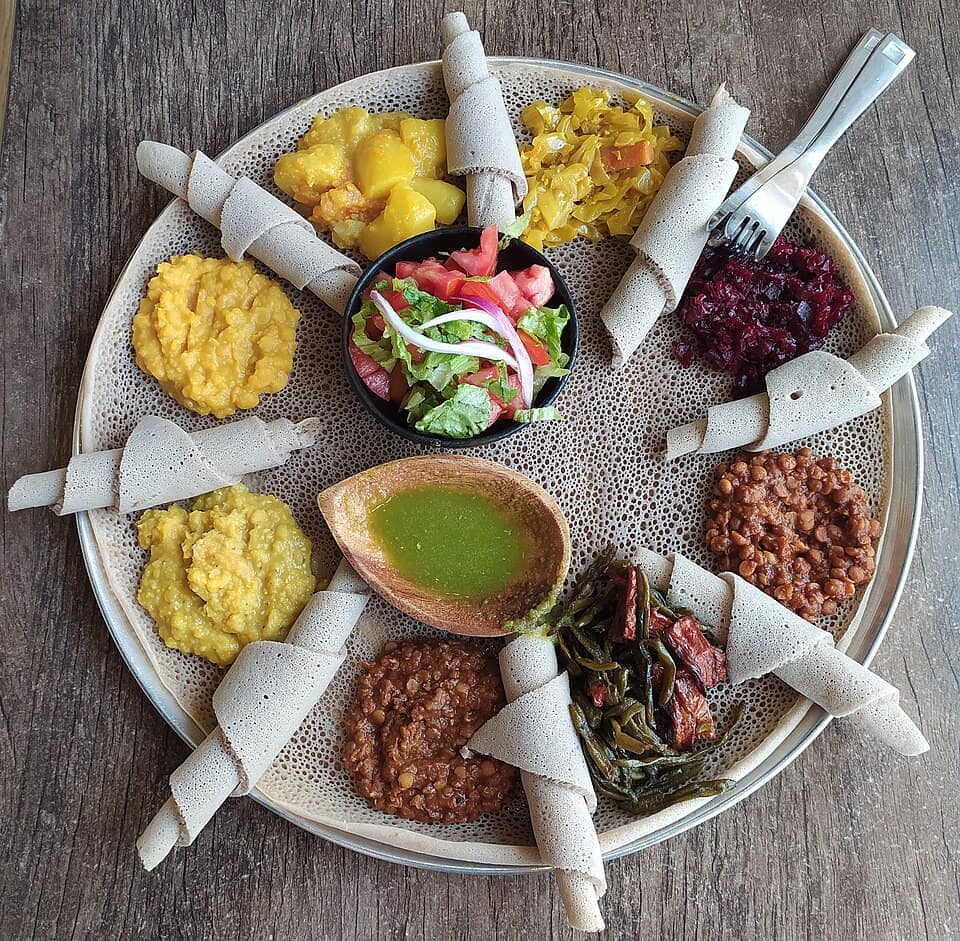
Injera
Ethiopian · 48 h 55 min · 165 kcal · VeganGomen
Ethiopian · 40 min · 169 kcal · Vegan
Shiro
Ethiopian · 40 min · 273 kcal · VeganKey wat (Ethiopian red beef stew)
Ethiopian · 2 h 40 min · 407 kcal