
Mì Quảng (Quang-style turmeric noodles with pork and shrimp)
Non-vegetarian
Mì Quảng · mì Quảng
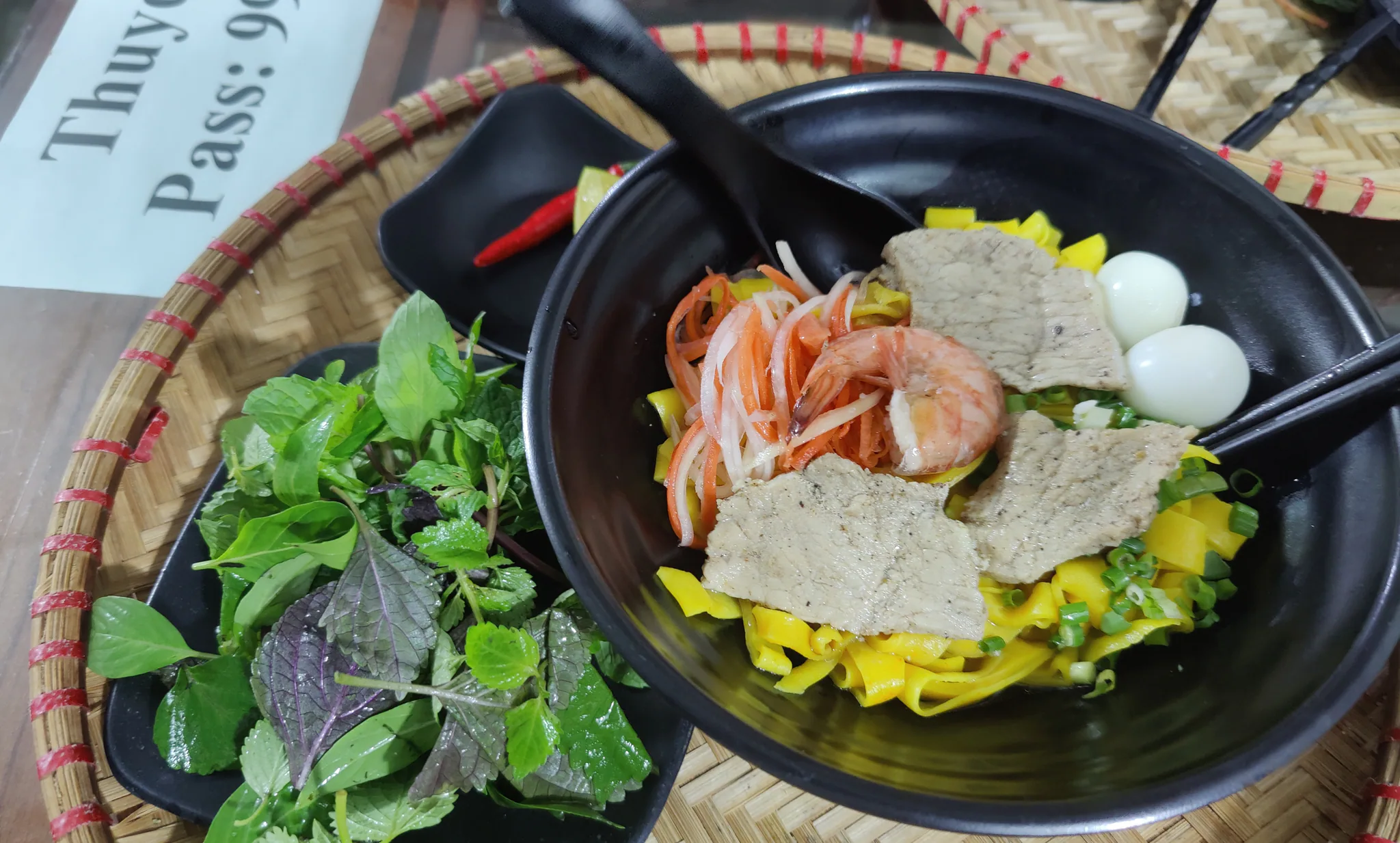
Wide, turmeric-yellow rice noodles served with just a ladle of intense, annatto-red broth, topped with caramelised pork belly, shrimp, boiled eggs, roasted peanuts and a pile of fresh herbs, with a crisp sesame rice cracker on the side. The signature noodle dish of Quảng Nam province in central Vietnam.
Mì Quảng (Quang-style turmeric noodles with pork and shrimp) is a Vietnamese noodle dish, ready in about 1 hour 50 minutes and made with pork belly, prawns / shrimp and fresh wide rice noodles (ho fun). It serves 4 and is rated intermediate to cook.
- Prep
- 40 min
- Cook
- 40 min
- Rest
- 30 min
- Total
- 1 h 50 min
- Serves
- 4
- Level
- Intermediate
- Calories
- 1171
Main ingredients
Ingredients
For the pork and shrimp
For the broth
For the noodles
For the toppings
For the herbs and garnishes
Method
Pork and shrimp
25 minStep 1
Toss the pork with half the shallots (opens in a new tab) and garlic (opens in a new tab), 1 tbsp fish sauce (opens in a new tab), the sugar (opens in a new tab), turmeric (opens in a new tab) and pepper (opens in a new tab). Toss the shrimp (opens in a new tab) with the remaining fish sauce. Leave both for 30 minutes.
- 8 min
Food safety: Wash hands, boards and knives after handling raw meat, and keep it apart from salad and other ready-to-eat food.
Step 2
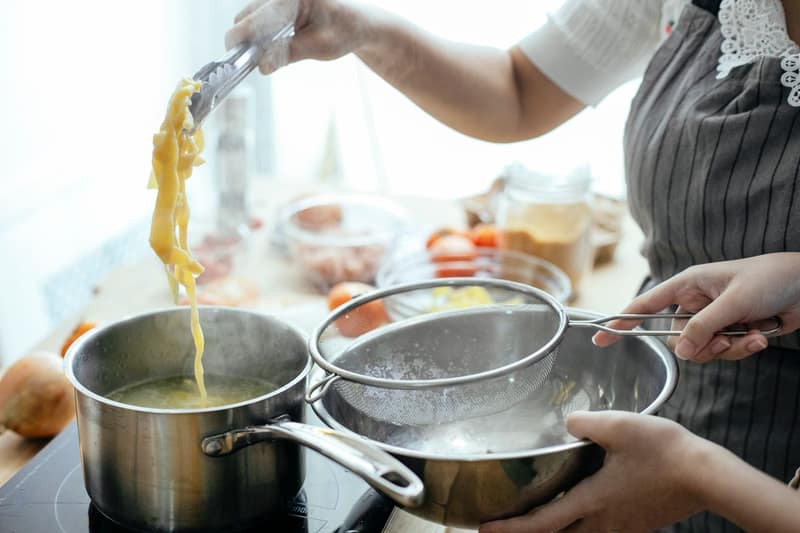
Warm the oil with the annatto seeds (opens in a new tab) over low heat until the oil turns deep red, 3 minutes. Strain out and discard the seeds.
How it looks · Photo: Katerina Holmes on Pexels Step 3
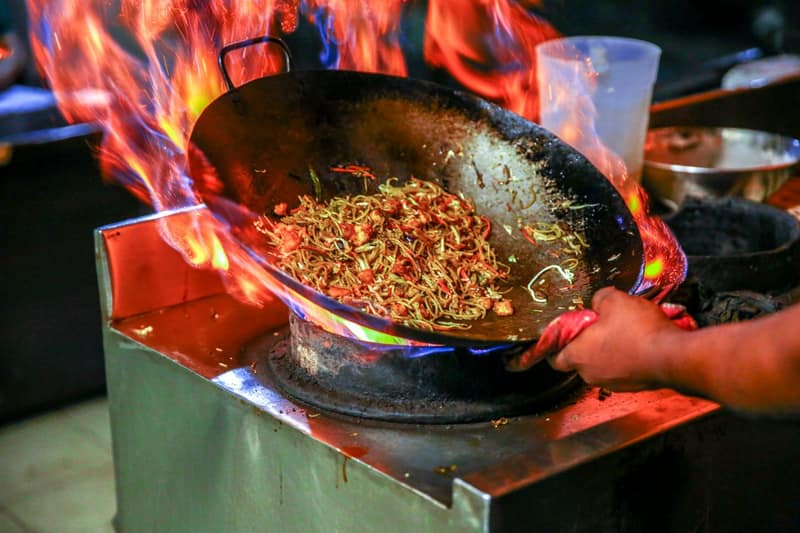
Heat the annatto oil in a wok (opens in a new tab), fry the remaining shallots (opens in a new tab) and garlic (opens in a new tab) until fragrant, add the pork and stir-fry until it renders and caramelises, 8–10 minutes. Add the shrimp (opens in a new tab) and cook until pink, 2–3 minutes.
- 13 min
- medium-high heat
- Wok (opens in a new tab)
How it looks · Photo: Aesthos AR. Photography on Pexels
Broth
15 minStep 4
Pour in the stock, fish sauce (opens in a new tab) and sugar (opens in a new tab), bring to a boil and simmer for 15 minutes so the broth becomes concentrated and red-gold. Taste: it should be quite salty and rich, as only a little goes in each bowl.
- 15 min
- medium heat
Herbs and garnishes
5 minStep 5
Briefly blanch the fresh noodles in boiling water to loosen them, 30 seconds, and drain. Mix the lettuce (opens in a new tab), bean sprouts (opens in a new tab) and herbs.
Toppings
5 minStep 6
Put a handful of greens in each bowl, then noodles. Top with pork, shrimp (opens in a new tab) and eggs (opens in a new tab), ladle (opens in a new tab) over just enough broth to come a third of the way up the noodles, and scatter with peanuts and spring onion (opens in a new tab). Serve with a rice cracker broken over the top, lime (opens in a new tab) and chilli.
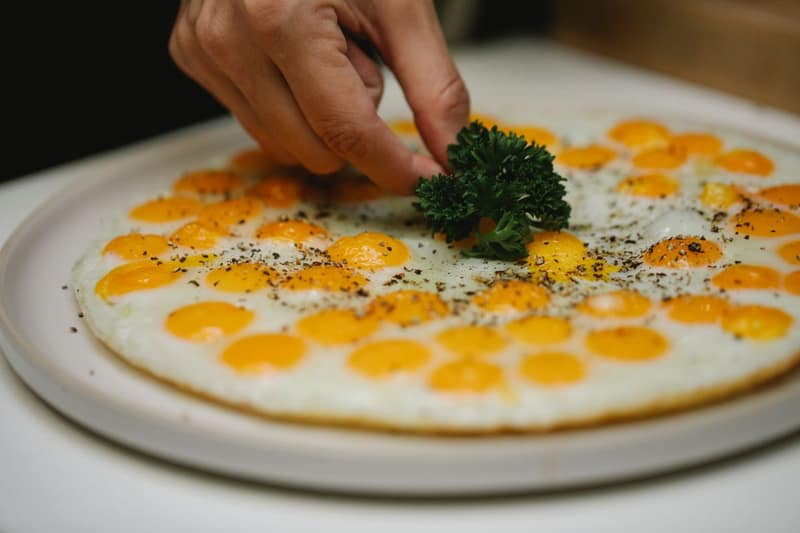
How it looks · Photo: Klaus Nielsen on Pexels
At a glance
1 · Pork and shrimp in a pan
 Pork belly
 Prawns / shrimp
 Shallot
 Garlic
 Fish sauce
 Sugar
 Turmeric
 Black pepper
 Neutral vegetable oil
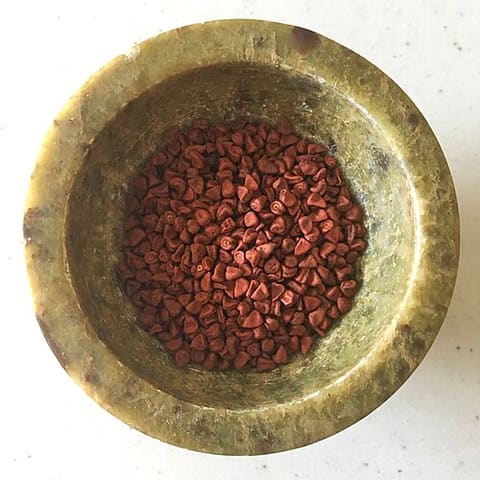 Annatto (achiote) seeds / ground
then pour
2 · Broth in a pot
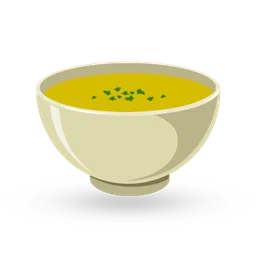 Chicken stock
- Fish sauce
- Sugar
then briefly
3 · Herbs and garnishes in a bowl
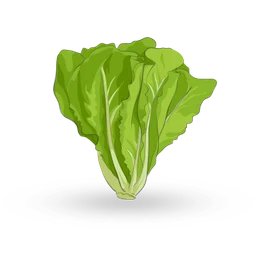 Lettuce
 Bean sprouts
 Mint
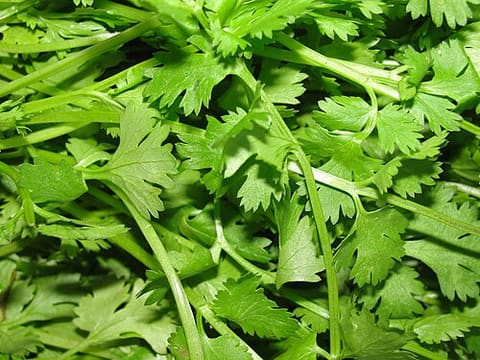 Coriander leaves
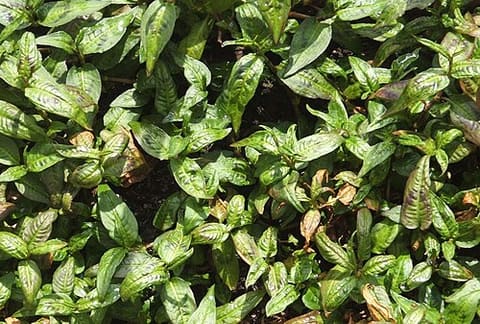 Laksa leaf (Vietnamese coriander)
- Spring onion
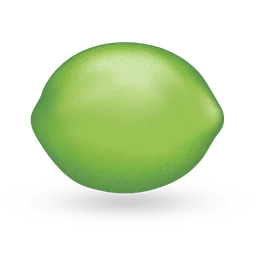 Lime
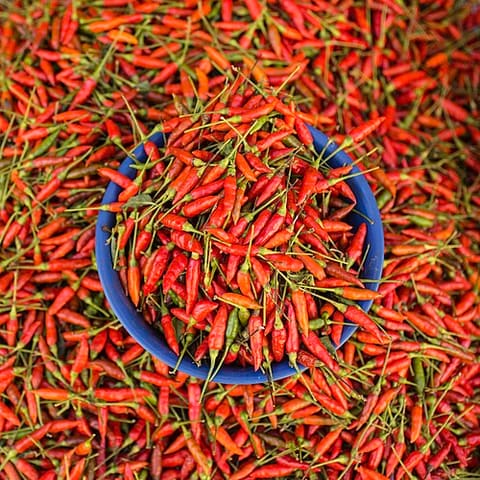 Fresh red chilli
then put
4 · Toppings in a bowl
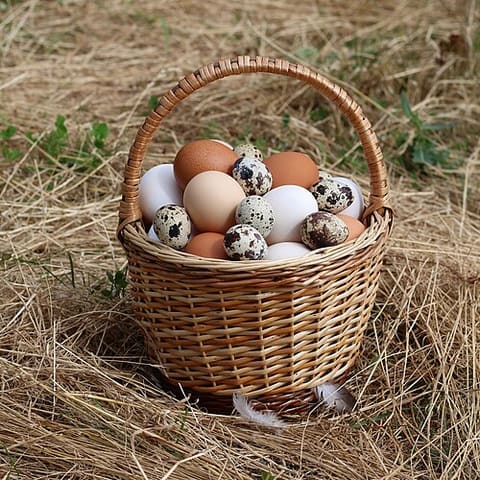 Egg
 Roasted peanuts
- Sesame rice crackers (bánh tráng mè)
About this dish
- Origin
- Quảng Nam province and Đà Nẵng, Vietnam · Well documentedUnlike phở, mì Quảng is served with only a little broth (nước nhưn) concentrated enough to coat the noodles; toppings vary from pork and shrimp to chicken, fish or frog.More food from Vietnam
Vietnam - Dish
- Breakfast · Lunch · Noodles · Main courses · Breakfast dishes
- Cooking method
- Stir-fried, Simmered, Boiled
- Taste
- savoury, umami, fresh, nutty
- Diet
- No gluten ingredients · Dairy-free · High-proteinWorked out from the ingredients. How labels work
All labels
Non-vegetarian · No gluten ingredients · Dairy-free · Alcohol-free · Beef-free · High-protein - Good for
- Festive & celebration
- Cook more with
- Pork belly · Prawns / shrimp · Fresh wide rice noodles (ho fun) · Shallot · Garlic · Fish sauce
- Techniques
- Stir-frying · Boiling · Simmering · Blanching
Allergens
- Contains: Eggsfrom egg
- Contains: Fishfrom fish sauce
- Contains: Crustaceansfrom prawns / shrimp, fish sauce
- Contains: Peanutsfrom roasted peanuts
- Contains: Sesamefrom sesame rice crackers (bánh tráng mè)
- May contain: Celeryfrom chicken stock
Based on typical versions of these ingredients and not verified allergen-free. Brands differ and cross-contact happens, so always check labels. For severe allergies, follow your clinician’s advice.
Nutrition
1171 kcal per serving
Estimated1 serving ≈ 822 g · recipe makes 4
Where the energy comes from
- Protein 16%
- Carbohydrate 29%
- Fat 55%
| Nutrient | Per serving | Per 100 g* |
|---|---|---|
| Energy | 1171 kcal | 142 kcal |
| Protein | 46.5 g | 5.7 g |
| Carbohydrate | 85.8 g | 10.4 g |
| Net carbohydrate | — | — |
| Sugars | — | — |
| Added sugars | 4.2 g | 0.5 g |
| Fibre | — | — |
| Fat | 71.7 g | 8.7 g |
| Saturated fat | 21.2 g | 2.6 g |
| Trans fat | — | — |
| Cholesterol | 377 mg | 46 mg |
| Sodium | 1679 mg | 204 mg |
| Salt equivalent | 4.2 g | 0.5 g |
Vitamins & minerals per serving
- Potassium
- 1172 mg
- Calcium
- 171 mg
- Iron
- 5.1 mg
- Magnesium
- 125 mg
- Vitamin A (RAE)
- —
- Vitamin C
- —
- Vitamin D
- —
- Vitamin B12
- —
- Folate (DFE)
- —
How these numbers were made
- Calculated from USDA FoodData Central (SR Legacy) per-100 g values and the listed quantities.
- *Per 100 g of combined raw ingredients; the cooked dish may weigh more or less.
- Not counted (tiny amounts or “to taste”): annatto (achiote) seeds / ground.
- Fresh wide rice noodles (ho fun): Cooked rice noodles (FDC 168914) used as a stand-in for fresh flat rice noodles; fresh ho fun usually contain a little more oil.
- Sesame rice crackers (bánh tráng mè): Dry rice noodles (FDC 169742) used as a stand-in; bánh tráng mè are thick rice-flour sheets studded with sesame that are grilled or microwaved until puffed and crisp.
- Laksa leaf (Vietnamese coriander): Coriander leaves used as a stand-in for this leafy herb, eaten in similar small amounts.
- “—” means the value isn’t known for enough of the ingredients; it is never zero by default.
- Values are estimates for guidance, not for medical dosing. U.S. Department of Agriculture, Agricultural Research Service. FoodData Central, 2019. fdc.nal.usda.gov.
Good to know
Tips
- Shredded banana blossom is a traditional addition to the herb plate if you can find it.
- Mix everything in the bowl thoroughly before eating so the broth coats the noodles.
Common mistakes
- Serving it like phở, drowned in broth; mì Quảng needs only a small amount of strong broth.
Serve with
- Serve with a dish of chilli jam or pickled chillies and Vietnamese iced tea.
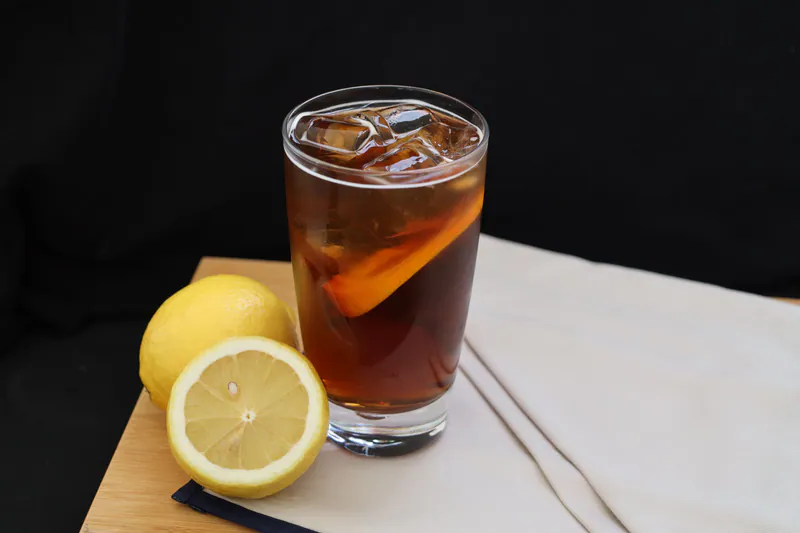
Food safety
- Cook shrimp until pink and opaque throughout, and pork until it reaches at least 63 °C.
Storage
- Pork-and-shrimp broth keeps 2 days refrigerated; keep noodles and herbs separate.
Reheating
- Bring the broth back to a full boil before ladling over freshly blanched noodles.
Variations
- Mì Quảng gà: Made with free-range chicken braised in the turmeric-annatto broth.
- Mì Quảng cá lóc: With snakehead fish, a Quảng Nam favourite.
Original editorial recipe · FriendsPantry editorial · source: TasteAtlas (dish facts) · Not yet independently reviewed · Added
Recipe DNA
How this dish is built
Built from the recipe’s own sections. Each band’s width is its share of the dish by weight. Choose a component to see what it does.
What the dish is built around
For the pork and shrimp
- Pork belly, skin-on, cut into thin bite-size slices350 g
- Prawns / shrimp, medium, shell on, heads removed, deveined300 g
- Shallot, finely chopped3 piece · 90 g
- Garlic, minced3 clove · 12 g
- Fish sauce2 tbsp · 36 g
- Sugar1 tbsp · 13 g
- Turmeric1 tsp · 3.2 g
- Black pepper0.5 tsp · 1.2 g
- Neutral vegetable oil3 tbsp · 41 g
- Annatto (achiote) seeds / ground, seeds, infused in the oil for colour1 tbsp · 0 g
Reviews & corrections
Reviews come from signed-in cooks and appear after a moderator checks them. We never show made-up ratings.
You might also like
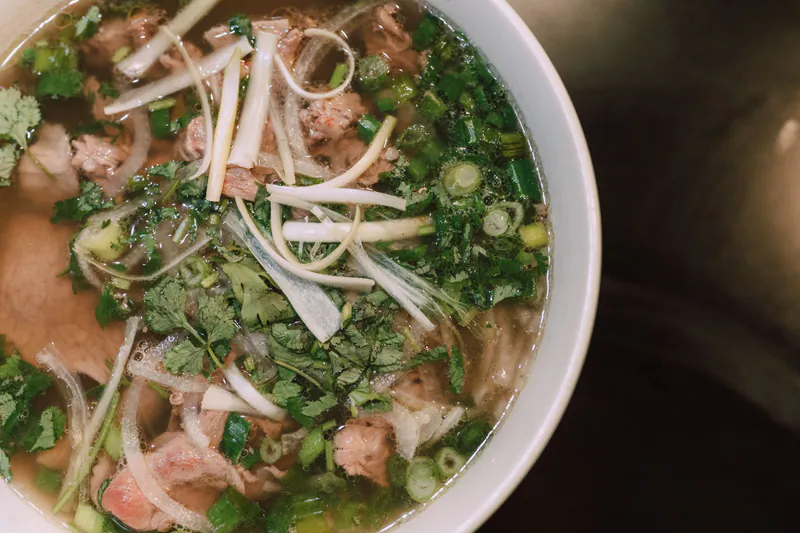
Phở bò (beef pho)
 Vietnamese · 1 h 15 min · 624 kcal
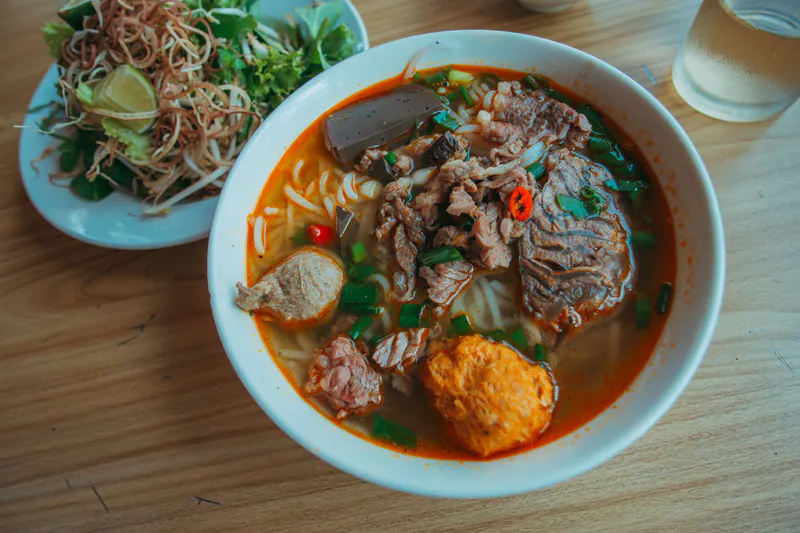
Bún bò Huế
Vietnamese · 3 h · 669 kcal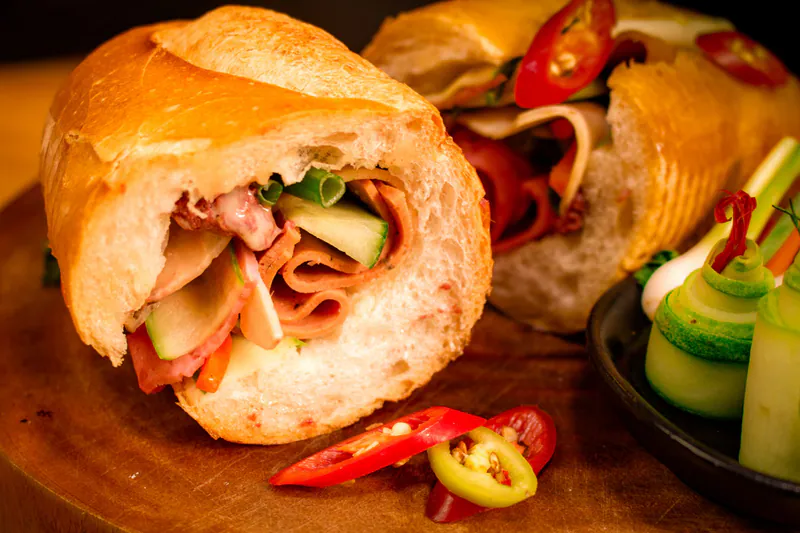
Bánh mì thịt nướng
Vietnamese · 1 h 40 min · 656 kcal
Bún thịt nướng (grilled pork with rice vermicelli)
Vietnamese · 1 h 55 min · 1003 kcal