
Meygoo polo (southern Iranian shrimp rice)
Non-vegetarian
میگو پلو · meygu polow
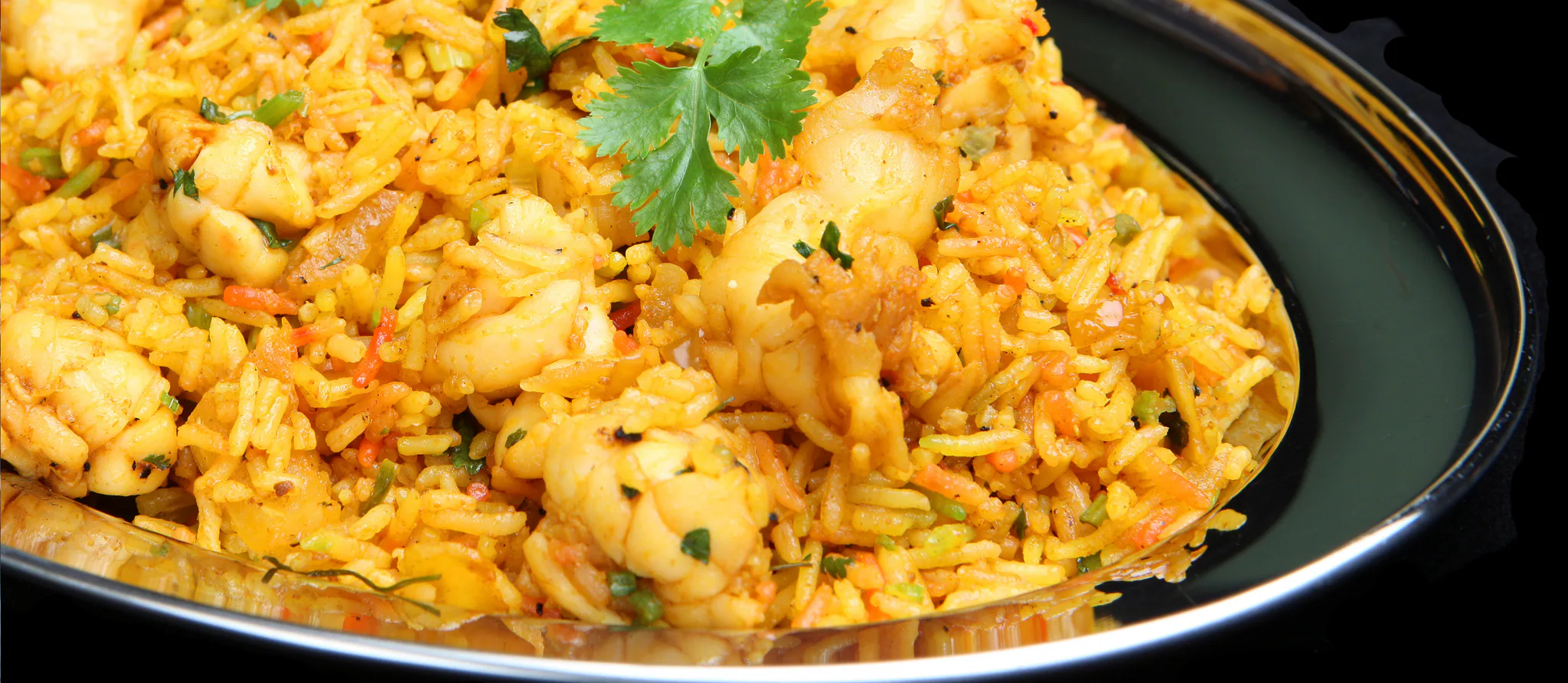
Shrimp cooked with onion, garlic, tomato paste, turmeric, cinnamon and chilli, sharpened with lime and layered with parboiled basmati, then steamed with saffron until fluffy over a crisp tahdig. A spicy, fragrant rice from Iran's Persian Gulf coast.
Meygoo polo (southern Iranian shrimp rice) is an Iranian rice dish, ready in about 2 hours 10 minutes and made with basmati rice, saffron and prawns / shrimp. It serves 4 and is rated intermediate to cook.
- Prep
- 25 min
- Cook
- 1 h 15 min
- Rest
- 30 min
- Total
- 2 h 10 min
- Serves
- 4
- Level
- Intermediate
- Calories
- 696
Main ingredients
Ingredients
For the rice
For the shrimp
Method
Rice
12 minStep 1
Bring the water and 2 tbsp salt to a rolling boil. Drain the soaked rice, add it and boil for 6–7 minutes, until the grains are soft outside but still have a firm core. Drain in a colander (opens in a new tab) and rinse briefly with lukewarm water.
Shrimp
1 h 16 minStep 2
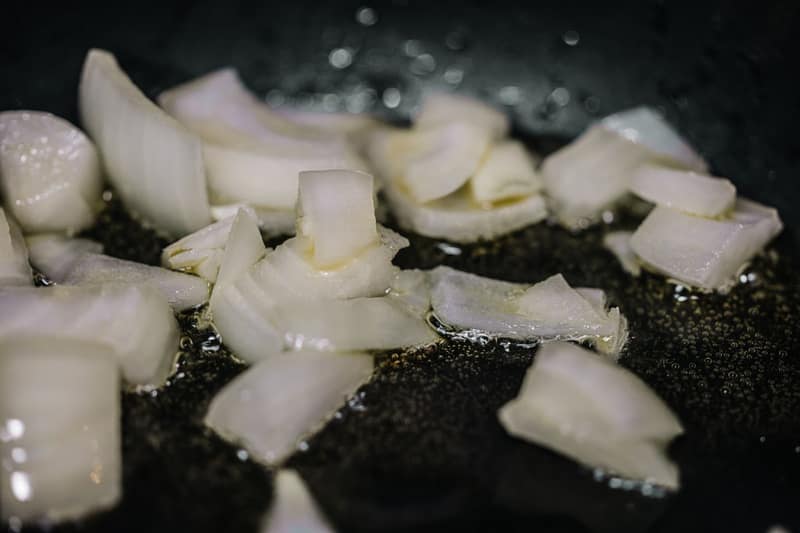
Heat 3 tbsp oil in a frying pan and fry the onions (opens in a new tab) until golden, 10 minutes. Add the garlic (opens in a new tab), turmeric (opens in a new tab), coriander, cinnamon (opens in a new tab) and cayenne and fry for 1 minute, then the tomato paste (opens in a new tab) for 2 minutes more.
- 13 min
- medium heat
- Frying pan / skillet (opens in a new tab)
How it looks · Photo: Magda Ehlers on Pexels Step 3
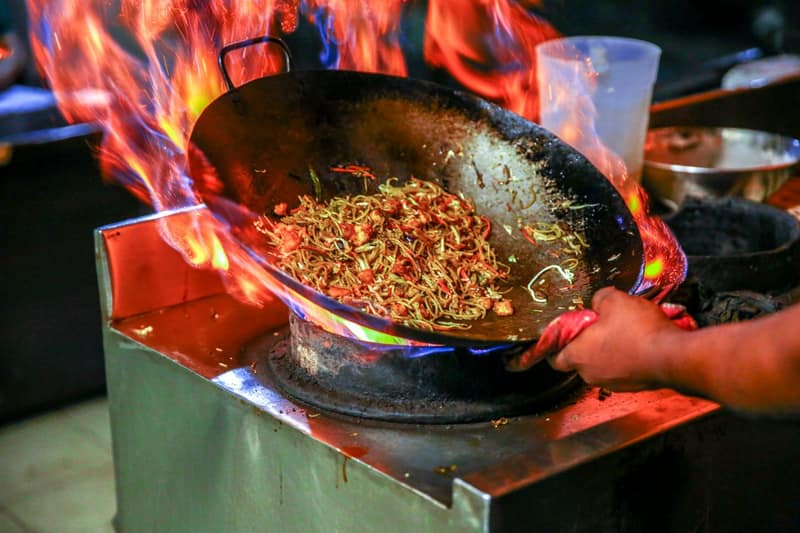
Add the shrimp (opens in a new tab), salt and pepper (opens in a new tab) and stir-fry for 2–3 minutes, just until they turn pink. Stir in the coriander leaves (opens in a new tab) and lime juice (opens in a new tab) and take off the heat.
- 3 min
- medium-high heat
Food safety: Keep fish and shellfish refrigerated until just before cooking and cook until the flesh is opaque and flakes or firms up; eat leftovers within a day.
How it looks · Photo: Aesthos AR. Photography on Pexels Step 4
Heat 3 tbsp oil in a heavy pot. Spread a thin layer of rice over the base, then alternate layers of rice and the shrimp (opens in a new tab) mixture, finishing with rice and mounding it into a dome. Poke 4–5 holes down to the base with the handle of a spoon.
Step 5
Drizzle the melted butter (opens in a new tab) and half the saffron (opens in a new tab) water over the top. Wrap the lid in a clean tea towel, cover tightly and cook over medium heat for 8 minutes until steaming, then over very low heat for 40 minutes, until the rice is fluffy and a golden crust has formed underneath.
- 48 min
- low heat
Step 6
Spoon some rice into a bowl and mix with the remaining saffron (opens in a new tab) water for golden grains. Pile the meygoo polo on a platter, scatter the saffron rice on top and serve the tahdig broken into pieces alongside.
- 5 min
Food safety: Cooked rice can carry Bacillus cereus spores that survive cooking; cool leftover rice quickly, refrigerate it within an hour and reheat it only once, until piping hot.
How it looks · Photo: Klaus Nielsen on Pexels
At a glance
1 · Rice in a pot
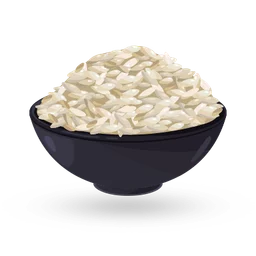 Basmati rice
 Salt
 Neutral vegetable oil
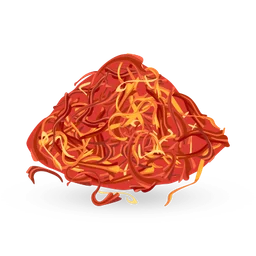 Saffron
then heat
2 · Shrimp in a pan
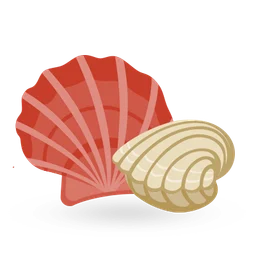 Prawns / shrimp
- Neutral vegetable oil
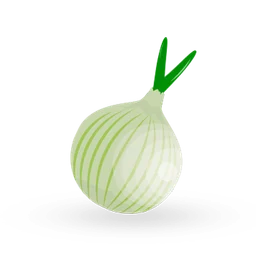 Onion
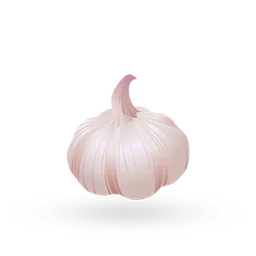 Garlic
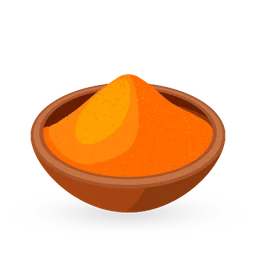 Turmeric
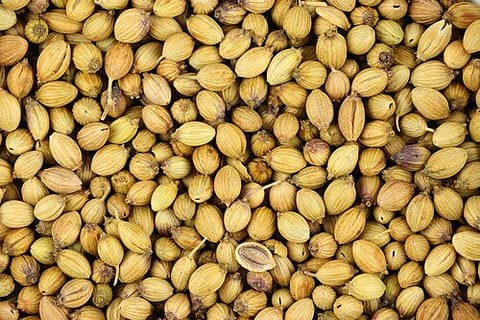 Ground coriander
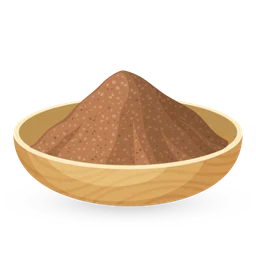 Cinnamon
- Cayenne / chilli powder
 Tomato paste
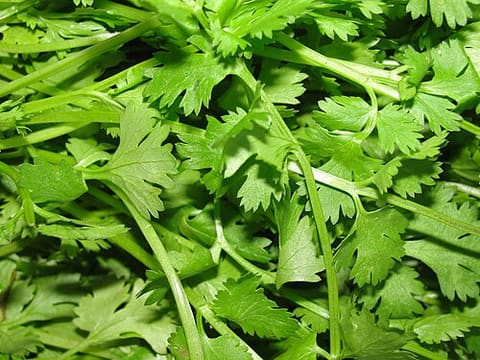 Coriander leaves
 Lime juice
- Salt
 Black pepper
 Butter
About this dish
- Origin
- Bushehr and Hormozgan (Persian Gulf coast), Iran · Well documentedShrimp fishing has long shaped the cooking of Iran's southern ports, where spices and heat show the influence of Gulf and Indian Ocean trade.More food from Iran
Iran - Dish
- Lunch · Dinner · Rice dishes · Main courses
- Cooking method
- Boiled, Sautéed, Steamed
- Taste
- aromatic / warmly spiced, spicy (chilli heat), savoury, tangy
- Diet
- Pescatarian · No gluten ingredients · No nut ingredients · High-proteinWithout the optional extras: Dairy-freeWorked out from the ingredients. How labels work
All labels
Pescatarian · Non-vegetarian · No gluten ingredients · Egg-free · No nut ingredients · No added sugar · Alcohol-free · Pork-free · Beef-free · High-protein · Low-fat - Good for
- Festive & celebration
- Cook more with
- Basmati rice · Saffron · Prawns / shrimp · Onion · Garlic · Turmeric
- Techniques
- Stir-frying · Sautéing · Boiling · Steaming · Layering and sealing
Allergens
- Contains, can be adapted: Milkfrom butter
- Contains: Crustaceansfrom prawns / shrimp
Based on typical versions of these ingredients and not verified allergen-free. Brands differ and cross-contact happens, so always check labels. For severe allergies, follow your clinician’s advice.
Nutrition
696 kcal per serving
Estimated1 serving ≈ 965 g · recipe makes 4
Where the energy comes from
- Protein 20%
- Carbohydrate 52%
- Fat 29%
| Nutrient | Per serving | Per 100 g* |
|---|---|---|
| Energy | 696 kcal | 72 kcal |
| Protein | 33.9 g | 3.5 g |
| Carbohydrate | 90.2 g | 9.4 g |
| Net carbohydrate | — | — |
| Sugars | — | — |
| Added sugars | 0 g | 0 g |
| Fibre | — | — |
| Fat | 22 g | 2.3 g |
| Saturated fat | 1.9 g | 0.2 g |
| Trans fat | — | — |
| Cholesterol | 201 mg | 21 mg |
| Sodium | 4111 mg | 426 mg |
| Salt equivalent | 10.3 g | 1.1 g |
Vitamins & minerals per serving
- Potassium
- 705 mg
- Calcium
- 211 mg
- Iron
- 6.1 mg
- Magnesium
- 98 mg
- Vitamin A (RAE)
- —
- Vitamin C
- —
- Vitamin D
- —
- Vitamin B12
- —
- Folate (DFE)
- —
How these numbers were made
- Calculated from USDA FoodData Central (SR Legacy) per-100 g values and the listed quantities.
- *Per 100 g of combined raw ingredients; the cooked dish may weigh more or less.
- Optional ingredients are not included: butter.
- Basmati rice: Generic long-grain white rice (FDC 168877); basmati has very similar composition.
- “—” means the value isn’t known for enough of the ingredients; it is never zero by default.
- Values are estimates for guidance, not for medical dosing. U.S. Department of Agriculture, Agricultural Research Service. FoodData Central, 2019. fdc.nal.usda.gov.
Good to know
Tips
- Cook the shrimp only briefly before layering; they finish cooking as the rice steams.
Common mistakes
- Over-boiling the rice in the first step, which makes the polo mushy instead of light and separate.
Serve with
- Serve with salad shirazi, plain yoghurt and pickles (torshi).
Food safety
- Cooked rice can carry Bacillus cereus spores that survive cooking; cool leftover rice quickly, refrigerate it within an hour and reheat it only once, until piping hot.
- Keep fish and shellfish refrigerated until just before cooking and cook until the flesh is opaque and flakes or firms up; eat leftovers within a day.
Storage
- Keeps 1 day in the fridge.
Reheating
- Reheat covered with a splash of water until piping hot; reheat only once.
Variations
- With fenugreek and dried lime: Some Bushehri cooks add dried fenugreek leaves and a pounded dried lime to the shrimp for a sour, herbal edge.
- Machboos rubyan (Bahrain): The Gulf Arab shrimp rice, a close neighbour across the water, spiced with loomi and baharat.
Original editorial recipe · FriendsPantry editorial · source: TasteAtlas (dish facts) · Not yet independently reviewed · Added
Recipe DNA
How this dish is built
Built from the recipe’s own sections. Each band’s width is its share of the dish by weight. Choose a component to see what it does.
What the dish is built around
For the shrimp
- Prawns / shrimp, raw, peeled and deveined500 g
- Neutral vegetable oil3 tbsp · 41 g
- Onion, finely chopped2 piece · 220 g
- Garlic, minced4 clove · 16 g
- Turmeric1 tsp · 3.2 g
- Ground coriander1 tsp · 1.9 g
- Cinnamon0.5 tsp · 1.3 g
- Cayenne / chilli powder0.5 tsp · 0.9 g
- Tomato paste2 tbsp · 33 g
- Coriander leaves, chopped30 g
- Lime juice2 tbsp · 31 g
- Salt0.75 tsp · 4.5 g
- Black pepper0.5 tsp · 1.2 g
- Butter (optional)30 g
Reviews & corrections
Reviews come from signed-in cooks and appear after a moderator checks them. We never show made-up ratings.
You might also like
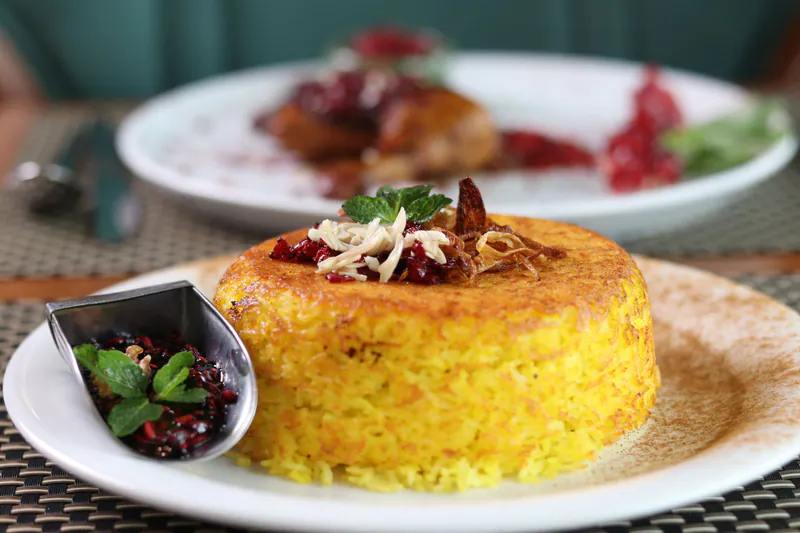
Chelow with tahdig
 Iranian · 2 h 20 min · 425 kcal · Vegetarian
Machboos rubyan
 Bahraini · 1 h 10 min · 637 kcal
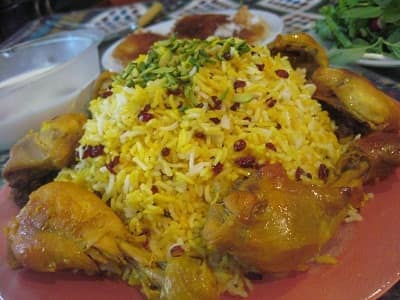
Zereshk polo ba morgh
Iranian · 2 h 35 min · 764 kcal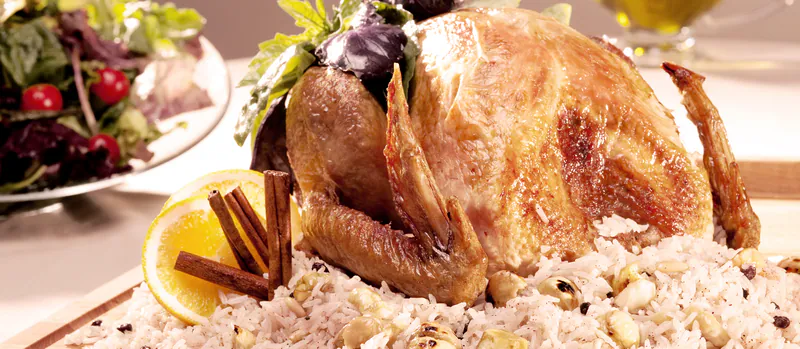
Morgh-e shekam por (Persian stuffed chicken)
Iranian · 2 h 40 min · 1011 kcal