
Jaffna odiyal kool (seafood and palmyra flour stew)
Non-vegetarian
ஒடியல் கூழ் · oṭiyal kūḻ
A thick, fiery and sour Jaffna seafood stew of crab, prawns, cuttlefish and fish cooked in tamarind with long beans, cassava and jackfruit seeds, then thickened with odiyal, the flour of dried palmyra shoots. Cooked in a big pot for family gatherings and eaten from cups or leaf bowls.
Jaffna odiyal kool (seafood and palmyra flour stew) is a Sri Lankan stew, ready in about 1 hour 25 minutes and made with crab meat, prawns / shrimp and tamarind. It serves 6 and is rated intermediate to cook.
No licensed photograph of this dish yet.
- Prep
- 40 min
- Cook
- 45 min
- Total
- 1 h 25 min
- Serves
- 6
- Level
- Intermediate
- Calories
- 414
Plus at least 1 hour soaking the odiyal flour.
Main ingredients
Ingredients
For the seafood
For the broth
For the spice paste
To thicken
To serve
Method
To thicken
5 minStep 1
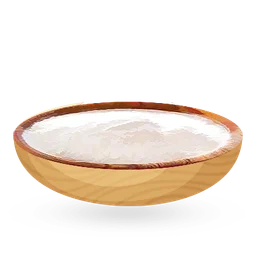
Soak the odiyal flour (opens in a new tab) in 500 ml cold water for at least an hour. Pour off and discard the water that rises to the top (it carries much of the bitterness), then stir the thick sediment with a little fresh water into a pourable slurry.
Changing the soaking water once more makes a milder kool.
Spice paste
8 minStep 2
Squeeze the soaked tamarind (opens in a new tab) in its water and strain to get a thick extract. Blend the dried chillies, garlic (opens in a new tab), peppercorns (opens in a new tab) and turmeric (opens in a new tab) with a splash of water to a smooth paste.
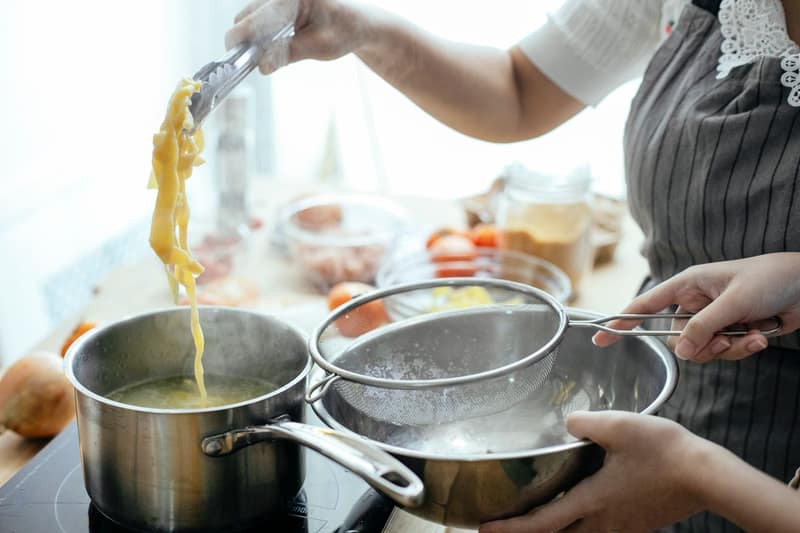
How it looks · Photo: Katerina Holmes on Pexels
Broth
15 minStep 3
Bring 1.5 litres of water to the boil in a large pot. Add the cassava (opens in a new tab) and the spice paste and boil for 10 minutes, then add the long beans and cook 5 minutes more.
- 15 min
- high heat
- Stockpot / large pot (opens in a new tab)
Seafood
21 minStep 4
Add the crab (opens in a new tab) pieces and cuttlefish (opens in a new tab) and simmer for 8 minutes. Add the prawns (opens in a new tab), fish, crayfish (opens in a new tab) (if using), tamarind (opens in a new tab) extract and salt and simmer 5 minutes more until the prawns are pink and the fish is just cooked.
- 13 min
- medium heat
Food safety: Buy shellfish very fresh and keep it chilled; cook prawns, crab and langoustines until opaque and pink, and refrigerate leftovers within 2 hours.
Step 5
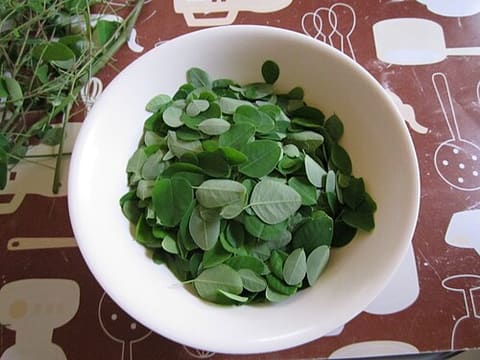
Stir the odiyal (opens in a new tab) slurry well and pour it slowly into the pot, stirring constantly. Add the moringa leaves (opens in a new tab) and cook, stirring, for 5–8 minutes until the kool thickens to a thick, glossy porridge consistency and loses its raw floury taste.
- 8 min
- medium-low heat
- Wooden spoon (opens in a new tab)
Keep stirring along the bottom; odiyal catches easily once it starts to thicken.
To serve
2 minStep 6
Taste for salt, sourness and heat. Ladle into cups or bowls, making sure everyone gets some of each seafood, and serve with pieces of fresh coconut (opens in a new tab).
- 2 min
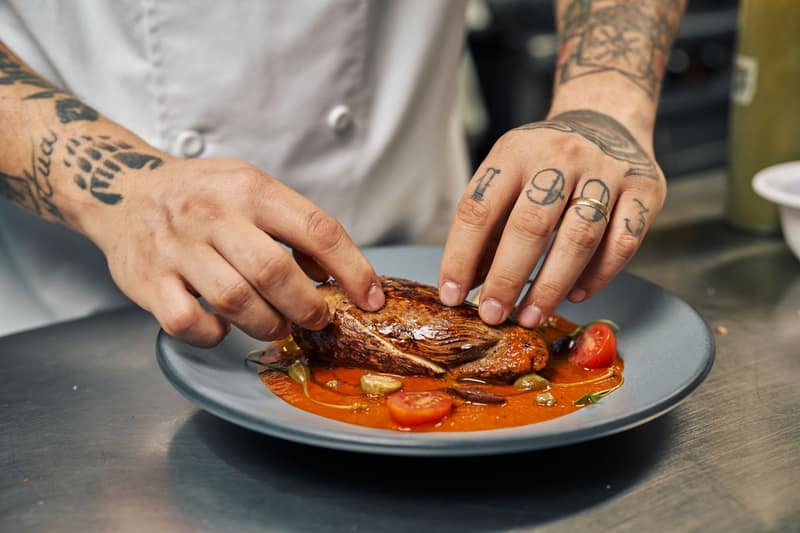
How it looks · Photo: Willians Huerta on Pexels
At a glance
1 · To thicken in a bowl
- Odiyal flour (palmyra tuber flour)
then squeeze
2 · Spice paste in a bowl
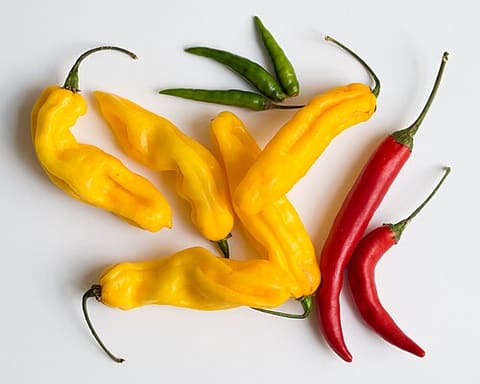 Dried whole chillies
 Garlic
 Black peppercorns
 Turmeric
then bring
3 · Broth in a pot
 Tamarind
 Cassava
 Green beans
 Moringa leaves
 Salt
then add
4 · Seafood in a pan
 Crab meat
 Prawns / shrimp
- Cuttlefish
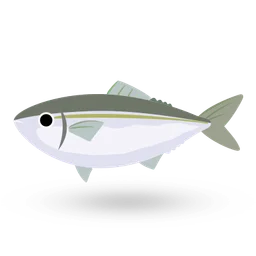 White fish fillet
- Crawfish tails (peeled crayfish)
then taste
5 · To serve in a pot
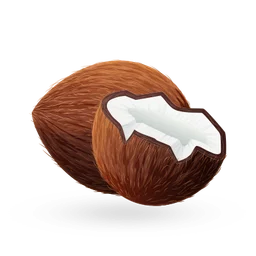 Coconut
About this dish
- Origin
- Jaffna peninsula, Northern Province, Sri Lanka · Well documentedKool is a monsoon-season and reunion dish of the Jaffna Tamils; recipes differ from household to household and may include rice, murunga (drumstick) leaves, small crayfish or a handful of jackfruit seeds.Also popular in IndiaMore food from Sri Lanka
Sri Lanka - Dish
- Lunch · Dinner · Stews & braises · Soups · Main courses
- Cooking method
- Boiled, Simmered
- Taste
- spicy (chilli heat), sour, umami, earthy
- Diet
- Pescatarian · No gluten ingredients · Dairy-free · No nut ingredients · High-proteinWorked out from the ingredients. How labels work
All labels
Pescatarian · Non-vegetarian · Whole-food focused · Paleo-style · No gluten ingredients · Dairy-free · Egg-free · No nut ingredients · No added sugar · Alcohol-free · Pork-free · Beef-free · High-protein · Low-fat · Calorie-conscious - Good for
- Festive & celebration · One-pot · Batch cooking
- Cook more with
- Crab meat · Prawns / shrimp · Tamarind · Cuttlefish · White fish fillet · Cassava
Allergens
- Contains: Fishfrom white fish fillet
- Contains: Crustaceansfrom crab meat, prawns / shrimp, crawfish tails (peeled crayfish)
- Contains: Molluscsfrom cuttlefish
Based on typical versions of these ingredients and not verified allergen-free. Brands differ and cross-contact happens, so always check labels. For severe allergies, follow your clinician’s advice.
Nutrition
414 kcal per serving
Estimated1 serving ≈ 688 g · recipe makes 6
Where the energy comes from
- Protein 44%
- Carbohydrate 50%
- Fat 6%
| Nutrient | Per serving | Per 100 g* |
|---|---|---|
| Energy | 414 kcal | 60 kcal |
| Protein | 45.1 g | 6.6 g |
| Carbohydrate | 51.3 g | 7.5 g |
| Net carbohydrate | — | — |
| Sugars | — | — |
| Added sugars | 0 g | 0 g |
| Fibre | — | — |
| Fat | 2.8 g | 0.4 g |
| Saturated fat | 0.6 g | 0.1 g |
| Trans fat | — | — |
| Cholesterol | 283 mg | 41 mg |
| Sodium | 1274 mg | 185 mg |
| Salt equivalent | 3.2 g | 0.5 g |
Vitamins & minerals per serving
- Potassium
- 1087 mg
- Calcium
- 217 mg
- Iron
- 3.3 mg
- Magnesium
- 114 mg
- Vitamin A (RAE)
- —
- Vitamin C
- —
- Vitamin D
- —
- Vitamin B12
- —
- Folate (DFE)
- —
How these numbers were made
- Calculated from USDA FoodData Central (SR Legacy) per-100 g values and the listed quantities.
- *Per 100 g of combined raw ingredients; the cooked dish may weigh more or less.
- Optional ingredients are not included: crawfish tails (peeled crayfish), moringa leaves, coconut.
- Cuttlefish: Raw squid used as a stand-in; cuttlefish is a closely related cephalopod with very similar lean, high-protein flesh.
- Odiyal flour (palmyra tuber flour): Dry pearl tapioca (FDC 169717) used as a stand-in: odiyal flour is ground from sun-dried palmyra palm shoots and is likewise almost all starch, with a little more fibre and a faintly bitter taste.
- “—” means the value isn’t known for enough of the ingredients; it is never zero by default.
- Values are estimates for guidance, not for medical dosing. U.S. Department of Agriculture, Agricultural Research Service. FoodData Central, 2019. fdc.nal.usda.gov.
Good to know
Tips
- Odiyal flour is sold in Sri Lankan and Tamil shops; it keeps for months in an airtight jar.
- Crack the crab claws before cooking so the flavour gets into the broth and they are easier to eat.
Common mistakes
- Adding the thickener too early, which catches on the bottom and overcooks the seafood.
Serve with
- Eat hot as a meal in itself, with pieces of raw coconut to cool the heat.
Food safety
- Buy shellfish very fresh and keep it chilled; cook prawns, crab and langoustines until opaque and pink, and refrigerate leftovers within 2 hours.
- Cool large pots of soup or stew quickly (divide into shallow containers) and refrigerate within 2 hours; reheat until piping hot throughout.
Storage
- Best eaten the day it is made; keeps 1 day refrigerated.
Reheating
- Reheat gently with a splash of water until piping hot; it thickens a lot as it cools.
Variations
- Kool with rice: A handful of raw rice is boiled in the broth before the seafood for a more filling, congee-like pot.
- Vegetable kool: Made without seafood, with jackfruit seeds, pumpkin, beans and spinach, for fasting days.
Original editorial recipe · FriendsPantry editorial · source: TasteAtlas (dish facts) · Not yet independently reviewed · Added
Recipe DNA
How this dish is built
Built from the recipe’s own sections. Each band’s width is its share of the dish by weight. Choose a component to see what it does.
The spice and seasoning backbone
For the spice paste
- Dried whole chillies15 piece · 30 g
- Garlic8 clove · 32 g
- Black peppercorns1 tsp · 3 g
- Turmeric1 tsp · 3.2 g
Reviews & corrections
Reviews come from signed-in cooks and appear after a moderator checks them. We never show made-up ratings.
You might also like
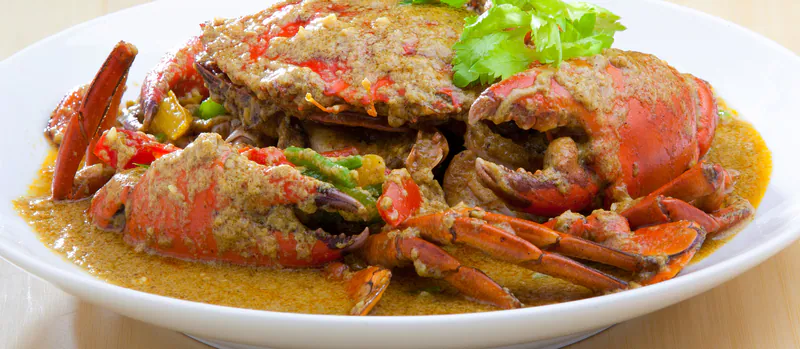
Sri Lankan crab curry
 Sri Lankan · 1 h 15 min · 513 kcal
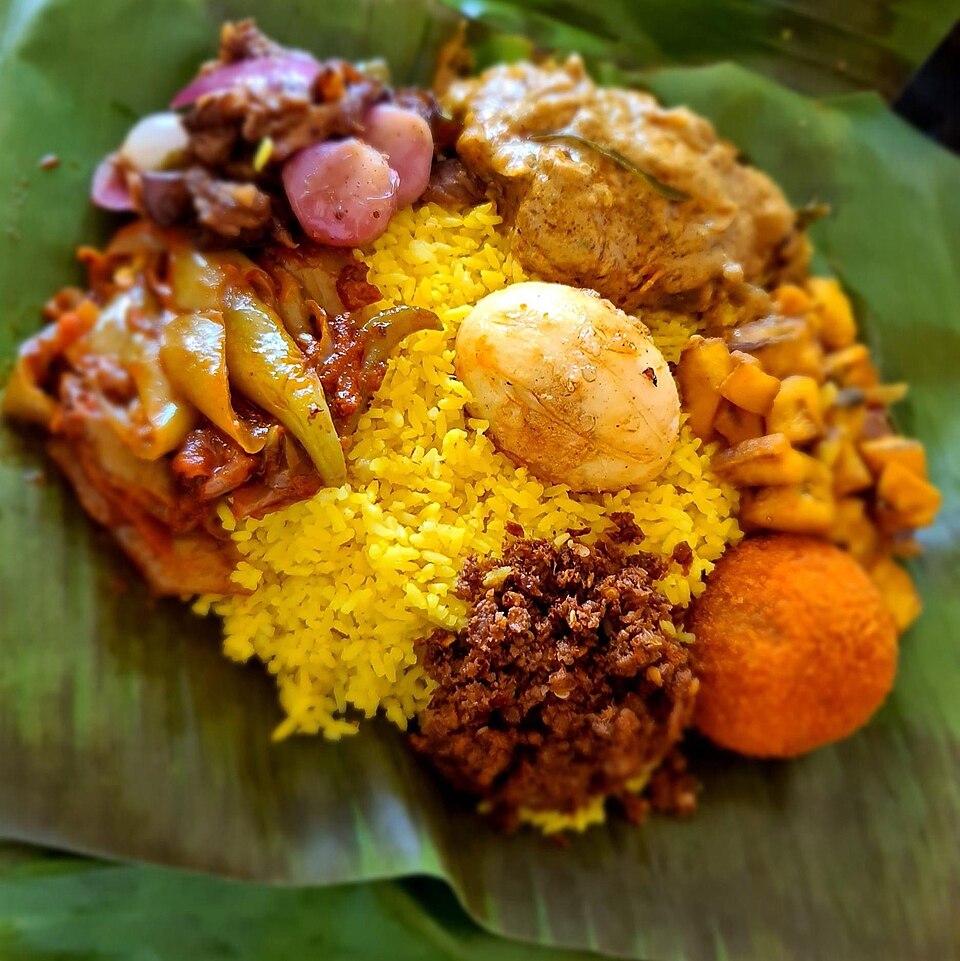
Lamprais
Sri Lankan · 2 h 35 min · 948 kcal
Bath kulu badhu (Sri Lankan rice and curry)
Sri Lankan · 1 h 40 min · 1387 kcal
Parippu
Sri Lankan · 35 min · 362 kcal · Vegan