
 Ecuadorian · Ice cream & frozen desserts
Helado de paila (Ecuadorian hand-churned sorbet)
Contains egg (no meat or fish)
Helado de paila
Fruit juice and sugar spun and scraped by hand in a wide metal pan set on a bed of salted ice until it freezes into a light, fluffy sorbet. The specialty of Ibarra in northern Ecuador, made with blackberry, soursop, passion fruit, naranjilla, tamarillo and other fruits.
Helado de paila (Ecuadorian hand-churned sorbet) is an Ecuadorian dish, ready in about 1 hour 15 minutes and made with blackberries, sugar and ice. It serves 6 and is rated intermediate to cook.
No licensed photograph of this dish yet.
- Prep
- 15 min
- Cook
- 30 min
- Rest
- 30 min
- Total
- 1 h 15 min
- Serves
- 6
- Level
- Intermediate
- Calories
- 165
Main ingredients
Ingredients
For the sorbet base
For churning
Method
Sorbet base
15 minStep 1
Warm the sugar (opens in a new tab) with 150 ml of the water until dissolved, then cool. Blend the blackberries (opens in a new tab) with the remaining water and press through a sieve to remove the seeds. Mix the purée with the syrup and lime juice (opens in a new tab) and chill until very cold.
Churning
35 minStep 2
Fill a large, wide bowl or tub with the ice and stir in the coarse salt. Nestle a wide, round-bottomed metal pan (a copper paila, wok or large stainless bowl) into the ice so it sits level and steady.
Salt lowers the ice's melting point so the pan gets well below 0 °C.
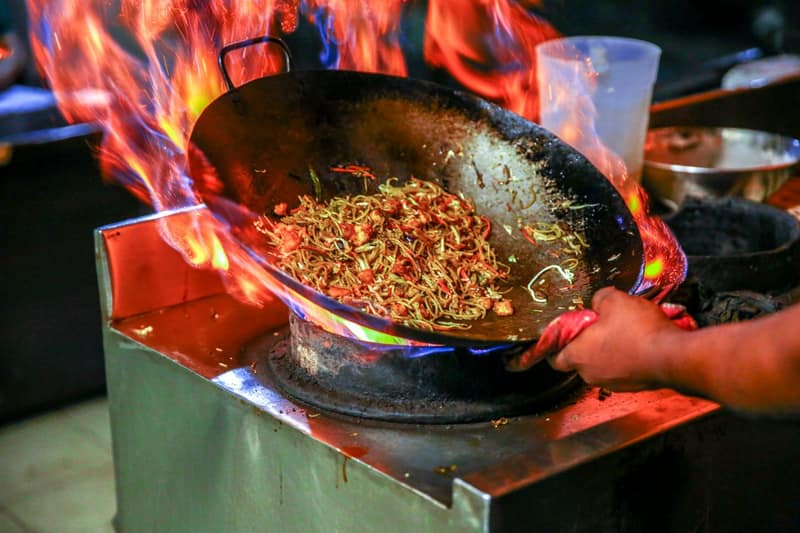
How it looks · Photo: Aesthos AR. Photography on Pexels Step 3
Pour the cold fruit base into the pan. Spin the pan in the ice with one hand while scraping the frozen layer off the sides and folding it back into the centre with a wooden spoon (opens in a new tab) in the other. Fold in the whisked egg white (opens in a new tab) once the mixture starts to thicken, if using.
Step 4
Keep spinning and scraping for 20–30 minutes in total, draining melted water and adding more ice and salt as needed, until the sorbet is thick, fluffy and holds its shape.
- 15 min
Keep salty water from splashing into the pan.
Step 5
Serve straight away in cups or cones, or firm up in the freezer for 30 minutes.
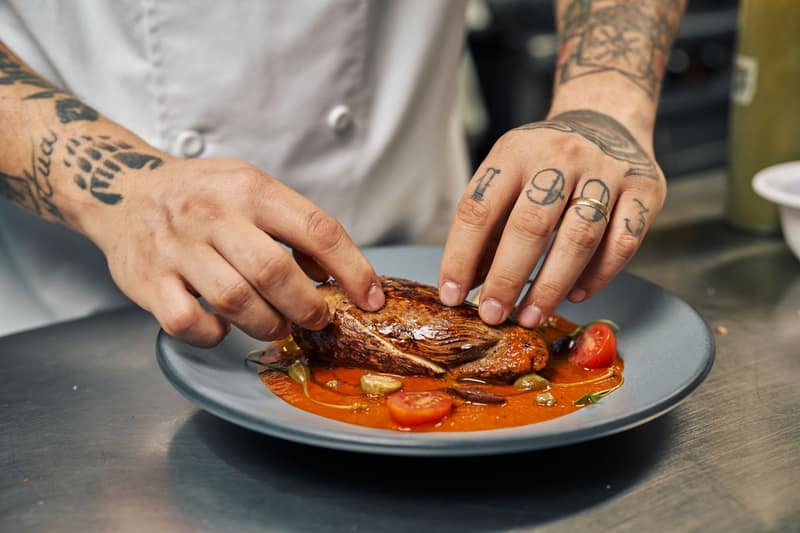
How it looks · Photo: Willians Huerta on Pexels
At a glance
1 · Sorbet base in a bowl
 Blackberries
 Sugar
 Lime juice
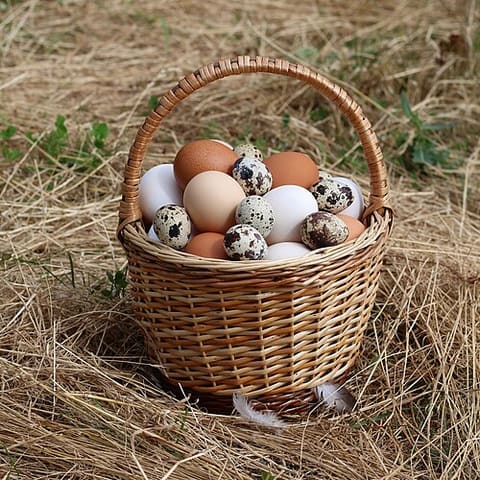 Egg white
then fill
2 · Churning in a pan
 Salt
About this dish
- Origin
- Ibarra, Imbabura, Ecuador · Well documentedTradition credits Rosalía Suárez, who is said to have first made it with ice carried down from Imbabura volcano; her descendants still run a heladería in Ibarra. The paila is a large copper or bronze pan.More food from Ecuador
Ecuador - Dish
- Dessert · Snack · Ice cream & frozen desserts · Desserts
- Cooking method
- Blended, No-cook
- Taste
- fruity, sweet, refreshing
- Diet
- Vegetarian (lacto-ovo) · No gluten ingredients · Dairy-free · No nut ingredientsWithout the optional extras: Vegan, Plant-based, Lacto-vegetarian, Egg-freeWorked out from the ingredients. How labels work
All labels
Vegetarian (lacto-ovo) · Eggetarian · Ovo-vegetarian · Pescatarian · Flexitarian-friendly · No gluten ingredients · Dairy-free · No nut ingredients · Alcohol-free · Pork-free · Beef-free · Low-fat · Low-sodium · DASH-style - Good for
- Child-friendly
- Cook more with
- Blackberries · Sugar · Lime juice
- Techniques
- Wet grinding · Emulsification
Allergens
- Contains, can be adapted: Eggsfrom egg white
Based on typical versions of these ingredients and not verified allergen-free. Brands differ and cross-contact happens, so always check labels. For severe allergies, follow your clinician’s advice.
Nutrition
165 kcal per serving
Estimated1 serving ≈ 169 g · recipe makes 6
Where the energy comes from
- Protein 3%
- Carbohydrate 95%
- Fat 2%
| Nutrient | Per serving | Per 100 g* |
|---|---|---|
| Energy | 165 kcal | 98 kcal |
| Protein | 1.2 g | 0.7 g |
| Carbohydrate | 41.5 g | 24.6 g |
| Net carbohydrate | 37.1 g | 21.9 g |
| Sugars | 37.4 g | 22.1 g |
| Added sugars | 33.3 g | 19.7 g |
| Fibre | 4.4 g | 2.6 g |
| Fat | 0.4 g | 0.2 g |
| Saturated fat | 0 g | 0 g |
| Trans fat | — | — |
| Cholesterol | 0 mg | 0 mg |
| Sodium | 2 mg | 1 mg |
| Salt equivalent | 0 g | 0 g |
Vitamins & minerals per serving
- Potassium
- 139 mg
- Calcium
- 30 mg
- Iron
- 0.5 mg
- Magnesium
- 18 mg
- Vitamin A (RAE)
- 9 µg
- Vitamin C
- 18 mg
- Vitamin D
- 0 µg
- Vitamin B12
- 0 µg
- Folate (DFE)
- 21 µg
How these numbers were made
- Calculated from USDA FoodData Central (SR Legacy) per-100 g values and the listed quantities.
- *Per 100 g of combined raw ingredients; the cooked dish may weigh more or less.
- Optional ingredients are not included: egg white.
- Ice: Frozen water; same composition as water.
- “—” means the value isn’t known for enough of the ingredients; it is never zero by default.
- Values are estimates for guidance, not for medical dosing. U.S. Department of Agriculture, Agricultural Research Service. FoodData Central, 2019. fdc.nal.usda.gov.
Good to know
Tips
- An ice-cream maker gives a similar result, but the hand-spun method creates the paila's lighter texture.
- Chill the metal pan in the freezer before you start.
Serve with
- Serve in a cone or cup, or with quesadillas (Ecuadorian cheese cakes) and a coffee in the Ibarra style.
Food safety
- If using egg white, choose pasteurised egg white, as it is not cooked.
Storage
- Best eaten fresh; keeps 1 week frozen, but turns icy. Let it soften 10 minutes before scooping.
Variations
- Helado de paila de guanábana: Soursop pulp makes a creamy, tropical version, one of the most loved flavours.
- Helado de paila de naranjilla: Made with the tart green-fleshed naranjilla (lulo), an Andean favourite.
Original editorial recipe · FriendsPantry editorial · source: TasteAtlas (dish facts) · Not yet independently reviewed · Added
Recipe DNA
How this dish is built
Built from the recipe’s own sections. Each band’s width is its share of the dish by weight. Choose a component to see what it does.
The body of the dish
For the sorbet base
- Blackberries500 g
- Water300 ml · 300 g
- Sugar200 g
- Lime juice1 tbsp · 15 g
- Egg white, pasteurised, whisked to soft peaks (optional)1 piece · 33 g
Reviews & corrections
Reviews come from signed-in cooks and appear after a moderator checks them. We never show made-up ratings.
You might also like
Sorbetes (Filipino 'dirty ice cream', ube)
 Filipino · 8 h 40 min · 303 kcal · Vegetarian
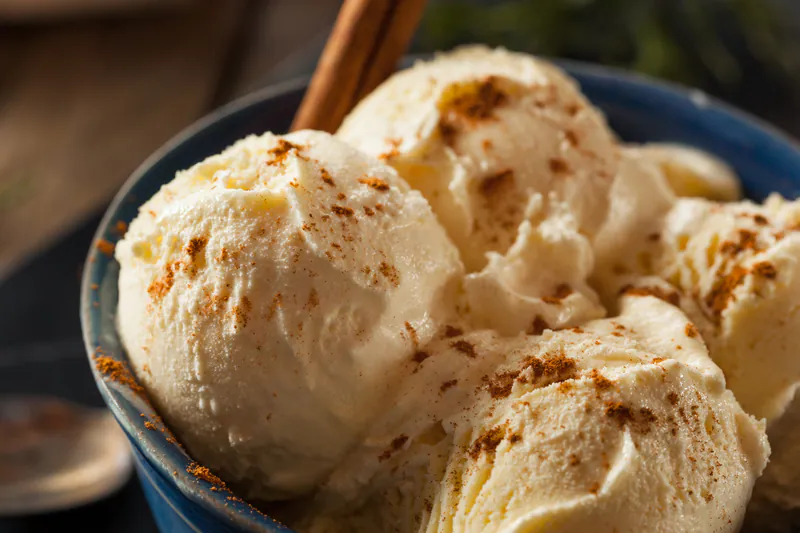
Queso helado (Arequipa coconut-cinnamon ice cream)
 Peruvian · 6 h 45 min · 266 kcal · Contains egg
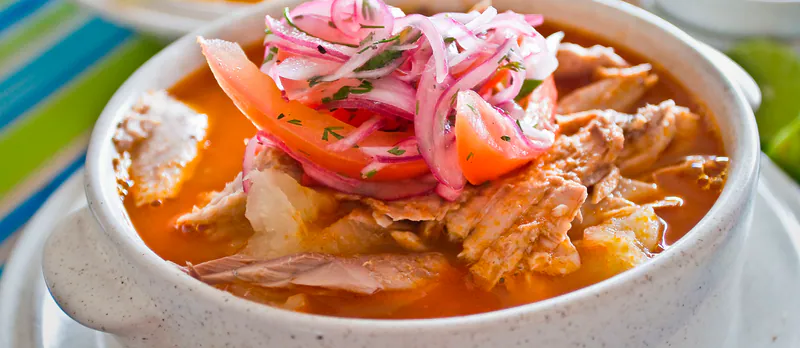
Encebollado
Ecuadorian · 1 h 10 min · 396 kcal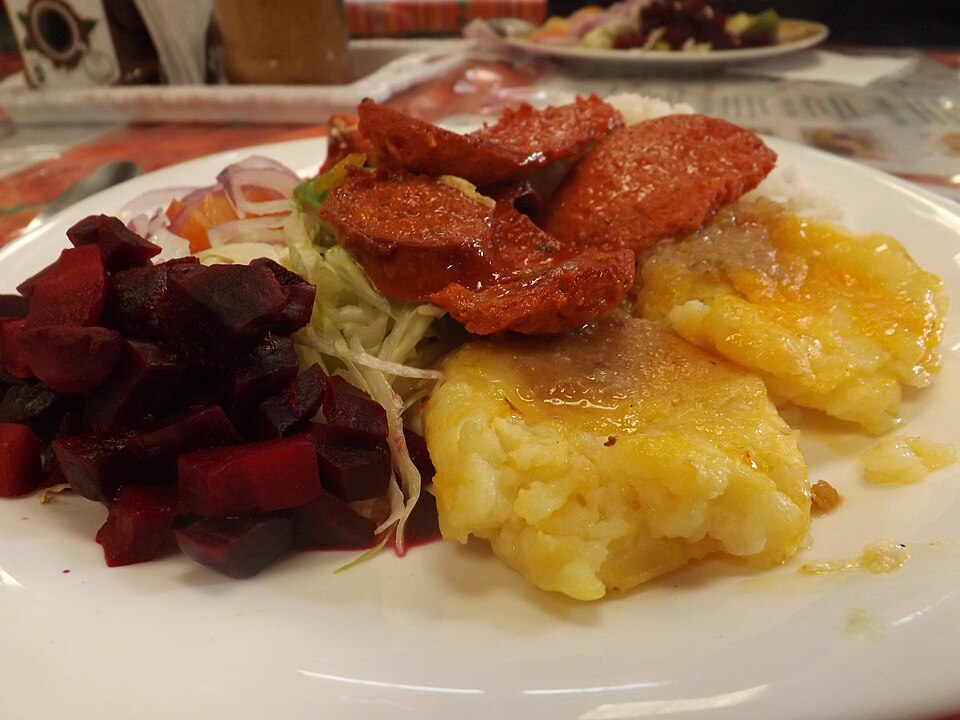
Llapingachos
Ecuadorian · 1 h 40 min · 668 kcal