
Sorbetes (Filipino 'dirty ice cream', ube)
Vegetarian
Sorbetes · sorbetes
Light, eggless Filipino street ice cream made from a cooked base of coconut milk, evaporated milk and cornflour, here flavoured with bright purple ube yam. Sold from colourful pushcarts by the sorbetero, scooped into small cones or sandwiched in a soft bread roll.
Sorbetes (Filipino 'dirty ice cream', ube) is a Filipino dessert from Philippines, ready in about 8 hours 40 minutes and made with coconut milk, evaporated milk and ube (purple yam). It serves 8 and is rated easy to cook.
No licensed photograph of this dish yet.
- Prep
- 15 min
- Cook
- 25 min
- Rest
- 8 h
- Total
- 8 h 40 min
- Serves
- 8
- Level
- Easy
- Calories
- 303
Includes chilling and freezing; churning time depends on your machine.
Main ingredients
Ingredients
For the base
For the flavouring
Method
Flavouring
12 minStep 1
Simmer the grated ube (opens in a new tab) with 150 ml of the milk (opens in a new tab) in a small pan, stirring, until soft and thick, about 10 minutes. Blend until very smooth.
Base
43 minStep 2
Whisk (opens in a new tab) the cornflour (opens in a new tab) with the remaining 100 ml cold milk (opens in a new tab) until smooth. In a saucepan (opens in a new tab), heat the coconut milk (opens in a new tab), evaporated milk (opens in a new tab), sugar (opens in a new tab) and salt until steaming and the sugar has dissolved.
- 6 min
- medium heat
- Whisk (opens in a new tab)
- Saucepan (opens in a new tab)
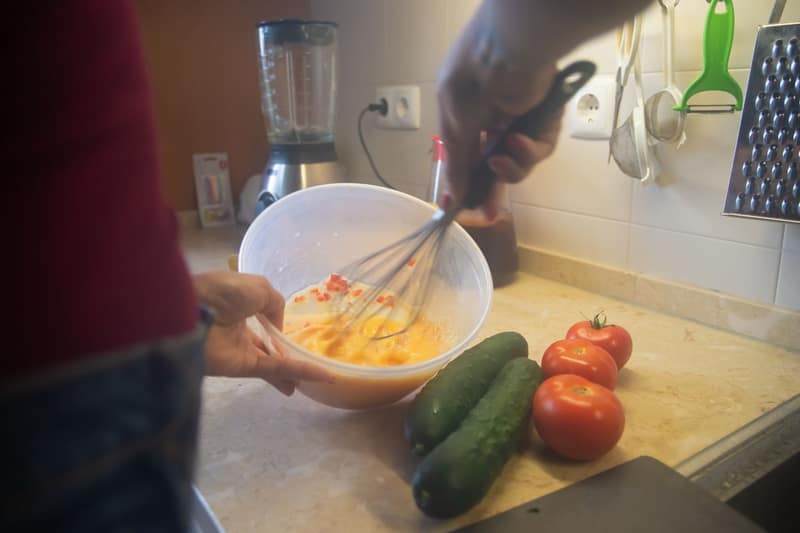
How it looks · Photo: Kampus Production on Pexels Step 3
Whisk (opens in a new tab) in the cornflour (opens in a new tab) mixture and cook, stirring constantly, until the base thickens enough to coat a spoon, 3–4 minutes after it starts to bubble. Stir in the ube (opens in a new tab) purée and vanilla (opens in a new tab) and pass through a sieve.
- 7 min
- medium-low heat
- Sieve / strainer (opens in a new tab)
Step 4
Cool, then cover and chill for at least 4 hours or overnight.
Step 5
Churn in an ice-cream machine until thick, then freeze in a covered container until firm, about 4 hours. Without a machine, freeze in a shallow container and stir vigorously with a fork every 45 minutes, 4–5 times, until smooth and scoopable.
Let it soften for 5 minutes before scooping; the low fat content makes it freeze firm.
At a glance
1 · Flavouring in a pan
 Ube (purple yam)
 Vanilla extract
then whisk
2 · Base in a bowl
 Coconut milk
 Evaporated milk
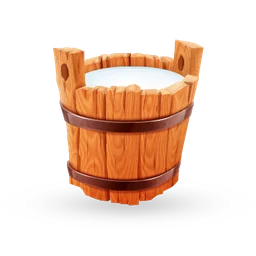 Milk
 Sugar
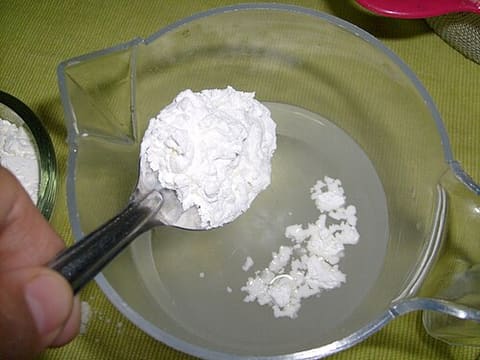 Cornstarch
 Salt
About this dish
- Origin
- Philippines · Well documentedSorbetes was traditionally made with carabao (water buffalo) milk and cassava or cornflour for body. The nickname 'dirty ice cream' is a joke about it being sold on the street, not about how it is made.More food from Philippines
Philippines - Dish
- Snack · Dessert · Desserts · Street food · Ice cream & frozen desserts
- Cooking method
- Simmered, Blended
- Taste
- sweet, creamy, earthy, nutty
- Diet
- Vegetarian (lacto-ovo) · No gluten ingredients · No nut ingredientsWithout the optional extras: Alcohol-freeWorked out from the ingredients. How labels work
All labels
Vegetarian (lacto-ovo) · Eggetarian · Lacto-vegetarian · Pescatarian · Flexitarian-friendly · No gluten ingredients · Egg-free · No nut ingredients · Pork-free · Beef-free · Low-sodium - Good for
- Make-ahead · Child-friendly · Street food
- Cook more with
- Coconut milk · Evaporated milk · Ube (purple yam) · Milk · Sugar · Cornstarch
- Techniques
- Simmering · Wet grinding · Emulsification
Allergens
- Contains: Milkfrom evaporated milk, milk
Based on typical versions of these ingredients and not verified allergen-free. Brands differ and cross-contact happens, so always check labels. For severe allergies, follow your clinician’s advice.
Nutrition
303 kcal per serving
Estimated1 serving ≈ 184 g · recipe makes 8
Where the energy comes from
- Protein 8%
- Carbohydrate 49%
- Fat 44%
| Nutrient | Per serving | Per 100 g* |
|---|---|---|
| Energy | 303 kcal | 165 kcal |
| Protein | 5.9 g | 3.2 g |
| Carbohydrate | 38.1 g | 20.7 g |
| Net carbohydrate | — | — |
| Sugars | — | — |
| Added sugars | 18.8 g | 10.2 g |
| Fibre | — | — |
| Fat | 15.3 g | 8.3 g |
| Saturated fat | 12.2 g | 6.6 g |
| Trans fat | — | — |
| Cholesterol | 18 mg | 10 mg |
| Sodium | 95 mg | 52 mg |
| Salt equivalent | 0.2 g | 0.1 g |
Vitamins & minerals per serving
- Potassium
- 556 mg
- Calcium
- 180 mg
- Iron
- 1.9 mg
- Magnesium
- 44 mg
- Vitamin A (RAE)
- 49 µg
- Vitamin C
- 7 mg
- Vitamin D
- 1.4 µg
- Vitamin B12
- 0.2 µg
- Folate (DFE)
- 20 µg
How these numbers were made
- Calculated from USDA FoodData Central (SR Legacy) per-100 g values and the listed quantities.
- *Per 100 g of combined raw ingredients; the cooked dish may weigh more or less.
- Optional ingredients are not included: vanilla extract.
- Ube (purple yam): Raw yam (FDC 170071) used as a stand-in; ube (Dioscorea alata) is a starchy purple-fleshed yam, usually bought grated and frozen outside the Philippines.
- “—” means the value isn’t known for enough of the ingredients; it is never zero by default.
- Values are estimates for guidance, not for medical dosing. U.S. Department of Agriculture, Agricultural Research Service. FoodData Central, 2019. fdc.nal.usda.gov.
Good to know
Tips
- Make a classic sorbetero trio by also making cheese (keso) sorbetes, with 120 g finely grated processed cheddar stirred into a plain base, and chocolate.
Common mistakes
- Not cooking the cornflour long enough, which leaves a raw, starchy taste.
Serve with
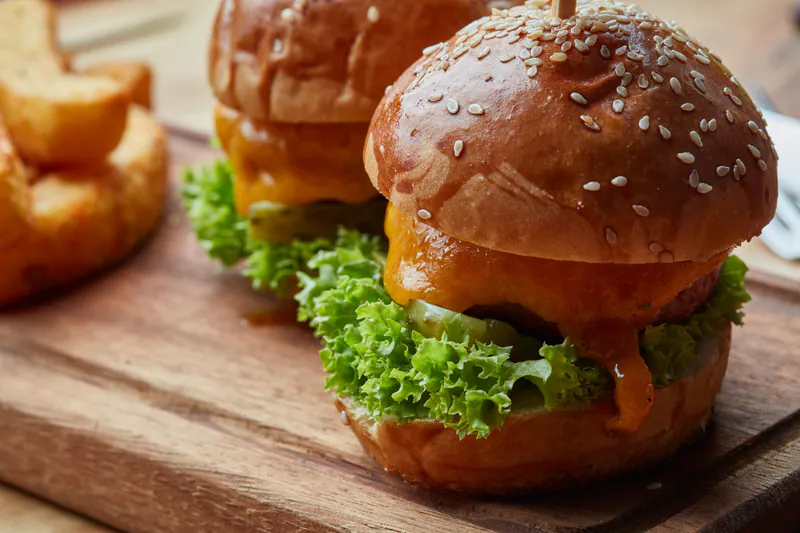
- Serve in small sugar cones, or sandwiched inside a soft pandesal or hamburger bun like the street vendors do.
Storage
- Keeps 2 weeks frozen in an airtight container; it is best within the first week.
Variations
- Keso (cheese) sorbetes: Grated cheddar-style cheese is stirred into the base for a sweet-salty flavour beloved in the Philippines.
- Mango sorbetes: Ripe Philippine mango purée replaces the ube.
- Chocolate sorbetes: Cocoa or tablea chocolate is melted into the hot base.
Original editorial recipe · FriendsPantry editorial · source: TasteAtlas (dish facts) · Not yet independently reviewed · Added
Recipe DNA
How this dish is built
Built from the recipe’s own sections. Each band’s width is its share of the dish by weight. Choose a component to see what it does.
The body of the dish
For the base
- Coconut milk400 ml · 392 g
- Evaporated milk370 ml · 396 g
- Milk, whole250 ml · 258 g
- Sugar150 g
- Cornstarch3 tbsp · 24 g
- Salt1 pinch · 0.4 g
Reviews & corrections
Reviews come from signed-in cooks and appear after a moderator checks them. We never show made-up ratings.
You might also like
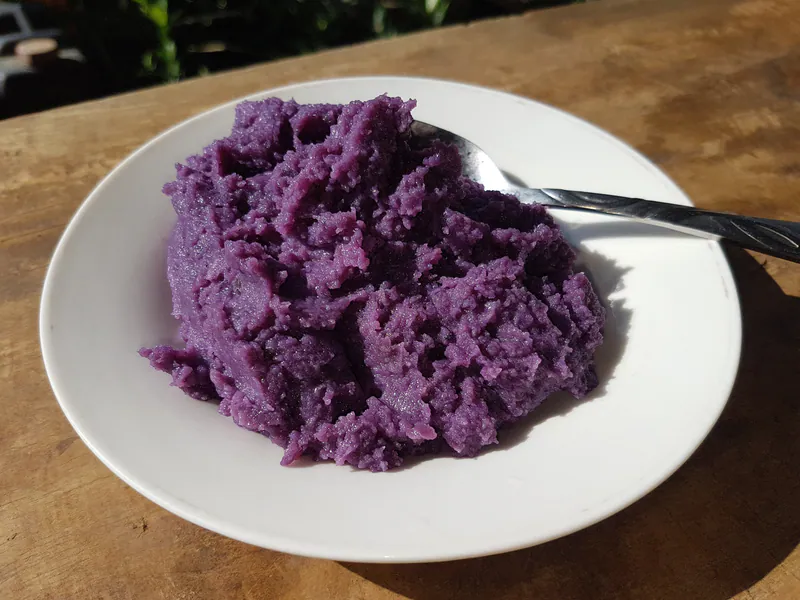
Ube halaya (Filipino purple yam jam)
 Filipino · 3 h 10 min · 443 kcal · Vegetarian
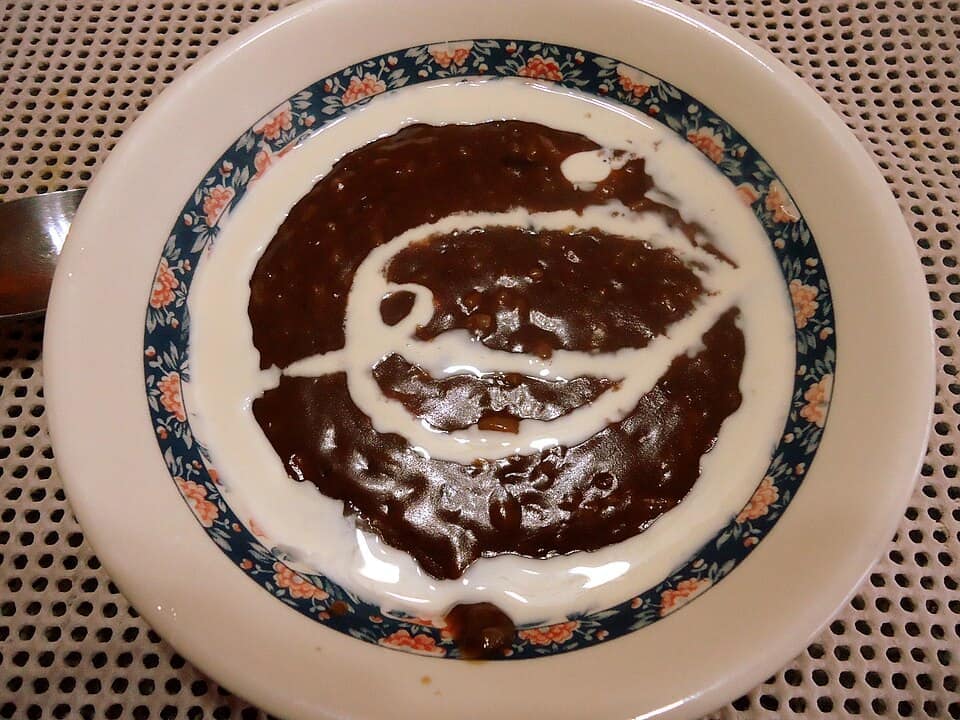
Champorado
Filipino · 40 min · 366 kcal · Vegetarian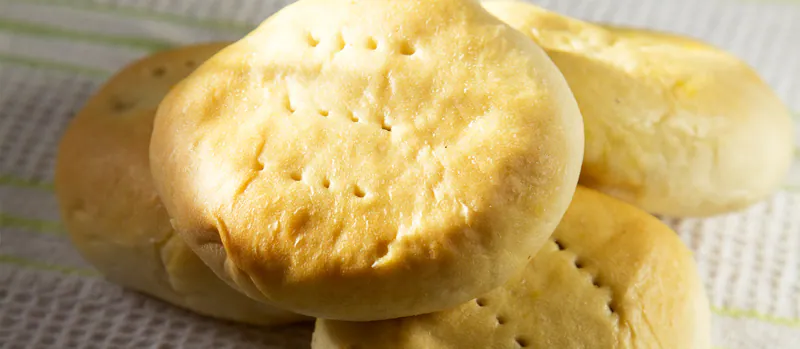
Pan de coco (Filipino coconut buns)
Filipino · 3 h 15 min · 326 kcal · Contains egg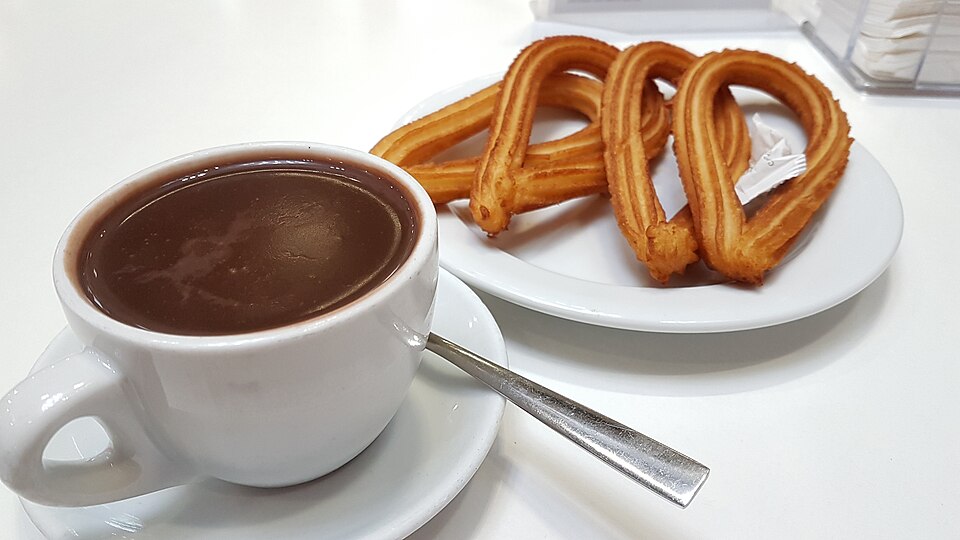
Churros con chocolate
 Spanish · 55 min · 683 kcal · Vegetarian