
Ganjang gejang (Korean soy-marinated raw crab)
Non-vegetarian
간장게장 · ganjang gejang
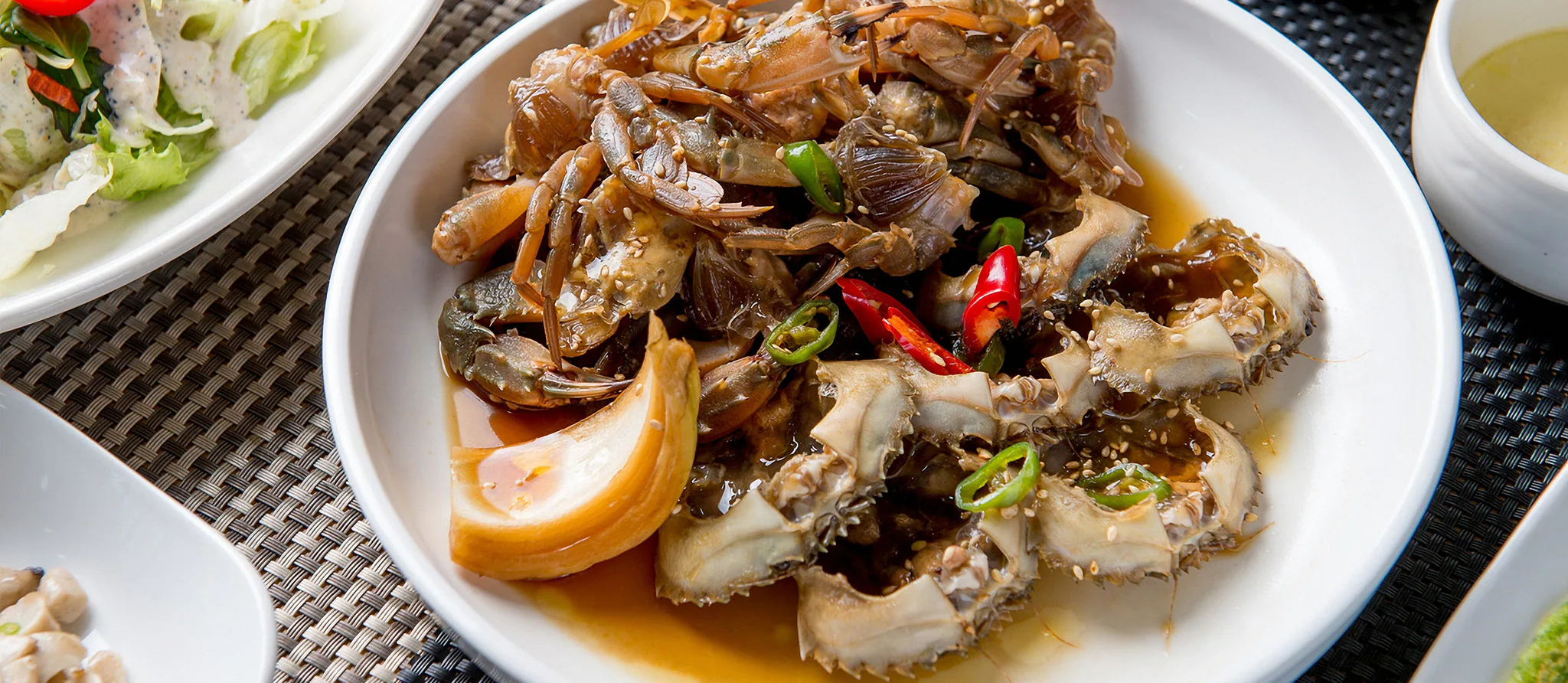
Whole raw crabs steeped for several days in a boiled, cooled brine of soy sauce, rice wine, garlic, ginger, onion and chilli until the flesh turns silky and the roe rich and savoury. Called a 'rice thief' in Korea, it is eaten with hot rice, often mixed into the shell.
Ganjang gejang (Korean soy-marinated raw crab) is a Korean main course from South Korea, ready in about 1 hour 10 minutes and made with whole raw crab (blue or swimming crab) and soy sauce. It serves 4 and is rated advanced to cook.
- Prep
- 40 min
- Cook
- 30 min
- Total
- 1 h 10 min
- Serves
- 4
- Level
- Advanced
- Calories
- 341
Plus 7 days freezing the crabs beforehand and 3–4 days marinating.
Main ingredients
Ingredients
For the crabs
For the brine
For the jar
Method
Brine
25 minStep 1
Bring the soy sauce (opens in a new tab), water, mirin, rice wine (opens in a new tab), sugar (opens in a new tab), onion (opens in a new tab), garlic (opens in a new tab), ginger, dried chillies, peppercorns (opens in a new tab), bay leaves (opens in a new tab), kombu (opens in a new tab), shiitake (opens in a new tab) and apple (opens in a new tab) to the boil. Simmer for 20 minutes, then strain and cool completely, then chill.
Crabs
15 minStep 2
Thaw the frozen crabs in the fridge. Scrub them thoroughly under cold running water with a brush, especially the joints and underside. Snip off the claw tips and the hard tips of the legs with scissors so the brine can enter.
Food safety: Handle crabs with gloves; shells are sharp. Discard any crab that smells of ammonia.
Jar
30 minStep 3
Pack the crabs belly up in a clean container, add the green chilli (opens in a new tab) and lemon (opens in a new tab) slices and pour over the cold brine to cover completely. Weigh down with a plate. Refrigerate.
Step 4
After 24 hours, pour off the brine, bring it back to the boil, cool it completely and pour it back over the crabs. Repeat on day 2. The crabs are ready after 3–4 days in the fridge.
- 15 min
- high heat
Reboiling the brine draws out water from the crab and keeps the brine clean and safe.
Step 5
To serve, lift off the top shell, cut the body into quarters with scissors and remove the gills. Serve cold with the shell full of roe and a ladle of brine for mixing with rice.
At a glance
1 · Brine in a pot
 Soy sauce
 Mirin
 Sake
 Sugar
 Onion
 Garlic
 Fresh ginger
 Dried whole chillies
 Black peppercorns
 Bay leaves
 Kombu (dried kelp)
 Shiitake mushrooms
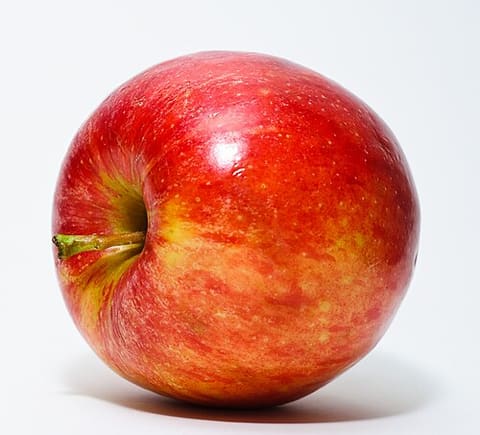 Apple
then thaw
2 · Crabs in a bowl
 Whole raw crab (blue or swimming crab)
then pack
3 · Jar in a pot
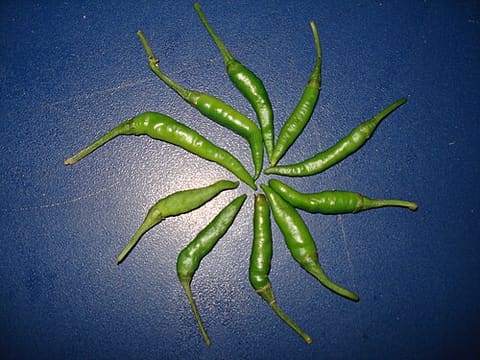 Green chilli
 Lemon
About this dish
- Origin
- West coast (Seosan, Taean, Yeosu), South Korea · Well documentedFemale blue crabs in spring, full of roe, are prized for ganjang gejang. The spicy version, yangnyeom gejang, uses a chilli paste instead of brine.More food from South Korea
South Korea - Dish
- Lunch · Dinner · Main courses · Side dishes
- Cooking method
- Marinated / cured, Raw, Boiled
- Taste
- umami, salty, sweet & savoury
- Diet
- Pescatarian · Dairy-free · No nut ingredients · High-proteinWorked out from the ingredients. How labels work
All labels
Pescatarian · Non-vegetarian · Dairy-free · Egg-free · No nut ingredients · Pork-free · Beef-free · High-protein · Low-fat · Calorie-conscious - Good for
- Make-ahead
- Techniques
- Boiling · Simmering · Marinating · Curing
Allergens
- Contains: Crustaceansfrom whole raw crab (blue or swimming crab)
- Contains: Wheatfrom soy sauce
- Contains: Glutenfrom soy sauce
- Contains: Soyfrom soy sauce
Based on typical versions of these ingredients and not verified allergen-free. Brands differ and cross-contact happens, so always check labels. For severe allergies, follow your clinician’s advice.
Nutrition
341 kcal per serving
Estimated1 serving ≈ 833 g · recipe makes 4
Where the energy comes from
- Protein 44%
- Carbohydrate 49%
- Fat 7%
| Nutrient | Per serving | Per 100 g* |
|---|---|---|
| Energy | 341 kcal | 41 kcal |
| Protein | 32.6 g | 3.9 g |
| Carbohydrate | 35.6 g | 4.3 g |
| Net carbohydrate | 32.4 g | 3.9 g |
| Sugars | — | — |
| Added sugars | — | — |
| Fibre | 3.2 g | 0.4 g |
| Fat | 2.3 g | 0.3 g |
| Saturated fat | 0.4 g | 0 g |
| Trans fat | — | — |
| Cholesterol | 82 mg | 10 mg |
| Sodium | 8215 mg | 986 mg |
| Salt equivalent | 20.5 g | 2.5 g |
Vitamins & minerals per serving
- Potassium
- 1186 mg
- Calcium
- 206 mg
- Iron
- 3.7 mg
- Magnesium
- 165 mg
- Vitamin A (RAE)
- 21 µg
- Vitamin C
- 31 mg
- Vitamin D
- —
- Vitamin B12
- 9.5 µg
- Folate (DFE)
- 77 µg
How these numbers were made
- Calculated from USDA FoodData Central (SR Legacy) per-100 g values and the listed quantities.
- *Per 100 g of combined raw ingredients; the cooked dish may weigh more or less.
- Optional ingredients are not included: kombu (dried kelp), shiitake mushrooms, apple.
- Whole raw crab (blue or swimming crab): Raw blue crab meat (FDC 174204), scaled by 0.35 because quantities are given for whole crabs in the shell and only about a third is edible meat and roe.
- Mirin: Sake (FDC 167723) used as a stand-in; true mirin is sweeter, so sugar is underestimated.
- “—” means the value isn’t known for enough of the ingredients; it is never zero by default.
- Values are estimates for guidance, not for medical dosing. U.S. Department of Agriculture, Agricultural Research Service. FoodData Central, 2019. fdc.nal.usda.gov.
Good to know
Tips
- Mixing hot rice into the empty top shell with the roe and a little brine is the best part of the meal.
Common mistakes
- Marinating fresh, unfrozen crab — freezing first is the key safety step at home.
Food safety
- Raw crab can carry Vibrio bacteria and parasites. Use only very fresh marine crab from a trusted supplier, freeze it at −20 °C for at least 7 days before marinating, and keep it refrigerated throughout.
- Not recommended for pregnant women, young children, older adults or anyone with weakened immunity or liver disease; for them, steam the crabs instead.
- Never use freshwater crabs, which can carry lung flukes.
Storage
- Keeps 7 days refrigerated in the brine after marinating; freeze for up to 1 month for longer storage.
Variations
- Yangnyeom gejang: Cut raw crab tossed in a thick, spicy sauce of gochugaru, garlic, soy and sesame; eaten within a day or two.
- Saeu-jang: The same soy brine method used for raw shrimp.
Original editorial recipe · FriendsPantry editorial · source: TasteAtlas (dish facts) · Not yet independently reviewed · Added
Sauces, chutneys & dips for this dish
Recipe DNA
How this dish is built
Built from the recipe’s own sections. Each band’s width is its share of the dish by weight. Choose a component to see what it does.
For the brine
- Soy sauce500 ml · 575 g
- Water1 l · 1000 g
- Mirin100 ml · 105 g
- Sake100 ml · 100 g
- Sugar60 g
- Onion, quartered1 piece · 110 g
- Garlic, halved10 clove · 40 g
- Fresh ginger, sliced30 g
- Dried whole chillies3 piece · 6 g
- Black peppercorns1 tsp · 3 g
- Bay leaves2 leaf · 0.4 g
- Kombu (dried kelp) (optional)10 g
- Shiitake mushrooms, dried (optional)4 piece · 76 g
- Apple, sliced (optional)1 piece · 180 g
Reviews & corrections
Reviews come from signed-in cooks and appear after a moderator checks them. We never show made-up ratings.
You might also like
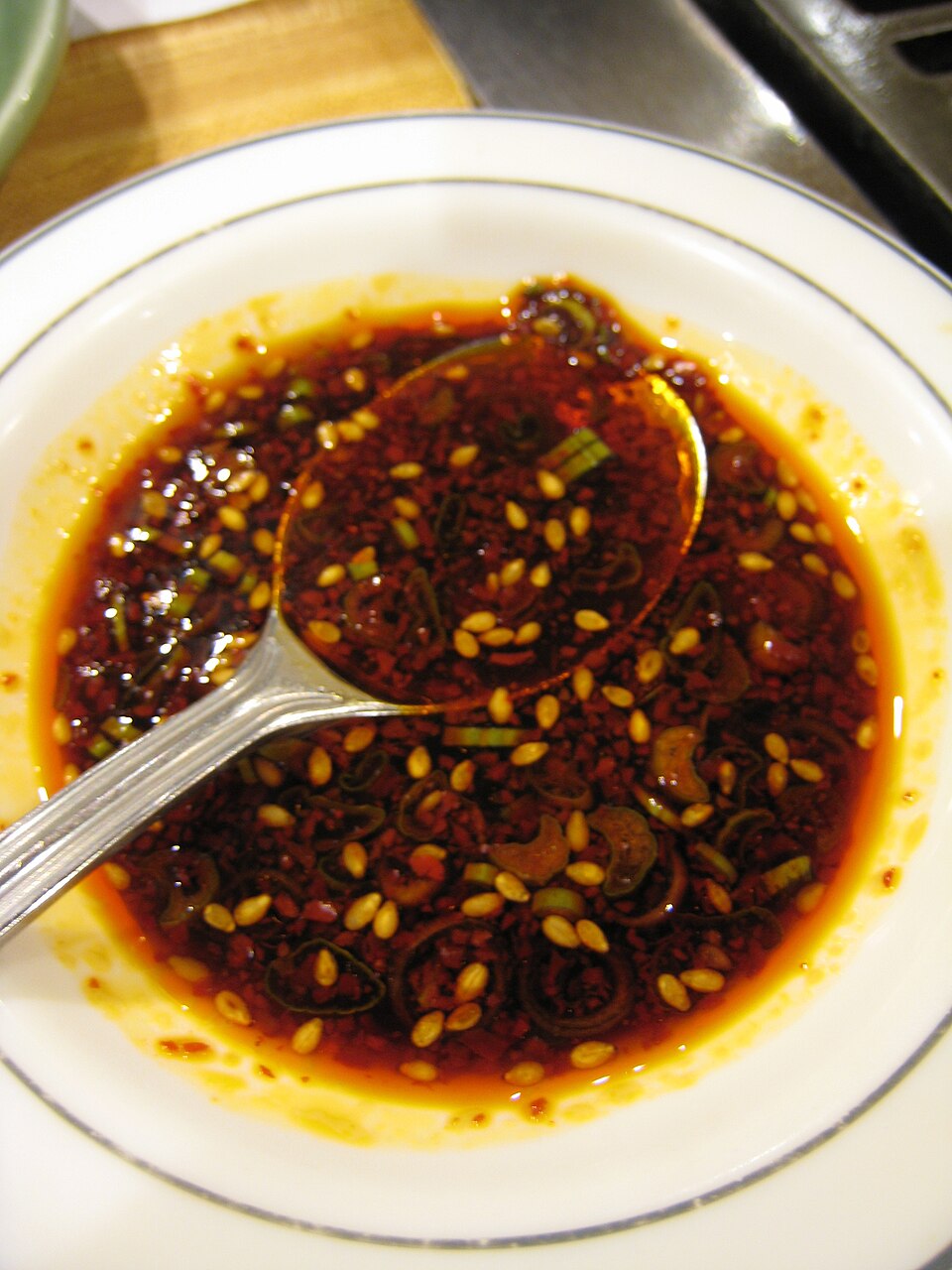
Yangnyeom-ganjang (seasoned soy dipping sauce)
 Korean · 5 min · 21 kcal · Vegan
Galbi-jjim
Korean · 2 h 40 min · 599 kcal
Bossam (Korean boiled pork wraps)
Korean · 3 h 40 min · 1449 kcal
Dakgalbi
Korean · 1 h 10 min · 349 kcal