
Dulce de mamón (Paraguayan papaya in syrup)
Vegetarian
Dulce de mamón
Strips of firm, barely ripe papaya simmered slowly in sugar syrup with cloves and orange until glossy, translucent and tender. A Paraguayan home preserve served cold, often with a slice of fresh cheese.
Dulce de mamón (Paraguayan papaya in syrup) is a Paraguayan dessert, ready in about 3 hours 40 minutes and made with papaya and sugar. It serves 8 and is rated easy to cook.
No licensed photograph of this dish yet.
- Prep
- 20 min
- Cook
- 2 h 20 min
- Rest
- 1 h
- Total
- 3 h 40 min
- Serves
- 8
- Level
- Easy
- Calories
- 312
Main ingredients
Method
Step 1
Put the sugar (opens in a new tab) and water in a wide, heavy saucepan (opens in a new tab) and heat, stirring, until the sugar dissolves. Bring to the boil.
- 6 min
- medium heat
- Saucepan (opens in a new tab)
Food safety: Sugar syrup causes severe burns; keep children away from the pan.
Step 2
Add the papaya (opens in a new tab) strips, cloves (opens in a new tab), orange juice (opens in a new tab) and lemon zest (opens in a new tab). Return to a gentle simmer, then turn the heat right down.
- 4 min
- medium heat
Step 3
Simmer uncovered on very low heat for about 2 hours, gently shaking the pan or turning the fruit with a wooden spoon (opens in a new tab) now and then, until the papaya (opens in a new tab) is translucent and amber and the syrup coats a spoon.
- 125 min
- low heat
- Wooden spoon (opens in a new tab)
Stir gently so the strips keep their shape.
Step 4
Remove the cloves (opens in a new tab) and lemon zest (opens in a new tab). Cool in the syrup, then transfer to clean jars and chill before serving.
At a glance
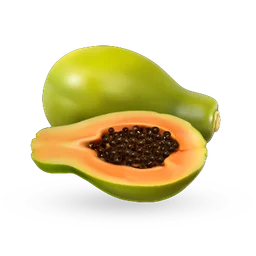 Papaya
 Sugar
 Cloves
 Orange juice
 Lemon zest
About this dish
- Origin
- Paraguay · Commonly attributedMamón is the Paraguayan and Argentine name for papaya; fruit preserves like this are a mainstay of Paraguayan and northeast Argentine home cooking, eaten as dessert with queso paraguay.Also popular in ArgentinaMore food from Paraguay
Paraguay - Dish
- Dessert · Snack · Desserts
- Cooking method
- Simmered
- Taste
- sweet, fruity, aromatic / warmly spiced
- Diet
- Vegan · No gluten ingredients · Dairy-free · No nut ingredientsWorked out from the ingredients. How labels work
All labels
Vegan · Plant-based · Vegetarian (lacto-ovo) · Eggetarian · Lacto-vegetarian · Ovo-vegetarian · Pescatarian · Flexitarian-friendly · No gluten ingredients · Dairy-free · Egg-free · No nut ingredients · Alcohol-free · Pork-free · Beef-free · Low-fat · Low-sodium · DASH-style - Good for
- Make-ahead · Budget-friendly
- Cook more with
- Papaya · Sugar · Cloves · Orange juice
Allergens
None of the 14 major allergens appear in the listed ingredients.
Based on typical versions of these ingredients and not verified allergen-free. Brands differ and cross-contact happens, so always check labels. For severe allergies, follow your clinician’s advice.
Nutrition
312 kcal per serving
Calculated1 serving ≈ 288 g · recipe makes 8
Where the energy comes from
- Protein 1%
- Carbohydrate 98%
- Fat 1%
| Nutrient | Per serving | Per 100 g* |
|---|---|---|
| Energy | 312 kcal | 108 kcal |
| Protein | 0.8 g | 0.3 g |
| Carbohydrate | 80.1 g | 27.8 g |
| Net carbohydrate | 77.5 g | 26.9 g |
| Sugars | 75.2 g | 26.1 g |
| Added sugars | 62.5 g | 21.7 g |
| Fibre | 2.6 g | 0.9 g |
| Fat | 0.4 g | 0.1 g |
| Saturated fat | 0.1 g | 0 g |
| Trans fat | — | — |
| Cholesterol | 0 mg | 0 mg |
| Sodium | 14 mg | 5 mg |
| Salt equivalent | 0 g | 0 g |
Vitamins & minerals per serving
- Potassium
- 301 mg
- Calcium
- 39 mg
- Iron
- 0.4 mg
- Magnesium
- 34 mg
- Vitamin A (RAE)
- 72 µg
- Vitamin C
- 98 mg
- Vitamin D
- 0 µg
- Vitamin B12
- 0 µg
- Folate (DFE)
- 59 µg
How these numbers were made
- Calculated from USDA FoodData Central (SR Legacy) per-100 g values and the listed quantities.
- *Per 100 g of combined raw ingredients; the cooked dish may weigh more or less.
- Optional ingredients are not included: lemon zest.
- “—” means the value isn’t known for enough of the ingredients; it is never zero by default.
- Values are estimates for guidance, not for medical dosing. U.S. Department of Agriculture, Agricultural Research Service. FoodData Central, 2019. fdc.nal.usda.gov.
Good to know
Tips
- Firm, half-ripe papaya holds its shape best; very ripe fruit turns to jam.
- A pinch of bicarbonate-free lime (cal) is used by some cooks to firm the fruit; soaking strips in salted water for 30 minutes does a similar job.
Common mistakes
- Boiling hard, which darkens the syrup before the fruit is tender.
- Stirring vigorously and breaking the strips.
Serve with
- Serve chilled with a slice of fresh cheese (queso paraguay or queso fresco).
- Spoon over vanilla ice cream or plain yoghurt.
Storage
- Keeps 3 weeks in clean jars in the fridge, covered with syrup.
Variations
- Dulce de mamón con coco: Grated coconut added for the last 20 minutes.
- Argentine dulce de mamón (Argentina): Made the same way in Misiones and Corrientes, sometimes with cinnamon instead of cloves.
Original editorial recipe · FriendsPantry editorial · source: TasteAtlas (dish facts) · Not yet independently reviewed · Added
Recipe DNA
How this dish is built
Grouped by each ingredient’s role in the dish. Each band’s width is its share of the dish by weight. Choose a component to see what it does.
What the dish is built around
Main ingredient
- Papaya, firm, just turning yellow; peeled, seeded and cut into 1 cm strips1.2 kg · 1200 g
- Orange juice100 ml · 104 g
- Lemon zest, pared in wide strips (optional)1 tsp · 2 g
Reviews & corrections
Reviews come from signed-in cooks and appear after a moderator checks them. We never show made-up ratings.
You might also like
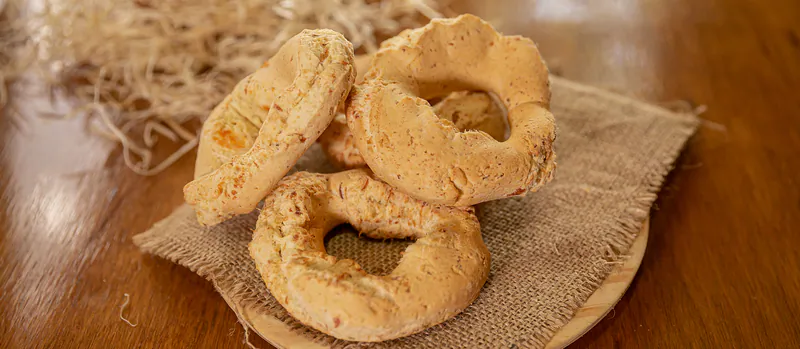
Chipa
 Paraguayan · 50 min · 395 kcal · Contains egg
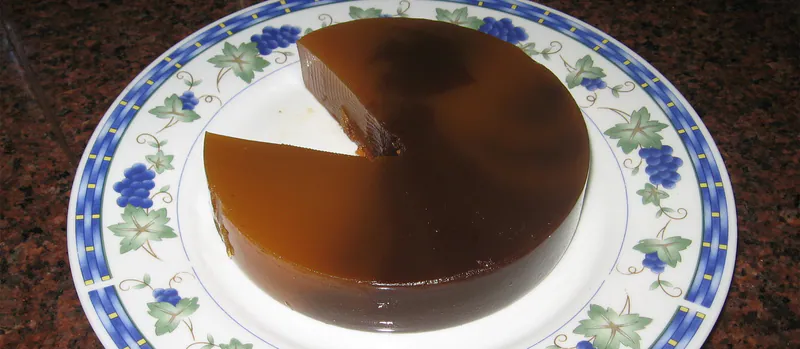
Dulce de batata (sweet potato paste)
Paraguayan · 5 h 15 min · 236 kcal · Vegan
Melomakarona (Greek honey cookies)
 Greek · 2 h · 186 kcal · Vegetarian
Kivevé (Paraguayan pumpkin and cornmeal purée)
Paraguayan · 1 h · 305 kcal · Vegetarian