
Kivevé (Paraguayan pumpkin and cornmeal purée)
Vegetarian
Kivevé
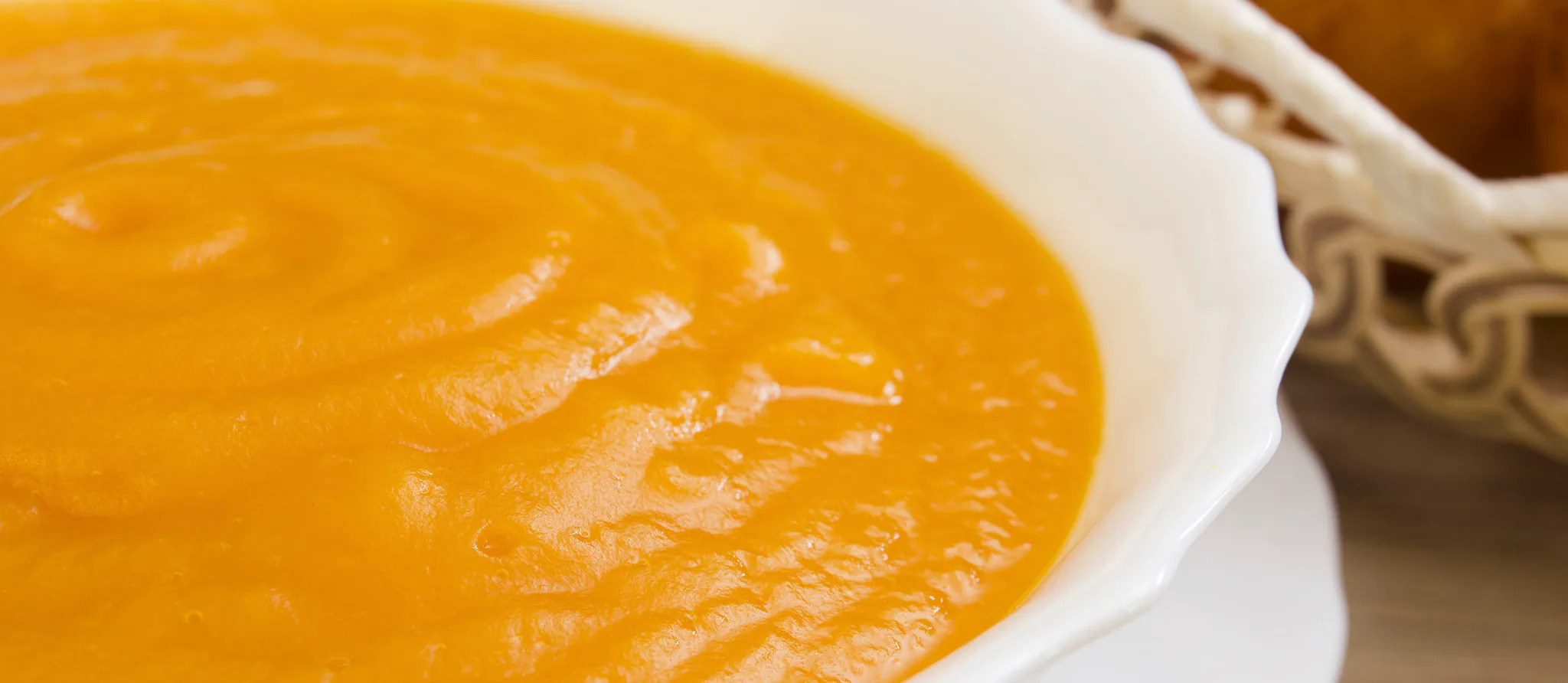
A thick, sunset-orange purée of soft-cooked pumpkin thickened with cornmeal and enriched with milk and crumbled fresh cheese, sitting halfway between savoury and sweet. Paraguay's best-loved vegetarian dish, served as a side to grilled meat or eaten on its own.
Kivevé (Paraguayan pumpkin and cornmeal purée) is a Paraguayan side dish, ready in about 1 hour and made with pumpkin, cornmeal and queso fresco. It serves 6 and is rated easy to cook.
- Prep
- 15 min
- Cook
- 40 min
- Rest
- 5 min
- Total
- 1 h
- Serves
- 6
- Level
- Easy
- Calories
- 305
Main ingredients
Method
Step 1
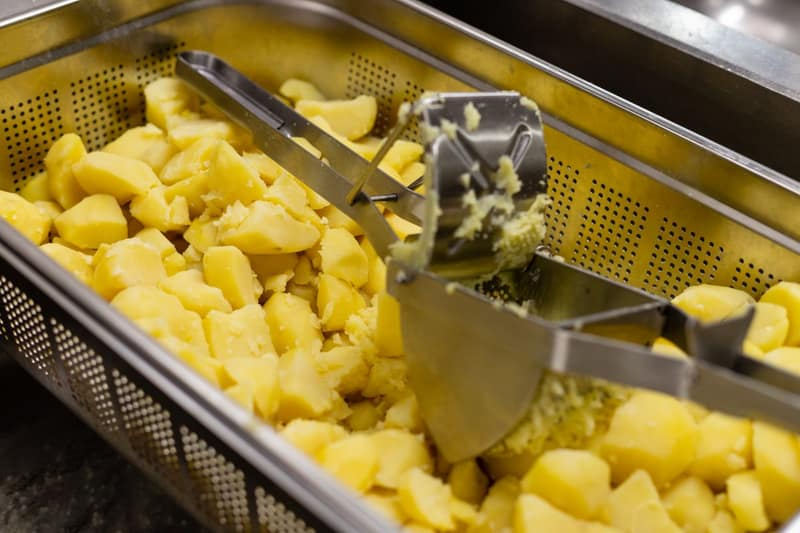
Put the pumpkin (opens in a new tab) in a heavy pot with the water, cover and cook over medium heat until completely soft, about 20 minutes. Mash it in the pot with a wooden spoon (opens in a new tab) or potato masher; a few small lumps are fine.
How it looks · Photo: Mateusz Feliksik on Pexels Step 2
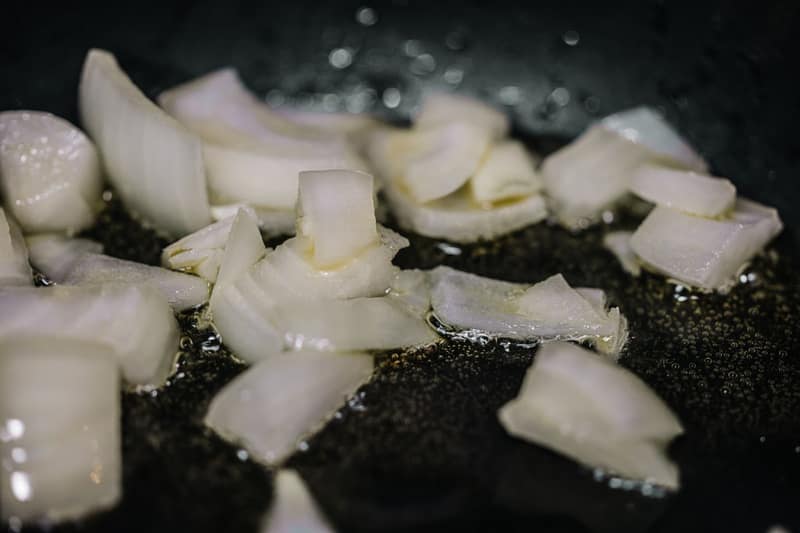
Push the pumpkin (opens in a new tab) to one side, add the oil to the empty side and fry the onion (opens in a new tab) in it until soft and translucent, 4–5 minutes, then stir it into the pumpkin with the sugar (opens in a new tab) and salt.
- 5 min
- medium heat
How it looks · Photo: Magda Ehlers on Pexels Step 3
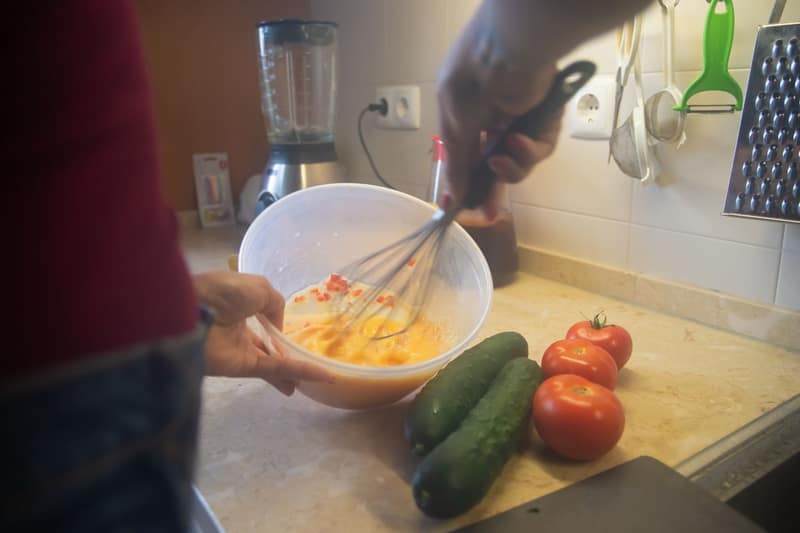
Whisk the cornmeal (opens in a new tab) into the cold milk (opens in a new tab) so it does not lump, then pour it into the pumpkin (opens in a new tab) in a thin stream, stirring constantly.
- 3 min
How it looks · Photo: Kampus Production on Pexels Step 4
Lower the heat and cook, stirring often and scraping the bottom, until the cornmeal (opens in a new tab) no longer tastes raw and the purée is thick enough for a spoon to leave a trail, 10–12 minutes. Add a splash of water if it becomes stiff.
- 12 min
- low heat
Food safety: Thick purées spit as they bubble; stir with a long spoon and keep your hand clear.
Step 5
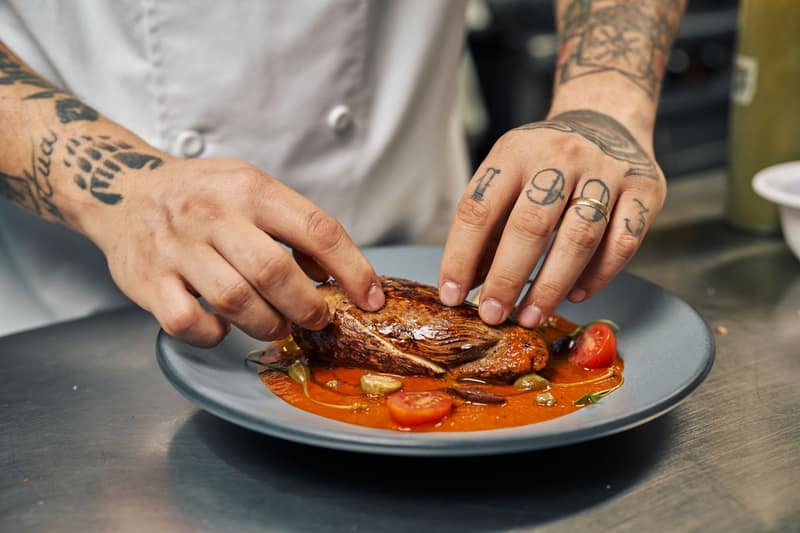
Take the pot off the heat and fold in the crumbled cheese so it half melts in streaks. Taste for salt and sugar (opens in a new tab), rest for 5 minutes and serve warm.
- 2 min
How it looks · Photo: Willians Huerta on Pexels
At a glance
 Pumpkin
 Neutral vegetable oil
 Onion
 Sugar
 Salt
 Milk
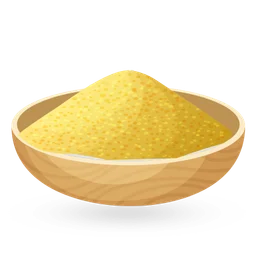 Cornmeal
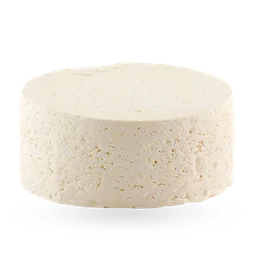 Queso fresco
About this dish
- Origin
- Paraguay · Well documentedMade across Paraguay with andai, a local winter squash; the name comes from Guaraní. Similar pumpkin purées called quibebe are made in southern Brazil and northeastern Argentina.Also popular in ArgentinaMore food from Paraguay
Paraguay - Dish
- Lunch · Dinner · Side dishes · Main courses
- Cooking method
- Boiled, Simmered, Sautéed
- Taste
- sweet & savoury, creamy, mild
- Diet
- Vegetarian (lacto-ovo) · No gluten ingredients · No nut ingredientsWorked out from the ingredients. How labels work
All labels
Vegetarian (lacto-ovo) · Eggetarian · Lacto-vegetarian · Pescatarian · Flexitarian-friendly · No gluten ingredients · Egg-free · No nut ingredients · Alcohol-free · Pork-free · Beef-free - Good for
- Budget-friendly · One-pot · Child-friendly
Allergens
- Contains: Milkfrom milk, queso fresco
Based on typical versions of these ingredients and not verified allergen-free. Brands differ and cross-contact happens, so always check labels. For severe allergies, follow your clinician’s advice.
Nutrition
305 kcal per serving
Calculated1 serving ≈ 333 g · recipe makes 6
Where the energy comes from
- Protein 14%
- Carbohydrate 44%
- Fat 42%
| Nutrient | Per serving | Per 100 g* |
|---|---|---|
| Energy | 305 kcal | 92 kcal |
| Protein | 10.9 g | 3.3 g |
| Carbohydrate | 35.2 g | 10.6 g |
| Net carbohydrate | 32.6 g | 9.8 g |
| Sugars | 12.6 g | 3.8 g |
| Added sugars | 4.2 g | 1.3 g |
| Fibre | 2.6 g | 0.8 g |
| Fat | 14.8 g | 4.4 g |
| Saturated fat | 5.6 g | 1.7 g |
| Trans fat | — | — |
| Cholesterol | 27 mg | 8 mg |
| Sodium | 668 mg | 201 mg |
| Salt equivalent | 1.7 g | 0.5 g |
Vitamins & minerals per serving
- Potassium
- 751 mg
- Calcium
- 282 mg
- Iron
- 2.1 mg
- Magnesium
- 60 mg
- Vitamin A (RAE)
- 807 µg
- Vitamin C
- 16 mg
- Vitamin D
- 1.5 µg
- Vitamin B12
- 0.8 µg
- Folate (DFE)
- 40 µg
How these numbers were made
- Calculated from USDA FoodData Central (SR Legacy) per-100 g values and the listed quantities.
- *Per 100 g of combined raw ingredients; the cooked dish may weigh more or less.
- “—” means the value isn’t known for enough of the ingredients; it is never zero by default.
- Values are estimates for guidance, not for medical dosing. U.S. Department of Agriculture, Agricultural Research Service. FoodData Central, 2019. fdc.nal.usda.gov.
Good to know
Tips
- Pumpkins vary a lot in sweetness and water content; add the cornmeal gradually and stop when the texture is like soft polenta.
- For a dessert version, increase the sugar and finish with a little extra milk.
Common mistakes
- Adding cornmeal straight into the pot, which forms lumps; always slake it in the cold milk first.
Serve with
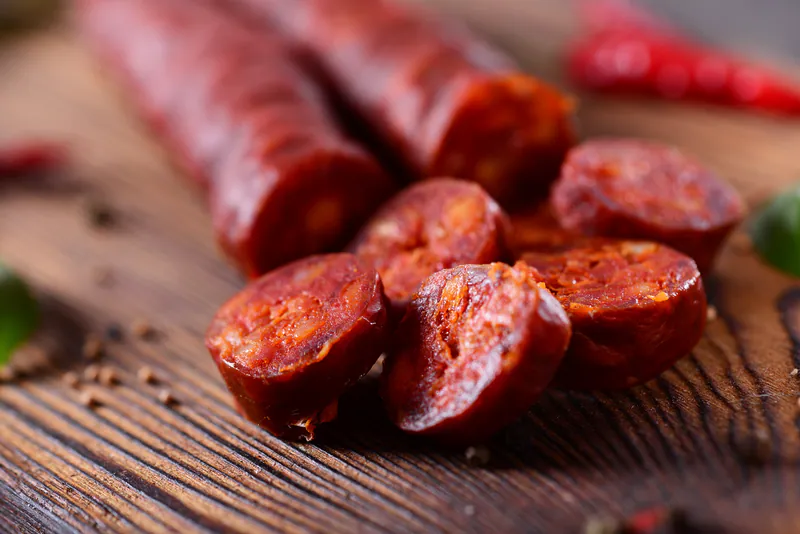
- Serve beside asado (grilled beef), chorizo or grilled chicken.
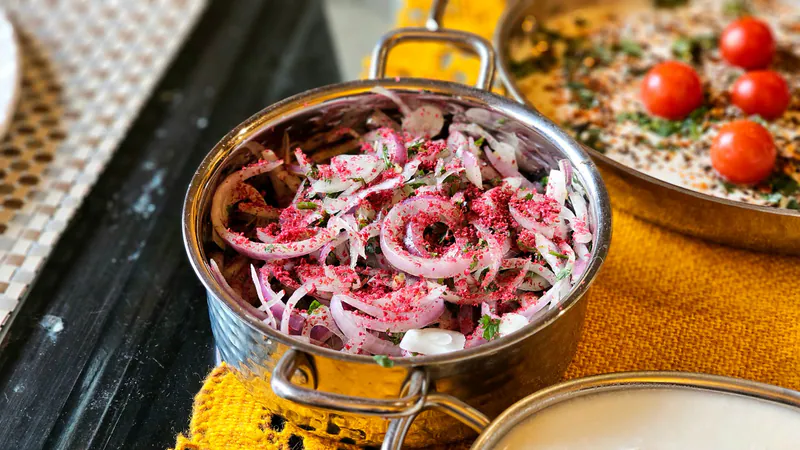
- Eat on its own with a tomato and onion salad for a light vegetarian lunch.
Storage
- Keeps 3 days refrigerated in a covered container.
Reheating
- Reheat gently in a pan with a splash of milk, stirring, until steaming.
Variations
- Sweet kivevé: Made with more sugar and served as a dessert, sometimes with a sprinkle of cinnamon.
- Quibebe (Brazil) (Brazil): In southern Brazil the pumpkin purée is usually savoury, without cornmeal, and often cooked with dried beef.
History
Kivevé is usually traced to the hard years after the War of the Triple Alliance in the 19th century, when pumpkin, maize and fresh cheese were among the few foods every rural household had.
Confidence: Commonly attributed
Original editorial recipe · FriendsPantry editorial · source: TasteAtlas (dish facts) · Not yet independently reviewed · Added
Recipe DNA
How this dish is built
Grouped by each ingredient’s role in the dish. Each band’s width is its share of the dish by weight. Choose a component to see what it does.
Reviews & corrections
Reviews come from signed-in cooks and appear after a moderator checks them. We never show made-up ratings.
You might also like
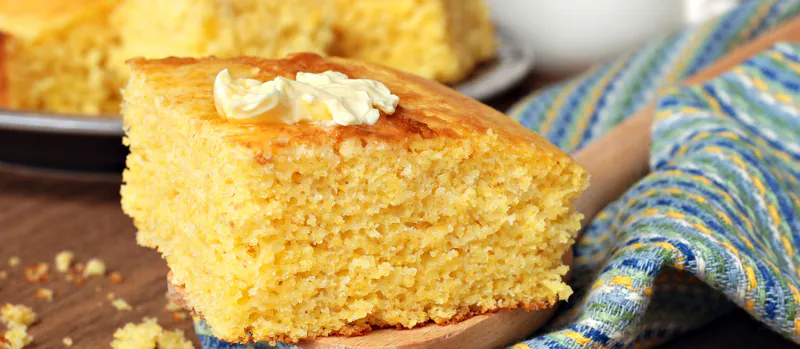
Sopa paraguaya
 Paraguayan · 1 h 30 min · 318 kcal · Contains egg
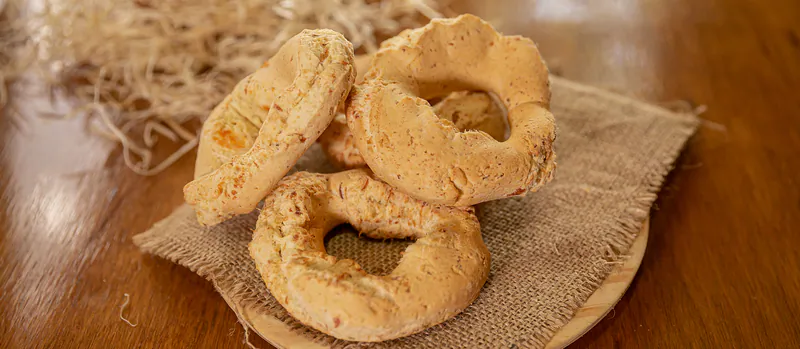
Chipa
Paraguayan · 50 min · 395 kcal · Contains egg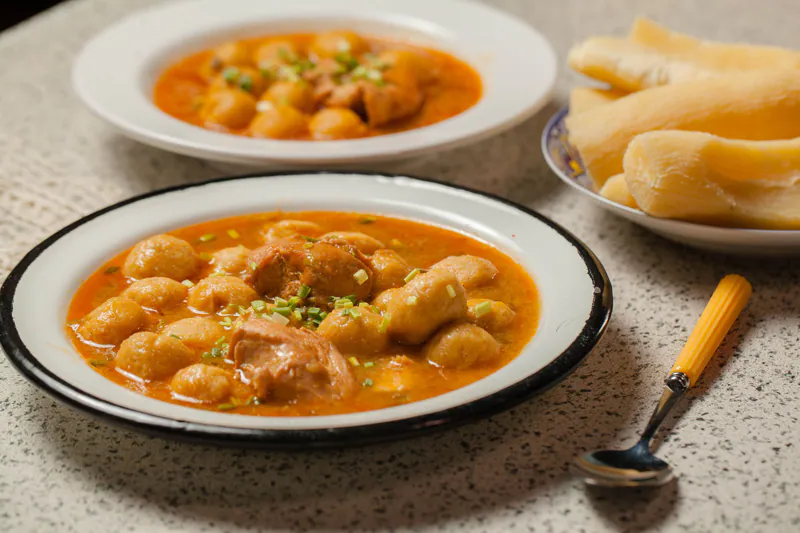
Vori vori
Paraguayan · 1 h 35 min · 544 kcal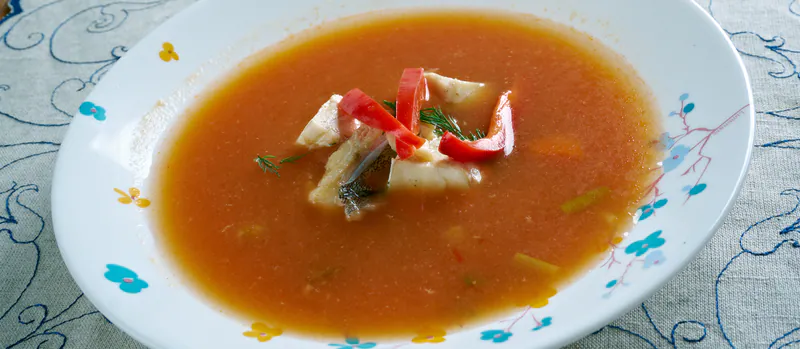
Pira caldo (Paraguayan fish soup)
Paraguayan · 1 h 10 min · 542 kcal