
Dan dan noodles
Non-vegetarian
担担面 · dàndàn miàn
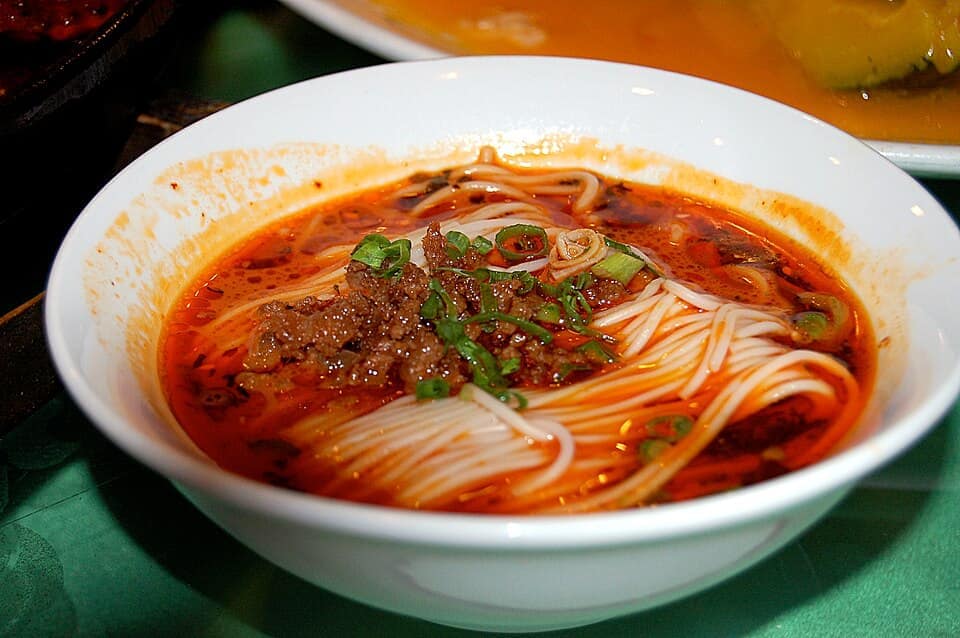
Wheat noodles in a punchy sauce of sesame paste, chilli oil and black vinegar, topped with crisp fried pork and numbing Sichuan pepper.
Dan dan noodles is a Sichuan noodle dish from China, ready in about 25 minutes and made with ground pork, chinese sesame paste and chilli oil. It serves 4 and is rated easy to cook.
- Prep
- 10 min
- Cook
- 15 min
- Total
- 25 min
- Serves
- 4
- Level
- Easy
- Calories
- 709
Main ingredients


Ingredients
Pork topping
Sauce
Method
Pork topping
7 minStep 1
Heat the oil in a wok (opens in a new tab) and fry the pork over medium-high heat, breaking it up, until well browned and a little crisp. Add the ya cai (opens in a new tab) and stir-fry for a minute until fragrant, then add the wine and soy sauce (opens in a new tab) and cook until dry.
- 7 min
- medium-high heat
- Wok (opens in a new tab)
Food safety: Cook minced pork until no pink remains.
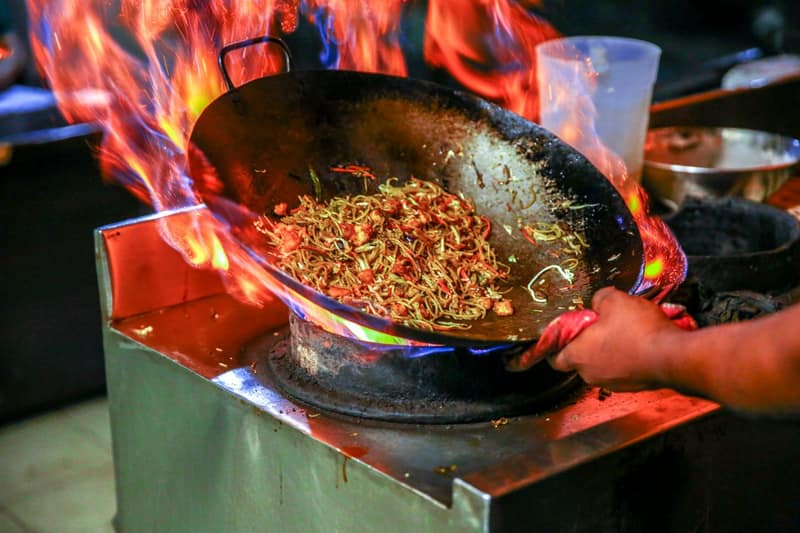
How it looks · Photo: Aesthos AR. Photography on Pexels
Sauce
10 minStep 2
Divide the sauce ingredients between four bowls and stir each into a loose paste.
- 3 min
Step 3
Boil the noodles according to the packet, adding the bok choy (opens in a new tab) for the last minute. Reserve a cup of the cooking water.
- 5 min
- high heat
- Stockpot / large pot (opens in a new tab)
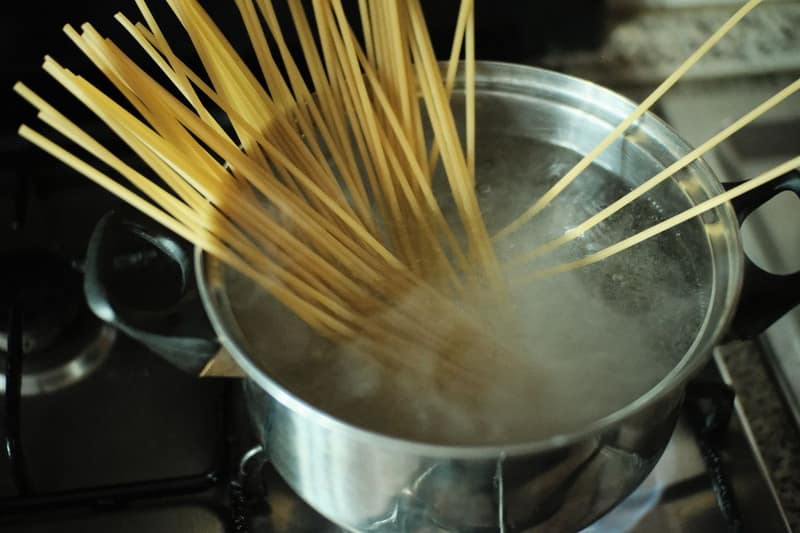
How it looks · Photo: Gianpiero Ferraro on Pexels Step 4
Add 2–3 tbsp hot noodle water to each bowl to loosen the sauce, then add the drained noodles and greens. Top with pork, peanuts and spring onion (opens in a new tab) and toss at the table.
- 2 min
At a glance
1 · Pork topping in a bowl
 Neutral vegetable oil
 Ground pork
 Shaoxing wine
 Soy sauce
 Ya cai (Sichuan preserved mustard greens)
then divide
2 · Sauce in a pan
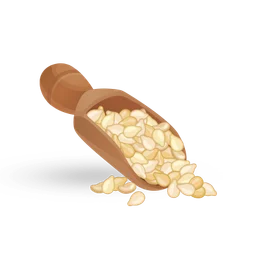 Chinese sesame paste
- Soy sauce
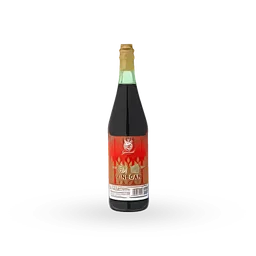 Chinese black vinegar
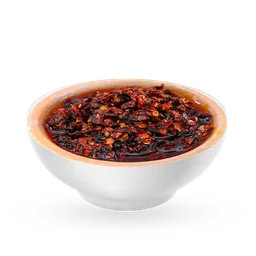 Chilli oil
 Sugar
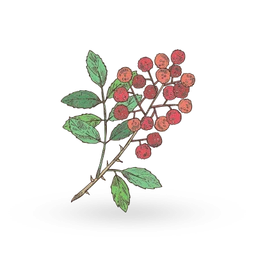 Sichuan peppercorns
 Garlic
About this dish
- Origin
- Chengdu, Sichuan, China · Well documentedNamed for the carrying pole (dan) used by street vendors.Also popular in Taiwan, Japan, United StatesMore food from China
China - Dish
- Lunch · Dinner · Snack · Noodles · Street food
- Cooking method
- Boiled, Stir-fried
- Taste
- spicy (chilli heat), nutty, umami, peppery
- Diet
- Dairy-free · High-proteinWith the listed swaps: Vegan, Plant-based, Vegetarian (lacto-ovo), Eggetarian, Lacto-vegetarian, Ovo-vegetarian, Pescatarian, Pork-freeWorked out from the ingredients. How labels work
All labels
Non-vegetarian · Flexitarian-friendly · Dairy-free · Egg-free · Beef-free · High-protein - Good for
- Street food · Everyday
- Cook more with
- Ground pork · Chinese sesame paste · Chilli oil · Shaoxing wine · Soy sauce · Ya cai (Sichuan preserved mustard greens)
- Techniques
- Stir-frying · Boiling
Allergens
- May contain: Eggsfrom ramen noodles
- Contains, can be adapted: Peanutsfrom chilli oil, roasted peanuts
- Contains: Wheatfrom shaoxing wine, soy sauce, chinese black vinegar, ramen noodles
- Contains: Glutenfrom shaoxing wine, soy sauce, chinese black vinegar, ramen noodles
- Contains: Soyfrom soy sauce, chilli oil, ramen noodles
- Contains: Sesamefrom chinese sesame paste, chilli oil
Based on typical versions of these ingredients and not verified allergen-free. Brands differ and cross-contact happens, so always check labels. For severe allergies, follow your clinician’s advice.
Nutrition
709 kcal per serving
Estimated1 serving ≈ 309 g · recipe makes 4
Where the energy comes from
- Protein 12%
- Carbohydrate 34%
- Fat 54%
| Nutrient | Per serving | Per 100 g* |
|---|---|---|
| Energy | 709 kcal | 230 kcal |
| Protein | 22.3 g | 7.2 g |
| Carbohydrate | 61.2 g | 19.8 g |
| Net carbohydrate | 53.5 g | 17.3 g |
| Sugars | — | — |
| Added sugars | 2.1 g | 0.7 g |
| Fibre | 7.7 g | 2.5 g |
| Fat | 43.8 g | 14.2 g |
| Saturated fat | 10.9 g | 3.5 g |
| Trans fat | — | — |
| Cholesterol | 36 mg | 12 mg |
| Sodium | 1388 mg | 450 mg |
| Salt equivalent | 3.5 g | 1.1 g |
Vitamins & minerals per serving
- Potassium
- 702 mg
- Calcium
- 262 mg
- Iron
- 9.1 mg
- Magnesium
- 101 mg
- Vitamin A (RAE)
- 284 µg
- Vitamin C
- 62 mg
- Vitamin D
- —
- Vitamin B12
- 0.4 µg
- Folate (DFE)
- 250 µg
How these numbers were made
- Calculated from USDA FoodData Central (SR Legacy) per-100 g values and the listed quantities.
- *Per 100 g of combined raw ingredients; the cooked dish may weigh more or less.
- Optional ingredients are not included: roasted peanuts.
- Not counted (tiny amounts or “to taste”): sichuan peppercorns.
- Shaoxing wine: Sake (FDC 167723) used as a stand-in for Chinese rice cooking wine.
- Ya cai (Sichuan preserved mustard greens): Raw mustard greens used as a stand-in; ya cai is the stems salted and preserved with brown sugar, so sugar and sodium are understated.
- Chinese black vinegar: Balsamic vinegar (FDC 172241) used as a stand-in for Chinkiang/Zhenjiang black rice vinegar; both are dark, aged and slightly sweet.
- Chilli oil: Neutral vegetable oil (FDC 172336) used as a stand-in; the chilli solids add little energy.
- “—” means the value isn’t known for enough of the ingredients; it is never zero by default.
- Values are estimates for guidance, not for medical dosing. U.S. Department of Agriculture, Agricultural Research Service. FoodData Central, 2019. fdc.nal.usda.gov.
Good to know
Tips
- The sauce should be thick but pourable — loosen with noodle water until it coats the back of a spoon.
Common mistakes
- Leaving the pork soft and wet — it should fry until dry, browned and almost crumbly.
- Draining the noodles bone-dry: a few spoonfuls of the starchy cooking water are what loosen the sesame sauce into a coating.
Storage
- Keep pork topping and sauce separately in the fridge for up to 3 days; cook noodles fresh.
Variations
- Soupy dan dan noodles: A version common outside Sichuan with the sauce thinned with hot stock into a broth.
Original editorial recipe · FriendsPantry editorial · Not yet independently reviewed · Added
Sauces, chutneys & dips for this dish
Recipe DNA
How this dish is built
Built from the recipe’s own sections. Each band’s width is its share of the dish by weight. Choose a component to see what it does.
What the dish is built around
Main ingredient
- Ramen noodles320 g
- Bok choy, halved4 piece · 480 g
- Roasted peanuts, chopped (optional)30 g
Reviews & corrections
Reviews come from signed-in cooks and appear after a moderator checks them. We never show made-up ratings.
You might also like
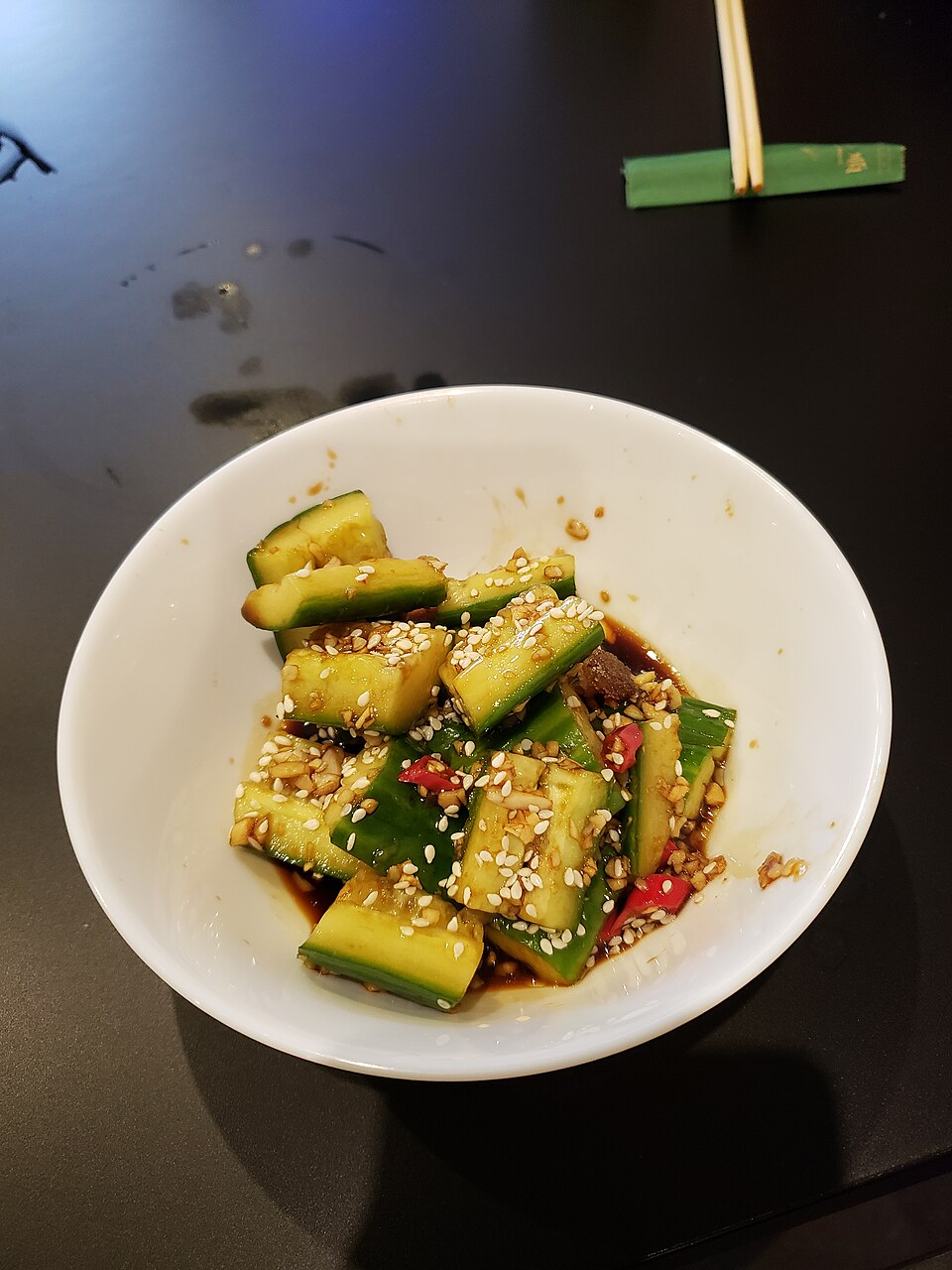
Smashed cucumber salad
 Chinese · 20 min · 60 kcal · Vegan
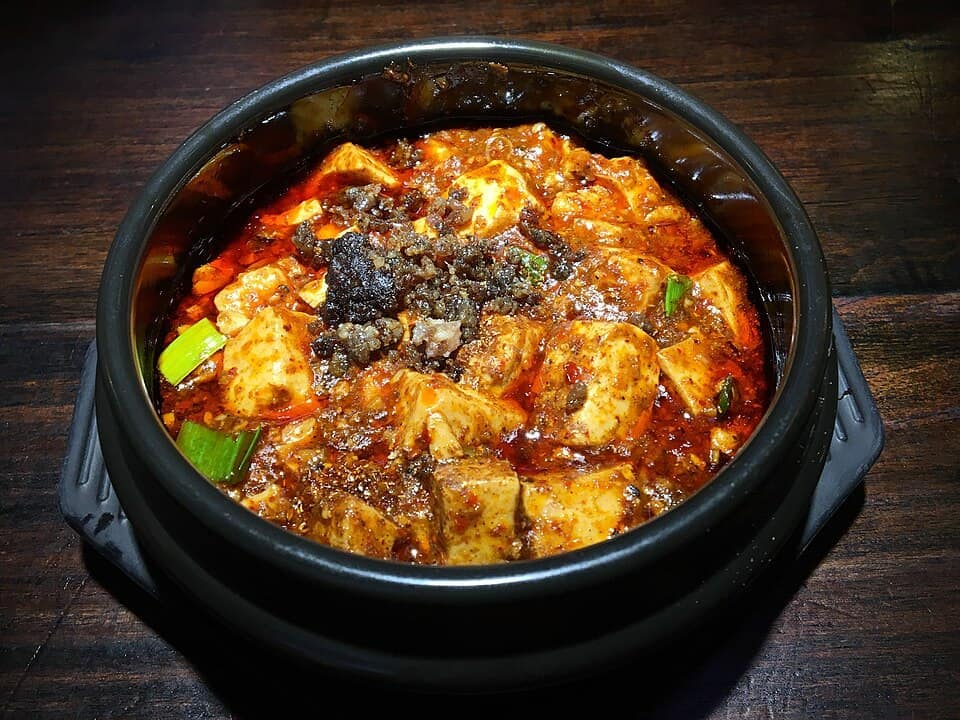
Mapo tofu
Sichuan · 25 min · 253 kcal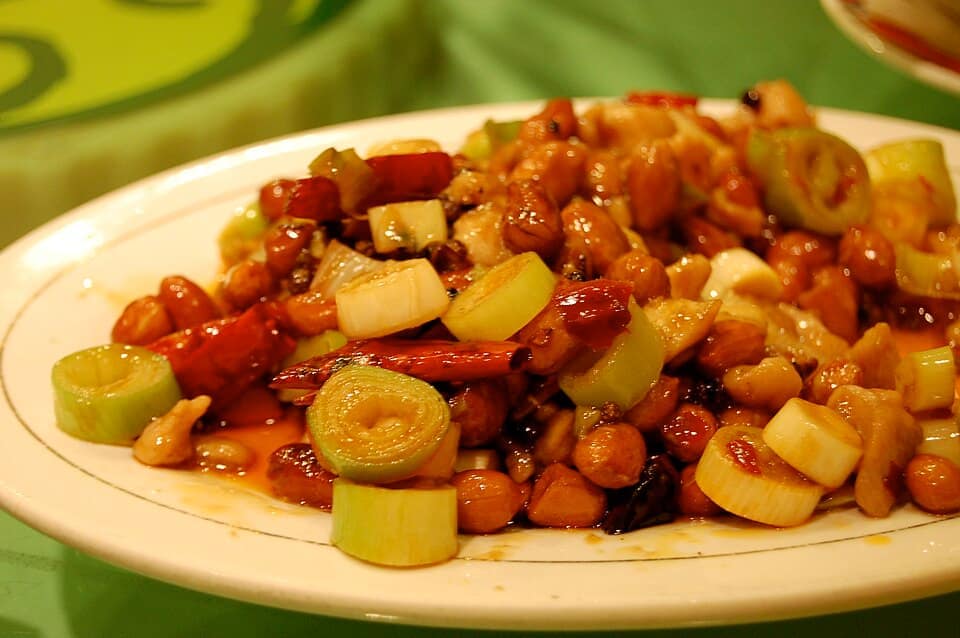
Kung pao chicken
Sichuan · 35 min · 341 kcalSichuan cold noodles
Sichuan · 35 min · 579 kcal · Contains egg